
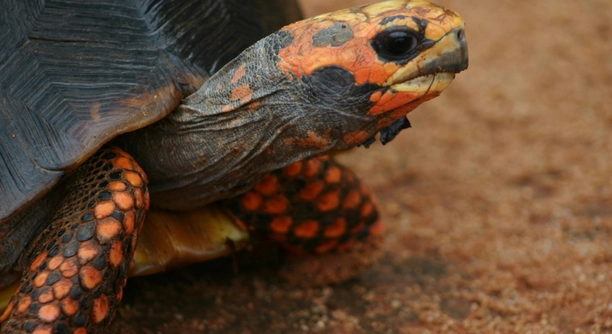
Red-footed tortoises are unique creatures with specific dietary needs. As responsible pet owners, it’s essential to understand what foods are safe and healthy for them. One common food question is whether chocolate is safe for these tortoises.
Red-footed tortoises should not eat chocolate. Chocolate contains theobromine, a substance that is toxic to many animals, including tortoises. Consuming even small amounts can cause serious health issues, including heart problems, seizures, and even death.
Chocolate poses significant risks to red-footed tortoises. Understanding the effects of chocolate on their health can help ensure their well-being.
Why Chocolate is Toxic to Red-Footed Tortoises
Chocolate contains theobromine, a stimulant that can be harmful to tortoises. While humans can tolerate theobromine, red-footed tortoises cannot. Even small amounts of chocolate can cause serious health issues. Theobromine affects the heart, kidneys, and nervous system, leading to symptoms like vomiting, diarrhea, and seizures. In severe cases, it can be fatal. For tortoises, it’s best to avoid any chocolate products, whether it’s dark, milk, or white chocolate. They may be curious about sweet treats, but it’s important to prevent them from consuming such harmful substances.
The toxicity of chocolate extends beyond red-footed tortoises. Many other animals, such as dogs and cats, are also sensitive to theobromine. This is why chocolate should be kept out of reach from pets. For tortoises, the best way to avoid accidental ingestion is to keep chocolate and similar foods away from their habitat. Educating yourself about harmful foods for your pet can help prevent dangerous situations.
Chocolate’s effects on tortoises can be delayed, making it even more dangerous. This means that symptoms may not appear immediately after ingestion, which could lead to confusion and delayed treatment. Quick response and proper care are essential for tortoises exposed to chocolate. Keep your pet’s diet strictly to plant-based foods, such as fruits and vegetables. Additionally, tortoises should always have access to fresh water and a balanced diet suited to their specific needs. Avoid offering any food that could pose a risk, such as processed snacks and human treats.
How to Keep Your Red-Footed Tortoise Safe
Maintaining a healthy environment for your red-footed tortoise is crucial to their well-being. Avoid offering human food, particularly items high in sugar or fat. Regularly check your pet’s habitat for any harmful foods that may have been accidentally left behind. Keeping chocolate and other toxic foods out of reach will help protect your tortoise.
It’s essential to know what foods are safe for your tortoise. Leafy greens, fruits like strawberries and papayas, and some flowers can be included in their diet. Offer a variety of foods to meet their nutritional needs and support their digestive health. If you’re ever unsure about a food, it’s best to research before offering it to your tortoise. Always prioritize their safety.
Symptoms of Chocolate Poisoning in Red-Footed Tortoises
If your red-footed tortoise has ingested chocolate, watch for signs of poisoning. Common symptoms include excessive drooling, vomiting, and lethargy. These signs can appear quickly or take several hours. The sooner you recognize them, the better. If any of these occur, immediate action is necessary.
Tortoises that ingest chocolate may also experience increased heart rate, shaking, or trouble breathing. These signs are indicators that the toxin is affecting their nervous system. Chocolate poisoning can be fatal if left untreated. If your tortoise shows any symptoms, contact a vet right away. The vet may administer activated charcoal or other treatments to help absorb the toxin and prevent further damage.
It is crucial to act quickly, as some symptoms may be delayed, making it hard to spot the issue in time. Rapid intervention is key to saving your pet. Ensure you monitor your tortoise closely after exposure to any harmful foods. Prevention, such as keeping toxic foods out of reach, is the best way to protect your tortoise from chocolate poisoning.
What to Do If Your Tortoise Eats Chocolate
If your tortoise eats chocolate, immediately remove any remaining chocolate from its habitat to prevent further ingestion. Monitor your tortoise closely for any signs of poisoning. If symptoms appear, do not wait. Contact your veterinarian for immediate assistance.
Your vet will be able to determine the best course of action, which may involve induced vomiting, activated charcoal, or intravenous fluids to flush out the toxin. Early intervention can significantly increase the chances of recovery. It’s important not to try home remedies, as tortoises require professional care to ensure their safety.
Long-Term Effects of Chocolate Poisoning
Chocolate poisoning can cause lasting damage to a red-footed tortoise’s health. The theobromine toxin affects their organs, especially the heart and kidneys. This can lead to chronic issues if not treated in time. Even if your tortoise survives the initial poisoning, long-term monitoring is essential.
After chocolate poisoning, your tortoise may have ongoing health problems, including irregular heart rhythms, kidney issues, or digestive problems. It’s important to keep track of their behavior and appetite after the event. Regular vet check-ups are recommended to ensure no lingering effects. The severity of the damage depends on the amount ingested and how quickly it was treated.
Preventing Chocolate Poisoning
To prevent chocolate poisoning, it’s important to keep chocolate and other harmful foods completely out of reach. Make sure that all snacks, including sweets, are stored securely away from your pet’s habitat. Education on what is safe for your tortoise will help protect them from accidental poisoning.
Safe Diet Options for Red-Footed Tortoises
A balanced diet is essential for a red-footed tortoise’s health. They thrive on a variety of plant-based foods, including leafy greens, fruits, and flowers. Some great options include dandelion greens, hibiscus flowers, and papaya. Offering these foods regularly supports their health and digestion.
FAQ
Can red-footed tortoises eat other types of chocolate?
No, red-footed tortoises should not consume any type of chocolate. All forms, including dark, milk, and white chocolate, contain theobromine, which is toxic to tortoises. Even small amounts can cause serious health issues. It’s best to avoid offering chocolate in any form to your pet.
How much chocolate can a red-footed tortoise safely eat?
There is no safe amount of chocolate for red-footed tortoises. Even a small bite can be harmful and lead to poisoning. The best practice is to prevent any chocolate from being available to your tortoise. If they accidentally ingest chocolate, immediate veterinary care is necessary.
What should I do if my red-footed tortoise eats chocolate?
If your tortoise consumes chocolate, act quickly. Remove any remaining chocolate from their environment and contact a veterinarian immediately. Symptoms of poisoning may not appear right away, so it’s essential to seek professional help as soon as possible. Delaying treatment can lead to serious health complications or death.
How quickly do symptoms of chocolate poisoning appear in red-footed tortoises?
Symptoms of chocolate poisoning can appear within a few hours or up to 24 hours after ingestion. This includes drooling, lethargy, vomiting, and tremors. However, the effects may be delayed, making it harder to detect right away. Always stay vigilant and monitor your tortoise closely after any potential exposure to chocolate.
Can I feed my red-footed tortoise chocolate-flavored foods?
No, you should never feed your tortoise chocolate-flavored foods. These can contain trace amounts of theobromine or other harmful ingredients. Stick to foods specifically meant for tortoises, such as leafy greens, fruits, and safe vegetables. It’s better to err on the side of caution when it comes to their diet.
How long can the effects of chocolate poisoning last in a red-footed tortoise?
The effects of chocolate poisoning can last for varying lengths of time, depending on the severity of the poisoning. If treated quickly, many tortoises can recover with no long-term effects. However, if not treated properly, the toxin can cause lasting damage to organs like the heart and kidneys. Long-term monitoring by a vet is recommended.
What are the signs that my red-footed tortoise is experiencing chocolate poisoning?
Signs of chocolate poisoning in red-footed tortoises include drooling, lethargy, loss of appetite, trembling, vomiting, and in severe cases, seizures or trouble breathing. If any of these symptoms appear after your tortoise has eaten chocolate, seek immediate veterinary attention.
Can other animals eat chocolate without harm?
No, many animals, including dogs, cats, and even some wildlife, cannot safely eat chocolate. Just like red-footed tortoises, these animals are sensitive to theobromine, which can be toxic and even fatal. Always keep chocolate out of reach from pets and wildlife to prevent poisoning.
Are there any foods that are safe for red-footed tortoises to eat?
Yes, red-footed tortoises can eat a variety of safe foods, including leafy greens like collard greens, dandelion leaves, and kale. They also enjoy fruits like papaya, strawberries, and mango. Additionally, edible flowers like hibiscus and nasturtiums can be a tasty treat. Stick to a variety of plant-based foods to ensure a balanced diet.
How can I keep my red-footed tortoise safe from chocolate poisoning?
The best way to keep your tortoise safe is by ensuring that chocolate and other harmful foods are never within reach. Store chocolate and human snacks in secure containers, away from your tortoise’s habitat. Educating anyone who handles your tortoise about the dangers of chocolate can help prevent accidental ingestion.
What should I do if my red-footed tortoise is showing symptoms of chocolate poisoning?
If you notice any symptoms of chocolate poisoning, such as lethargy, vomiting, or shaking, immediately contact a veterinarian. The vet may administer activated charcoal or other treatments to help remove the toxin from your tortoise’s system. Quick action can make a significant difference in the outcome.
Is there a way to treat chocolate poisoning at home?
It is not safe to treat chocolate poisoning at home. Red-footed tortoises require professional care to address chocolate toxicity. A veterinarian will know the proper course of treatment, which may include inducing vomiting or administering activated charcoal. Always consult a vet if your tortoise has eaten chocolate.
Can I use chocolate in tortoise enrichment activities?
No, chocolate should never be used in any enrichment activities for red-footed tortoises. There are plenty of safe, natural enrichment options available, such as hiding food or providing climbing structures. Focus on stimulating their natural behaviors with safe, non-toxic materials.
Can red-footed tortoises eat chocolate cake?
No, chocolate cake is just as harmful to red-footed tortoises as regular chocolate. Cake often contains chocolate, sugar, and other ingredients that are not safe for tortoises. Stick to their natural, plant-based diet and avoid offering any human desserts to keep them healthy.
What other human foods are toxic to red-footed tortoises?
In addition to chocolate, other human foods to avoid include avocado, onions, garlic, and processed snacks. These foods can be toxic to tortoises and cause serious health issues. Stick to a diet of fresh fruits, vegetables, and other tortoise-safe plants to ensure your pet’s safety.
How can I ensure my tortoise’s diet is balanced?
To ensure a balanced diet for your red-footed tortoise, offer a variety of fresh leafy greens, fruits, and flowers. Include calcium-rich foods, such as dandelion leaves, and provide safe, nutrient-dense treats. Avoid feeding too much fruit or high-sugar foods, as these can lead to digestive issues. Regularly consult your vet for dietary advice.
Final Thoughts
It’s essential to remember that chocolate, in any form, is toxic to red-footed tortoises. Even small amounts can cause serious health issues, and it’s important to be aware of what is safe for them to eat. Chocolate contains theobromine, a substance that tortoises cannot metabolize, which can lead to poisoning. Symptoms such as drooling, lethargy, and trembling should be taken seriously, and if your tortoise ingests chocolate, seeking immediate veterinary care is crucial. By staying informed and understanding the risks, you can help protect your tortoise from harmful substances and keep them healthy.
Preventing chocolate poisoning in red-footed tortoises starts with being mindful of their environment. Keep chocolate and other toxic foods out of reach, and store human food securely. If there are other pets or people in your home, educating them about the dangers of chocolate can prevent accidental ingestion. Offering a diet specifically designed for tortoises, which includes fresh vegetables, fruits, and flowers, will help maintain their health. Safe feeding practices will reduce the risk of accidental exposure to harmful substances and ensure that your tortoise remains strong and happy.
Long-term health monitoring is important after a tortoise has ingested chocolate. If your tortoise shows any symptoms of poisoning, timely veterinary intervention is essential. Even after recovery, it’s advisable to follow up with a veterinarian to monitor for any lasting effects. Regular check-ups will ensure that your tortoise is not facing any ongoing health complications. By understanding the risks and keeping a close eye on your tortoise’s diet and health, you can ensure that they live a long, healthy life free from preventable dangers.

Hello,
If you enjoy the content that we create, please consider saying a "Thank You!" by leaving a tip.
Every little bit helps us continue crafting quality advice that supports the health, happiness, and well-being of pets around the world, for pets of all shapes, sizes, and species.
We really appreciate the kindness and support that you show us!