
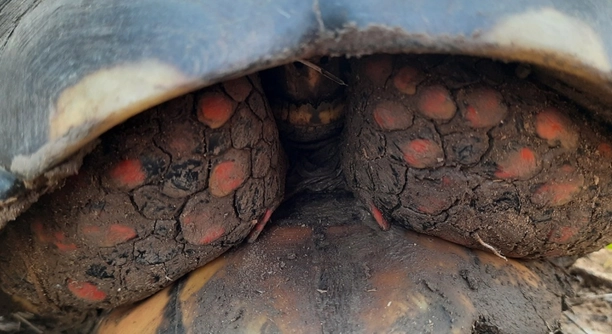
Red-footed tortoises are fascinating creatures, but if you’ve noticed yours sleeping more than usual, you might be wondering if it’s normal. Their sleep patterns can vary, and several factors may be influencing their rest habits.
Excessive sleeping in red-footed tortoises is often linked to environmental conditions, diet, or health issues. Factors such as temperature, lighting, or an imbalanced diet can cause them to sleep more, but it’s important to monitor their behavior closely.
A variety of factors can influence your tortoise’s sleep patterns. It’s helpful to understand what could be impacting its daily activity levels and how to ensure it stays healthy and active.
Temperature and Lighting
Temperature and lighting are essential factors for a red-footed tortoise’s well-being. If the environment is too cold or the lighting is insufficient, your tortoise might sleep more than usual. These reptiles are ectothermic, meaning they rely on external heat sources to regulate their body temperature. Without proper heat, they become sluggish and may spend more time resting.
A basking spot with a temperature of around 85–90°F is important, as this allows them to properly digest food and stay active. Without it, they may feel too cold and retreat into their shell. Similarly, they need access to UVB light to maintain good health. Without proper lighting, their natural behaviors, such as basking and moving around, are limited.
If your tortoise seems overly sleepy, consider adjusting the temperature and lighting in its habitat. Ensuring the right conditions will help prevent unnecessary inactivity and keep your pet active and healthy. A good rule of thumb is to regularly check these settings to match their needs.
Diet and Health Concerns
Diet plays a significant role in how active your tortoise is. A lack of proper nutrition can cause lethargy, making your tortoise sleep more. If they aren’t receiving the right balance of food, like fresh vegetables and occasional fruit, they may feel sluggish.
A poor diet can lead to vitamin deficiencies or digestive problems, which can make your tortoise tired. Overfeeding or underfeeding can also lead to inactivity. A healthy diet ensures that they have the energy they need to stay active. Be sure to avoid foods high in sugar or fat, as they can cause more harm than good. Regularly offering a variety of leafy greens, such as dandelion greens, will support your tortoise’s energy levels and overall health. If you suspect your tortoise’s lethargy is related to food, consult a vet for advice on how to adjust their meals.
Stress or Infections
Stress can also lead to increased sleep in red-footed tortoises. Changes in their environment, such as a noisy household or the presence of new animals, may make them feel insecure, causing them to withdraw and sleep more. Additionally, infections or parasites can cause fatigue.
If your tortoise shows other signs like lack of appetite, shell discoloration, or abnormal behavior, it may indicate an underlying health issue. In these cases, seeking veterinary care is essential. Tortoises are good at hiding their discomfort, so observing them closely for any behavioral changes is crucial for their well-being.
Habitat and Enclosure Size
Your red-footed tortoise may sleep more if its enclosure is too small or uncomfortable. A cramped space can cause stress, making them retreat into their shells more often. A spacious, enriched environment encourages exploration, which keeps your tortoise more active.
A proper enclosure should have plenty of room to roam and be equipped with hiding spots, water dishes, and areas for basking. If the enclosure is too small, your tortoise might feel confined and inactive. Red-footed tortoises also thrive in environments with varied terrain and hiding places to feel secure. Providing these features helps mimic their natural habitat and can reduce stress-related sleep.
Additionally, keeping the enclosure clean is important for your tortoise’s health. Dirty bedding or stagnant water can lead to infections or other health problems, making them more likely to stay inactive and rest more often. Ensure that the habitat is spacious, clean, and well-maintained to support your tortoise’s well-being.
Seasonal Changes
Red-footed tortoises, like many reptiles, can be more sluggish during certain times of the year. During colder months, they may sleep more to conserve energy, as they are sensitive to temperature changes. This is a natural behavior that can happen in the wild and should be considered when assessing their activity.
While some reptiles hibernate or brumate during cold periods, red-footed tortoises generally do not undergo full brumation. However, they may enter a state of dormancy where they become less active, particularly if the environment is too chilly. To help prevent this, make sure their basking area maintains proper warmth, and monitor the temperature to keep them comfortable.
If your tortoise becomes more lethargic during a specific season, it is likely due to the changes in temperature and light levels. Adjusting the environment to match their needs during seasonal transitions can help keep them more active and alert throughout the year.
Overfeeding or Improper Feeding
Overfeeding can lead to inactivity in red-footed tortoises. If they’re given too much food, especially high-calorie treats, they may become lethargic and sleep more often. It’s important to find the right balance in their diet.
Feeding your tortoise too much food can cause them to be sluggish. In the wild, they would not have unlimited access to food, and overfeeding can disrupt their natural behaviors. Stick to a feeding schedule with appropriate amounts of food, ensuring they get a mix of fresh vegetables and occasional fruit.
Age and Natural Behavior
As red-footed tortoises get older, they naturally tend to sleep more. It’s not unusual for older tortoises to become less active. This is part of the aging process and should be expected.
However, it’s essential to monitor any other health changes. While aging can make them sleep more, it’s important to rule out other factors like illness or poor living conditions. Keep a close eye on their diet, temperature, and environment to ensure they remain healthy in their later years.
Health Problems
Health issues are often a reason for excessive sleep in red-footed tortoises. Illness or injury can cause them to become inactive and sleep more than usual. If your tortoise is sleeping excessively, it could be a sign they are not feeling well.
Infections, parasites, or internal health problems can lead to lethargy. If your tortoise shows signs like loss of appetite, diarrhea, or unusual shell appearance, it’s important to seek veterinary care. Prompt attention can help address any potential health problems before they worsen.
FAQ
Why is my red-footed tortoise sleeping so much?
Excessive sleeping in red-footed tortoises can be due to several factors, such as temperature, lighting, diet, and health issues. If the enclosure is too cold or lacks sufficient lighting, your tortoise might be sleeping more to conserve energy. An improper diet can also contribute to lethargy. Ensure they are getting a balanced diet, the right temperature, and proper UVB light to stay active. If these conditions are met and the tortoise continues to sleep excessively, it could signal a health problem that requires veterinary attention.
How do I know if my tortoise is hibernating or just sleeping more?
Red-footed tortoises do not typically hibernate, but they can enter a state of dormancy when the temperatures drop too low. Unlike hibernation, which is a prolonged period of inactivity, dormancy is temporary. If your tortoise is simply sleeping more during cooler months, it could be a sign that the temperature in its environment is not ideal. Ensure the basking spot is warm enough and that there are no significant temperature drops. If your tortoise is not responding to warmth or food, it may be more than just dormancy, and you should check for any signs of illness.
Is my tortoise sick if it’s sleeping all day?
Excessive sleeping can indicate illness, but it’s not always the case. Before assuming your tortoise is sick, check its environment. If the temperature and lighting are appropriate, and the diet is balanced, your tortoise might be experiencing normal sleep patterns. However, if you notice other symptoms like loss of appetite, discharge from the eyes or nose, or a change in behavior, it’s a good idea to consult a veterinarian. Tortoises are skilled at hiding illness, so it’s important to be aware of any changes in their usual habits.
What should I do if my tortoise sleeps too much during the winter?
If your red-footed tortoise is sleeping more in the winter, it’s likely a response to the cooler temperatures. While they don’t hibernate, they do become less active when it’s cold. To address this, ensure that their basking area is around 85-90°F and that they have access to UVB light. The temperature should not drop below 70°F during the day, as this could cause them to become sluggish. You can also adjust the lighting to simulate a more consistent day-night cycle. Make sure your tortoise is eating regularly and isn’t showing signs of illness.
Can a red-footed tortoise sleep too much?
Yes, a red-footed tortoise can sleep too much if it’s experiencing an environmental issue, health problem, or stress. If your tortoise is sleeping for long periods even when the temperature and lighting are correct, there could be an underlying issue. It’s important to check for signs of discomfort, injury, or illness. If your tortoise is still lethargic after adjusting the environment and diet, you should seek veterinary care to rule out infections or other health concerns. Regular observation will help you detect any unusual behavior early.
How often should a red-footed tortoise be fed?
A red-footed tortoise should be fed every day, but the amount will vary depending on their age, size, and activity level. A typical diet consists of leafy greens, vegetables, and some fruit, with a focus on variety and balance. Young tortoises may need to eat more frequently than adults, while adult tortoises can eat once a day. Be careful not to overfeed, especially with high-calorie foods, as this can lead to obesity and inactivity. Providing a consistent feeding schedule will help maintain their health and energy levels.
What temperature should I keep my tortoise’s enclosure at?
The temperature in your tortoise’s enclosure is crucial for its activity level. During the day, the basking area should be kept at 85-90°F, with a cooler area around 75°F. At night, temperatures can drop to around 70°F, but they should not fall below that. If the enclosure is too cold, your tortoise will likely sleep more to conserve energy. It’s also essential to provide a temperature gradient so your tortoise can regulate its body temperature. Make sure you’re using a thermometer to check the temperatures regularly.
Can my tortoise be too hot?
Yes, it’s possible for a tortoise to become too hot. The basking area should not exceed 95°F, as temperatures above this range can cause overheating. If your tortoise shows signs of distress, such as panting or staying in the cooler areas of its enclosure, it might be too hot. Overheating can lead to dehydration, stress, and other health issues. Always monitor your tortoise’s behavior and adjust the heating elements in its enclosure to avoid extreme temperatures.
How can I tell if my tortoise is stressed?
Stress can cause a tortoise to become more lethargic, sleep more, or exhibit unusual behaviors. Signs of stress in red-footed tortoises can include hiding, excessive sleeping, loss of appetite, or a change in their activity levels. Stress can be caused by several factors, including a noisy environment, sudden changes in habitat, overcrowding, or an incompatible tank mate. To reduce stress, ensure your tortoise has a quiet, secure space with a proper temperature and adequate room to roam.
Is it normal for a tortoise to sleep in its shell?
Yes, it is normal for a tortoise to sleep in its shell. The shell provides a safe, secure space for them to rest and retreat when they feel threatened or tired. However, if your tortoise is staying in its shell for long periods, especially during the day when it should be more active, it could be a sign that something is wrong. Check for signs of illness, stress, or poor environmental conditions. A healthy tortoise will typically emerge from its shell to bask or explore its enclosure during the day.
Final Thoughts
Red-footed tortoises are generally hardy and low-maintenance pets, but they do have specific needs that must be met for them to stay healthy and active. Sleeping a lot is not always a cause for concern, but it is important to monitor their behavior and environment. If your tortoise is sleeping more than usual, it may be a sign that something isn’t right. Factors like temperature, lighting, diet, and stress can all impact how much your tortoise sleeps. A small adjustment in any of these areas might make a big difference in their activity levels.
It’s crucial to maintain the right temperature and provide UVB lighting, as both are essential for their overall health. Red-footed tortoises are cold-blooded animals, meaning they rely on external heat sources to regulate their body temperature. Without proper warmth, they can become sluggish and sleep more. If their diet isn’t balanced or if they’re not getting enough nutrients, this could also lead to more sleep and less activity. Regularly checking on their health, making sure they’re eating the right foods, and ensuring their habitat is comfortable will help prevent excessive sleeping caused by environmental or dietary issues.
In some cases, sleeping too much can indicate a health issue, such as an infection or parasites. If you notice other changes, like a lack of appetite or changes in behavior, it’s time to consult with a veterinarian. Tortoises tend to hide their symptoms, so early detection is key to addressing any potential health problems. By understanding their needs and paying attention to any signs of distress, you can provide a better, more comfortable environment for your tortoise. Keeping their habitat well-maintained and their diet balanced will help them stay active and healthy for years to come.

Hello,
If you enjoy the content that we create, please consider saying a "Thank You!" by leaving a tip.
Every little bit helps us continue crafting quality advice that supports the health, happiness, and well-being of pets around the world, for pets of all shapes, sizes, and species.
We really appreciate the kindness and support that you show us!