
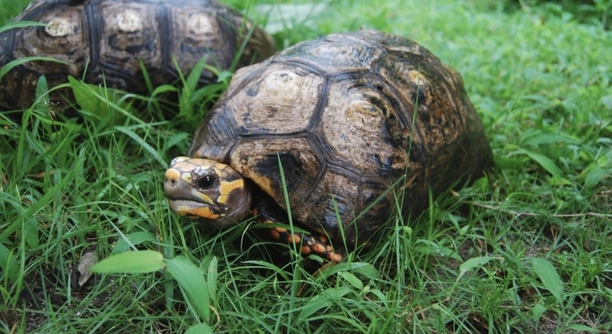
If your red-footed tortoise has been acting lethargic, it might be a sign of something more than just a lazy day. Tortoises, like any pet, require special care to stay healthy and active.
Lethargy in red-footed tortoises is often linked to environmental factors, such as improper temperature or humidity. Stress, illness, or dietary imbalances may also contribute to a lack of energy. Identifying the root cause requires careful observation of their habitat and behavior.
Understanding what’s affecting your tortoise can help bring them back to their energetic self. Let’s explore the potential causes and solutions to help your pet thrive.
Temperature and Humidity: Key Factors to Consider
If the temperature or humidity in your tortoise’s environment isn’t just right, it can affect their energy levels. Red-footed tortoises require a warm and humid environment to stay healthy. These conditions help regulate their metabolism and ensure proper digestion. When the temperature is too low, or the humidity is off, it can cause your tortoise to become sluggish. Make sure their habitat is kept within the recommended range, with a temperature of 80-85°F during the day and 70-75°F at night. You can monitor humidity levels by spraying water into their enclosure or using a humidity gauge.
Creating a stable and comfortable environment is crucial for your tortoise’s well-being. The right balance of heat and moisture ensures your pet remains active and healthy.
The best way to provide a proper environment is by investing in a quality thermometer and humidity gauge. Keeping track of these factors will help your red-footed tortoise stay comfortable and energetic, so they won’t show signs of lethargy.
Diet and Nutrition
A poorly balanced diet can cause lethargy in your red-footed tortoise. These tortoises thrive on a diet rich in fresh vegetables, fruits, and a small amount of animal protein. Offering a variety of leafy greens, such as collard greens or dandelion greens, is essential for maintaining their energy levels. Overfeeding fruits or feeding too many high-protein items, like meat, can throw off their digestion. When this happens, they might not have the energy to stay active.
Keep an eye on their diet and ensure they are eating a good mix of nutrients. Dehydration can also play a role, so always provide access to fresh, clean water. Make sure your tortoise has a calcium supplement if they aren’t getting enough from their food.
A balanced diet plays a vital role in maintaining your tortoise’s health. By offering a variety of foods and keeping a close watch on their hydration, you will help them avoid feeling lethargic.
Stress and Environmental Changes
Stress can easily make your red-footed tortoise feel lethargic. Moving their enclosure, new pets in the home, or even loud noises can cause distress. When a tortoise feels stressed, it may hide or avoid moving. This is their way of coping with changes in their environment.
Take note of any recent changes that could be affecting your tortoise’s stress levels. Tortoises are creatures of habit and prefer stability in their surroundings. Ensuring a peaceful, quiet space for them to retreat to can help reduce their anxiety.
Consistency in their environment is essential. By minimizing disruptions and keeping their space calm, your tortoise will be less likely to feel stressed. They will have more energy to roam and explore their habitat when they feel secure.
Health Concerns
Lethargy can sometimes be a sign of an underlying health issue. Red-footed tortoises can suffer from a variety of illnesses, such as respiratory infections or parasites, which can make them tired and inactive. If your tortoise is not eating, drinking, or moving much, it’s a good idea to visit a reptile vet for an evaluation.
Symptoms like nasal discharge, swollen eyes, or labored breathing should never be ignored. Regular check-ups will help detect any potential problems early, ensuring they get the treatment they need to recover. Tortoises may also slow down when dealing with infections or other conditions that compromise their immune system.
A proper diagnosis from a vet is crucial. Treating underlying health conditions will give your tortoise the best chance of returning to their active, healthy state. Taking prompt action when you notice unusual behavior can help ensure a quicker recovery.
Overfeeding or Underfeeding
Both overfeeding and underfeeding can contribute to lethargy in your tortoise. If they eat too much, it can cause digestion issues, making them feel sluggish. On the other hand, not providing enough food can leave them weak and tired. It’s important to provide a balanced diet in the right amounts.
Avoid overfeeding with high-fat foods or underfeeding with an insufficient variety of nutrients. Monitor the portion sizes to ensure your tortoise gets enough to stay healthy but not too much to overburden their digestive system.
Finding the right balance in their diet is key. Consistency in feeding will help prevent lethargy caused by either overfeeding or underfeeding.
Hydration
Lack of hydration can also make your red-footed tortoise feel lethargic. Tortoises need access to fresh water throughout the day. If your tortoise isn’t drinking enough, it can lead to dehydration, making them slow and inactive.
Sometimes tortoises don’t drink enough because they prefer to soak in a shallow water dish. You can help by offering a small container where your tortoise can comfortably sit and soak for hydration. This encourages natural drinking habits.
Proper hydration is essential to your tortoise’s well-being. Make sure water is readily available, and consider soaking them periodically to ensure they stay well-hydrated.
FAQ
Why is my red-footed tortoise not eating?
If your red-footed tortoise isn’t eating, it could be due to several factors. Environmental stress, improper temperature, or humidity levels can make your tortoise lose its appetite. Illness or a poor diet may also affect their eating habits. Ensure that their enclosure is in the right temperature range (80-85°F during the day and 70-75°F at night) and the humidity is around 60-80%. If the conditions are correct, but the tortoise still refuses to eat, it may be time to consult a vet. Health issues like respiratory infections or parasites can also cause loss of appetite.
Can I feed my tortoise fruits every day?
Fruits should only be offered to red-footed tortoises occasionally, as part of a balanced diet. Feeding them fruit every day can lead to an unbalanced diet that may cause digestive issues. Tortoises need more leafy greens and vegetables than fruits. Excessive sugar in fruit can also disrupt their digestive system. While fruits are nutritious, they should only be given as treats in moderation. Stick to a variety of leafy greens like collard or dandelion greens for the main part of their diet.
How often should I feed my red-footed tortoise?
The feeding frequency for red-footed tortoises depends on their age. Young tortoises should be fed daily, while adults can be fed every other day. However, the portions should be adjusted based on their size and activity level. Offer a variety of leafy greens, vegetables, and small amounts of fruit. Always monitor their weight and adjust feeding schedules to prevent overfeeding or underfeeding. Keeping a consistent feeding routine will help maintain their health.
How can I tell if my tortoise is sick?
A sick tortoise may show signs like lethargy, loss of appetite, swollen eyes, nasal discharge, or abnormal breathing sounds. If your red-footed tortoise is not active, appears weak, or has a change in its behavior, it may be a sign of illness. Check for other signs like mouth sores or discolored skin. If you notice any of these symptoms, it’s crucial to take your tortoise to a reptile vet immediately for diagnosis and treatment. Early intervention can help prevent the issue from worsening.
Can stress cause my tortoise to act lethargic?
Yes, stress is a common cause of lethargy in tortoises. Environmental changes, such as moving their enclosure, a loud household, or new pets, can cause stress. Tortoises are sensitive to their surroundings and may become inactive or hide when stressed. To reduce stress, keep their environment stable, quiet, and calm. Providing a hiding spot where they can feel secure will help them cope with any changes. If stress is the cause, they should return to their normal activity levels once the environment stabilizes.
What temperature should my tortoise’s enclosure be?
Red-footed tortoises need a warm environment to stay healthy. The daytime temperature in their enclosure should be between 80-85°F, with a nighttime temperature of 70-75°F. A heat lamp or basking spot should be provided to maintain these temperatures. Too much heat can cause dehydration, while too little heat can lead to lethargy and health issues. Always use a thermometer to monitor the temperature, ensuring it stays within the recommended range. A warm and consistent environment is crucial for your tortoise’s energy levels.
Is it normal for my tortoise to sleep a lot?
Tortoises are naturally less active during cooler weather or winter months, so it’s normal for them to sleep more during colder seasons. However, if your tortoise is sleeping more than usual during warm weather or is lethargic for extended periods, it could indicate an issue. Check the temperature and humidity levels in their enclosure to ensure they are not too low. Also, monitor their diet and hydration. If the lethargy persists, consider visiting a vet to rule out health problems.
What can I do if my tortoise is dehydrated?
If you suspect your tortoise is dehydrated, offering fresh water should be the first step. You can also soak your red-footed tortoise in shallow, lukewarm water for about 20 minutes to help rehydrate them. Regular access to clean water is essential to avoid dehydration. Keep a water dish available at all times, and consider misting the enclosure to maintain humidity. Dehydration can cause lethargy, so it’s important to keep your tortoise hydrated to maintain their energy levels.
How can I improve my tortoise’s diet?
To improve your red-footed tortoise’s diet, focus on offering a variety of leafy greens like collard greens, dandelion greens, and romaine lettuce. Add other vegetables such as squash, bell peppers, or carrots to provide nutrients. Limit fruits to occasional treats, as they are high in sugar. Offer occasional protein sources like boiled eggs or worms, but these should not make up the majority of their diet. Make sure the diet is calcium-rich, as it is vital for shell health. Providing variety ensures your tortoise gets the necessary nutrients for energy and growth.
Can my tortoise get too much sun?
Too much direct sunlight can cause your tortoise to overheat, leading to dehydration and stress. While they need sunlight for vitamin D3 production, it’s essential to provide some shade and a cool area in their enclosure. If you allow them outside, ensure they have access to shaded areas. Overexposure to the sun can cause heat stress, which will make your tortoise feel lethargic and unwell. Always monitor their temperature and provide a balance of sunlight and shade.
Final Thoughts
Lethargy in red-footed tortoises can be caused by several factors, and understanding these factors is crucial in ensuring their well-being. From environmental issues such as incorrect temperature and humidity to dietary concerns like overfeeding or underfeeding, every aspect of your tortoise’s care plays a role in its energy levels. It’s important to regularly check their enclosure conditions, feed them the right amount of balanced food, and ensure they have access to fresh water. A few simple adjustments can help improve your tortoise’s activity and overall health.
While occasional lethargy may be normal, especially during colder months, prolonged periods of inactivity or other signs like loss of appetite, swollen eyes, or nasal discharge require immediate attention. Early detection of issues like dehydration, stress, or illness can prevent more serious health problems. If you notice your tortoise acting lethargic for extended periods, it’s always a good idea to consult a reptile vet. Proper care and monitoring are essential in maintaining a healthy, active tortoise.
In the long run, maintaining a consistent and suitable environment, offering a varied diet, and staying aware of any changes in behavior will ensure your tortoise lives a long, healthy life. By providing the right conditions and being attentive to their needs, you can help your red-footed tortoise thrive and avoid unnecessary health issues. Regular care and observation will also strengthen your bond with your pet, making it easier to identify when something is wrong and act quickly.

Hello,
If you enjoy the content that we create, please consider saying a "Thank You!" by leaving a tip.
Every little bit helps us continue crafting quality advice that supports the health, happiness, and well-being of pets around the world, for pets of all shapes, sizes, and species.
We really appreciate the kindness and support that you show us!