
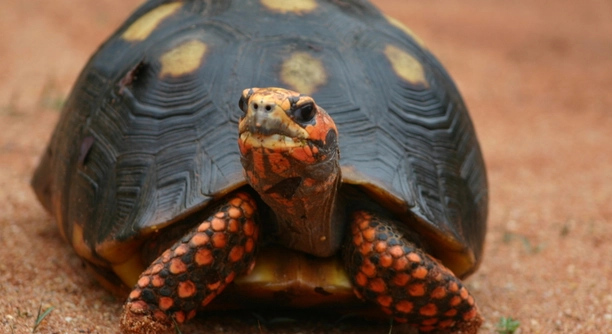
Red-footed tortoises are unique pets that enjoy a variety of activities to keep them healthy and happy. Knowing the right toys and activities can make a big difference in their well-being.
The best toys and activities for red-footed tortoises include items that engage their natural behaviors, such as digging, climbing, and foraging. Providing safe enrichment items, like edible plants, toys to explore, and climbing structures, can support their mental and physical health.
From creative foraging ideas to safe climbing spots, these activities will help your tortoise stay active and content. Keep reading for suggestions that will keep your red-footed tortoise entertained and healthy.
Safe Foraging Ideas for Red-Footed Tortoises
Foraging is a natural activity for red-footed tortoises. It keeps them mentally sharp and active. You can provide them with safe, edible plants like dandelion greens, clover, and hibiscus flowers. These plants mimic what they would naturally forage in the wild, which can make their habitat feel more natural and enjoyable.
Adding edible flowers and leafy greens encourages your tortoise to explore and hunt for food, stimulating their instincts. Avoid toxic plants, and always double-check what’s safe before introducing something new. To keep your tortoise engaged, mix different plants regularly to offer variety and prevent boredom. You can even hide the food around their enclosure to encourage them to search.
Another foraging idea is to offer them fruit in moderation. Some tortoises enjoy the occasional treat like papaya or melon. You can cut the fruit into pieces and scatter them in their habitat. This will keep your tortoise moving, searching, and engaged with their surroundings.
Climbing Structures and Hiding Spots
Tortoises need places to explore and hide.
Climbing structures and hiding spots give them opportunities for physical activity and a sense of security. You can build or purchase safe, low structures like ramps or platforms that your tortoise can climb onto. These types of activities help strengthen their muscles and keep them agile.
Red-footed tortoises are naturally curious, and providing them with multiple levels in their environment helps satisfy this need. You can place small logs, rocks, or wooden platforms in their enclosure, offering them different textures and obstacles to explore. As they climb, they get exercise and mental stimulation, improving both their well-being and quality of life.
If you’re using logs or branches, ensure they’re stable and not too steep to prevent injury. Hiding spots are also essential. Tortoises like to retreat into quiet spaces when they need rest or feel stressed. Creating small caves or adding hide boxes can give them a safe retreat.
Digging Opportunities for Red-Footed Tortoises
Red-footed tortoises naturally dig to explore and create burrows. Providing digging opportunities satisfies this instinct and gives them enrichment. You can add soil, sand, or coconut fiber to their enclosure to create a suitable digging area.
It’s important to offer different textures in the substrate to keep things interesting for your tortoise. You can also hide their food underneath the substrate to encourage them to dig for it. Not only does this stimulate their natural behaviors, but it also provides them with exercise and mental enrichment. The digging activity also prevents them from becoming bored in their enclosure.
Creating a digging area doesn’t have to be complicated. A simple corner filled with safe substrate will work perfectly. If you’re using sand, ensure it is non-toxic and appropriate for tortoises. This simple activity can keep them engaged and help keep their environment more natural and fulfilling.
Water Play for Red-Footed Tortoises
Tortoises need access to water for drinking and soaking.
A shallow water dish is essential in their enclosure. Red-footed tortoises often soak in water to regulate their body temperature and stay hydrated. A small, low water basin is perfect for this. It also provides them with a space to cool down during hot weather. Ensure the water is clean and changed regularly to avoid any health issues.
Some tortoises enjoy splashing in the water, which can add fun and variety to their day. You can create a little water area with small rocks or pebbles around the edge. This gives them more places to explore and splash around. If your tortoise enjoys the water, you can even set up a small, shallow pond in their outdoor enclosure, making sure it’s safe and easy to get in and out of. Just keep an eye on them, as some tortoises may become stressed by water that is too deep.
Tortoise-Safe Toys
Tortoise-safe toys can add extra stimulation to their environment. Items like soft plastic balls or tunnels encourage exploration. Always choose non-toxic, durable materials to ensure safety.
Plastic toys or small wooden items can keep your tortoise busy. Tortoises enjoy moving things around, and simple toys like a ball they can push or a hollow toy they can explore will give them something fun to do. Just be sure the toys are large enough that they can’t be swallowed or get stuck.
Sunbathing Spots for Red-Footed Tortoises
Red-footed tortoises enjoy basking in the sun.
A safe, sunny spot in their enclosure can help them regulate their body temperature and absorb necessary UVB rays. Setting up a dedicated basking area with a heat lamp ensures they get enough warmth, especially in cooler climates. Just make sure they have a cooler area to retreat to if they need it.
FAQ
What are the best toys for red-footed tortoises?
The best toys for red-footed tortoises are those that encourage natural behaviors. Items like small wooden logs, plastic balls, or tunnels are perfect. Avoid anything too small that might be swallowed, and always choose non-toxic materials. You can also provide toys that stimulate their curiosity, such as food-dispensing puzzles, where they have to figure out how to access treats. Changing up the toys regularly will keep them engaged. A simple cardboard box can also work as a hiding spot or something to push around, offering entertainment and mental stimulation.
Can I use natural plants as toys for my tortoise?
Yes, you can use natural plants as toys, but you must ensure they’re safe for your tortoise. Plants like dandelion greens, clover, and hibiscus flowers are excellent choices. These not only serve as a food source but also encourage foraging behavior. Avoid toxic plants like ivy, daffodils, or azaleas, as they can harm your tortoise. If you’re unsure, it’s best to research the specific plants in your area or ask an expert. Providing a variety of edible plants can keep your tortoise’s environment interesting while helping maintain their health.
How can I encourage my tortoise to climb?
Tortoises naturally climb and explore their environment. To encourage climbing, you can add safe structures like low platforms, rocks, or logs. Ensure these structures are stable and not too steep, as red-footed tortoises are not great climbers like some other species. Adding variety in the form of ramps or small hills will encourage your tortoise to climb and explore. It’s also a good idea to change the position of these items from time to time to keep their environment interesting. A climbing area adds exercise to their routine and helps with mental stimulation.
Is it necessary to provide a hiding spot for my tortoise?
Yes, hiding spots are essential for red-footed tortoises. In the wild, they often seek refuge to avoid predators or find a cool, shaded spot to rest. Providing a hiding area in their enclosure helps them feel secure and reduces stress. You can use small caves, large plant pots, or even simple cardboard boxes as hiding spots. Ensure they’re placed in quiet corners of the enclosure where your tortoise can feel safe. This behavior also helps your tortoise regulate its body temperature by allowing it to retreat when it gets too warm.
Can I give my tortoise toys made from wood?
Yes, wooden toys can be a great addition to your tortoise’s enclosure. You can use branches, logs, or untreated wooden blocks for them to explore and chew on. However, make sure the wood is safe and non-toxic, as some woods like cedar and pine can be harmful to reptiles. Oak, maple, and willow are better choices. Wooden toys allow your tortoise to satisfy their chewing needs and can also be used for climbing. Just be cautious that the wood is stable and won’t splinter easily.
How often should I change the toys in my tortoise’s enclosure?
Changing toys in your tortoise’s enclosure every few weeks is a good practice. This keeps their environment fresh and prevents boredom. You don’t have to completely rotate all the toys; you can swap out just one or two to offer variety. If you notice your tortoise losing interest in a toy, it’s a sign to try something new. Regularly changing toys will also encourage them to use their environment more actively, whether that’s for climbing, digging, or exploring.
Are water features safe for my red-footed tortoise?
Water features can be a great addition to your tortoise’s enclosure as long as they’re designed safely. A shallow water dish for soaking is essential for hydration and to help regulate body temperature. If you’re considering a small pond or water area, make sure it’s shallow enough for the tortoise to easily get in and out of. Tortoises can drown in water that’s too deep. Keep the water clean and fresh, and ensure the edges are not too slippery to prevent any accidents.
What types of plants are safe for my red-footed tortoise?
There are many safe plants for red-footed tortoises, but you should always ensure the plants are non-toxic. Good options include dandelion greens, clover, hibiscus flowers, and edible flowers like pansies. You can also provide safe grasses like timothy hay. Avoid ornamental plants and flowers that are often treated with chemicals. If you’re unsure about a plant, it’s best to do some research or consult an expert. A variety of plants will keep your tortoise engaged and mimic their natural environment, which is important for their mental and physical health.
How can I make my tortoise’s enclosure more interesting?
To make your tortoise’s enclosure more interesting, add items that encourage natural behaviors like climbing, digging, and foraging. Use a variety of materials, such as rocks, logs, and safe plants. Consider adding toys that require problem-solving, like food-dispensing puzzles or hiding food in different spots. A diverse and enriching environment will keep your tortoise active, engaged, and mentally stimulated. Regularly change the layout or rotate toys to offer something new. Giving your tortoise a well-rounded environment helps mimic their natural habitat, making their life more fulfilling.
Final Thoughts
Red-footed tortoises need both mental and physical stimulation to thrive in captivity. By providing the right toys and activities, you can help keep them active, healthy, and happy. Simple things like safe climbing structures, digging areas, and foraging opportunities can significantly improve their quality of life. Each tortoise has its own personality, so some may enjoy certain activities more than others. It’s important to observe their behavior and adjust their environment accordingly.
Their natural behaviors, like foraging, climbing, and hiding, should be encouraged whenever possible. Offering a variety of safe, edible plants, creating comfortable hiding spots, and adding different textures to their enclosure helps replicate their natural environment. Providing opportunities for your tortoise to exercise and explore will keep it physically fit and mentally engaged. The right toys and activities also help reduce stress and boredom, which are common problems for captive tortoises if they don’t have enough stimulation.
Remember that red-footed tortoises are slow-moving creatures that don’t require constant activity. However, incorporating activities into their routine can prevent obesity and other health issues. When setting up their environment, always prioritize their safety by choosing non-toxic materials and avoiding anything small enough to be swallowed. A little creativity can go a long way in creating a space that encourages natural behaviors and enriches your tortoise’s life. With the right care and attention, your tortoise will be able to live a long, happy, and healthy life in your care.

Hello,
If you enjoy the content that we create, please consider saying a "Thank You!" by leaving a tip.
Every little bit helps us continue crafting quality advice that supports the health, happiness, and well-being of pets around the world, for pets of all shapes, sizes, and species.
We really appreciate the kindness and support that you show us!