
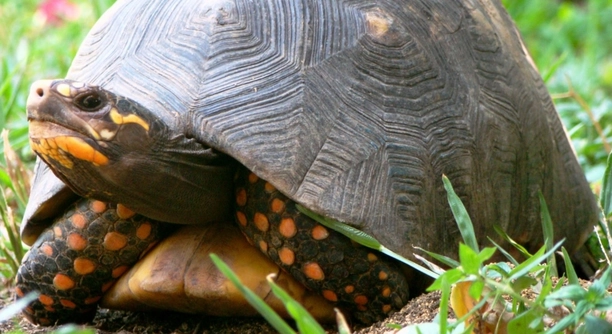
Red-footed tortoises are popular pets, but knowing what foods are safe for them can be tricky. Many pet owners wonder about offering fruit like cherries to their shelled companions. Let’s explore whether cherries are a good treat option.
Red-footed tortoises can eat cherries in moderation, but they should not be a regular part of their diet. Cherries are high in sugar, which can lead to health issues like obesity or digestive problems when overconsumed.
Cherries might seem like a tasty treat, but it’s important to know how much is safe for your tortoise. Continue reading to learn about the proper ways to incorporate cherries and other fruits into their diet.
Why Are Cherries Not Ideal for Red-Footed Tortoises?
Cherries can be a tempting treat for your red-footed tortoise, but they aren’t the best option. While cherries are not toxic to them, they are too sugary and can lead to long-term health problems. The high sugar content in cherries can disrupt your tortoise’s digestion and cause obesity if eaten too frequently. Since tortoises naturally eat a high-fiber diet that includes grasses, leaves, and flowers, their bodies aren’t well-equipped to handle the excess sugar found in cherries. Feeding them fruit too often could lead to weight gain and other health complications.
Though cherries are safe in small amounts, it’s best to limit how often you give them to your pet. Too much sugar can affect their balance of nutrients, and regular sugary treats could have a negative impact on their overall health. The best approach is to offer cherries occasionally as a treat, rather than as a regular snack.
In addition to the sugar content, the pits in cherries can pose a choking hazard to tortoises. While they aren’t likely to eat the pits on their own, it’s best to avoid offering them altogether or removing the pits before feeding. Removing the pit eliminates the risk of choking and gives you peace of mind.
What Fruits Are Safe for Red-Footed Tortoises?
When choosing fruits for your red-footed tortoise, it’s important to go for those with lower sugar content and high nutritional value. Fruits like papaya, mango, and berries can be given in small amounts. These fruits provide vitamins and fiber that benefit your tortoise’s health without the excessive sugar found in cherries. Make sure to always wash fruits thoroughly before serving them to ensure they’re free of pesticides or chemicals that could harm your tortoise.
However, even with safer fruits, moderation is key. A healthy diet for a red-footed tortoise consists mostly of vegetables, leafy greens, and grasses, with fruits being an occasional treat. Overfeeding fruit can throw off the balance of their diet, so it’s important to be mindful of how often fruits are included. You can provide them with a variety of vegetables such as collard greens, dandelion leaves, and squash, which will better meet their nutritional needs. A balanced diet will keep your tortoise healthy, strong, and energetic.
How Often Can You Feed Cherries to Red-Footed Tortoises?
Cherries should only be given to red-footed tortoises occasionally. If you decide to offer them as a treat, limit it to once a week or less. Too many cherries can upset their digestive system and lead to long-term health issues. Keep portion sizes small to avoid problems.
A good rule of thumb is to provide cherries in moderation, treating them as a special snack rather than a staple in their diet. Small amounts, once a week, are usually enough to enjoy the fruit’s benefits without overwhelming their digestive system. Cherries should never be a daily or frequent offering. This allows your tortoise to enjoy the treat while minimizing the risk of health problems. Make sure to remove the pit before feeding the fruit to prevent any choking hazards.
Additionally, remember that other fruits, like berries or melons, can be more suitable options for regular treats. These alternatives contain less sugar and offer more nutritional value to your tortoise. By rotating fruit options, you ensure that your tortoise enjoys a variety of flavors without risking overindulgence in sugar.
The Importance of a Balanced Diet for Red-Footed Tortoises
A balanced diet is key to maintaining a healthy red-footed tortoise. Their diet should be primarily composed of leafy greens, grasses, and vegetables, with fruits as occasional treats. Without the right balance, your tortoise could face obesity or digestive issues. The focus should be on providing high-fiber foods to support their digestive system.
Leafy greens like collard greens, mustard greens, and dandelion leaves are great staples. These greens help maintain a healthy gut and provide the necessary calcium for shell development. Supplementing their diet with safe vegetables, such as squash or carrots, adds variety and extra nutrients. By focusing on high-fiber foods, you help your tortoise avoid the complications that come from excessive fruit intake, like cherry overfeeding. Offering a well-rounded diet promotes healthy growth, proper shell development, and longevity.
Fruits, when offered sparingly, provide extra hydration and vitamins. However, the majority of their intake should come from vegetables and greens to ensure proper nutrition. Understanding the balance will help you keep your tortoise healthy and thriving.
Risks of Overfeeding Cherries to Red-Footed Tortoises
Overfeeding cherries can cause digestive issues in red-footed tortoises. The high sugar content may upset their stomach, leading to diarrhea or constipation. Excessive sugar intake can also contribute to weight gain, which may result in long-term health problems like heart disease or liver issues.
Feeding cherries too often can also disrupt the natural balance of their diet. Red-footed tortoises rely on a high-fiber, low-sugar diet for optimal health. If they consume too many sugary fruits, it can affect their digestive system and lead to obesity. It’s important to monitor their fruit intake to avoid these health risks.
How to Prepare Cherries for Red-Footed Tortoises
Before offering cherries to your tortoise, always remove the pit. The pit poses a choking hazard and could cause injury to their digestive tract. Washing the cherries thoroughly will also remove any pesticides or chemicals that could harm them. Cutting the cherries into smaller pieces is a safe practice.
This preparation ensures that your tortoise can enjoy the cherry safely. By removing the pit and washing the fruit, you eliminate potential risks. Always feed cherries in small, controlled amounts to ensure your tortoise enjoys the treat without any adverse effects on their health.
The Best Way to Introduce New Foods
When introducing cherries or any new food, start by offering a small piece to see how your tortoise reacts. Monitor for any changes in their behavior or health. Gradually increase the amount if they tolerate it well, but never overfeed. Introducing food slowly helps prevent digestive problems.
New foods should be incorporated into their diet cautiously. It’s important to pay attention to how they handle the food and make adjustments based on their reactions. This careful approach allows you to ensure that the new treat won’t negatively impact your tortoise’s health.
FAQ
Can red-footed tortoises eat cherries?
Yes, red-footed tortoises can eat cherries, but they should only have them in moderation. Cherries are not toxic, but their high sugar content makes them an occasional treat rather than a regular part of their diet. Too much sugar can lead to obesity or digestive issues.
How often can I feed my red-footed tortoise cherries?
Cherries should be fed sparingly. Offering cherries once a week, or even less, is sufficient. Too many sugary fruits can upset their digestive system and lead to long-term health problems. Always ensure that cherries are given in small amounts, along with other healthy foods.
Are cherries bad for red-footed tortoises?
Cherries aren’t inherently bad for red-footed tortoises but should be given cautiously. The high sugar content is the main concern. Feeding them too often can lead to weight gain, diabetes, or digestive problems. If given occasionally and in moderation, cherries can be part of a balanced diet.
What fruits are best for red-footed tortoises?
Fruits like papaya, mango, strawberries, and blueberries are better alternatives to cherries. These fruits have a lower sugar content and provide essential vitamins and antioxidants. They should still be offered in small amounts, as the bulk of a red-footed tortoise’s diet should consist of leafy greens and vegetables.
Can I feed my tortoise cherries with the pit?
No, you should not feed your tortoise cherries with the pit. The pit poses a choking hazard and can cause digestive problems or injury. Always remove the pit before offering cherries to your tortoise. Cutting the fruit into small, manageable pieces helps reduce any risks associated with it.
Are there any risks to feeding cherries to tortoises?
Yes, feeding cherries to red-footed tortoises too often can lead to health issues like obesity, diarrhea, and constipation. The high sugar content can also cause an imbalance in their diet, affecting their digestion and overall well-being. Overfeeding fruits can also cause dehydration, as they may not be eating enough water-rich vegetables.
How do I prepare cherries for my tortoise?
To prepare cherries for your tortoise, first wash them thoroughly to remove any pesticides. Then, remove the pit and cut the cherry into small pieces. This ensures your tortoise can safely enjoy the fruit without the risk of choking or injury. It’s best to remove the stem as well.
Can I feed my tortoise dried cherries?
Dried cherries should be avoided because they contain a much higher concentration of sugar compared to fresh cherries. The drying process concentrates the sugars, making the fruit even less suitable for your tortoise. Fresh fruit is always the better option when offering cherries or any other fruit.
What other foods should I avoid feeding my red-footed tortoise?
In addition to limiting high-sugar fruits like cherries, you should avoid feeding your tortoise processed foods, dairy, or high-fat items. Foods like iceberg lettuce, avocado, and onions are toxic to tortoises. Stick to fresh vegetables, leafy greens, and safe fruits for a healthy, balanced diet.
How can I tell if my tortoise has eaten too much fruit?
If your tortoise has eaten too much fruit, you may notice signs of digestive distress, such as diarrhea, bloating, or a lack of appetite. Their behavior may change as well. If these symptoms persist, it’s a good idea to reduce their fruit intake and consult a vet for advice.
Should I feed my tortoise fruits every day?
No, fruits should not be fed to your red-footed tortoise every day. While fruits provide hydration and some essential vitamins, they should only be an occasional treat. A daily diet consisting of mostly vegetables and leafy greens is crucial for your tortoise’s health and well-being.
Can red-footed tortoises eat cherry stems?
Cherry stems should also be avoided. While they may not be toxic, they are tough and difficult to digest. Your tortoise may struggle to chew or swallow them, which could lead to digestive issues. Always remove the stems before offering cherries or any other fruits to your tortoise.
What vegetables should I feed my red-footed tortoise?
Red-footed tortoises thrive on leafy greens such as collard greens, dandelion greens, and mustard greens. They also enjoy vegetables like squash, zucchini, and bell peppers. These foods provide essential vitamins and minerals without the risk of overloading them with sugar, like fruit can.
Can I feed my tortoise other types of berries?
Yes, red-footed tortoises can eat most berries, such as raspberries, strawberries, and blackberries. These fruits are lower in sugar compared to cherries and are full of antioxidants and nutrients. Like with other fruits, offer them in moderation and ensure they don’t make up a significant portion of the diet.
Are there any signs that cherries upset my tortoise’s stomach?
Signs that cherries have upset your tortoise’s stomach may include diarrhea, vomiting, or a lack of appetite. You may also notice that your tortoise is more lethargic than usual or isn’t moving around as much. If these signs occur, reduce their fruit intake and consult a vet if needed.
How do I know if I’m feeding my tortoise the right amount of fruit?
The right amount of fruit for your tortoise should be no more than 10-15% of their total diet. If you notice that your tortoise is gaining weight, experiencing digestive issues, or seems uninterested in their greens, it may be a sign that they are getting too much fruit.
Final Thoughts
Red-footed tortoises can enjoy cherries, but they should only be given in small amounts and not too often. While cherries are not toxic, their high sugar content can lead to digestive issues and other health problems if overfed. Moderation is key. It’s always best to offer cherries as an occasional treat rather than a regular part of their diet. When you do offer cherries, be sure to remove the pit and cut the fruit into small, manageable pieces to reduce any risk of choking or injury.
It’s important to remember that a healthy diet for a red-footed tortoise is based on leafy greens, vegetables, and grasses. Fruits, including cherries, should only make up a small portion of their overall food intake. Providing a variety of vegetables, such as dandelion greens, collard greens, and squash, will help ensure your tortoise gets the essential nutrients it needs. This balanced diet supports their digestive health, prevents obesity, and helps maintain a strong, healthy shell.
When introducing new foods like cherries, always monitor how your tortoise reacts. If you notice any signs of digestive issues or changes in behavior, reduce the fruit intake and consult a veterinarian. A well-balanced diet, along with occasional fruits, will ensure your red-footed tortoise lives a long and healthy life. Keep in mind that while cherries may seem like a delicious treat, they should be enjoyed in moderation to avoid any long-term health issues.

Hello,
If you enjoy the content that we create, please consider saying a "Thank You!" by leaving a tip.
Every little bit helps us continue crafting quality advice that supports the health, happiness, and well-being of pets around the world, for pets of all shapes, sizes, and species.
We really appreciate the kindness and support that you show us!