
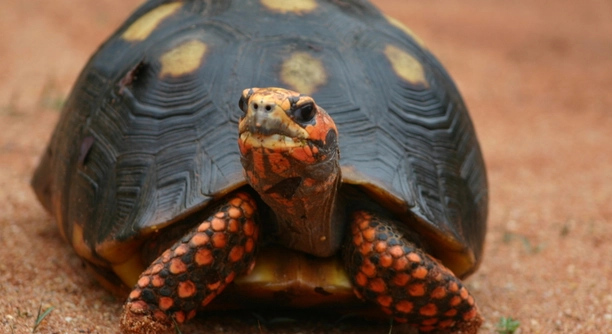
Red-footed tortoises are popular pets due to their calm nature and long lifespan. However, to ensure they thrive, it’s important to provide the right tank size as they grow. The size of their habitat plays a big role in their well-being.
For red-footed tortoises, tank sizes should be adjusted according to their age. Young tortoises need a smaller enclosure, while adult tortoises require much larger spaces. A proper tank size allows them to move around freely and stay healthy.
Choosing the best tank size for your tortoise is vital for their development. Providing the right space at every stage of life ensures their growth and comfort.
The Right Tank Size for Hatchlings
Red-footed tortoise hatchlings are tiny and need a smaller tank for comfort and security. Their enclosure should be around 20 gallons, allowing them enough room to move but also feel safe. At this age, they are still adjusting to their new home and need a space where they can find food, water, and a safe resting spot.
Their tank should have low sides so they can easily explore but also be small enough to keep them from feeling overwhelmed. It’s essential to focus on creating a warm, moist environment for these young tortoises, as they are sensitive to temperature changes. The substrate should be soft but absorbent, such as coconut coir, to keep the humidity levels right.
As they grow, you’ll want to gradually increase their space. Keeping their environment stable will help them settle in without stress. If their tank is too big too soon, they might struggle to adjust, which can affect their health and behavior.
Tank Size for Juvenile Red-Footed Tortoises
At around 6 to 12 months, juvenile red-footed tortoises need more space than hatchlings. A tank size of at least 40 gallons works best. This gives them enough room to explore, exercise, and grow.
As they continue growing, it’s important to provide enough space to keep them active and healthy. You can also start adding more features to their tank, like small rocks, hiding spots, and plants. These additions will help simulate a more natural environment and encourage exploration. This stage is key for their development, so giving them proper space can promote healthy habits and a stronger shell.
Regular cleaning and monitoring of humidity and temperature are essential during this time. Juvenile tortoises are still growing, and a stable environment will ensure they don’t experience stress. Make sure the tank is big enough for them to move around comfortably but not so large that they feel lost in the space. This balance will help them develop well during this stage.
Tank Size for Sub-Adult Red-Footed Tortoises
When a red-footed tortoise reaches 1 to 2 years old, they need a tank size of about 75 gallons. This larger space helps them stretch their legs and grow comfortably. It’s important to update the tank to accommodate their increasing size.
Sub-adults are still growing, but they are now more active and curious. A larger tank with more enrichment, like logs or plants, encourages them to explore and stay active. Make sure there’s enough space to move around, as this helps build their strength and supports proper shell development.
A spacious tank will also help with temperature and humidity regulation. A proper setup with a basking spot, heat gradient, and humidity control is key during this stage.
FAQ
What size tank do I need for an adult red-footed tortoise?
For an adult red-footed tortoise, a tank size of at least 100 gallons is recommended. Adult tortoises can grow up to 16 inches in length, so they need space to move around comfortably. A larger tank of 120-150 gallons will allow them more room for exploring and basking. Make sure the tank is long enough to give them plenty of space for their daily activities. You can also add additional features like rocks, hiding spots, and plants to create a more natural environment.
How often should I upgrade the tank size as my red-footed tortoise grows?
As your tortoise grows, you’ll need to upgrade its tank size approximately every 6 to 12 months. Hatchlings start in small tanks (around 20 gallons), but as they grow into juveniles and sub-adults, the size of the tank should increase to 40 gallons and 75 gallons, respectively. By the time they are adults, a 100-gallon tank is ideal, with some owners even opting for larger setups to give them more room. Keep track of their size and adjust the tank as necessary.
Can I keep multiple red-footed tortoises in the same tank?
It’s possible to keep more than one red-footed tortoise in the same tank, but you’ll need to consider their size and temperament. Red-footed tortoises are generally peaceful, but they can be territorial. If you choose to house multiple tortoises, make sure the tank is large enough to accommodate them comfortably. A 150-gallon tank or larger is recommended for two tortoises. Ensure each tortoise has access to its own food, water, and basking spot to prevent competition and stress.
Do I need a separate tank for baby and adult red-footed tortoises?
Yes, it’s a good idea to have separate tanks for baby and adult red-footed tortoises. Babies require a much smaller, warmer, and more humid environment, which can be difficult to achieve in a tank designed for an adult. Additionally, adults may not be as gentle with babies, leading to potential stress or injury. It’s best to house them in different enclosures suited to their size and specific care needs. As they grow, you can adjust the tank sizes accordingly.
How do I maintain the right humidity and temperature in the tank?
Maintaining the proper humidity and temperature is crucial for a red-footed tortoise’s health. For temperature, provide a basking spot around 90°F and a cooler area around 75°F. The overall temperature in the tank should range between 75-85°F. As for humidity, a level of 70-80% is ideal. Use a humidifier, mist the enclosure daily, or use a moisture-retentive substrate like coconut coir to keep the humidity high. A thermometer and hygrometer will help you monitor the conditions inside the tank to ensure your tortoise’s environment remains stable.
Do red-footed tortoises need a UVB light?
Yes, red-footed tortoises need UVB lighting to help them synthesize vitamin D3 and absorb calcium properly. Without UVB light, they may develop shell deformities and other health issues. A UVB light should be placed over the basking area in their tank, and it should be on for 10-12 hours per day. Be sure to replace the UVB bulb every 6-12 months, as the UVB rays degrade over time, even if the light still works.
What should I feed my red-footed tortoise?
Red-footed tortoises are omnivores, meaning their diet includes both plant and animal matter. They primarily eat leafy greens, fruits, and vegetables, such as dandelion greens, hibiscus flowers, mango, and papaya. You can also provide them with protein from insects, snails, or worms. It’s important to vary their diet to ensure they get all the necessary nutrients. Avoid feeding them too much fruit, as it can be high in sugar. Calcium and vitamin D3 supplements are also recommended to support their shell and bone health.
How long do red-footed tortoises live?
Red-footed tortoises can live for several decades, typically ranging from 40 to 60 years. With proper care, some may even live up to 80 years. Their long lifespan makes them a significant commitment. It’s important to provide them with a stable and comfortable environment throughout their life to ensure they remain healthy and happy for years to come.
What is the best substrate for red-footed tortoises?
The best substrate for red-footed tortoises is one that helps maintain humidity, is easy to clean, and is safe for them to dig in. Coconut coir, cypress mulch, or a mix of both are popular choices. These substrates retain moisture well and provide a natural environment for burrowing. Avoid using sand or gravel, as these can cause impaction if ingested. Make sure to keep the substrate clean and dry in spots, as damp conditions can encourage mold or bacteria growth.
Can red-footed tortoises swim?
Red-footed tortoises are not strong swimmers and should not be kept in a water tank. They enjoy soaking in shallow water to stay hydrated, but they should always have access to a shallow dish where they can safely drink and soak. It’s important to monitor their soaking time to ensure they don’t become stressed or overly saturated.
Final Thoughts
Choosing the right tank size for your red-footed tortoise is key to their health and well-being. From hatchlings to adults, each stage of growth requires different amounts of space. While a small tank is suitable for a baby tortoise, as they grow, they need more room to move around. Providing an environment that matches their size will encourage healthy behavior, reduce stress, and support their overall development. It’s essential to regularly adjust the tank size as they grow to prevent any health issues from arising due to a cramped or overly large space.
Remember, the right tank is not just about size but also about creating a comfortable and safe environment. Temperature, humidity, and lighting all play an important role in your tortoise’s well-being. A basking area with proper UVB lighting helps your tortoise maintain its calcium levels, while maintaining humidity is crucial for their skin and overall health. Make sure to monitor the tank conditions regularly to keep everything in balance. Even a minor issue with temperature or humidity can lead to health problems over time.
In addition to the physical setup, don’t forget that your red-footed tortoise needs mental stimulation. Providing a variety of enrichment options, like hiding spots, climbing logs, and plants, helps to keep them active and engaged. They enjoy exploring their space, so making sure they have enough room to do this is crucial. With proper care, your red-footed tortoise will thrive in a well-sized, well-maintained habitat, ensuring a long, healthy life for your pet.

Hello,
If you enjoy the content that we create, please consider saying a "Thank You!" by leaving a tip.
Every little bit helps us continue crafting quality advice that supports the health, happiness, and well-being of pets around the world, for pets of all shapes, sizes, and species.
We really appreciate the kindness and support that you show us!