
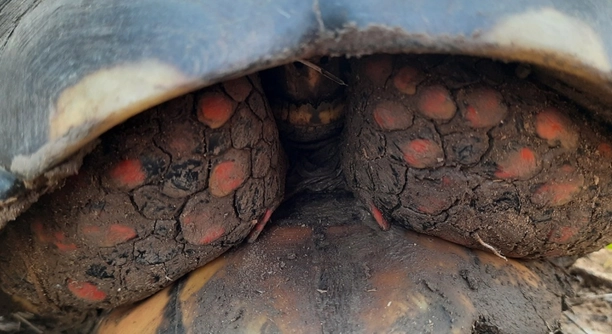
Is your red-footed tortoise constantly trying to dig, leaving you wondering what’s causing this behavior? Understanding why your pet engages in digging can help you provide the best care and ensure their well-being.
Red-footed tortoises dig primarily for thermoregulation, nesting, and seeking shelter. In the wild, they burrow to escape extreme temperatures, hide from predators, or create a suitable nesting spot. In captivity, they may dig due to instinct, stress, or unsuitable enclosure conditions.
Providing a proper habitat setup can reduce excessive digging while keeping your tortoise happy. From substrate choices to environmental enrichment, learning about their needs will help you create a comfortable space for them.
Reasons Your Red-Footed Tortoise Is Digging
Red-footed tortoises dig for several reasons, including temperature regulation, nesting, and seeking security. In the wild, they burrow to escape extreme heat or cold, ensuring they stay comfortable. Female tortoises also dig when they are preparing to lay eggs, even if they haven’t been with a male. Stress and boredom can also lead to excessive digging. If their enclosure lacks proper hiding spots or has unsuitable substrate, they may dig in search of a better resting area. Understanding these factors can help you determine if their digging is normal or a sign of an issue.
If your tortoise is digging frequently, check their environment first. A proper substrate depth, along with hiding spots, can make a big difference. Ensure their habitat is enriched with natural elements like logs, rocks, and plants to reduce stress. Providing the right conditions will help manage their digging behavior.
A tortoise that digs excessively might be signaling a problem with its habitat. If the enclosure is too dry, too exposed, or lacks the right substrate, they will instinctively try to fix it. Paying attention to these small details will ensure your tortoise stays comfortable and happy. Creating a setup that mimics their natural environment is key to meeting their needs.
How to Reduce Excessive Digging
The best way to minimize digging is by providing a well-balanced habitat. Start with a deep, loose substrate that allows natural burrowing without causing frustration. Coconut coir, cypress mulch, or soil mixed with sand can be good options. Ensure the enclosure has shaded areas and hiding spots to make them feel secure.
Red-footed tortoises need an environment that replicates their natural conditions. Maintaining a temperature range of 75–85°F with a basking spot around 90°F helps prevent temperature-related digging. Humidity should stay between 70–80% to keep their skin and shell healthy. Adding hiding places such as logs, overturned plant pots, or natural foliage gives them a sense of security, reducing the need to dig for shelter. If your tortoise is digging due to stress, reducing disturbances and keeping their enclosure in a quiet area can help. Offering enrichment, like varied terrain or occasional treats hidden in the substrate, can also keep them engaged. A properly maintained enclosure will significantly reduce unnecessary digging.
Creating the Right Substrate
A proper substrate helps satisfy your tortoise’s natural digging instincts while keeping them comfortable. A mix of coconut coir, cypress mulch, and organic topsoil works well. The substrate should be at least six inches deep to allow natural burrowing without exposing the bottom of the enclosure.
A dry or compact substrate can make digging difficult and cause stress. If the substrate is too loose and dusty, it may lead to respiratory issues. Keeping it slightly moist helps maintain humidity and allows for natural burrowing. Avoid using substrates like gravel, sand, or reptile carpet, as they can cause impaction or discomfort. Mixing different materials can create a soft, natural texture that supports digging behavior. Regularly checking for mold or bacteria growth is essential, as a dirty substrate can affect your tortoise’s health. Spot cleaning daily and replacing the substrate every few months keeps the enclosure fresh.
Some tortoises may prefer certain textures over others. Observing their behavior can help you adjust the substrate to their liking. If they constantly dig but seem unsatisfied, try adding more organic material or slightly adjusting the moisture level. Providing a section with deeper substrate in one area of the enclosure can also give them a designated space to burrow safely.
Signs Your Tortoise May Be Stressed
A stressed tortoise may dig excessively, pace the enclosure, or refuse food. If their environment isn’t meeting their needs, they will try to escape or show unusual behaviors. Identifying stress early can help prevent long-term health issues. Small changes in their habitat can often make a big difference.
An improper temperature or humidity level is a common cause of stress. If their enclosure is too dry, too hot, or too cold, they will instinctively try to dig for relief. Loud noises, frequent handling, or the presence of other pets can also make them feel unsafe. Lack of enrichment can lead to boredom, causing repetitive behaviors like excessive digging. If their enclosure is too small or lacks hiding places, they may feel exposed and stressed. Regularly monitoring their behavior and making necessary adjustments will ensure they feel secure in their space.
Providing a predictable routine, a quiet environment, and a properly maintained habitat can help reduce stress. If your tortoise continues to dig excessively despite a well-maintained enclosure, they may need more hiding spots or a slight change in their setup. Keeping their daily care consistent and minimizing disruptions will create a stable and comfortable space for them.
When Digging Becomes a Concern
If your tortoise digs excessively and seems restless, there may be an issue with their enclosure. Check if the temperature, humidity, and substrate depth are appropriate. An uncomfortable habitat can lead to stress, which may cause ongoing digging and other unusual behaviors.
Digging combined with loss of appetite, lethargy, or shell issues could signal a health problem. Dehydration, respiratory infections, or parasites can cause discomfort, making them more likely to dig. If adjustments to their environment don’t help, a visit to a reptile veterinarian may be necessary to rule out any medical conditions.
Seasonal Digging Behavior
Tortoises may dig more during certain seasons, especially when temperatures fluctuate. During colder months, they may instinctively try to burrow for warmth. In warmer seasons, they might dig to cool down or seek shelter from excessive heat. Female tortoises may also dig more during breeding season, even without fertilized eggs.
Should You Stop Your Tortoise From Digging?
Digging is a natural behavior, so stopping it completely isn’t necessary. Instead, focus on providing a habitat that allows safe digging while preventing excessive stress-related burrowing. Ensuring they have the right substrate, temperature, and hiding spots will keep them comfortable and prevent unnecessary digging.
FAQ
Why is my red-footed tortoise digging so much?
Digging is a natural behavior for red-footed tortoises. It helps them regulate their body temperature, create a safe space, and mimic behaviors they would do in the wild. In captivity, they may dig for comfort or to seek a cooler or warmer spot. If the habitat is too hot, cold, or dry, they may dig more. Stress from an inadequate environment can also contribute to excessive digging. Ensuring a proper substrate, temperature, and humidity can reduce this behavior.
Is it normal for my tortoise to dig all the time?
While digging is normal, constant or excessive digging can signal an underlying issue. Tortoises may dig more if their environment is uncomfortable. If they’re trying to escape, there may be an issue with the enclosure size, temperature, or humidity. If you notice other signs like loss of appetite or lethargy, it’s worth investigating their health. Regularly check for environmental problems and adjust their setup accordingly.
What should I do if my tortoise digs too much?
If your tortoise is digging excessively, start by checking their enclosure. Ensure the temperature and humidity are within the proper range and that the substrate is deep enough for burrowing. Provide hiding spots and enrich their environment with plants, logs, or rocks. If the behavior doesn’t improve, consider adjusting the layout or consulting with a reptile expert to rule out health issues. Keeping their habitat comfortable is key to reducing excessive digging.
Can digging be a sign of stress in tortoises?
Yes, stress is one of the most common reasons for excessive digging. Stress can come from various factors, such as overcrowding, lack of hiding spaces, temperature fluctuations, or a sudden change in the environment. Reducing disturbances, improving the enclosure, and maintaining a consistent routine can help ease the stress and prevent constant digging.
How deep should the substrate be for a red-footed tortoise?
The substrate should be at least 6 inches deep, but 8 to 12 inches is ideal for red-footed tortoises. This depth allows them to burrow naturally and provides enough room for thermoregulation. The substrate should be loose and moist to help them dig without causing discomfort. Too shallow or compact substrate can make it harder for them to dig and can cause stress.
Is my tortoise digging because it’s looking for food?
It’s unlikely that your tortoise is digging because it’s hungry. While tortoises may dig in search of food in the wild, in captivity, they usually do so to find a comfortable resting spot, regulate temperature, or lay eggs. If your tortoise is digging excessively and shows no interest in food, it’s more likely due to stress or an environmental factor.
Should I provide my tortoise with a nesting area?
Yes, female red-footed tortoises may dig to create a nesting site, even if they haven’t mated. It’s important to provide a safe, quiet area for them to lay eggs if needed. You can create a designated nesting spot with deep, soft substrate. Monitor for signs of egg-laying behavior and be prepared for potential egg production, even without a male in the enclosure.
Can I stop my tortoise from digging completely?
Stopping digging completely isn’t necessary or healthy for your tortoise. Digging is an instinctive and natural behavior that provides mental stimulation and physical activity. Instead of trying to prevent it, focus on making sure the environment is suitable for them to dig safely. Providing proper substrate, temperature control, and enrichment will allow them to dig in a healthy way.
How can I tell if my tortoise is digging because it’s trying to escape?
If your tortoise is digging near the walls of the enclosure or trying to climb over them, it may be trying to escape. This behavior is often linked to an uncomfortable habitat, such as a small space, poor temperature, or inadequate hiding spots. Ensure your tortoise has a spacious, well-designed habitat that addresses its needs. Adding barriers or increasing the enclosure size can help discourage escape attempts.
Is there a particular time of year when my tortoise will dig more?
Yes, tortoises may dig more during seasonal changes, especially when the weather fluctuates. In colder months, they might dig to stay warm, while in warmer months, they may dig to cool down. Female tortoises may dig more during breeding season as they prepare for egg-laying, even without a mate. Understanding their seasonal habits can help you better predict and manage their digging behavior.
Can I put my tortoise in a larger enclosure to reduce digging?
A larger enclosure can help reduce excessive digging, especially if the current space feels cramped or uncomfortable. Providing more space allows your tortoise to explore and move around freely, which can decrease stress and help control digging behavior. However, simply increasing the size may not be enough if other environmental factors like temperature, humidity, and substrate aren’t properly addressed.
How do I know if my tortoise is digging due to health issues?
If your tortoise is digging excessively, it could be due to health issues such as dehydration, digestive problems, or a respiratory infection. Look for other signs like lethargy, loss of appetite, or irregular behavior. If digging is paired with these symptoms, a visit to the vet is recommended to rule out any underlying medical conditions. Regular health checks are important for preventing such issues.
What type of hiding spots should I provide for my tortoise?
Hiding spots are essential for reducing stress and preventing excessive digging. Use items like logs, caves, overturned pots, or plants to provide shaded, secure areas. Your tortoise should have access to a few different hiding places so they can choose a spot based on their mood or needs. Adding these to their enclosure can create a more natural and stress-free environment.
How often should I change the substrate in my tortoise’s enclosure?
Substrate should be changed every 2 to 3 months, depending on the size of the enclosure and how much your tortoise digs. Spot cleaning daily and replacing sections of the substrate can help keep it fresh. If you notice a buildup of waste, mold, or a bad odor, replace the substrate sooner. A clean, fresh substrate ensures your tortoise’s health and comfort.
Final Thoughts
Understanding why your red-footed tortoise digs can help you create a better environment for them. Digging is a natural behavior that can be linked to temperature regulation, nesting, or simply creating a comfortable space. In the wild, tortoises dig to protect themselves from extreme weather or to find shelter. In captivity, they may dig for similar reasons, or it could be a sign of stress if their habitat isn’t right. By observing your tortoise’s behavior and adjusting their environment accordingly, you can reduce unnecessary digging and ensure they feel secure and comfortable.
Creating the right setup for your tortoise is key. Providing a deep, loose substrate, the correct temperature, and humidity levels will allow them to dig safely. Offering a spacious enclosure with hiding spots and enrichment, like logs and rocks, will help mimic their natural habitat. It’s important to monitor your tortoise regularly to see if their digging behavior changes or if it becomes excessive. If you make the necessary adjustments to their environment and they continue digging or show signs of stress, it could indicate a health issue, and a visit to the vet may be needed.
In the end, digging is a normal, healthy part of tortoise behavior. Rather than trying to stop it completely, focus on creating an environment that supports their natural instincts. Providing a suitable habitat will not only reduce unwanted digging but also ensure your tortoise stays happy and healthy. Understanding their needs, such as substrate choice, temperature control, and offering a stress-free environment, will help keep your tortoise content while preventing health problems. With the right care and attention, you can enjoy watching your tortoise thrive in their home.

Hello,
If you enjoy the content that we create, please consider saying a "Thank You!" by leaving a tip.
Every little bit helps us continue crafting quality advice that supports the health, happiness, and well-being of pets around the world, for pets of all shapes, sizes, and species.
We really appreciate the kindness and support that you show us!