
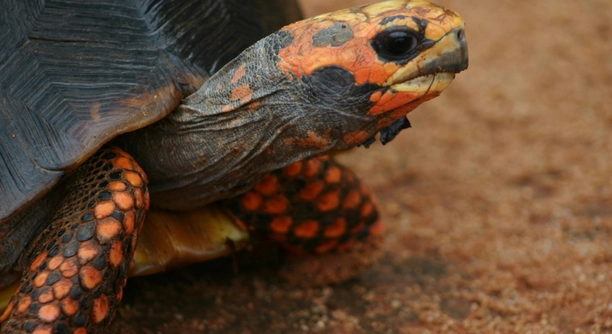
Red-footed tortoises are known for their varied diet, often consuming fruits, plants, and insects. However, not all foods are safe for them, especially beans. It’s important to know which foods are best for their health.
Red-footed tortoises should not eat beans regularly. Beans contain compounds that can cause digestive issues and lead to toxicity. The high protein content and lectins in beans can be harmful to their sensitive digestive system, resulting in illness.
Understanding the risks of feeding beans to your tortoise helps ensure they stay healthy and thrive. The right diet is crucial for their long-term well-being.
Why Beans Can Be Harmful to Red-Footed Tortoises
Beans are not naturally suited for red-footed tortoises. While they might enjoy the taste, beans can be difficult for them to digest. Beans contain lectins and certain proteins that can disrupt their digestive system, leading to potential health problems. Feeding them beans regularly can result in bloating, diarrhea, or more severe gastrointestinal distress. Additionally, beans can interfere with the absorption of other vital nutrients, causing malnutrition over time. Red-footed tortoises are best served with a diet that includes a variety of fruits, vegetables, and occasional protein sources like insects or small amounts of meat. These foods are easier to digest and provide the necessary vitamins and minerals to maintain a healthy life. It’s crucial to prioritize their well-being by offering only appropriate foods to avoid any unwanted complications.
Beans may not seem dangerous at first glance, but they can cause harm to your tortoise’s health. It’s always important to consider the risks before introducing unfamiliar foods to their diet.
Safe Alternatives for Your Red-Footed Tortoise
Fortunately, there are plenty of foods that are safe and healthy for your red-footed tortoise. Leafy greens like dandelion, collard greens, and mustard greens make excellent options. These greens provide essential vitamins and minerals that promote proper health. Additionally, fruits like strawberries, papaya, and mangoes can be offered in moderation. These fruits contain natural sugars that are enjoyable for your tortoise but should not make up the majority of their diet. It’s important to remember that variety is key to providing a well-rounded and balanced meal plan for your tortoise. You can also introduce occasional protein sources like earthworms or small insects. These offer necessary nutrients and can add excitement to their meals. Ensuring a healthy diet helps your tortoise remain active and vibrant, preventing any potential health issues.
Feeding a balanced diet will support your tortoise’s health and energy levels. Always aim for moderation and variety in their meals.
The Risks of Feeding Beans to Red-Footed Tortoises
Beans can lead to digestive problems for red-footed tortoises. The proteins and lectins present in beans may cause bloating, cramping, and even diarrhea. These issues can lead to a decrease in appetite and discomfort. It is important to avoid introducing beans to their diet to prevent any potential harm. Their digestive system is not built to handle these foods.
If beans are fed too often, the long-term effects can include malnutrition and other health issues. The proteins in beans can be difficult for your tortoise to process, leading to nutrient imbalances. To maintain their health, provide a diet of foods they can properly digest. Consider offering a mix of fruits, vegetables, and protein sources like insects to keep their digestive system running smoothly. This ensures they receive the right balance of nutrients without risking unnecessary harm.
The high fiber and protein content in beans are difficult for a tortoise’s digestive system to handle. Since they are not herbivores that can easily digest legumes, beans should be avoided at all costs. Offering them safe alternatives like leafy greens and non-toxic fruits will better support their well-being.
How to Maintain a Balanced Diet for Your Tortoise
Providing a balanced diet is key to ensuring your red-footed tortoise thrives. Focus on fresh vegetables like kale, turnip greens, and dandelion greens. These vegetables are high in essential vitamins and minerals that will support their immune system and promote healthy growth. It’s also a good idea to include some fruit in their diet, but always offer it in moderation to avoid excess sugar intake.
One of the most important aspects of maintaining a balanced diet is variety. Try rotating different types of fruits, vegetables, and proteins to keep meals interesting for your tortoise. Along with leafy greens and fruits, you can also introduce protein sources such as worms or crickets. This helps provide a well-rounded nutrition profile. Additionally, always ensure that fresh water is available to keep them hydrated, as it’s an essential part of their overall health. A consistent and varied diet will help your red-footed tortoise stay happy and healthy.
How Often Should You Feed Your Red-Footed Tortoise?
Red-footed tortoises should be fed a balanced meal every day. A consistent feeding schedule is important to ensure they receive adequate nutrition. It’s best to provide them with a variety of food options at each meal to keep their diet well-rounded.
Young tortoises require more frequent feedings, while adults may be fed every other day. Always monitor their weight and adjust their feeding schedule based on their individual needs. Overfeeding can lead to obesity and other health problems, so make sure to measure portions carefully and keep an eye on their overall health.
Signs of Digestive Problems in Tortoises
Tortoises that experience digestive issues may show several symptoms. If your tortoise isn’t eating as much, has diarrhea, or appears lethargic, there may be a problem. You might also notice swelling in their abdomen or irregular stool. These signs suggest that their digestive system is not functioning properly.
If you notice these symptoms, it’s important to consult a veterinarian as soon as possible. Prolonged digestive issues can cause severe health complications if not addressed promptly. Adjusting their diet and feeding routine may help, but professional guidance is necessary to ensure proper care.
How to Hydrate Your Red-Footed Tortoise
Hydration is crucial for red-footed tortoises. It’s important to provide fresh, clean water at all times. You can also soak your tortoise in lukewarm water for about 20 minutes a few times a week to ensure they stay hydrated.
Soaking helps prevent dehydration, especially during warmer months. Make sure to check their water dish daily, as it should always be accessible and clean. Dehydration can lead to serious health issues, so maintaining proper hydration is vital to their well-being. Always ensure your tortoise has the water they need for a healthy life.
FAQ
Can red-footed tortoises eat other types of beans?
No, beans in general are not recommended for red-footed tortoises. Beans, including kidney beans, black beans, and others, contain compounds that are difficult for them to digest. These compounds can cause gastrointestinal problems like bloating and diarrhea. To avoid potential health risks, it’s better to stick to foods that are easier for them to process, such as leafy greens and fruits.
Are beans toxic to red-footed tortoises?
While beans are not immediately toxic, they can be harmful in the long run. The proteins and lectins found in beans can interfere with the tortoise’s digestive system. These substances can cause discomfort, bloating, and malabsorption of nutrients, potentially leading to malnutrition or other health issues. It’s best to avoid beans altogether.
What foods should red-footed tortoises avoid?
Aside from beans, there are several foods that should be avoided. Tortoises should not eat foods high in oxalates, such as spinach and beet greens, as they can cause kidney problems. Similarly, dairy products and processed foods are not suitable for tortoises. These foods can lead to digestive distress and nutritional imbalances. Stick to natural foods like leafy greens, safe fruits, and a small amount of animal protein.
Can I feed my red-footed tortoise fruit?
Yes, fruit can be fed to red-footed tortoises, but it should be offered in moderation. Fruits like papaya, strawberries, and mangoes are suitable choices. However, too much fruit can lead to an imbalance in their diet due to the high sugar content. Always ensure that the majority of their diet consists of leafy greens and other vegetables.
How often should I feed my red-footed tortoise fruit?
Fruit should be given once or twice a week. Overfeeding fruit can cause digestive issues and lead to obesity. Focus on offering a variety of vegetables and greens every day, with fruits as a treat. This approach provides a balanced diet and prevents health issues from excess sugar.
Can I feed my red-footed tortoise meat?
Yes, red-footed tortoises can eat animal protein, but it should only be given occasionally. Small insects like crickets or earthworms are suitable sources of protein. Offering too much animal protein can cause nutritional imbalances, so keep it minimal. It’s best to focus on plant-based foods for their main diet.
How do I know if my red-footed tortoise is dehydrated?
Signs of dehydration in red-footed tortoises include sunken eyes, lethargy, and a dry or wrinkled skin appearance. If your tortoise is not drinking enough water, they may become sluggish and refuse food. Always provide fresh water and consider soaking your tortoise a few times a week to ensure they stay hydrated.
How often should I bathe my red-footed tortoise?
Soaking your tortoise in warm water a few times a week can help prevent dehydration, especially in dry environments. Aim for about 20-minute soaks every few days. Soaking also encourages urination, which can aid in proper digestion and help prevent kidney issues. Ensure that the water is not too hot, as this can cause stress.
Can red-footed tortoises eat lettuce?
Lettuce can be offered to red-footed tortoises, but it should not be a regular part of their diet. Iceberg lettuce, in particular, lacks nutrients and provides little benefit. Opt for darker greens like romaine lettuce, which contain more vitamins and minerals. However, lettuce should only be part of a larger, varied diet.
Can I feed my red-footed tortoise flowers?
Yes, certain flowers are safe and can be a great addition to your tortoise’s diet. Dandelion flowers, hibiscus, and nasturtiums are safe for red-footed tortoises. Avoid feeding them flowers from garden centers, as they may be treated with pesticides. Always ensure the flowers are pesticide-free and are non-toxic to tortoises.
What is the best habitat for a red-footed tortoise?
Red-footed tortoises thrive in warm, humid environments. Their habitat should include a spacious enclosure with access to both shaded and sunny areas. Provide a substrate like coconut coir or mulch that retains moisture. A humidity level of around 70% to 80% should be maintained, and a temperature range of 75°F to 85°F is ideal.
How do I know if my red-footed tortoise is sick?
Signs of illness in red-footed tortoises include lack of appetite, lethargy, runny nose, or wheezing. If your tortoise has difficulty walking or appears swollen, these are also signs of potential health issues. If any of these symptoms are present, it’s important to seek veterinary care to address any potential illness quickly.
Can red-footed tortoises live with other animals?
Red-footed tortoises are generally solitary animals and may not get along well with other species, especially those that are more aggressive. It’s best to house them alone or with other tortoises of the same species. If you are keeping them with other pets, ensure that their space is large enough and that no aggression occurs. Always monitor their interactions closely.
How long do red-footed tortoises live?
Red-footed tortoises can live for several decades with proper care. In the wild, they may live up to 50 years or more, while in captivity, they often live around 30-50 years. A balanced diet, a well-maintained habitat, and regular health checks will help ensure they live a long, healthy life.
What temperature should a red-footed tortoise’s enclosure be?
Red-footed tortoises prefer a warm environment with a temperature range between 75°F and 85°F. The basking area should be slightly warmer, around 90°F, to allow them to regulate their body temperature. Ensure that the cooler side of the enclosure is also available so your tortoise can move between different temperatures as needed.
Can red-footed tortoises climb?
Red-footed tortoises are not known for their climbing abilities. While they may attempt to climb small obstacles, they generally prefer flat, solid surfaces. It’s important to avoid placing anything in their enclosure that could cause injury or that they may try to climb over, leading to a potential fall.
Final Thoughts
When it comes to feeding red-footed tortoises, it’s important to be mindful of what foods are safe for them. Beans may seem like a harmless treat, but they are not a good option for these tortoises. Their digestive systems are not equipped to handle the compounds found in beans, which can lead to various health issues, including digestive distress. Stick to leafy greens, fruits, and vegetables that are easier on their system. By understanding their dietary needs, you can help keep your tortoise happy and healthy.
In addition to food, hydration and overall care play significant roles in maintaining the well-being of red-footed tortoises. Dehydration can be a major concern, so it’s essential to provide a constant supply of fresh water and even soak them occasionally. They also need an environment that replicates their natural habitat, with proper humidity levels and temperature ranges. Without the right conditions, they may become stressed or unwell. Proper habitat setup is key to their long-term health and should not be overlooked.
Finally, always pay attention to your tortoise’s behavior. If you notice any signs of illness, such as lack of appetite or lethargy, seek professional advice. Red-footed tortoises can live long lives when cared for properly, and a balanced diet, the right environment, and regular veterinary care can ensure they thrive. Avoiding harmful foods, such as beans, and providing a stable, nurturing environment is essential for their well-being.

Hello,
If you enjoy the content that we create, please consider saying a "Thank You!" by leaving a tip.
Every little bit helps us continue crafting quality advice that supports the health, happiness, and well-being of pets around the world, for pets of all shapes, sizes, and species.
We really appreciate the kindness and support that you show us!