
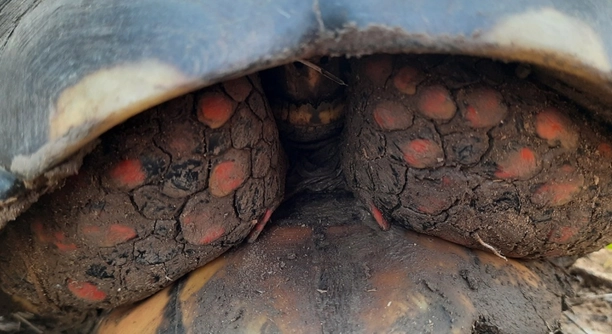
Is your red-footed tortoise looking a little too round lately? Overfeeding can lead to serious health issues, affecting mobility and overall well-being. Understanding the signs of overfeeding is essential to keeping your tortoise healthy and happy for years to come.
An overfed red-footed tortoise may develop pyramiding, excessive weight gain, and lethargy. Pyramiding causes raised, bumpy scutes on the shell, while excess weight can limit movement. Additionally, a tortoise that eats too much may become sluggish and less active throughout the day.
Feeding your tortoise properly is key to avoiding these issues. Learning about portion control, diet variety, and feeding frequency can help you maintain a balanced diet for your pet.
Signs Your Red-Footed Tortoise Is Overfed
An overfed tortoise may have thick, bulging skin around its legs and neck. This extra fat makes it harder for them to retract their limbs fully into their shell. If your tortoise struggles to move or seems sluggish, excess weight might be the reason. Pyramiding, which causes the scutes on the shell to become raised and uneven, is another sign of overfeeding. This condition is often linked to an improper diet high in protein or calories. Over time, an overweight tortoise may also experience joint pain and difficulty walking, affecting its overall quality of life. Monitoring their body shape and movement can help you determine if adjustments are needed in their feeding routine.
Weight gain happens gradually, so small changes might go unnoticed at first. Keeping an eye on their shape and activity level will help you catch signs of overfeeding early. Regular check-ups can also be helpful.
A red-footed tortoise that eats too much may become less active and more lethargic. They might spend more time resting instead of exploring their enclosure. Overeating can also lead to digestive problems, including bloating or irregular bowel movements. If you notice these signs, adjusting their diet can help restore their energy levels.
How to Adjust Their Diet
A balanced diet is essential for keeping your tortoise at a healthy weight. Red-footed tortoises thrive on a mix of leafy greens, fruits, and occasional protein sources. If you’ve been feeding too many fruits or high-calorie foods, reducing portions can help. Feeding on a schedule rather than offering food constantly will also prevent overeating.
Leafy greens like collard greens, dandelion greens, and hibiscus leaves should make up the majority of their diet. Fruits should be given in moderation, as too much sugar can lead to weight gain. Occasionally, they can have small amounts of protein like earthworms or cooked egg, but too much protein may cause pyramiding. Proper portion sizes depend on the tortoise’s age and activity level. Younger tortoises need more frequent feedings, while adults can go longer between meals.
Providing a varied diet while maintaining portion control will help prevent overfeeding. Keeping an eye on their weight and energy levels will ensure they stay healthy and active. Adjusting their diet as needed will support their long-term well-being.
Common Feeding Mistakes
Feeding too many fruits can lead to excessive sugar intake, causing weight gain and digestive issues. While red-footed tortoises enjoy fruits, they should only make up a small portion of their diet. Offering too many sugary foods can also make them less interested in eating leafy greens.
A lack of variety in their diet can also lead to health problems. Red-footed tortoises need a mix of greens, vegetables, and occasional protein. Relying too much on one type of food, like lettuce, can result in nutrient deficiencies. Iceberg lettuce, for example, lacks essential vitamins and provides little nutritional value. Instead, darker leafy greens such as mustard greens, collard greens, and dandelion leaves should be the main part of their meals. Adding different vegetables like squash, bell peppers, and carrots ensures they receive a range of nutrients. Balanced feeding keeps their shell strong and their body in good shape.
Overfeeding happens when portions are too large or meals are too frequent. Young tortoises eat more often, but adults should have a controlled schedule. Feeding an adult tortoise every day may lead to unnecessary weight gain. Instead, offering food every other day helps maintain a healthy balance. Watching their behavior and adjusting portions as needed can prevent overfeeding.
Healthy Feeding Practices
A proper feeding schedule helps regulate their weight and digestion. Adult red-footed tortoises should eat every other day, while younger ones may need daily feedings in smaller portions. Their diet should be mostly leafy greens, with occasional fruits and protein. Overfeeding, even with healthy foods, can still cause weight problems over time.
Fresh water should always be available. While red-footed tortoises get some hydration from their food, they still need a separate water source. Shallow dishes work best, allowing them to drink and soak without risk of drowning. Regular soaking also keeps them hydrated and supports digestion. If they show signs of dehydration, such as sunken eyes or dry skin, increasing their water intake may help.
Proper food presentation encourages better eating habits. Chopping greens and mixing different types of food together prevents them from picking out only their favorites. Offering food on a flat surface or a shallow dish helps mimic natural foraging behavior. Sticking to a balanced and varied diet ensures your tortoise stays active, healthy, and at an ideal weight.
Adjusting Portion Sizes
Smaller portions help prevent weight gain and promote better digestion. Instead of offering large meals, provide a balanced mix of greens, vegetables, and occasional fruits in controlled amounts. Monitoring how much your tortoise eats each feeding will help prevent excessive calorie intake and maintain a healthy weight.
Weighing your tortoise occasionally can help track changes in body condition. If their weight increases too quickly, reduce portions and limit high-calorie foods. Watching their activity levels also helps determine if they are eating the right amount. A sluggish tortoise may be eating too much and not moving enough.
Encouraging Natural Foraging
Spreading food around the enclosure encourages movement and natural foraging behaviors. This keeps your tortoise active and engaged while preventing overeating. Instead of placing food in one spot, scatter small amounts in different areas. This slows down feeding and mimics how they would search for food in the wild.
Final Thoughts
Keeping your red-footed tortoise at a healthy weight requires portion control, a balanced diet, and proper feeding habits. Paying attention to their activity level and body shape will help prevent overfeeding. Small adjustments in their diet and feeding routine can make a big difference in their overall health.
FAQ
How often should I feed my red-footed tortoise?
Young red-footed tortoises need food every day, while adults should be fed every other day. Overfeeding can lead to weight gain and health issues. Providing a consistent feeding schedule ensures they get the right nutrients without consuming excessive calories.
What are the best foods to feed my red-footed tortoise?
A mix of leafy greens, vegetables, fruits, and occasional protein is ideal. Dark leafy greens like collard greens, mustard greens, and dandelion leaves should make up most of their diet. Vegetables like bell peppers, squash, and carrots add variety. Fruits should be given sparingly, and small amounts of protein, such as worms or boiled eggs, can be included occasionally.
Can my tortoise eat fruit every day?
Fruits should be a small part of their diet, not a daily food. Red-footed tortoises enjoy fruits, but too much sugar can cause weight gain and digestive problems. Offering fruit once or twice a week is enough to provide variety without harming their health.
What are the signs that my tortoise is overweight?
Excess fat around the legs and neck, difficulty retracting into the shell, and reduced movement are common signs. A healthy tortoise should be active and able to move freely. If their shell appears too rounded or their limbs seem restricted, they may need dietary adjustments.
What should I do if my tortoise is overfed?
Reduce portion sizes, limit high-calorie foods, and adjust their feeding schedule. Encouraging more movement by spreading food around the enclosure or offering climbing opportunities can also help. Small changes over time will promote a healthier weight.
How can I encourage my tortoise to eat more greens?
Mixing different types of leafy greens and chopping them into smaller pieces can make them more appealing. You can also combine greens with small amounts of fruit to make them more enticing. Over time, reducing fruit while keeping a variety of greens will encourage better eating habits.
Can an overfed tortoise develop serious health problems?
Yes, overfeeding can lead to pyramiding, obesity, and mobility issues. Pyramiding causes raised scutes on the shell, while excess weight can put strain on their joints. If not addressed, these issues can affect their overall well-being and longevity.
How do I know if my tortoise is eating the right amount?
Observing their weight, activity level, and body condition will help. A healthy tortoise should have a smooth shell, be active, and retract into its shell without difficulty. If they seem sluggish, have trouble moving, or show excessive fat buildup, portion sizes may need to be adjusted.
Does my tortoise need a varied diet?
Yes, variety is essential for balanced nutrition. Relying too much on one type of food can lead to nutrient deficiencies. Offering different greens, vegetables, and occasional protein ensures they get all the necessary vitamins and minerals.
What is the best way to feed my tortoise?
Serving food on a flat surface or spreading it around the enclosure mimics natural foraging. This method prevents them from eating too quickly and encourages movement. Chopping food into small pieces also makes it easier for them to eat.
Should I be concerned if my tortoise refuses food?
A tortoise may occasionally skip a meal, which is normal. However, if they refuse food for several days, it could indicate stress, illness, or an issue with their diet. Checking their environment, adjusting food choices, and monitoring their behavior can help identify the cause.
Can red-footed tortoises eat too much protein?
Yes, too much protein can lead to pyramiding and shell deformities. While they can have occasional protein sources like worms or boiled eggs, it should not be a regular part of their diet. Sticking to mostly greens and vegetables ensures proper growth and shell development.
How does hydration affect my tortoise’s diet?
Proper hydration supports digestion and prevents constipation. While they get some water from food, they still need a separate water dish. Soaking them in shallow water a few times a week helps keep them hydrated and promotes healthy digestion.
Is it okay to give my tortoise commercial tortoise food?
Commercial tortoise food can be given occasionally but should not replace fresh greens and vegetables. Some brands provide balanced nutrition, but many contain fillers and excess protein. Using them as a supplement rather than a primary food source is the best approach.
Can an overweight tortoise lose weight?
Yes, reducing food intake and encouraging more movement can help an overweight tortoise return to a healthy weight. Adjusting their diet, removing excessive fruits and high-calorie foods, and ensuring they have space to roam will support gradual weight loss.
What if my tortoise begs for food?
Tortoises may act hungry even when they don’t need more food. Sticking to a feeding schedule and avoiding extra treats helps prevent overfeeding. If they constantly seem hungry, they might need more fiber-rich foods like dandelion greens or hibiscus leaves to keep them satisfied.
Should I track my tortoise’s weight?
Weighing your tortoise regularly can help monitor changes and catch early signs of overfeeding. A stable weight with steady growth in younger tortoises is a good sign. If their weight increases too quickly, adjustments in diet and portion size may be necessary.
Can feeding my tortoise at the wrong time affect digestion?
Yes, feeding them early in the day gives them time to digest food properly. Since tortoises rely on external heat to aid digestion, offering food when they are warm and active helps prevent bloating and sluggishness. Feeding too late in the day can slow digestion.
How can I make sure my tortoise stays healthy?
Providing a balanced diet, regulating portion sizes, and encouraging natural foraging will help maintain a healthy weight. Regular observation of their behavior, weight, and shell condition ensures they stay in good shape. Small adjustments in feeding can make a big difference in their long-term health.
Final Thoughts
Keeping your red-footed tortoise at a healthy weight requires careful attention to their diet, portion sizes, and activity levels. Overfeeding can lead to serious health issues, including obesity, pyramiding, and reduced mobility. By providing a balanced diet rich in leafy greens, vegetables, and occasional fruits or protein, you can prevent these problems. Feeding them on a proper schedule, rather than offering food too frequently, helps regulate their weight and ensures they receive the right nutrients. Watching for signs of overfeeding, such as excess fat around their legs or difficulty retracting into their shell, allows you to make adjustments before health issues develop. Small changes in their diet and feeding habits can significantly improve their overall well-being.
Encouraging natural foraging behaviors by spreading food around their enclosure helps prevent overeating and keeps them active. A tortoise that moves regularly is less likely to become overweight and will have better muscle strength. Offering different food textures and colors can also keep meals interesting, preventing them from becoming picky eaters. Hydration is another important factor in maintaining good health. While they get some water from their food, providing a separate water source and allowing regular soaking sessions ensures proper digestion and prevents dehydration. Observing your tortoise’s energy levels, weight, and shell condition over time helps you determine whether any changes are needed in their diet or lifestyle.
Every tortoise is different, and their dietary needs may change as they grow. Younger tortoises require more frequent meals for proper development, while adults benefit from a more controlled feeding schedule. Keeping track of their weight and adjusting portion sizes based on their activity levels will help prevent long-term health issues. A well-balanced diet, proper hydration, and enough space to move are key factors in maintaining their overall health. By being mindful of how much and what you feed them, you can ensure they live a long and healthy life. Making informed choices about their diet and observing their behavior closely will help you provide the best care possible.

Hello,
If you enjoy the content that we create, please consider saying a "Thank You!" by leaving a tip.
Every little bit helps us continue crafting quality advice that supports the health, happiness, and well-being of pets around the world, for pets of all shapes, sizes, and species.
We really appreciate the kindness and support that you show us!