
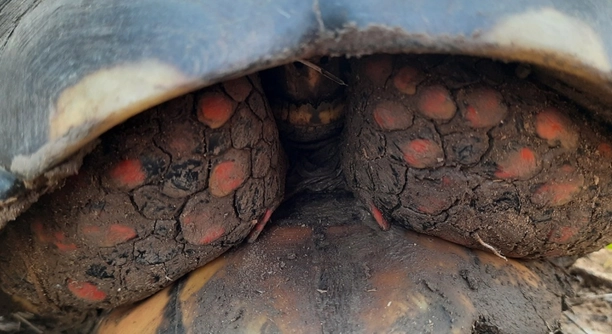
Red-footed tortoises are known for their diverse diet, but some foods can pose health risks. One such food is avocado, which contains compounds that can be harmful to them. Understanding these dangers is key to their well-being.
Red-footed tortoises should not eat avocado. Avocado contains a substance called persin, which can be toxic to them. Consuming avocado can cause heart problems, digestive issues, and even death in severe cases. Therefore, it is unsafe for tortoises.
The effects of feeding avocado to red-footed tortoises can be serious. Ensuring your tortoise’s diet is safe will help maintain its health and longevity.
Why Avocado is Dangerous for Red-Footed Tortoises
Avocados contain persin, a toxic compound that can affect the health of red-footed tortoises. Persin is harmful to many animals, and tortoises are no exception. Even small amounts can lead to serious health problems. Heart issues, breathing difficulties, and gastrointestinal distress are some of the dangerous effects that could result from consuming avocado. The pit and skin of the fruit are especially dangerous, as they contain higher concentrations of persin compared to the flesh.
It’s important to avoid feeding red-footed tortoises avocado, even in small quantities. Though it may seem like a harmless treat, it can have deadly consequences.
Red-footed tortoises thrive on a varied diet, but it should be free of harmful foods like avocado. Instead, offer them safe fruits and vegetables, such as leafy greens, squash, and berries. These foods are nutritious and support their overall health without the risk of toxicity. Keeping their diet simple and balanced helps avoid complications, allowing your tortoise to live a long, healthy life.
How to Keep Your Tortoise Safe
Making sure your red-footed tortoise stays safe from harmful foods means being mindful of what’s in their diet. Avoid high-fat fruits and those with toxic compounds.
By sticking to tortoise-safe foods, you can reduce health risks and keep your pet thriving. This simple practice will ensure their well-being and longevity.
Symptoms of Avocado Poisoning in Tortoises
Symptoms of avocado poisoning in red-footed tortoises include lethargy, loss of appetite, difficulty breathing, and swelling. These signs can develop shortly after consumption. If you notice any of these symptoms, it’s essential to act quickly.
If you suspect avocado poisoning, immediate veterinary attention is necessary. Tortoises may experience gastrointestinal distress, vomiting, and diarrhea. Swelling around the head or limbs is another sign of poisoning. The quicker the treatment, the better the chances of recovery. Always keep track of your tortoise’s behavior and ensure they’re not eating anything harmful.
In more severe cases, avocado toxicity can cause heart failure. This is especially dangerous if not treated immediately. The longer the tortoise goes without care, the higher the risk of permanent damage or death. Always be cautious about what your tortoise consumes to avoid these life-threatening complications.
Alternative Foods for Red-Footed Tortoises
To avoid poisoning, it’s best to stick to safe, nutritious foods. Red-footed tortoises enjoy a variety of vegetables and fruits.
Offer leafy greens like dandelion leaves, collard greens, or kale. They also enjoy fruits such as mango, papaya, and strawberries. These foods provide essential vitamins and nutrients that support their health. Providing a diverse diet is key to keeping your tortoise active and strong. Make sure to avoid foods that are high in oxalates or those that may upset their stomach. A balanced diet will promote a longer, healthier life for your tortoise.
How to Handle Avocado Poisoning in Tortoises
If your tortoise has eaten avocado, act quickly. Contact a veterinarian who specializes in reptiles immediately. They will assess the situation and recommend treatment based on how much the tortoise consumed.
The vet may administer fluids and medications to help flush the toxin from your tortoise’s system. In severe cases, hospitalization may be necessary for more intensive care. It’s essential to follow all the veterinarian’s instructions for recovery.
Long-Term Health Effects of Avocado Toxicity
In some cases, if poisoning isn’t treated promptly, long-term effects can occur. Tortoises may experience ongoing digestive problems, reduced appetite, or heart issues. These conditions could impact their quality of life.
Early intervention greatly reduces the chances of lasting damage. A proper diet and regular veterinary checkups can prevent long-term effects. However, tortoises that suffer from severe avocado poisoning may require continuous care and monitoring. Regular health checks are crucial for preventing complications.
FAQ
Can red-footed tortoises eat avocado safely?
No, red-footed tortoises should not eat avocado. It contains persin, which is toxic to them and can lead to serious health issues such as heart problems, digestive distress, and even death in severe cases. Always avoid feeding avocado to your tortoise to ensure its well-being.
What are the symptoms of avocado poisoning in tortoises?
If a tortoise consumes avocado, symptoms of poisoning can include lethargy, lack of appetite, breathing difficulties, vomiting, diarrhea, and swelling in the head or limbs. These signs should not be ignored. If you notice any of these symptoms, it’s crucial to seek immediate veterinary care.
How can I treat avocado poisoning in tortoises?
If you suspect your tortoise has ingested avocado, contact a veterinarian immediately. Treatment may include fluids to help flush out the toxin and medications to support recovery. In severe cases, your tortoise may need to be hospitalized for more intensive care.
Can avocado poisoning be fatal for red-footed tortoises?
Yes, if left untreated, avocado poisoning can be fatal. The effects on the heart, digestive system, and other organs can cause irreversible damage. The sooner the poisoning is addressed, the better the chances of a full recovery.
What are safe alternatives to avocado for red-footed tortoises?
Safe food alternatives for red-footed tortoises include leafy greens like dandelion leaves, collard greens, and kale. Fruits such as strawberries, mango, and papaya are also good options. These foods are nutritious and provide essential vitamins and minerals without the risks associated with avocado.
How can I tell if my tortoise is eating something harmful?
Tortoises are generally herbivores and will typically eat plants, fruits, and vegetables. However, it’s important to know which foods are safe and which are toxic. Always do research before introducing new foods. If your tortoise is acting strangely or showing symptoms like lethargy, it could indicate they ate something harmful.
How often should I feed my tortoise fruits and vegetables?
Red-footed tortoises should have a variety of fruits and vegetables available. Offer leafy greens daily and fruits a few times a week as a treat. Always ensure that the food is fresh and free of any toxic substances, and be sure to remove any uneaten food to prevent spoilage.
Are there any other foods toxic to red-footed tortoises?
Yes, there are several other foods that can be harmful to red-footed tortoises. These include onions, garlic, rhubarb, and high-oxalate foods like spinach and beet greens. Always research any new food before offering it to your tortoise and stick to safe options.
Can I feed my tortoise store-bought tortoise food?
Store-bought tortoise food can be convenient, but it should only be a supplement to a diet of fresh, natural foods. Many commercial tortoise foods are not nutritionally balanced, so it’s essential to provide a variety of fresh vegetables, fruits, and leafy greens. Always read the labels and choose high-quality options.
How can I ensure my tortoise stays healthy?
To ensure your red-footed tortoise stays healthy, provide a balanced diet of safe vegetables, fruits, and greens. Offer fresh water daily, and keep their habitat clean and safe. Regular veterinary checkups and monitoring for signs of illness or distress are also important for maintaining their health.
How much food should I be giving my red-footed tortoise?
The amount of food your tortoise needs depends on its size and age. Generally, they should be offered enough food to fill their stomachs, with fresh greens making up the majority of their diet. It’s better to provide food in smaller portions and allow them to eat until satisfied, rather than overfeeding.
Can I feed my tortoise lettuce?
Yes, but not all types of lettuce are suitable. Romaine lettuce is a good option as it’s low in oxalates and provides a healthy source of fiber. Iceberg lettuce should be avoided, as it has little nutritional value and can cause digestive issues in tortoises. Always feed lettuce in moderation.
What should I do if my tortoise refuses to eat?
If your tortoise refuses to eat, there could be various reasons, such as stress, illness, or improper habitat conditions. Ensure the temperature and humidity levels in their enclosure are correct. Offer a variety of fresh foods and monitor their behavior. If the issue persists, consult a veterinarian.
Is it safe to feed my tortoise flowers?
Some flowers are safe for tortoises, but others can be toxic. Safe flowers include dandelions, hibiscus, and nasturtiums. Avoid feeding flowers that have been treated with pesticides or chemicals. Always research the specific flowers before offering them to your tortoise to ensure they are safe.
How can I keep my tortoise’s enclosure clean?
Cleaning your tortoise’s enclosure is essential to prevent disease and bacteria buildup. Remove uneaten food daily, and clean the water dish regularly. Once a week, clean the entire enclosure using reptile-safe disinfectants, and replace the bedding as needed. Keeping the habitat clean promotes a healthy environment for your tortoise.
Can red-footed tortoises eat nuts or seeds?
It is not recommended to feed red-footed tortoises nuts or seeds. They are high in fats and can cause digestive issues. Some seeds can even be toxic to tortoises. Stick to fresh fruits, vegetables, and leafy greens to ensure your tortoise’s diet is well-balanced.
Final Thoughts
Red-footed tortoises are sensitive to certain foods, and avocado is one of the most dangerous items for them. While it may seem harmless, the toxins in avocado can cause serious health problems, including heart issues and digestive distress. It’s important to be aware of what foods are safe and which ones should be avoided to keep your tortoise healthy. Ensuring that you offer a balanced diet of safe fruits, vegetables, and leafy greens will help avoid unnecessary health risks.
If your tortoise has ingested avocado or any other toxic food, it’s essential to act quickly. Contacting a veterinarian who specializes in reptiles can make a significant difference in the treatment and recovery process. Symptoms of poisoning can appear rapidly, so early intervention is critical for the best outcome. If your tortoise is showing signs of illness, such as lethargy, swelling, or trouble breathing, it’s important to seek professional help immediately.
The key to keeping your tortoise safe is knowledge. By being informed about the foods that are harmful to them, you can avoid dangerous situations and ensure their well-being. Offering a variety of safe foods and maintaining proper care will help your tortoise live a long, healthy life. Regular vet check-ups and a well-maintained habitat are also vital aspects of their overall care. By staying vigilant and following the right guidelines, you can keep your tortoise happy and healthy for years to come.

Hello,
If you enjoy the content that we create, please consider saying a "Thank You!" by leaving a tip.
Every little bit helps us continue crafting quality advice that supports the health, happiness, and well-being of pets around the world, for pets of all shapes, sizes, and species.
We really appreciate the kindness and support that you show us!