
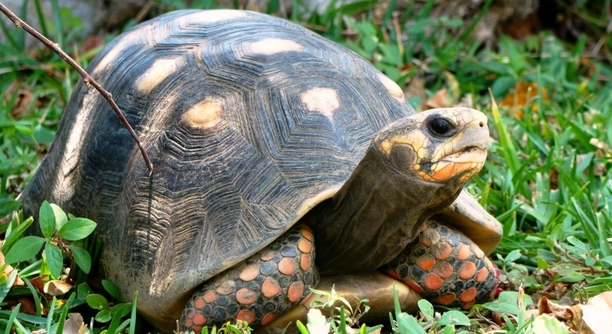
Is your red-footed tortoise showing signs of sluggishness or unusual behavior? Dehydration can be a serious issue for these reptiles, affecting their health and well-being. Recognizing the signs early is essential to keeping your pet happy and thriving.
The most common signs of dehydration in red-footed tortoises include sunken eyes, loss of appetite, lethargy, and dry or flaky skin. A dehydrated tortoise may also have thick, sticky saliva and reduced urination, indicating insufficient water intake and potential health risks.
Monitoring your tortoise’s hydration levels is crucial for its overall well-being. Learning how to identify dehydration and take corrective measures can help ensure your pet remains active, healthy, and properly hydrated.
Signs of Dehydration in Red-Footed Tortoises
A dehydrated red-footed tortoise may display several noticeable symptoms. Sunken eyes, dry skin, and a lack of energy are common indicators. You may also observe a decrease in appetite, thick saliva, or a reduced frequency of bowel movements. If the skin appears less elastic and takes longer to return to its normal position after being gently pinched, dehydration could be the cause. Another sign is dry, flaky scales, which can indicate prolonged lack of moisture. These signs should not be ignored, as dehydration can lead to severe health issues if left untreated.
Keeping an eye on your tortoise’s behavior and physical condition is key. If it seems sluggish, avoids food, or has trouble moving, hydration could be an issue. Recognizing these symptoms early can prevent serious complications.
Addressing dehydration promptly ensures your tortoise stays healthy. Proper hydration supports digestion, movement, and overall well-being, making it an important aspect of daily care.
Causes of Dehydration in Red-Footed Tortoises
A lack of clean, accessible water is a major cause of dehydration. If your tortoise’s water dish is too small or frequently empty, it may not get enough hydration. Low humidity levels can also contribute to moisture loss.
Red-footed tortoises need a humid environment to stay hydrated. If the enclosure is too dry, they may struggle to retain enough moisture. Poor diet can also play a role, as they rely on fresh fruits and leafy greens for hydration. High temperatures without adequate shade or water access can further increase the risk. In some cases, illness or stress can lead to reduced water intake.
To prevent dehydration, ensure your tortoise has constant access to fresh water. A shallow dish allows for easy drinking, while regular misting can help maintain humidity levels. Providing hydrating foods like cucumbers and melons also supports proper hydration. Keeping their enclosure well-maintained and monitoring their behavior will help maintain their health.
How to Prevent Dehydration in Red-Footed Tortoises
Providing a shallow water dish is essential. It should be large enough for drinking and soaking but not too deep to prevent drowning. Change the water daily to keep it fresh and clean. Regular misting and maintaining proper humidity levels will also help prevent moisture loss.
A diet rich in hydrating foods like cucumbers, melons, and leafy greens helps maintain hydration. Avoid feeding dry or processed foods, as they lack moisture. Spraying food with water before serving adds extra hydration. Monitoring your tortoise’s eating habits ensures it is getting enough moisture from its diet. A balanced intake of fresh foods and proper hydration supports digestion and overall health.
Humidity plays a key role in preventing dehydration. Keep levels between 70–80% using a hygrometer. Adding damp moss, misting the enclosure, and providing a humid hide can help maintain proper moisture. Avoid placing the enclosure in direct sunlight without shade.
What to Do If Your Tortoise Is Dehydrated
If your tortoise shows signs of dehydration, offer a shallow soak in lukewarm water for 15–20 minutes. This allows moisture to be absorbed through the skin and encourages drinking. Keep the water shallow to prevent stress and always supervise during soaking.
Increase hydration by offering water-rich foods and misting the tortoise’s body daily. Make sure fresh water is always available, and consider placing multiple water dishes around the enclosure. If dehydration is severe, adjust humidity levels immediately and provide a humid hide with damp moss to help restore moisture. Proper enclosure conditions are necessary for recovery.
If symptoms persist despite hydration efforts, consult a reptile veterinarian. Prolonged dehydration can lead to kidney issues and other complications. A vet can assess overall health and recommend further treatment. Early intervention prevents serious health risks and ensures your tortoise remains healthy and comfortable.
Best Hydrating Foods for Red-Footed Tortoises
Fresh fruits like watermelon, strawberries, and papaya provide essential hydration. These fruits contain high water content, making them a great addition to their diet. Feed them in moderation to avoid excessive sugar intake while ensuring your tortoise stays properly hydrated.
Leafy greens such as romaine lettuce, dandelion greens, and collard greens also help with hydration. These vegetables not only provide moisture but also supply essential nutrients. Avoid feeding iceberg lettuce, as it lacks nutritional value and does not offer the necessary benefits for overall health.
Importance of Proper Enclosure Conditions
A well-maintained enclosure plays a key role in hydration. Humidity levels should remain between 70–80% to prevent dehydration. Use a hygrometer to monitor conditions and mist the enclosure regularly. Providing a humid hide with damp moss allows your tortoise to regulate moisture and stay comfortable throughout the day.
Signs That Your Tortoise Needs Veterinary Care
If dehydration symptoms persist despite proper care, a vet visit is necessary. Signs like severe lethargy, sunken eyes, and refusal to eat indicate a serious issue. A reptile vet can assess hydration levels and provide necessary treatment to prevent further health complications.
FAQ
How often should I mist my red-footed tortoise’s enclosure?
You should mist the enclosure daily to maintain proper humidity levels. In drier climates, you may need to mist more frequently, especially during hot weather. The goal is to keep the humidity between 70-80%. Using a hygrometer will help you monitor conditions accurately.
Can I use a humidifier to help with hydration?
Yes, a humidifier can be a great tool to maintain consistent humidity levels. It’s especially useful if your home tends to be dry. Place it near the enclosure to add moisture to the air, but be careful not to make it too damp. Keep the humidity levels in the recommended range.
What is the best way to soak my tortoise?
To soak your tortoise, use lukewarm water in a shallow dish. The water should cover the lower half of the tortoise’s shell, but not be deep enough to cause stress or drowning. Soak for about 15-20 minutes and supervise the entire process. Soaking helps the tortoise absorb moisture through its skin.
Should I feed my tortoise more water-rich foods if it’s dehydrated?
Yes, when a tortoise is dehydrated, offering more water-rich foods like cucumbers, watermelon, or strawberries can help restore hydration. These foods provide not only hydration but also essential vitamins. However, balance it with other food groups to maintain nutritional variety.
What happens if a red-footed tortoise is dehydrated for too long?
Prolonged dehydration can lead to serious health issues, such as kidney damage, digestive problems, and even organ failure. It can also cause skin shedding, lethargy, and loss of appetite. Long-term dehydration can weaken the tortoise’s immune system, making it more susceptible to infections and other illnesses.
Can dehydration cause my tortoise to stop eating?
Yes, dehydration can lead to a loss of appetite in red-footed tortoises. When they are dehydrated, they may become lethargic and avoid food. Their digestive system slows down, making them less inclined to eat. Ensuring proper hydration will often help them regain their appetite.
Is it normal for my tortoise to drink water daily?
Yes, it is normal for a red-footed tortoise to drink water daily. However, the amount of water they drink may vary depending on their environment, diet, and health. Always ensure that fresh, clean water is available at all times. A tortoise may drink more if it is in a warmer environment or if it’s eating foods that are more hydrating.
How can I tell if my tortoise is drinking enough water?
If your tortoise is drinking regularly, it’s a good sign that it is staying hydrated. You can also check for signs of dehydration such as sunken eyes, lethargy, or dry, flaky skin. If these symptoms are not present and your tortoise is active and eating well, it’s likely drinking enough water.
Can I over-soak my tortoise?
While soaking is important, you should not soak your tortoise for too long, as it can cause stress. Over-soaking can also lead to skin issues, as prolonged exposure to water may cause the tortoise’s skin to become too soft. Limit soaking time to 15-20 minutes to avoid any negative effects.
What are some signs of over-hydration in a tortoise?
Over-hydration is less common but can happen if a tortoise is exposed to constant moisture without proper conditions. Signs of over-hydration can include excessive urination, swollen limbs, or a bloated appearance. If you notice these symptoms, adjust the humidity levels and avoid soaking the tortoise too often.
How can I improve my tortoise’s diet to prevent dehydration?
A diet rich in fresh, hydrating foods is essential to prevent dehydration. Leafy greens, fruits like watermelon and strawberries, and vegetables like squash or cucumber are excellent choices. Offer these foods regularly while maintaining a balance with other nutritional needs like protein. A proper diet supports hydration and overall health.
Can dehydration cause shell problems in tortoises?
Yes, dehydration can cause shell issues. A lack of proper hydration can lead to a dry, brittle shell. In severe cases, the shell may become weakened or develop cracks. Keeping your tortoise hydrated ensures that its shell remains strong and healthy.
Do I need to worry about dehydration during winter?
Yes, dehydration can still occur in winter if the humidity and water availability are not properly maintained. In colder months, tortoises may drink less, but they still need hydration. Ensure the enclosure remains moist, and offer hydrating foods to keep them properly hydrated during the winter.
What should I do if I can’t get my tortoise to drink water?
If your tortoise is refusing to drink water, start by offering it through soaking, as it can absorb moisture through the skin. You can also try offering water-rich foods like cucumbers or melons to increase hydration. If the problem persists, a veterinarian may be needed to check for underlying health issues.
How can I keep my tortoise hydrated during travel?
If you are traveling with your tortoise, ensure it has access to a water dish and mist the carrier to maintain humidity. You can also provide hydrating foods like fruits or veggies to support hydration during the journey. Make sure the carrier has enough space and ventilation for proper airflow.
How do I maintain hydration in a very dry climate?
In a dry climate, maintaining hydration can be more challenging. You’ll need to mist the enclosure more often and consider using a humidifier to keep the air moist. Adding damp moss or a water tray for soaking can help maintain moisture levels. You may also need to increase the amount of water-rich foods.
Final Thoughts
Keeping your red-footed tortoise well-hydrated is essential for its health and well-being. These tortoises rely on consistent access to fresh water, humidity, and water-rich foods to stay hydrated. Dehydration can lead to serious health issues, such as organ damage, loss of appetite, and digestive problems. It’s important to recognize the early signs of dehydration, like sunken eyes or dry skin, and act quickly to rehydrate your tortoise. The sooner you address dehydration, the better chance your tortoise has at a full recovery and avoiding long-term damage.
Preventing dehydration is about more than just providing water. Maintaining proper enclosure conditions plays a big role. A humidity level of 70-80% is necessary to prevent moisture loss from your tortoise’s skin and to help it absorb water. Misting the enclosure daily, adding a humid hide with damp moss, and keeping the water dish clean are simple steps to ensure your tortoise has the environment it needs to thrive. Offering a balanced diet with water-rich fruits, vegetables, and leafy greens also helps keep hydration levels up. Make sure you avoid dry or processed foods, as they do not support proper hydration.
Ultimately, your tortoise’s hydration needs depend on the environment, diet, and how closely you monitor its health. By making hydration a priority and paying attention to signs of dehydration, you’ll be able to prevent serious health problems. If you notice signs of severe dehydration that don’t improve with proper care, don’t hesitate to contact a veterinarian. Regular checks on your tortoise’s hydration and overall well-being will ensure that it lives a long, healthy life. Keeping your tortoise hydrated is not only about water but also about creating the right living conditions to promote its health.

Hello,
If you enjoy the content that we create, please consider saying a "Thank You!" by leaving a tip.
Every little bit helps us continue crafting quality advice that supports the health, happiness, and well-being of pets around the world, for pets of all shapes, sizes, and species.
We really appreciate the kindness and support that you show us!