
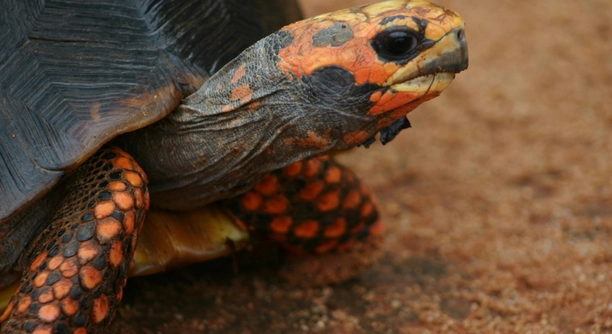
A red-footed tortoise’s enclosure can be a cozy and enriching environment with the right decorations. Choosing the best items for their habitat promotes comfort and stimulates natural behaviors, making it an important aspect of care.
The ideal tank decorations for a red-footed tortoise include sturdy hiding spots, water features, and safe plants. These elements help replicate their natural environment, allowing them to explore, hide, and thrive in a secure setting.
With the right decorations, your tortoise can enjoy a stimulating and safe space. Selecting the proper items will enhance their living conditions and promote overall well-being.
Hiding Spots for Privacy
Red-footed tortoises need places to feel safe and secure. In the wild, they spend a lot of time hiding under foliage or in burrows. Providing similar spaces in their enclosure helps them feel comfortable and reduces stress. These hiding spots allow them to retreat when feeling threatened, promoting their overall well-being. Use items like ceramic caves, half logs, or even overturned flower pots. Make sure the hiding spot is large enough for them to move around inside but snug enough to provide the comfort they seek. Avoid placing these spots in areas with too much foot traffic or bright lights.
Creating a quiet and shaded area ensures your tortoise has a private space to rest, reducing stress.
Adding a hiding spot is one of the simplest ways to improve your tortoise’s life. They instinctively seek out dark and quiet places, so an ideal hiding spot should reflect this. These spaces help mimic their natural habitat, offering a peaceful retreat that promotes relaxation.
Water Features for Hydration
A water feature is essential for red-footed tortoises, as they naturally live near water sources. A shallow, sturdy water dish or small pond encourages hydration and can serve as a place for them to bathe. Ensure that the water is clean and easily accessible. Tortoises tend to drink more when they have a proper water source.
Consider placing a water feature in a corner of the enclosure to keep it out of the way. Make sure it’s not too deep, as tortoises can struggle with deep water. Shallow pools or even a wide, shallow dish can be ideal for their needs.
Maintaining water quality is crucial for their health. Clean the water regularly, removing debris and changing it daily to avoid bacteria growth. Fresh water encourages your tortoise to drink and soak, both of which are important for its hydration and skin health.
Safe Plants for Grazing
Red-footed tortoises love to graze on various plants. Offering safe, edible plants adds variety to their diet and encourages natural foraging behavior. You can include a mix of leafy greens, dandelions, and flowers that are non-toxic and safe for tortoises.
Avoid plants that are harmful or poisonous to them, such as lilies or certain types of ivy. Research the plant types before adding them to your enclosure to ensure they are safe for your tortoise. You can plant them directly in the enclosure or use safe potted plants.
Adding plants also enhances the look of the enclosure. Not only does it encourage natural behaviors, but it also provides additional hiding spots and shaded areas. The plants should be non-toxic and free of pesticides to ensure they’re safe for your tortoise.
Natural Flooring for Comfort
Natural flooring, such as coconut husk, soil, or reptile-safe sand, provides a comfortable and familiar surface for your tortoise. It allows for digging and burrowing behavior, which helps satisfy their instincts. Always choose a material that can hold moisture but also dries out to prevent mold buildup.
Opt for a mix of materials, such as coconut fiber combined with a small amount of soil, to maintain both comfort and cleanliness. Ensure that the substrate is not too deep, as it can cause accidental burying. It should also be easy to clean and non-toxic.
UVB Lighting for Health
UVB lighting is essential for red-footed tortoises, as it helps them synthesize vitamin D3, which is crucial for calcium absorption. Without adequate UVB, they may develop health problems like shell deformities and metabolic bone disease. A reliable UVB light ensures that your tortoise can stay healthy and active.
UVB lights should be placed at an appropriate distance from your tortoise to provide effective coverage. These lights need to be replaced regularly, as their effectiveness decreases over time. Aim for 10-12 hours of light per day to mimic natural sunlight patterns.
Hiding Spaces for Extra Security
Hiding spaces offer your tortoise the security it needs. They instinctively seek out areas where they can retreat when they feel threatened or need rest. A small cave or log can provide these hiding spots, helping to reduce stress and support a balanced life.
FAQ
What are the best materials for a red-footed tortoise enclosure?
The best materials for an enclosure are natural substrates like coconut husk, soil, and sand. These materials provide comfort and allow for natural digging behaviors. Coconut husk is absorbent, helps maintain humidity, and is safe for your tortoise. Mixing soil with coconut husk can give it the right texture, but avoid using substrates with sharp particles or chemicals.
Can I use artificial plants in my tortoise’s enclosure?
Artificial plants can be used, but it’s important to ensure they are non-toxic and safe for your tortoise. They can add beauty to the enclosure and provide hiding spots. However, real plants offer the added benefit of contributing to a natural, enriching environment and encouraging foraging behavior.
How often should I clean my red-footed tortoise’s enclosure?
Cleaning your tortoise’s enclosure should be done at least once a week. This involves removing waste, replacing soiled bedding, and cleaning water dishes. If you notice any foul smell or excess moisture, clean more frequently. Spot clean daily to remove droppings and uneaten food.
Can I use tap water in my tortoise’s water dish?
Tap water can be used, but it’s best to dechlorinate it first. Chlorine and other chemicals in tap water can be harmful to your tortoise. Let the water sit for 24 hours to allow the chlorine to evaporate, or use a water conditioner to remove harmful substances.
What temperature should my red-footed tortoise’s enclosure be?
The ideal temperature for a red-footed tortoise’s enclosure is between 75-85°F (24-29°C). They need a warm basking spot with temperatures around 90°F (32°C). A heat lamp can help maintain this, but make sure the temperature gradient allows your tortoise to move between warmer and cooler areas.
Do I need a humidity source for my red-footed tortoise?
Yes, humidity is important. Red-footed tortoises thrive in a humid environment, so aim for a humidity level of 60-80%. You can use a humidity gauge to monitor the level and adjust by misting the enclosure or using a humidity box with damp sphagnum moss.
Can I keep multiple red-footed tortoises together?
Red-footed tortoises can be kept together, but it depends on their size, personality, and the size of the enclosure. They may be territorial, so it’s important to provide enough space for each tortoise to have its own hiding spots and basking areas. Monitor their behavior for any signs of aggression.
What do red-footed tortoises eat?
Red-footed tortoises are herbivores and should be fed a varied diet that includes leafy greens, flowers, and fruits. Offer a mix of collard greens, dandelions, hibiscus, and mango. Avoid feeding them high-oxalate foods like spinach, as it can interfere with calcium absorption.
Do I need to provide UVB light for my tortoise?
Yes, UVB light is crucial for red-footed tortoises. It helps them produce vitamin D3, which is necessary for calcium absorption and overall health. A UVB light should be placed in the enclosure and replaced every 6-12 months to ensure proper function.
How can I prevent my tortoise from becoming stressed?
To prevent stress, ensure your tortoise has a comfortable and secure environment. Provide hiding spots, a proper diet, and a clean, quiet space. Avoid excessive handling, and make sure they have access to both warmth and cooling areas. Stress can also be caused by sudden changes in their environment, so make transitions gradual.
Is it necessary to provide a basking area?
Yes, a basking area is important for your tortoise to regulate its body temperature. Provide a flat rock or log in a warm part of the enclosure with a heat lamp overhead. This allows your tortoise to bask in the warmth during the day, which helps in digestion and overall health.
Can red-footed tortoises climb?
Red-footed tortoises are not natural climbers, but they may attempt to climb over small obstacles. Keep the walls of their enclosure tall enough to prevent escape, especially if your tortoise is particularly curious. Avoid placing items in the enclosure that could tempt them to climb and potentially hurt themselves.
Do I need a filter for my tortoise’s water dish?
While a filter is not necessary for a water dish, it can be helpful if you have a larger water feature or pond in the enclosure. A filter can keep the water clean and free of debris, reducing the need for constant water changes. If using a filter, make sure it is safe and suitable for the size of the water area.
Can I feed my tortoise commercial tortoise food?
Commercial tortoise food can be used occasionally, but it should not be the primary part of their diet. Fresh fruits, vegetables, and edible plants are far better for their nutrition. Commercial foods often lack the variety and nutrients that your tortoise needs to thrive, so use them as a supplement.
How do I handle my red-footed tortoise?
Handling should be kept to a minimum. Red-footed tortoises are not typically fond of being handled, so it’s best to let them come to you. If you need to handle your tortoise, be gentle and avoid grabbing them by the shell. Always support their body properly and avoid dropping them.
Why is my tortoise not eating?
There are several reasons a tortoise might stop eating, including stress, improper temperature, or illness. Ensure the enclosure is at the correct temperature and humidity level, and check if the food is fresh. If the problem persists, consult a veterinarian to rule out health issues.
Final Thoughts
Creating the ideal environment for a red-footed tortoise involves understanding their needs and carefully selecting the right decorations for their enclosure. Providing a comfortable, safe, and enriching habitat can make a significant difference in their overall well-being. It’s important to include a variety of hiding spots, basking areas, and natural elements to mimic their natural habitat. A well-thought-out enclosure promotes health, happiness, and allows your tortoise to express natural behaviors like foraging and exploring.
Tank decorations are more than just aesthetic additions; they serve a functional purpose in supporting the tortoise’s daily life. Natural decorations like rocks, plants, and logs offer both shelter and an opportunity for exercise. Ensuring there is enough space and that the decor doesn’t overcrowd the enclosure is essential for your tortoise’s comfort. Pay attention to the temperature and humidity requirements as well, as these factors directly affect the success of the tank decorations and the health of your pet. Simple adjustments, such as placing items in areas that create a natural temperature gradient, can make the enclosure more comfortable.
Ultimately, the key to a thriving red-footed tortoise enclosure lies in a balance between beauty and function. Choosing the right decorations will not only create a visually pleasing habitat but also provide the necessary elements to keep your tortoise active, content, and healthy. Always prioritize the comfort and safety of your pet when selecting tank decorations, and remember that an enriched environment is one of the best ways to care for your tortoise long-term.

Hello,
If you enjoy the content that we create, please consider saying a "Thank You!" by leaving a tip.
Every little bit helps us continue crafting quality advice that supports the health, happiness, and well-being of pets around the world, for pets of all shapes, sizes, and species.
We really appreciate the kindness and support that you show us!