
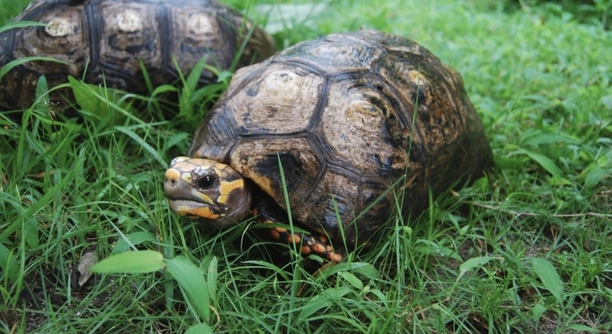
Creating a proper diet plan for your red-footed tortoise is essential for its well-being. These turtles require a balanced, nutrient-rich diet to thrive and maintain their health. A thoughtful approach ensures longevity and vitality.
To create the perfect red-footed tortoise diet plan, focus on providing a variety of foods such as leafy greens, fruits, and vegetables. Include calcium-rich foods and limit high-protein items to promote healthy shell growth and avoid obesity. Consistency and variety are key.
By following these steps, you’ll be well-equipped to meet your tortoise’s dietary needs. Proper nutrition contributes to a long, healthy life for your red-footed tortoise.
Understanding the Nutritional Needs of Red-Footed Tortoises
Red-footed tortoises are herbivores, meaning their diet primarily consists of plant matter. A variety of leafy greens, such as dandelion greens, collard greens, and mustard greens, should make up the bulk of their diet. In addition to leafy greens, they enjoy fruits like strawberries, mangoes, and papayas, but these should be given in moderation due to their sugar content. Vegetables such as squash and bell peppers can also be offered.
Calcium is a crucial component in a red-footed tortoise’s diet for strong shell growth and bone health. Providing calcium-rich foods, like dark leafy greens and adding calcium supplements to their diet, can help maintain this balance.
It’s important to avoid feeding them too much protein. Protein-heavy foods can lead to unhealthy growth and obesity. Sticking to plant-based foods ensures they receive the proper nutrients without compromising their health.
Preparing a Balanced Diet for Your Red-Footed Tortoise
Properly balancing the diet is key. Offer a mix of greens, fruits, and vegetables daily, aiming for variety and nutritional density. Adding safe, high-calcium foods will prevent deficiencies.
A good diet plan ensures a healthy tortoise. Red-footed tortoises thrive on a combination of fresh produce and occasional supplements. Their diet should be consistent and diverse, offering them a balance of essential nutrients.
The Importance of Fiber in Their Diet
Fiber helps keep your tortoise’s digestive system healthy. It supports regular bowel movements and prevents constipation. High-fiber foods like grass, hibiscus flowers, and clover are excellent choices. These plants also provide natural hydration, which is essential for your tortoise’s well-being.
Including fiber-rich plants in their diet promotes gut health and prevents issues like impaction, which can be dangerous for red-footed tortoises. Offering a range of fibrous greens and flowers ensures they get the proper balance of nutrients for both digestion and hydration. It’s vital to rotate the types of fiber sources to avoid nutrient imbalances.
A consistent fiber-rich diet improves overall health and prevents complications. Your red-footed tortoise will thrive when fed a variety of fresh, fibrous foods that also mimic their natural habitat. When properly maintained, their digestive system functions smoothly, allowing them to absorb essential nutrients more effectively.
Managing Treats and Fruit Consumption
Treats like fruit are enjoyable but should be given in moderation. Overfeeding high-sugar fruits can lead to obesity and digestive issues. A small portion of fruit once or twice a week is sufficient to satisfy their cravings without harming their health.
When you provide fruit, opt for low-sugar options like papaya or melon. Always remove seeds and pits before offering them to prevent choking hazards. Remember, while they enjoy fruits, the majority of their diet should consist of greens and other plant matter. This balance keeps them healthy and prevents overindulgence.
Avoid giving fruit too often, as it can upset their digestive system. Stick to offering fruits as an occasional treat to ensure they stay in optimal health. Keeping their diet balanced with the right foods will lead to a happier and healthier tortoise.
Hydration for Your Tortoise
Hydration is just as important as food. Red-footed tortoises may not drink as frequently as they need to, but they absorb moisture from their food. Make sure to provide a shallow dish of water for them to drink and soak in.
Soaking helps with digestion and prevents dehydration. Offering fresh water daily encourages your tortoise to stay hydrated, which is essential for their overall health. Ensure the water is clean and free from chemicals, as these can harm your tortoise.
The Role of Calcium in Their Diet
Calcium is critical for strong shells and bones. Providing calcium-rich foods like collard greens and adding calcium supplements helps prevent metabolic bone disease. It’s essential for shell growth and overall health.
Red-footed tortoises need calcium to thrive. A calcium deficiency can result in soft or malformed shells. Offer them foods that naturally contain calcium and consider using a calcium supplement to ensure they receive the right balance.
Avoiding Toxic Foods
Certain foods are toxic to red-footed tortoises and should be strictly avoided. These include onions, garlic, and avocado. Make sure to research any new food before feeding it to your tortoise.
Feeding toxic foods can lead to serious health problems, including digestive issues and organ damage. Avoid these items entirely and stick to safe, tested foods like leafy greens, fruits, and vegetables to ensure your tortoise remains healthy.
FAQ
What should I feed my red-footed tortoise daily?
A red-footed tortoise’s daily diet should consist mostly of leafy greens, such as collard greens, dandelion greens, and mustard greens. You can also offer vegetables like squash, bell peppers, and zucchini. Fruits such as strawberries, papayas, and melons can be given occasionally but in moderation. It’s essential to provide a variety of foods to ensure balanced nutrition.
Can I feed my red-footed tortoise protein?
Red-footed tortoises are herbivores, so they mainly eat plant-based foods. However, small amounts of protein can be included occasionally. Some tortoises might enjoy mealworms or insects, but they should not be a regular part of their diet. Too much protein can lead to health problems like obesity or shell deformities.
How often should I feed my red-footed tortoise?
You should feed your red-footed tortoise once a day. It’s important to monitor how much they eat to avoid overfeeding. Young tortoises may need more food, while adults can be fed a bit less. Keep portions appropriate to their size and appetite to maintain a healthy weight.
Do red-footed tortoises need a calcium supplement?
Yes, red-footed tortoises need calcium for strong shells and bones. While you can provide calcium-rich foods like dark leafy greens, it may be necessary to supplement their diet with a calcium powder. Dust the food with calcium a few times a week to ensure they are getting enough.
Can red-footed tortoises eat flowers?
Yes, red-footed tortoises can eat various safe flowers. Hibiscus flowers, dandelions, and clover are excellent options. Always make sure the flowers have not been treated with pesticides or chemicals. They provide both nutrients and variety to the tortoise’s diet, enhancing their overall well-being.
How do I know if my tortoise is getting enough nutrition?
Monitor your tortoise’s weight and shell condition. If your red-footed tortoise is active, has a smooth, healthy shell, and is eating well, it’s likely receiving the right amount of nutrition. A lethargic tortoise or one with a soft or malformed shell may be a sign of nutritional deficiency.
Can I feed my red-footed tortoise lettuce?
It depends on the type of lettuce. Iceberg lettuce should be avoided, as it has little nutritional value and can cause digestive problems. Romaine or other darker, leafier varieties are fine in moderation. Ensure a mix of other nutrient-dense vegetables and greens in their diet for balance.
What is the best way to hydrate my red-footed tortoise?
Red-footed tortoises typically get most of their hydration from the food they eat. However, it’s essential to provide a shallow dish of fresh, clean water for drinking and soaking. Regular soaking helps with hydration and digestion, and it prevents dehydration, which can lead to health problems.
Can I feed my red-footed tortoise tomatoes?
Tomatoes can be fed to red-footed tortoises in small amounts, but they should not be a regular part of the diet. While tomatoes provide vitamins, they are also high in acid, which can irritate your tortoise’s digestive system. Always remove the seeds and offer only the flesh.
How do I avoid feeding my tortoise toxic foods?
Certain foods, like onions, garlic, avocado, and rhubarb, are toxic to red-footed tortoises. Always research any new food you plan to offer before feeding it to your tortoise. Stick to well-known, safe options like leafy greens, squash, and fruits to ensure their safety and health.
Is it safe to feed my red-footed tortoise fruit every day?
While red-footed tortoises enjoy fruit, it should be given in moderation. Too much fruit, especially sugary varieties, can cause digestive issues or obesity. Offer fruit no more than two to three times a week, and always balance it with a variety of leafy greens and vegetables.
How much variety should be in my tortoise’s diet?
Variety is important in your red-footed tortoise’s diet to provide a range of essential nutrients. Offer a mix of leafy greens, fruits, and vegetables. Changing up the types of greens and fruits regularly keeps their meals interesting and ensures they get a wide range of vitamins and minerals.
Can I feed my red-footed tortoise cooked food?
Red-footed tortoises are best fed raw foods. Cooking can alter the nutritional value of some vegetables and reduce their benefits. Offering raw, fresh food ensures they get the nutrients in their natural form. Avoid cooked food unless it is necessary due to special circumstances.
Do red-footed tortoises need vitamin supplements?
Generally, if your red-footed tortoise is eating a variety of foods, they should not need additional vitamin supplements. However, in some cases, especially if your tortoise is picky or has health issues, a reptile-specific multivitamin or calcium supplement might be necessary. Always consult a vet before adding supplements.
Can red-footed tortoises eat spinach?
Spinach should be fed to red-footed tortoises in moderation. While it’s high in nutrients, spinach contains oxalates, which can interfere with calcium absorption. Feeding spinach occasionally is fine, but it should not be a regular part of their diet to avoid nutritional imbalances.
How long can red-footed tortoises go without food?
While it’s always best to keep a consistent feeding schedule, red-footed tortoises can go for several weeks without food if necessary. However, prolonged fasting should be avoided, as it can lead to malnutrition. If you plan to be away, ensure a caretaker provides fresh food and water.
What temperature should I keep my red-footed tortoise’s food at?
Serve your tortoise’s food at room temperature. Cold food can be unappealing to them and may cause digestive issues. Avoid offering food that’s too hot or too cold, as extreme temperatures can stress your tortoise. Aim for food that’s freshly prepared and easy for them to eat.
Final Thoughts
Creating the perfect diet for your red-footed tortoise is essential for their health and well-being. These tortoises thrive on a balanced diet of fresh greens, vegetables, fruits, and occasional protein sources. It’s important to provide a variety of foods to ensure they receive all the necessary nutrients for proper growth and development. As herbivores, they require a higher intake of plant-based foods, and offering different types of greens will help keep their diet diverse and interesting. This will also prevent them from getting bored with the same meals, ensuring they stay active and healthy.
It’s also vital to monitor the portion sizes to avoid overfeeding or underfeeding your tortoise. Overfeeding can lead to obesity, which can cause long-term health problems like shell deformities and joint issues. On the other hand, underfeeding can lead to malnutrition and a weakened immune system. By offering the right balance of food and watching for changes in their behavior and health, you can ensure your red-footed tortoise gets the nutrients they need. It’s always a good idea to observe their eating habits and adjust their diet as they grow and age.
Remember, hydration is just as important as the right foods. While tortoises get most of their water from the foods they consume, you should always provide fresh, clean water for them to drink and soak in. Regular soaking not only helps with hydration but also supports proper digestion. Keeping your red-footed tortoise’s diet varied and balanced, along with providing a suitable environment and proper care, will help them live a long, healthy life. By following these guidelines, you can ensure your tortoise stays happy and well-fed for years to come.

Hello,
If you enjoy the content that we create, please consider saying a "Thank You!" by leaving a tip.
Every little bit helps us continue crafting quality advice that supports the health, happiness, and well-being of pets around the world, for pets of all shapes, sizes, and species.
We really appreciate the kindness and support that you show us!