
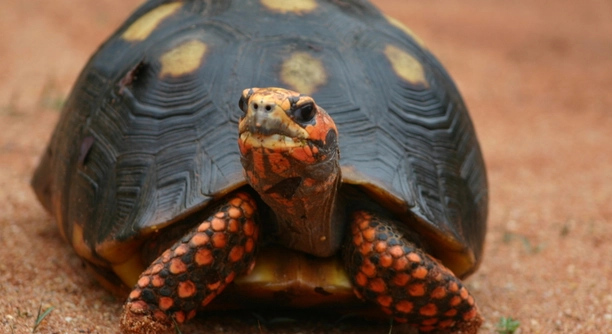
Red-footed tortoises are fascinating creatures, and proper nutrition plays a key role in their growth and health. What they eat directly impacts their development, energy levels, and overall well-being. Knowing the right foods is crucial for their care.
To ensure optimal growth and development, a red-footed tortoise’s diet should consist of a variety of leafy greens, fruits, vegetables, and some protein. Foods such as dandelion greens, papaya, and squash provide essential vitamins and minerals for a balanced diet.
Choosing the right foods helps promote healthy growth and keeps your tortoise active. The following list will highlight the best food options to support their development and keep them thriving.
Dandelion Greens: A Nutrient-Rich Choice
Dandelion greens are a staple for red-footed tortoises. They are packed with essential vitamins like A, C, and K, which support their immune system and overall health. These greens also contain high levels of calcium, which is crucial for shell development. Offering dandelion greens regularly can ensure your tortoise’s bones remain strong and healthy. However, it’s important to avoid giving them dandelions from areas treated with pesticides or chemicals.
Not only do they provide a nutritional boost, but dandelion greens are also easy to find and can be fed raw. It’s best to offer them fresh, and they can be supplemented with other greens for variety. Be sure to wash them thoroughly to remove any dirt or contaminants.
Dandelion greens are an excellent addition to any red-footed tortoise’s diet. Their combination of vitamins and minerals helps promote strong bones, healthy digestion, and a thriving immune system. This simple green offers great benefits without much preparation, making it an easy and reliable food choice.
Papaya: A Sweet and Healthy Treat
Papaya is another great option for red-footed tortoises, especially as a fruit treat. It is rich in vitamin C, which helps with tissue repair and boosts the immune system. Papaya also contains enzymes like papain, which assist with digestion. Its soft, juicy texture is easy for tortoises to eat.
Incorporating papaya into their diet offers variety and encourages natural foraging behavior. However, it should be fed in moderation, as fruits contain sugars that may not be suitable in large quantities. Pairing papaya with leafy greens or vegetables is a great way to balance the sugar content.
While papaya provides many health benefits, be mindful not to feed it every day. Offering it as an occasional treat will keep your tortoise interested while ensuring a balanced diet. The vitamins, enzymes, and taste make it a popular addition to your tortoise’s meal plan.
Squash: A Tasty Vegetable for Growth
Squash is another nutritious vegetable to offer your red-footed tortoise. It is rich in beta-carotene, a precursor to vitamin A, which is essential for healthy vision, skin, and overall cell growth. Squash is also high in fiber, which supports digestion and helps keep your tortoise regular.
While squash is packed with nutrients, it is low in oxalates, making it safe for tortoises to consume regularly without harming their calcium absorption. It can be fed in various forms, including raw or lightly cooked, to suit your tortoise’s preferences. Offering a mix of winter squash, like butternut, and summer squash provides variety and boosts nutritional intake.
Squash is not just a tasty treat; it also provides important nutrients that promote growth and vitality. Including squash in your red-footed tortoise’s diet can help maintain healthy skin and shells. It is versatile and easy to incorporate into their meals.
Leafy Greens: Essential for Health
Leafy greens such as collard greens, turnip greens, and mustard greens are important staples in a red-footed tortoise’s diet. These greens are high in vitamins, fiber, and minerals, including calcium, which supports strong bones and shell health. They can be fed daily and help with maintaining a balanced, nutritious diet.
While leafy greens are great for tortoises, variety is essential. Mixing different types of greens ensures that they get a wide range of nutrients. It’s also best to avoid feeding them spinach regularly, as it contains oxalates that can hinder calcium absorption.
Feeding your tortoise a mix of leafy greens guarantees that they get plenty of fiber, vitamins, and minerals, keeping their digestive system in top shape. These greens provide the necessary nutrients to maintain strong bones and shells. Regular consumption of a variety of leafy greens will make a positive impact on their growth and overall health.
Hibiscus Flowers: A Vibrant Addition
Hibiscus flowers are a colorful and nutritious food option for red-footed tortoises. They are rich in antioxidants and vitamin C, which support the immune system. Tortoises enjoy the sweet and tangy flavor, making it a great way to encourage them to eat.
Hibiscus flowers are safe for tortoises and can be fed as a treat or mixed with other foods. Be sure to only feed them organic hibiscus flowers, free from pesticides or chemicals. You can use both the petals and leaves, but avoid the stems, as they can be tough to digest.
The flowers are not only visually appealing but also provide a nutritious boost. They are an excellent source of hydration, especially on warmer days. Including hibiscus flowers in your tortoise’s diet adds variety and ensures they are getting important vitamins. Just remember to feed them in moderation as part of a well-balanced diet.
Cactus Pads: A Refreshing, Hydrating Snack
Cactus pads, or nopales, are a hydrating food source for red-footed tortoises. They have high water content, which helps keep your tortoise hydrated. Cactus pads are also rich in fiber, promoting healthy digestion. Tortoises enjoy nibbling on this unique food item.
Nopales are low in oxalates, making them safe for regular consumption. You can cut them into small, manageable pieces for your tortoise to enjoy. It’s a good idea to remove the spines carefully, as they can be sharp. Some tortoises may prefer cactus pads with the skin on, while others may eat them peeled.
Feeding cactus pads gives your tortoise a refreshing and hydrating snack, especially during hotter months. Their high fiber content supports digestive health, ensuring your tortoise stays in good shape. Since they are low in oxalates, they make a great addition to the diet without interfering with calcium absorption.
Mulberry Leaves: A Sweet Option
Mulberry leaves are a great food choice for red-footed tortoises. They are high in fiber and antioxidants, which support overall health and digestion. The leaves also contain essential vitamins, including A, C, and K. They are easy to find and can be fed fresh or dried.
Mulberry leaves can be offered regularly as part of a varied diet. They are low in oxalates, making them safe for tortoises without interfering with calcium absorption. Be sure to source them from pesticide-free areas. These leaves are nutritious, tasty, and a welcome addition to your tortoise’s meals.
Carrots: A Crunchy Delight
Carrots can be fed to red-footed tortoises in moderation. They are a good source of beta-carotene, which is beneficial for eye health and overall growth. Carrots are also high in fiber, which supports digestion. They can be offered shredded, chopped, or whole.
While carrots are healthy, they should not make up a large portion of the diet. Too much carrot can lead to an imbalance in nutrients. Feeding carrots along with other vegetables helps maintain variety and ensures a balanced intake of vitamins and minerals.
Pumpkin: A Seasonal Treat
Pumpkin is a nutritious food that red-footed tortoises enjoy. It’s packed with vitamins A and C, which help with immune function and skin health. Pumpkin is also high in fiber, aiding digestion and promoting healthy bowel movements.
Its soft texture makes it easy for tortoises to eat, and it can be offered raw or cooked. Pumpkin seeds are also safe for tortoises and can be fed occasionally. Just be cautious with the quantity, as too much pumpkin can disrupt their diet balance.
FAQ
What is the best food for a red-footed tortoise?
The best food for a red-footed tortoise includes a mix of leafy greens, fruits, and vegetables. Common options are dandelion greens, hibiscus flowers, papaya, squash, and cactus pads. These foods provide essential nutrients, including vitamins A, C, and K, as well as calcium and fiber, which help maintain strong bones and overall health. It’s important to offer variety to avoid nutritional imbalances and to mimic their natural diet as much as possible.
Can I feed my tortoise only fruits?
No, fruits should not be the main part of a red-footed tortoise’s diet. While fruits like papaya, melons, and berries provide a good source of vitamins and hydration, they also contain sugar, which can be harmful if fed in excess. Red-footed tortoises need a balanced diet with more leafy greens and vegetables than fruits. Fruits should be given occasionally, not as a daily staple.
How often should I feed my red-footed tortoise?
A red-footed tortoise should be fed once a day, ideally in the morning. As they are herbivores, a variety of leafy greens, vegetables, and fruits should be offered daily. However, portions should be adjusted based on the tortoise’s size and age. Younger tortoises tend to eat more frequently, while adults can be fed once a day or every other day.
Can I feed my tortoise wild plants?
You can feed your red-footed tortoise certain wild plants, but caution is needed. Not all wild plants are safe, as some may be toxic or have been treated with pesticides. If you decide to forage for plants, make sure they are safe for tortoises, such as dandelions or clover. Always ensure that the plants are pesticide-free and not from contaminated areas.
Is it safe to feed red-footed tortoises commercial tortoise food?
Commercial tortoise food can be used as a supplement, but it should not replace fresh fruits and vegetables. These products often lack the variety and fresh nutrients that your tortoise needs for optimal health. Always check the ingredients and avoid foods with added sugars or artificial preservatives. Fresh, whole foods are always the best choice.
How do I ensure my tortoise gets enough calcium?
Calcium is essential for shell growth and bone health in red-footed tortoises. To ensure they get enough calcium, offer calcium-rich foods like dark leafy greens (such as collard greens and mustard greens) and supplement with calcium powder if necessary. It’s also important to provide a cuttlebone or calcium block for your tortoise to nibble on. Regular exposure to UVB light will help with calcium absorption.
Are there any foods I should avoid feeding my red-footed tortoise?
Yes, some foods should be avoided. High-oxalate foods, like spinach, can interfere with calcium absorption. Similarly, iceberg lettuce lacks nutritional value and should be avoided. Foods like avocado, rhubarb, and potatoes are toxic to tortoises and should never be fed. Always research any new food before introducing it into your tortoise’s diet.
How much water should a red-footed tortoise drink?
Red-footed tortoises should have access to fresh water at all times. They may not drink large amounts regularly, but they do drink when thirsty. Make sure they have a shallow water dish to soak in and drink from, as this helps with hydration and also supports their natural behavior. Keep the water clean and change it daily.
Can I feed my tortoise flowers?
Yes, many flowers are safe and nutritious for red-footed tortoises. Hibiscus, dandelions, and pansies are excellent flower choices that offer vitamins and antioxidants. However, always ensure that the flowers haven’t been treated with pesticides or chemicals. Avoid feeding them toxic flowers like lilies or daffodils.
What is the best way to prepare food for my tortoise?
Most foods for red-footed tortoises should be offered fresh and washed thoroughly to remove any dirt or pesticides. Greens can be left whole or chopped into smaller pieces. Fruits like papaya or melon can be cut into manageable chunks. Vegetables like squash or carrots can be shredded or sliced. Always avoid feeding them cooked foods unless necessary.
Can I feed my tortoise insects or animal protein?
While red-footed tortoises are primarily herbivores, some protein can be included in their diet occasionally. A small amount of insects, such as crickets or mealworms, can be offered, particularly to younger tortoises. However, animal protein should be limited, and plant-based foods should make up the majority of their diet. Overfeeding animal protein can lead to health issues.
Why is my tortoise not eating?
There can be several reasons why a tortoise may not be eating, including stress, illness, or environmental factors like temperature. Ensure the habitat is warm enough, as red-footed tortoises require temperatures between 75-85°F during the day. If your tortoise still refuses food for an extended period, consult a vet to rule out health problems.
How can I prevent my tortoise from becoming overweight?
To prevent obesity, monitor your red-footed tortoise’s food intake and avoid overfeeding high-calorie foods, such as fruits and certain vegetables like carrots and squash. Regularly offer a mix of leafy greens and fiber-rich plants. Also, ensure your tortoise has enough space to move around and exercise. Avoid giving too many treats and stick to a balanced diet.
Should I feed my tortoise dried foods?
Dried foods, like dried flowers or leaves, can be offered occasionally but should not replace fresh foods. While dried food can be convenient, it often lacks the moisture and some nutrients found in fresh options. Dried foods should be a rare supplement, and your tortoise’s primary diet should consist of fresh produce.
How can I tell if my tortoise is healthy?
A healthy red-footed tortoise will have clear, bright eyes, a smooth, hard shell, and a strong, active demeanor. Its skin should not appear dry or flaky, and it should move actively without signs of weakness. Regular eating, drinking, and proper waste output are also good signs of health. If you notice changes in appetite or behavior, it’s important to consult a vet.
Final Thoughts
Taking care of a red-footed tortoise requires understanding their specific dietary needs. These tortoises thrive on a balanced diet of leafy greens, vegetables, fruits, and some protein. By providing them with foods like dandelion greens, papaya, hibiscus flowers, and cactus pads, you can ensure that your tortoise gets the nutrients needed for proper growth and development. Each food item serves a specific purpose, whether it’s providing vitamins, minerals, hydration, or fiber. It’s important to remember that variety is key to a healthy diet, as it prevents deficiencies and promotes overall well-being.
Feeding your tortoise the right foods is just one part of the equation. Their environment, temperature, and hydration also play a significant role in their health. Proper UVB lighting is essential for calcium absorption, which supports healthy shell growth. Regular access to clean, fresh water is equally important. These factors work together with diet to ensure your tortoise remains strong, active, and healthy. A well-maintained habitat with plenty of space for movement also supports their physical development.
Lastly, while it can be easy to focus on specific foods, it’s essential to be mindful of portion control. Overfeeding certain foods like fruits or high-calcium greens can lead to health problems, just as underfeeding can result in malnutrition. Always ensure you’re offering a balanced mix and monitoring your tortoise’s health regularly. If you have any concerns or if your tortoise isn’t eating well, it’s best to consult a veterinarian. With the right care, your red-footed tortoise will lead a long, healthy life.

Hello,
If you enjoy the content that we create, please consider saying a "Thank You!" by leaving a tip.
Every little bit helps us continue crafting quality advice that supports the health, happiness, and well-being of pets around the world, for pets of all shapes, sizes, and species.
We really appreciate the kindness and support that you show us!