
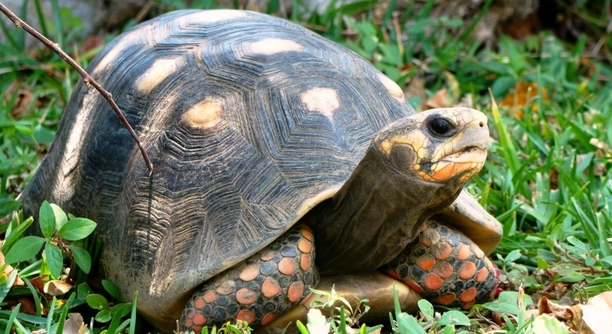
Red-footed tortoises are an intriguing species that make excellent pets for those interested in reptiles. With their calm demeanor and manageable size, they can thrive in various living environments. These tortoises offer unique companionship for reptile enthusiasts.
Red-footed tortoises are known for their gentle nature and adaptability. They are relatively easy to care for, requiring a balanced diet and suitable habitat. Their friendly temperament makes them suitable for beginner reptile owners, offering a rewarding pet experience.
These tortoises are not only charming but also low-maintenance. They provide a peaceful presence, making them great companions for any home.
Easy to Care For
Red-footed tortoises are not high-maintenance pets. They have simple needs, including access to fresh water, a clean habitat, and a varied diet. They are not demanding in terms of daily care and are relatively independent. This makes them ideal for people who want a pet that is low-maintenance but still engaging.
Their habitat can be set up in a moderate space, as they are not large reptiles. A small to medium-sized enclosure with both a warm and cooler side allows them to regulate their body temperature. Additionally, the tortoises do well in a humid environment, which helps with their overall health. The need for interaction is minimal, and they are content to wander around their enclosure.
While red-footed tortoises are not highly social, they enjoy a calm and stable environment. With proper care, they live long lives, often exceeding 50 years. This makes them great pets for people who want a consistent companion without the need for constant attention.
Ideal for Smaller Spaces
These tortoises adapt well to smaller living spaces. With an appropriate enclosure, they don’t require large areas to roam.
They are not known for being particularly active, so a small area with proper care is sufficient for their needs. As long as the enclosure is large enough to allow them to roam, they will thrive. Their calm behavior makes them suitable for apartments or smaller homes, as long as there is a safe, controlled environment to explore.
Low Maintenance Diet
Red-footed tortoises are not picky eaters, making their diet easy to manage. A mix of leafy greens, fruits, and vegetables is sufficient for their nutritional needs. They will also enjoy occasional protein sources like insects.
They are herbivores, but the diet should be varied. Offering a range of vegetables like collard greens, kale, and squash provides essential nutrients. Fruits like papaya and strawberries are a treat and supply vitamins. Be sure to avoid feeding them too much fruit, as the sugar content can be too high.
Supplementing their diet with calcium and vitamin D3 is important. This ensures strong bones and proper shell development. Additionally, always provide fresh water to keep them hydrated. Red-footed tortoises can be picky about cleanliness, so make sure to remove any uneaten food regularly.
Long Lifespan
Red-footed tortoises have a long lifespan, often living for several decades. This longevity makes them a great pet for someone looking for a long-term companion.
These tortoises can easily live to be 50 years or older with the proper care. Providing them with the right environment and diet contributes to their extended life expectancy. Regular check-ups with a vet can also help ensure they stay healthy throughout their years. Red-footed tortoises are slow and steady, and their steady presence can be comforting for those who appreciate long-term pet relationships.
Quiet Nature
Red-footed tortoises are known for their calm and quiet demeanor. They do not produce loud sounds, making them ideal for those who prefer a peaceful pet.
Unlike some reptiles, they are not aggressive or territorial. They go about their day without causing much disturbance. This makes them an excellent choice for homes where noise levels need to be kept to a minimum.
Their serene presence can also be quite comforting. They are content to slowly explore their environment, making them a relaxing pet to observe.
Easy to Handle
These tortoises are gentle and non-aggressive, which makes them easy to handle. They are not likely to bite or scratch unless provoked.
When handling them, they are generally calm and tolerant. However, it’s important to support their body properly to avoid causing stress or injury. Red-footed tortoises can become more accustomed to human interaction if handled gently and regularly. Over time, they can become comfortable with daily interactions, making them more enjoyable to care for.
Suitable for Beginners
Red-footed tortoises are a good choice for beginner reptile owners. They don’t require excessive care or attention and are more forgiving of small mistakes.
These tortoises thrive in stable environments and adapt well to routine care. Their care guidelines are simple, making them less overwhelming for newcomers to reptiles. With the right setup, red-footed tortoises are easy to manage and can bring joy for years to come.
FAQ
How big do red-footed tortoises get?
Red-footed tortoises typically grow to be around 12 to 16 inches in length. Males are generally smaller than females. With proper care and nutrition, they can achieve their full size within 5 to 8 years.
What is the lifespan of a red-footed tortoise?
Red-footed tortoises can live for up to 50 years or more. Their long lifespan makes them a great pet for those who are prepared for a long-term commitment. Proper diet, habitat, and health care are essential for ensuring they live a long, healthy life.
What should I feed my red-footed tortoise?
Their diet consists primarily of leafy greens, vegetables, and fruits. Some common foods include collard greens, kale, dandelion greens, and squash. Fruits like papaya, mango, and strawberries can be offered occasionally. They can also consume small amounts of protein, like insects or worms, but these should be limited.
How often should I feed my red-footed tortoise?
Adult red-footed tortoises typically eat every other day. Young tortoises may need to be fed daily as they grow and develop. Always offer a variety of foods to ensure a balanced diet. Make sure any uneaten food is removed after a few hours to avoid spoilage.
Do red-footed tortoises need a special habitat?
Yes, they require a specific environment to thrive. A warm, humid habitat is necessary, as they are native to tropical areas. Their enclosure should have a temperature gradient, with a basking spot around 90°F and a cooler area around 75°F. Humidity should be maintained between 60% and 80%.
Can red-footed tortoises live outdoors?
Red-footed tortoises can live outdoors if the climate is suitable. They do best in warmer regions with mild winters. If you live in a colder climate, they should be kept indoors during the winter months. Outdoor enclosures should have secure fencing to prevent escape.
What type of enclosure do they need?
For an indoor enclosure, a large tank or a custom-built cage works well. It should be big enough to allow the tortoise to move around freely. For outdoor enclosures, a securely fenced area with shaded spots and access to water is ideal. Always ensure the enclosure has both a warm basking area and a cooler zone.
How do I keep my red-footed tortoise hydrated?
Always provide fresh water for your red-footed tortoise. A shallow dish is ideal, as it prevents them from drowning. It’s also a good idea to mist the enclosure regularly to maintain humidity levels. This helps ensure they stay properly hydrated and avoid dehydration.
Do red-footed tortoises need UVB lighting?
Yes, UVB lighting is crucial for red-footed tortoises. UVB light helps them produce vitamin D3, which is necessary for calcium absorption and healthy shell growth. A proper UVB bulb should be provided if they are kept indoors, as natural sunlight might not be sufficient.
Can red-footed tortoises live with other pets?
While red-footed tortoises can coexist with other reptiles in certain setups, they should not be housed with more aggressive species. It’s important to monitor their interactions to avoid stress or injury. Never house them with smaller animals that might be seen as food.
Do red-footed tortoises need any special care for their shells?
Yes, their shells should be kept clean and dry. Regularly inspect their shells for any signs of damage or infection. Shell rot can be a problem if their environment is too damp or if they are not kept clean. Always provide a dry area for them to rest.
What is the best way to handle a red-footed tortoise?
Red-footed tortoises are gentle and easy to handle. When picking them up, support their entire body to avoid putting pressure on their shell. Always handle them slowly and gently to reduce stress. They should not be dropped or handled roughly, as this can cause injury.
Do red-footed tortoises require regular veterinary check-ups?
Yes, it’s a good idea to take your tortoise to the vet for regular check-ups. This helps catch any potential health issues early. A reptile vet can also provide guidance on diet, habitat, and overall care. Regular visits ensure your tortoise remains healthy throughout its life.
Can I take my red-footed tortoise outside for exercise?
Yes, red-footed tortoises enjoy some outdoor time, but be mindful of the temperature and weather conditions. Make sure the area is safe and secure. They enjoy exploring, but they should never be left unsupervised outdoors. Always monitor them to prevent escape or harm.
What is the best bedding for a red-footed tortoise?
The bedding should be absorbent and easy to clean. Popular options include coconut coir, cypress mulch, or a mix of both. Avoid using sand or gravel, as these can cause digestive issues if ingested. Regularly replace the bedding to maintain cleanliness in the enclosure.
Do red-footed tortoises hibernate?
Red-footed tortoises do not hibernate like some other species of tortoises. However, they may become less active during cooler months, especially if the temperature drops. It’s important to provide them with a consistent environment year-round, regardless of the season.
What kind of substrate is best for red-footed tortoises?
A good substrate for red-footed tortoises is one that retains moisture and promotes humidity while still allowing for proper drainage. Coconut coir, sphagnum moss, and cypress mulch are popular choices. Make sure the substrate is deep enough for them to burrow if they wish.
Final Thoughts
Red-footed tortoises make wonderful pets for those who are prepared to meet their needs. They are calm, easy to handle, and require relatively simple care compared to other reptiles. Their longevity and gentle nature make them an excellent choice for first-time reptile owners or anyone looking for a low-maintenance companion. However, it’s important to keep in mind that they still need proper care to thrive. This includes the right habitat, a balanced diet, and regular monitoring of their health.
Their diet is one of the most important factors in their well-being. A variety of leafy greens, fruits, and occasional protein will help keep them healthy. Ensuring they are hydrated and have access to proper UVB lighting is also crucial for their long-term health. While they are fairly low-maintenance in terms of daily attention, the commitment to providing the right environment and diet is key. Their gentle nature makes them enjoyable to watch and interact with, but they are not entirely hands-off pets. Proper care is needed to keep them happy and healthy throughout their long lives.
It’s also essential to consider their lifespan when adopting a red-footed tortoise. With the potential to live 50 years or more, they require a long-term commitment. Red-footed tortoises can bring joy for many years, but they do require space, time, and attention. For those ready to take on the responsibility, they can become a rewarding companion. If you are considering a red-footed tortoise as a pet, make sure you are ready for the commitment, and take the time to learn about their care needs to provide the best possible life for your new companion.

Hello,
If you enjoy the content that we create, please consider saying a "Thank You!" by leaving a tip.
Every little bit helps us continue crafting quality advice that supports the health, happiness, and well-being of pets around the world, for pets of all shapes, sizes, and species.
We really appreciate the kindness and support that you show us!