
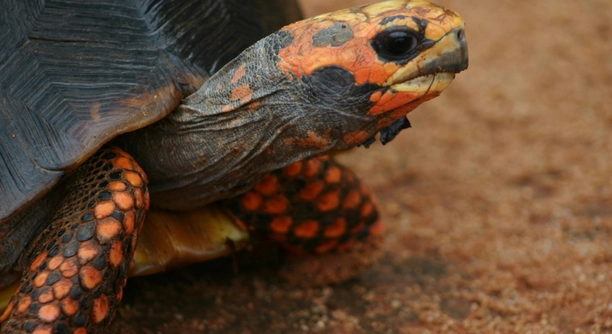
A red-footed tortoise thrives in a warm environment. Ensuring your tortoise is comfortable and healthy requires monitoring its temperature. If it becomes too cold, it can impact its health. Recognizing signs early is essential.
The primary indicator that your red-footed tortoise is too cold is when it becomes sluggish or inactive. Cold temperatures affect its metabolism, causing lethargy and reduced appetite. Ensuring your tortoise’s habitat is warm will help avoid these issues.
Proper temperature regulation is crucial for your tortoise’s well-being. Understanding the signs can help prevent further complications and keep your pet happy and healthy.
Signs of Cold Stress in Red-Footed Tortoises
When your red-footed tortoise feels too cold, it may show noticeable signs of discomfort. One of the first indicators is reduced activity levels. Instead of roaming around, it may stay in one place for extended periods, not responding to its environment as it usually would. Cold temperatures slow down its metabolism, making it harder for the tortoise to move or eat. Another sign is a decrease in appetite. If your tortoise refuses food, it’s likely because it is too cold. You may also notice it retracting its head and limbs into its shell more frequently as it tries to conserve heat.
Keeping your tortoise’s enclosure at a stable, warm temperature is essential to prevent these signs of cold stress. A consistent heat source ensures that the tortoise remains active and maintains its normal feeding habits.
Tortoises can also exhibit shivering when they are too cold. This is their body’s attempt to generate heat. However, this response often does not provide enough warmth to sustain them for long periods. In colder conditions, red-footed tortoises are at risk for respiratory issues. A consistently cold environment may lead to illnesses, such as pneumonia, due to weakened immune function. If left untreated, these health problems can become serious and may be difficult to reverse.
Proper Temperature Requirements for Red-Footed Tortoises
Maintaining a stable, warm environment is crucial for red-footed tortoises. A basking spot should be between 90-95°F (32-35°C), while the cooler side of the enclosure can range between 75-80°F (24-27°C).
Providing both heat and UVB lighting in their habitat is key. These tortoises need UVB light to synthesize vitamin D3, which is essential for calcium absorption. Without adequate lighting, they may suffer from metabolic bone disease and other health issues. Additionally, the enclosure should allow for temperature gradients, letting the tortoise move to a warmer or cooler area depending on its needs. A temperature-controlled environment also reduces the likelihood of stress, making the tortoise feel more comfortable and encouraging natural behaviors such as foraging and exploration.
How to Monitor Temperature for Your Red-Footed Tortoise
It’s important to regularly check the temperature in your tortoise’s enclosure. Use a reliable thermometer to monitor both the basking area and cooler side. A consistent temperature is key for their health.
Temperature fluctuations can stress out your tortoise, leading to lethargy or loss of appetite. For accurate monitoring, place thermometers in different spots within the enclosure. This will help you understand if the temperature gradient is working properly. Adjust your heat source to maintain a warm basking area, while keeping the cooler side in the range of 75-80°F (24-27°C).
Make sure to adjust your enclosure setup as needed. Red-footed tortoises depend on a warm environment to stay active and healthy. Without proper temperature regulation, your tortoise may not thrive and could develop health issues such as respiratory infections or digestive problems. Keeping a steady temperature ensures your tortoise’s body functions correctly and reduces the risk of cold stress.
Importance of UVB Lighting
UVB lighting is necessary for red-footed tortoises to process vitamin D3. Without it, they cannot absorb calcium properly, which can lead to metabolic bone disease and other health concerns.
Install a UVB light that covers a broad area within the enclosure. The light should be positioned above the basking area but not too far away, as it loses intensity with distance. Keep the light on for 10-12 hours a day to simulate natural sunlight. If possible, supplement with natural sunlight when your tortoise is outside, but make sure they have access to shaded areas as well.
Inadequate UVB exposure leads to serious health problems over time. Your tortoise’s bones may become brittle, and its immune system will weaken. By using a UVB light, you help prevent these risks and keep your tortoise healthy and strong.
Correct Bedding for Your Red-Footed Tortoise’s Habitat
The bedding in your tortoise’s enclosure should retain moisture but not be overly wet. Materials like coconut coir or orchid bark are great choices.
These bedding materials help maintain humidity levels, which is important for your tortoise’s skin health. However, ensure the bedding doesn’t stay soggy, as excessive moisture can lead to mold growth. Spot clean regularly to avoid bacteria buildup.
Humidity and Its Role in Health
Red-footed tortoises need moderate humidity to thrive, with a level between 60-80%. Too much or too little can lead to health problems.
Maintaining proper humidity helps prevent skin issues like shedding problems or dehydration. Use a humidity gauge to monitor the levels and adjust the environment with a misting system or shallow water dish. A good balance will ensure your tortoise’s comfort and well-being.
FAQ
How can I tell if my red-footed tortoise is too cold?
Signs of cold stress include lethargy, loss of appetite, and a decrease in activity. If your tortoise is not moving around much and is staying tucked into its shell, it could be too cold. A lack of appetite is also a common sign that your tortoise is not comfortable.
What is the ideal temperature for a red-footed tortoise?
The basking area should be between 90-95°F (32-35°C), and the cooler side of the enclosure should stay between 75-80°F (24-27°C). This allows your tortoise to regulate its body temperature by moving between warmer and cooler spots in its habitat.
How long should I keep the UVB light on for my tortoise?
The UVB light should be on for 10-12 hours a day, mimicking natural sunlight. It’s important to provide consistent light to help your tortoise absorb vitamin D3, which is necessary for calcium metabolism and overall health.
Can my red-footed tortoise live without UVB light?
No, without UVB light, your tortoise will not be able to properly process calcium. This can lead to metabolic bone disease and weakened bones. It’s essential to use a UVB light source in your tortoise’s enclosure for proper health maintenance.
What should I feed my red-footed tortoise?
Red-footed tortoises are primarily herbivores, but they also eat insects and small animals in the wild. Offer a variety of leafy greens, fruits, and vegetables. Common foods include dandelion greens, collard greens, papaya, and strawberries. Make sure to provide calcium-rich foods as well.
How often should I feed my red-footed tortoise?
Young tortoises should be fed daily, while adults can be fed every other day. Offer a balanced diet of vegetables and fruits, but avoid overfeeding with high-oxalate foods like spinach, as they can interfere with calcium absorption.
What is the best substrate for my red-footed tortoise?
Coconut coir, orchid bark, and cypress mulch are good choices for substrate. These materials help maintain the right humidity levels while also allowing for digging and burrowing. Avoid using sand or gravel, as they can cause impaction if ingested.
Can my red-footed tortoise be kept outside?
Yes, but only in climates that match their needs. Red-footed tortoises thrive in warm, humid environments. If kept outside, ensure they have a shaded area, a warm basking spot, and protection from predators. It’s also important to bring them inside during colder weather.
How do I know if my red-footed tortoise is healthy?
A healthy red-footed tortoise will have clear eyes, a clean shell, and active movement. They will also have a good appetite and maintain normal activity levels. If your tortoise is showing signs of lethargy, loss of appetite, or irregular shell growth, it may need a veterinary check-up.
How can I help my red-footed tortoise during the winter months?
During winter, ensure your tortoise’s enclosure stays at the right temperature and humidity. You may need to use a heat lamp or ceramic heater to maintain warmth. If you live in a cold climate, consider moving your tortoise indoors for the winter months to prevent cold stress.
Is it necessary to provide water for my red-footed tortoise?
Yes, always provide access to fresh water in a shallow dish. Red-footed tortoises drink frequently, and it’s also important for their hydration and digestion. Change the water daily to keep it clean.
What is the lifespan of a red-footed tortoise?
Red-footed tortoises can live up to 50 years or longer in captivity, provided they are given proper care, including the right environment, diet, and regular veterinary check-ups.
Why is my red-footed tortoise not eating?
There could be several reasons, including cold temperatures, stress, illness, or improper lighting. If your tortoise refuses food for more than a few days, it’s important to assess the habitat conditions and consult a vet if needed.
Can I house my red-footed tortoise with other pets?
It’s not recommended to house tortoises with other animals unless you are sure they will not cause stress or harm. Tortoises are solitary creatures and can become stressed if housed with other pets. Keep them in their own enclosure for the best care.
Do I need to bathe my red-footed tortoise?
Occasionally bathing your tortoise can help with hydration, especially if they are not drinking enough water. Use lukewarm water in a shallow dish and let them soak for 10-15 minutes. Do not force your tortoise into water; allow it to enter on its own.
How often should I clean my red-footed tortoise’s enclosure?
Spot clean daily by removing waste and uneaten food. Perform a deep cleaning every 2-4 weeks, removing all bedding, disinfecting surfaces, and replacing with fresh substrate. Keeping the enclosure clean will help prevent health problems and ensure your tortoise’s environment remains safe.
Final Thoughts
Caring for a red-footed tortoise requires attention to detail, especially when it comes to maintaining a proper temperature and humidity level. This species thrives in warm, humid conditions that mimic their natural habitat. Providing a basking area with the right heat and using UVB light for proper calcium absorption are key aspects of their well-being. Their diet should consist mainly of vegetables, fruits, and leafy greens, with occasional protein. Offering variety ensures your tortoise gets the necessary nutrients for a long, healthy life.
It’s important to create an environment that promotes natural behaviors like burrowing and exploring. Using suitable substrates such as coconut coir or orchid bark helps maintain the right humidity while providing a comfortable space for your tortoise to move around. Regular cleaning of their enclosure is necessary to prevent any build-up of waste or bacteria that can affect their health. Also, keeping a shallow water dish available at all times ensures they stay hydrated, which is essential for digestion and overall health.
Remember that red-footed tortoises are long-lived animals, often living for several decades. Their care is a long-term commitment that involves monitoring their health, adjusting their habitat as they grow, and seeking veterinary care when necessary. By understanding their specific needs, you can help ensure that your tortoise remains healthy and happy for many years to come. Their gentle nature and interesting behaviors make them rewarding pets, but it’s essential to stay informed and be proactive in meeting their needs for the best outcome.

Hello,
If you enjoy the content that we create, please consider saying a "Thank You!" by leaving a tip.
Every little bit helps us continue crafting quality advice that supports the health, happiness, and well-being of pets around the world, for pets of all shapes, sizes, and species.
We really appreciate the kindness and support that you show us!