
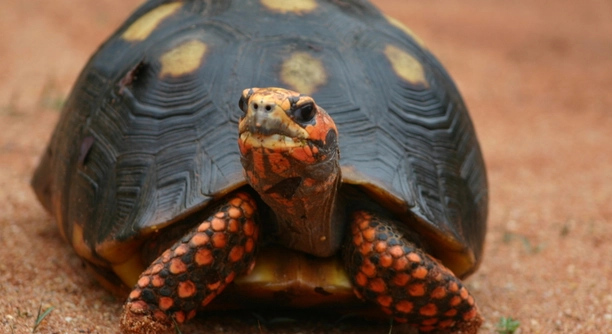
Red-footed tortoises are fascinating creatures, and if you have one as a pet, you may wonder about their hibernation habits. This process is important for their health and well-being, and understanding it can make all the difference.
Red-footed tortoises typically enter a state of dormancy during colder months, where their metabolism slows down significantly. During this period, they reduce their activity levels and may not eat or drink. It is a natural process, not true hibernation.
Knowing the signs of hibernation and how to manage your tortoise’s care during this time is essential. The more you understand, the better equipped you’ll be to support their needs and ensure their comfort.
Understanding Red-Footed Tortoise Hibernation
Red-footed tortoises may not technically hibernate, but they do undergo a period of dormancy. During this time, their metabolism slows down, and they become less active. This process usually occurs when temperatures drop, as they are cold-blooded animals. It’s essential to understand the difference between hibernation and dormancy because it affects how you care for your tortoise. Hibernation, in true terms, involves a deep, long sleep, but with red-footed tortoises, it’s more of a light, sluggish period where their activity and appetite decrease.
While they may not need as much food or water during this period, they still require the right environmental conditions to remain comfortable. Keeping the right temperatures in their habitat is crucial to ensure they aren’t too cold, which can be dangerous. It’s also essential to recognize the signs of dormancy, as some tortoises may stop eating or become inactive for weeks.
As a pet owner, it’s important to monitor their condition closely. Be aware of temperature changes and adjust their environment as necessary to ensure they are not under stress. During dormancy, they don’t need food every day, but if you notice any signs of illness, it’s important to seek veterinary help.
Signs of Dormancy in Red-Footed Tortoises
Not all red-footed tortoises enter dormancy, but those that do may show certain signs. They might become less active, retreat into their shell more often, and show little interest in food.
Temperature regulation is a key factor. The environment plays a large role in whether or not they enter dormancy. If the temperature remains stable and warm, they are more likely to stay active. If it drops, they will likely enter a state of dormancy. It’s important to maintain a temperature of around 75-85°F during the day, with a nighttime drop to around 70°F.
Monitor your tortoise during this period by checking for changes in eating patterns and activity levels. This is when the correct humidity and heat sources come into play. If you notice any unusual signs, like extreme lethargy or a lack of movement, this could be a red flag. Ensure their space is free from drafts and too much moisture, both of which can worsen their condition. If dormancy continues too long or if they’re underweight, a vet visit is necessary.
Temperature and Environmental Factors
The right temperature is crucial to your tortoise’s dormancy cycle. Keep their habitat in a consistent range, avoiding drastic fluctuations.
Tortoises are cold-blooded, meaning their body temperature is dependent on the surrounding environment. If the temperature is too cold, they may go into an unsafe state of dormancy. The ideal range for red-footed tortoises is between 75 and 85°F during the day. At night, it’s okay if it drops slightly, but it should not fall below 70°F. Too low of a temperature could lead to health issues or an unhealthy dormancy period.
Humidity is another factor that influences dormancy. Red-footed tortoises need a humid environment, usually around 70%. Too little moisture can cause dehydration, while too much can lead to respiratory problems. It’s essential to use a humidity gauge in their enclosure to make sure they are comfortable throughout the season.
How Long Should Dormancy Last?
While each tortoise’s needs can vary, most red-footed tortoises will enter dormancy for a few weeks to a couple of months.
If their environment is cool enough, they may naturally slow down during colder months. However, they don’t need to stay dormant for long periods. Generally, a dormancy span of 1 to 3 months is typical. Longer dormancy periods might not be ideal for your tortoise.
You should monitor their activity levels. If they stay inactive for longer than expected, or if they start losing weight, it’s important to reconsider their environmental conditions. A longer dormancy could be a sign that something isn’t quite right.
Preparing Your Tortoise for Dormancy
Before the weather turns cooler, ensure your tortoise’s habitat is ready for dormancy. Make sure they have the right space to retreat to.
Gradually lower the temperature and reduce food intake as winter approaches. It helps signal to your tortoise that dormancy is approaching. Make sure their enclosure is safe, clean, and secure.
Managing Your Tortoise’s Diet
During dormancy, your tortoise will eat less, so it’s essential to adjust their diet accordingly. Overfeeding before this period is unnecessary.
Offer food less frequently in the weeks leading up to dormancy. A balanced diet is key to maintaining their health, but avoid giving them too much, as their metabolism will slow down. Keep an eye on their weight to ensure they are not underfed.
Health Concerns During Dormancy
It’s important to monitor your tortoise’s health throughout dormancy. If they appear lethargic or lose weight too quickly, it’s essential to intervene.
If your tortoise remains inactive for an extended period, or if they seem unwell, a vet visit is necessary. Signs of dehydration or malnutrition are also common during dormancy. Make sure they stay hydrated and have access to clean water, even if they are not eating regularly.
FAQ
How can I tell if my red-footed tortoise is in dormancy?
A tortoise entering dormancy will become less active. They may hide more inside their shell and stop eating. It’s a natural process, so don’t panic if they are resting for extended periods. If they’re not moving much and not eating, it’s likely dormancy.
It’s important to check the environment. Make sure the temperatures are cool enough for dormancy, but not too low. Dormancy in tortoises doesn’t last forever. After some weeks, they’ll begin to wake up and show signs of activity again. If they seem to be sleeping too much or show no interest in food for longer than expected, that could signal something is wrong.
Should I feed my tortoise during dormancy?
You shouldn’t feed your tortoise while it is in dormancy. Their metabolism slows down significantly during this period, and they don’t need food. Overfeeding them could cause digestive issues or lead to unnecessary weight gain.
If your tortoise is very inactive, it’s best to wait until they show signs of waking up before offering food. Keep offering fresh water, though, as staying hydrated is still important, even if they’re not eating. Be patient and don’t force food on them if they’re not interested.
Can I wake my tortoise from dormancy?
You can gently encourage them to wake up if they have been dormant for longer than expected. Gradually increase the temperature in their enclosure, and offer food to see if they start showing interest.
However, you should not forcefully wake them up. Let them wake up naturally at their own pace. If they’re not showing signs of waking after several weeks, it might be time to consult with a vet to make sure they’re healthy.
What temperature should I keep the enclosure during dormancy?
During dormancy, it’s crucial to maintain a temperature range of 75-85°F during the day. At night, the temperature can drop slightly, but it should not go below 70°F. If the temperature goes too low, it may affect the tortoise’s dormancy and lead to health issues.
The key is to ensure your tortoise stays cool but not cold. If you’re using a heat lamp or heating pad, make sure they’re functioning correctly and not making the space too hot. Too much heat can prevent dormancy from happening naturally.
How long can a red-footed tortoise stay in dormancy?
Red-footed tortoises typically stay in dormancy for around 1 to 3 months. This varies depending on the temperature, their age, and individual needs. Younger tortoises may not enter dormancy at all, while older ones may need a longer rest period.
If your tortoise has been dormant for longer than expected, it’s important to monitor them closely. If they seem too weak or unhealthy when they wake up, it may be a sign that something is wrong, and you should seek professional care.
What should I do if my tortoise is not eating after dormancy?
If your tortoise does not start eating after waking from dormancy, first check the enclosure’s temperature and humidity. Make sure it’s at the ideal range for their needs. You can try offering different types of food to see if they show interest.
If they still refuse to eat after a few days, it’s a good idea to take them to the vet. Lack of appetite could be a sign of stress, dehydration, or other health issues that may need attention.
Can I let my red-footed tortoise stay outside during dormancy?
It’s not ideal to let your red-footed tortoise stay outside during dormancy. Their enclosure should be in a controlled environment, protected from cold weather, drafts, and moisture.
If you live in a warm climate, it may be possible to let your tortoise go outside during the cooler months, but only if the temperatures stay within the proper range. Monitor them closely to ensure they aren’t exposed to any extreme cold.
How can I tell if my tortoise is sick during dormancy?
If your tortoise is showing signs of being lethargic or unresponsive for too long, they might be sick. A healthy tortoise may enter dormancy, but they should still be moving around and showing interest in their environment.
If they’re having difficulty moving, seem to be losing weight quickly, or are not waking up from dormancy after an extended period, these could be signs of illness. A vet’s help will be needed to rule out any underlying health problems.
Do I need to provide a special light for my tortoise during dormancy?
During dormancy, your tortoise won’t need the same amount of UVB lighting as when it’s active. However, it’s still important to provide them with some light to help regulate their circadian rhythms.
Ensure they have a natural light source or low-level UVB lighting to help maintain a healthy balance in their sleep-wake cycle. Too much artificial light during dormancy can interfere with their natural rest, so try to keep it minimal.
Final Thoughts
Understanding red-footed tortoise dormancy is an important part of being a responsible pet owner. These tortoises may not fully hibernate, but they do enter a period of reduced activity where they need special care. By recognizing the signs of dormancy, such as a decrease in appetite and activity, you can ensure your tortoise is comfortable and safe during this time. This process is natural and part of their life cycle, but it’s essential to manage their environment properly. Keeping the right temperature and humidity levels is key to their health, and monitoring their behavior closely will help you catch any issues early.
It’s important to remember that not all red-footed tortoises will enter dormancy, and some may not need it at all. Younger tortoises, in particular, may stay active throughout the colder months. Even if your tortoise does enter dormancy, the process should last only a few weeks to a couple of months. If it lasts longer than expected or if your tortoise seems to be struggling, it’s a good idea to consult with a vet. Dormancy can be a tricky period, especially if it’s your first time caring for a tortoise. Taking small steps to adjust their environment and offering proper care will help them through this time.
Lastly, while your tortoise may need less food and water during dormancy, always provide fresh water and keep an eye on their health. If they don’t show interest in eating when they wake up, or if they don’t wake up at all, it’s a sign that something may not be right. Dormancy is a time for rest, but it’s still essential to monitor their wellbeing closely. With the right care, your tortoise can go through this natural process with minimal stress and be ready to get back to their normal activities once they fully wake up.

Hello,
If you enjoy the content that we create, please consider saying a "Thank You!" by leaving a tip.
Every little bit helps us continue crafting quality advice that supports the health, happiness, and well-being of pets around the world, for pets of all shapes, sizes, and species.
We really appreciate the kindness and support that you show us!