
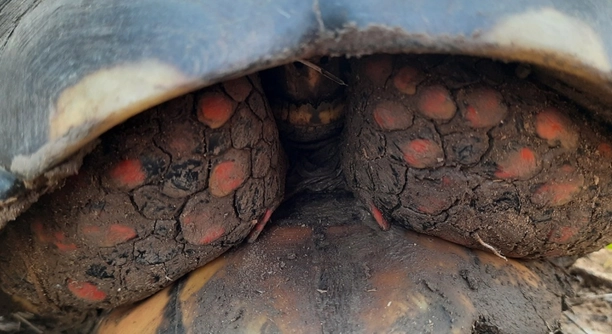
A running nose in your red-footed tortoise may cause concern. It’s not uncommon, and understanding the reasons behind it can help you address the issue quickly and effectively. Knowing what to look out for is key to maintaining their health.
A red-footed tortoise’s nose may run due to various factors such as environmental stress, infections, or humidity imbalances. These causes can lead to respiratory issues, which, if untreated, can affect their overall well-being.
Understanding the potential causes will guide you in resolving the issue and ensuring your tortoise stays healthy and happy. We’ll cover important factors to consider and offer practical steps to take.
Common Causes of a Runny Nose in Red-Footed Tortoises
A red-footed tortoise’s nose may run due to several factors, each impacting their health differently. Respiratory infections are one of the main causes. These can occur from poor living conditions, such as high humidity or cold drafts. Another common issue is improper diet, leading to vitamin deficiencies that weaken the immune system. Overcrowded enclosures or stress from sudden environmental changes can also contribute to nasal discharge.
Understanding these factors is important for addressing the problem. Infections, for example, are more common in tortoises that are kept in moist, poorly ventilated environments.
If you notice a persistent runny nose, it could signal that the tortoise’s immune system is compromised. It’s essential to act quickly to prevent the issue from escalating. Adjusting their habitat and diet is often the first step. In more severe cases, a visit to the vet might be necessary for proper diagnosis and treatment.
Environmental Stress and Humidity Levels
Humidity is a key element in your tortoise’s habitat. Red-footed tortoises require a specific humidity level to thrive, typically between 60% and 80%. If the humidity drops too low or rises too high, it can cause respiratory problems. The nose may become runny as a sign of these imbalances.
Proper ventilation in the enclosure is just as important. Without adequate airflow, the environment can become stale, leading to the growth of harmful bacteria and fungi, which can affect your tortoise’s respiratory system. Always check that there is enough space for air to circulate freely around your pet.
A well-maintained enclosure helps keep your tortoise healthy and free from respiratory issues. You can adjust the humidity by adding a small water dish or misting the enclosure periodically. Avoid over-wetting the habitat, as this can create a breeding ground for harmful organisms.
Diet and Nutrition
A poor diet can weaken your tortoise’s immune system, making it more vulnerable to respiratory infections. Vitamin A deficiency is particularly common and can lead to nasal discharge. It’s essential to provide a balanced diet rich in vegetables, fruits, and leafy greens.
Ensure your tortoise is getting the right mix of foods. Foods high in fiber and calcium are essential for bone health. Avoid offering too many sugary fruits, as they can cause digestive issues and weaken the immune system. Also, providing the occasional supplement of vitamins and minerals can support overall health.
If you suspect your tortoise’s nose is running due to a nutritional imbalance, consider adjusting their diet. You can introduce more dark leafy greens, such as collard greens or dandelion greens. These are rich in vitamin A, which supports respiratory health and immune function.
Overcrowding and Stress
Overcrowded enclosures can create stress for your red-footed tortoise. Tortoises need space to roam and establish their territory. Too many animals in a small space can lead to stress, which in turn affects their overall health, including their respiratory system.
A stressed tortoise might show symptoms like a runny nose, lack of appetite, or lethargy. Stressors like loud noises, frequent handling, or changes in their environment can trigger this. It’s crucial to create a peaceful, stable environment for your tortoise to help reduce stress and prevent health issues.
When setting up their habitat, ensure there’s enough room for your tortoise to move freely. If you have multiple tortoises, ensure the space is large enough for each one to have its own area. Adding hiding spots or small shelters within the enclosure can also provide a sense of security, which helps reduce stress.
Respiratory Infections
Respiratory infections are one of the most common reasons for a runny nose in red-footed tortoises. These infections can be caused by poor environmental conditions, such as low temperatures or improper humidity. If untreated, respiratory issues can worsen quickly.
If you notice other symptoms, such as wheezing or labored breathing, it’s crucial to address the problem promptly. Infections may require antibiotics prescribed by a veterinarian. Keep the enclosure warm and dry to help your tortoise recover and prevent further complications. Always monitor their behavior to ensure they’re not becoming more stressed.
Poor Ventilation
A lack of proper ventilation in the enclosure can lead to stagnant air, which fosters harmful bacteria and mold growth. This can cause your tortoise to develop respiratory issues, including a runny nose. Without fresh air circulating, the environment becomes a breeding ground for illness.
Ensure your tortoise’s home has adequate airflow to keep the air fresh. You can adjust ventilation by adding air holes in the enclosure or using a fan, but be careful not to create drafts. Fresh, circulating air helps maintain a healthy environment for your tortoise to thrive.
Temperature and Humidity Imbalance
Maintaining the right temperature and humidity is critical for red-footed tortoises. They require a warm environment with a humidity level of 60%-80%. Too much humidity can lead to respiratory infections, while too little can cause dehydration and weakened immunity. Adjusting both helps prevent a runny nose.
FAQ
What are the signs that my red-footed tortoise has a respiratory infection?
A red-footed tortoise with a respiratory infection may show symptoms like nasal discharge (a runny nose), wheezing, labored breathing, lethargy, or loss of appetite. If you notice these signs, it’s important to monitor the tortoise closely and make necessary changes to its environment. Infections can worsen if not treated promptly, so it’s crucial to address the issue as soon as you notice these signs. A visit to the vet is recommended if symptoms persist or worsen.
How do I improve the humidity levels in my tortoise’s habitat?
To maintain the proper humidity level of 60%-80%, you can add a shallow water dish in the enclosure, mist the area lightly with water, or use a humidifier near the habitat. However, it’s important not to overdo it, as excessive moisture can create the perfect environment for mold and bacteria. Monitor the humidity with a hygrometer to ensure that it stays within the recommended range. If the humidity is too low, you can also try placing a damp towel over part of the enclosure or using a larger water dish.
Can stress cause a tortoise’s nose to run?
Yes, stress can cause a tortoise to develop a runny nose. Stress can weaken the immune system, making it easier for infections to take hold. Factors like overcrowding, noisy environments, frequent handling, or sudden changes in temperature can lead to stress. To reduce stress, ensure that your tortoise has a spacious, quiet, and stable environment with proper temperature and humidity. Regularly checking for any signs of discomfort can help prevent further stress.
What should I do if my tortoise’s nose is running but it seems fine otherwise?
If your tortoise’s nose is running but it appears healthy in other ways, like eating well and being active, it might not be a serious issue. Check the humidity and temperature levels in the enclosure first, as poor environmental conditions often contribute to nasal discharge. If the issue persists for more than a few days or worsens, it’s best to take the tortoise to the vet to rule out infections or other underlying problems.
How do I know if my tortoise’s diet is contributing to its runny nose?
If your tortoise is not getting enough nutrients, particularly vitamin A, it could be more susceptible to respiratory issues. A lack of vitamin A is common in tortoises and can result in nasal discharge. Ensure your tortoise is getting a balanced diet that includes dark leafy greens, vegetables, and fruits that provide the necessary nutrients. You can also supplement their diet with vitamins and minerals recommended by a veterinarian if needed. A poor diet can compromise the immune system, making it harder for your tortoise to fight off infections.
Can I treat my tortoise’s runny nose at home?
If your tortoise has a mild runny nose with no other symptoms, you can try adjusting its habitat. Make sure the humidity and temperature are within the recommended range. Providing fresh food and ensuring that the tortoise is eating well can help boost its immune system. If the nasal discharge doesn’t clear up or if there are additional signs of infection, it’s best to take your tortoise to the vet for proper treatment. Some respiratory infections may require antibiotics or other treatments that should be prescribed by a professional.
What temperature should I maintain for my red-footed tortoise?
Red-footed tortoises prefer a warm environment. The temperature in their enclosure should range between 75°F and 85°F (24°C to 29°C) during the day, with a basking spot reaching around 90°F (32°C). At night, the temperature can drop slightly to around 70°F (21°C). Make sure the temperature is consistent, as temperature fluctuations can cause stress and lead to health issues, including respiratory infections.
Is it normal for my tortoise to have some mucus around its nose?
A small amount of mucus around the nose can be normal, especially if your tortoise is eating or just woke up. However, if you notice a consistent runny nose, thick mucus, or if the mucus becomes discolored, it may indicate an infection or other health problem. Keep an eye on the consistency and color of the mucus, and consult a veterinarian if the condition persists or worsens. Early intervention can prevent more serious complications.
How can I prevent my red-footed tortoise from getting sick?
Preventing illness in your tortoise is all about maintaining a stable, healthy environment. Ensure the enclosure is properly set up with the correct temperature, humidity, and ventilation. Regularly clean the habitat to avoid the buildup of harmful bacteria or mold. Offer a balanced diet with plenty of fresh vegetables and fruits. Minimize stress by providing a quiet, spacious area for your tortoise to thrive. Lastly, regular checkups with a vet can help identify potential issues early before they become serious health problems.
Can I use medications to treat my tortoise’s runny nose?
Using medication to treat a tortoise’s runny nose is best done under the guidance of a veterinarian. While over-the-counter medications may be available, they may not be suitable for reptiles and could make the problem worse. If your tortoise’s symptoms suggest an infection, it’s important to have a vet assess the situation and prescribe the right antibiotics or treatment. Never give your tortoise medication without professional advice, as reptiles have very specific needs when it comes to treatment.
Should I change my tortoise’s bedding if it has a runny nose?
Changing the bedding can help improve the overall environment and reduce the chance of infection. Bedding should be clean, dry, and free of mold or bacteria, which can trigger respiratory problems. Consider using bedding materials like coconut coir, which are absorbent and help maintain the proper humidity. Avoid using cedar or pine shavings, as they contain oils that can irritate the respiratory system. A clean, safe bedding environment is essential to support your tortoise’s health.
How long will it take for my tortoise to recover from a runny nose?
The recovery time for a tortoise with a runny nose depends on the underlying cause. If the issue is due to environmental stress or mild humidity imbalances, it may resolve in a few days once the habitat conditions are adjusted. However, if the cause is a respiratory infection, recovery may take longer, especially if treatment is needed. In general, it’s best to monitor your tortoise’s symptoms and consult a vet if the problem persists for more than a few days. Early intervention often leads to faster recovery.
Final Thoughts
A runny nose in your red-footed tortoise can be concerning, but it’s not always a sign of something serious. In many cases, it could be caused by environmental factors like humidity or temperature imbalances. Tortoises are sensitive to their surroundings, and even small changes in their habitat can affect their health. Ensuring the enclosure is the right temperature and humidity can often help resolve minor issues. Monitoring your tortoise’s behavior, including eating habits and energy levels, can also give you a better idea of how serious the problem may be.
However, if the nasal discharge persists or is accompanied by other symptoms like wheezing or lethargy, it’s essential to consult with a vet. Respiratory infections are not uncommon in tortoises, and early treatment can prevent them from worsening. A veterinarian can provide a proper diagnosis and recommend the best course of action, whether that’s adjusting environmental conditions or prescribing medication. Never hesitate to seek professional help if you’re concerned about your tortoise’s health.
Taking preventive measures can help ensure your tortoise remains healthy in the long run. Maintaining a stable habitat, offering a balanced diet, and reducing stress are key factors in keeping your red-footed tortoise happy and healthy. By creating a comfortable and safe environment, you can reduce the chances of a runny nose and other health issues. With proper care, your tortoise can live a long and healthy life.

Hello,
If you enjoy the content that we create, please consider saying a "Thank You!" by leaving a tip.
Every little bit helps us continue crafting quality advice that supports the health, happiness, and well-being of pets around the world, for pets of all shapes, sizes, and species.
We really appreciate the kindness and support that you show us!