
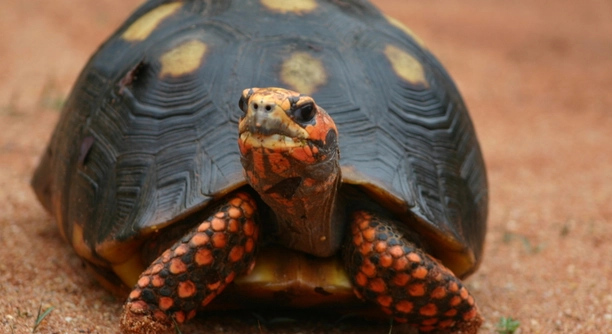
Red-footed tortoises are unique creatures with specific dietary needs. Understanding what foods are safe for them is crucial to their health and longevity. Certain foods, while common, can cause harm if fed to these gentle animals.
Some foods are toxic to red-footed tortoises, including certain fruits, vegetables, and plants. These foods can lead to digestive issues, organ damage, or even death if consumed regularly or in large amounts.
Knowing which foods to avoid can help you keep your tortoise healthy and thriving. In this article, we’ll highlight some common foods that should not be given to your red-footed tortoise.
1. Avocados
Avocados are a popular food for humans, but they are harmful to red-footed tortoises. They contain a substance called persin, which can be toxic to many animals, including reptiles. Even small amounts of avocado can cause stomach upset, heart issues, or organ failure. Though avocados may seem like a healthy choice, they should be completely avoided in your tortoise’s diet.
Persin is a compound found in avocado that causes toxicity in various animals, especially reptiles. For red-footed tortoises, it can interfere with their ability to digest food properly. It may also lead to problems with their heart and other vital organs.
Tortoises are naturally drawn to plant-based foods, so they might be tempted by the creamy texture of an avocado. However, feeding them avocado can do serious harm. There are plenty of safe fruits and vegetables you can offer instead, so it’s best to skip the avocado entirely. Always research what is safe before feeding your pet any new food.
2. Iceberg Lettuce
Iceberg lettuce is often seen as a go-to for many pet owners. However, it offers little to no nutritional value for red-footed tortoises. Iceberg lettuce is mostly water and lacks essential vitamins and minerals that tortoises need to stay healthy.
Although it won’t directly harm your tortoise, feeding it iceberg lettuce regularly can result in malnutrition. Tortoises need a balanced diet rich in fiber, vitamins, and minerals. Iceberg lettuce lacks the necessary nutrients, and relying on it can lead to poor health over time.
Instead of iceberg lettuce, opt for more nutritious leafy greens such as kale, collard greens, or dandelion leaves. These options provide the right nutrients to support your tortoise’s health and keep them energized. It’s always a good idea to provide a variety of healthy vegetables, ensuring that your tortoise receives all the essential vitamins and minerals they need for optimal well-being.
3. Rhubarb
Rhubarb is another food that is harmful to red-footed tortoises. This plant contains oxalic acid, which can be toxic to tortoises. Even small amounts of rhubarb can cause kidney problems and digestive issues. It’s best to keep this plant far from your tortoise’s diet.
While rhubarb is safe for some animals, it’s not suitable for red-footed tortoises. This plant’s high oxalic acid content can lead to kidney damage or failure. If your tortoise ingests rhubarb, you may notice signs of illness such as lethargy, loss of appetite, and difficulty moving.
Instead of rhubarb, you can feed your tortoise safer vegetables like squash, carrots, or sweet potatoes. These alternatives are both nutritious and safe for tortoises, helping to avoid any potential health risks. It’s essential to remain cautious about which plants you allow your tortoise to consume.
4. Tomatoes
Tomatoes, particularly the green parts, can be toxic to red-footed tortoises. The leaves, stems, and unripe fruit contain solanine, a compound that can cause digestive issues and other health problems. While ripe tomatoes might seem safe, it’s better to avoid them altogether.
Even though ripe tomatoes don’t contain as much solanine, it’s still safer not to feed them to your tortoise. The acidic nature of tomatoes can upset their stomachs, leading to discomfort and potential digestive issues. It’s important to err on the side of caution and select other fruits for your tortoise instead.
There are many safe fruit options for red-footed tortoises, including strawberries, melons, and papayas. These fruits offer a variety of nutrients that help support a tortoise’s health. Always stick to the most recommended fruits and avoid risky foods like tomatoes to prevent unwanted health issues.
5. Dairy Products
Dairy products are not suitable for red-footed tortoises. Like many reptiles, tortoises cannot properly digest lactose. Feeding them dairy can cause severe digestive problems, including diarrhea and stomach cramps. It’s best to keep dairy out of their diet entirely.
While dairy products might seem harmless, they can cause serious harm to your tortoise’s digestive system. Lactose intolerance is common among reptiles, meaning that tortoises have difficulty breaking down dairy products. If they consume too much, it can disrupt their gut flora and cause dehydration or other gastrointestinal issues.
Instead of dairy, focus on a diet of plant-based foods. Offer a variety of leafy greens, vegetables, and safe fruits. These are all easy for your tortoise to digest and provide them with the proper nutrition they need for good health.
6. Spinach
Spinach is high in oxalates, which can cause kidney problems in red-footed tortoises. While it is not immediately toxic, feeding it regularly can lead to health issues over time. It’s better to limit spinach in their diet and focus on safer leafy greens.
Oxalates bind with calcium, preventing the absorption of this vital mineral. For tortoises, this can lead to shell deformities, weakened bones, and other health complications. Although spinach contains beneficial nutrients, the risks associated with oxalates outweigh its benefits.
Consider replacing spinach with other nutritious greens like collard greens, mustard greens, or dandelion leaves. These alternatives provide calcium and other essential nutrients without the risks that come with high oxalate content.
7. Apple Seeds
Apple seeds contain cyanide, a toxic compound for many animals, including red-footed tortoises. If ingested in large amounts, apple seeds can cause poisoning. It’s safer to remove the seeds before offering apples to your tortoise.
Cyanide in apple seeds can lead to severe health problems such as organ failure and respiratory issues. Even a small amount of seeds can be dangerous, so it’s important to avoid feeding them directly to your tortoise. Remove the seeds and offer the fruit in moderation.
As a safer alternative, you can feed your tortoise other fruits like blueberries, grapes, or papaya. These fruits are nutritious and much less risky for your tortoise’s health.
FAQ
Can red-footed tortoises eat grapes?
Yes, red-footed tortoises can eat grapes, but only in moderation. Grapes are high in sugar, which can cause digestive problems if consumed in excess. Offering a small number of grapes as an occasional treat is fine, but they should not make up a large part of their diet. Instead, focus on more fiber-rich fruits and vegetables.
Is it safe to feed red-footed tortoises bananas?
Bananas are safe for red-footed tortoises in small amounts. While they provide some essential nutrients, bananas are also high in sugar, which can lead to obesity or digestive issues if fed regularly. Stick to offering banana slices as a rare treat rather than a daily food source.
What vegetables should I avoid feeding my red-footed tortoise?
Avoid feeding your red-footed tortoise vegetables that are high in oxalates or goitrogens. Vegetables like spinach, kale, and cabbage should be given sparingly because they can interfere with calcium absorption or disrupt thyroid function. Stick to safer leafy greens like dandelion greens, mustard greens, and collard greens.
Can red-footed tortoises eat carrots?
Yes, red-footed tortoises can eat carrots. Carrots are safe and provide essential vitamins like vitamin A. However, since they are low in calcium, they should not be the primary vegetable in your tortoise’s diet. Carrots can be offered as part of a varied vegetable mix.
Are there any fruits that are toxic to red-footed tortoises?
Yes, there are fruits that can be toxic to red-footed tortoises, including those with seeds or pits such as cherries, peaches, and apricots. The seeds and pits contain cyanide, which is harmful to tortoises. Always remove seeds and pits before feeding fruit to your tortoise.
How often should I feed my red-footed tortoise?
Adult red-footed tortoises should be fed every other day. They require a varied diet, including leafy greens, fruits, and vegetables. Juveniles should be fed daily to support their growth, but always keep portion sizes appropriate to avoid overfeeding. Make sure they have access to fresh water daily as well.
Can red-footed tortoises eat flowers?
Yes, red-footed tortoises can eat certain flowers, but only the safe ones. Flowers like hibiscus, dandelions, and geraniums are good options. Avoid flowers from plants that may have been treated with pesticides or chemicals, as these can harm your tortoise.
Is it okay to feed my red-footed tortoise meat or animal protein?
Red-footed tortoises are primarily herbivores, so animal protein should be avoided in their diet. Occasionally, they may consume small insects or carrion in the wild, but this is not necessary in captivity. Their diet should be mostly plant-based to ensure they receive proper nutrition and avoid health problems.
Can I feed my tortoise iceberg lettuce?
Iceberg lettuce should be avoided when feeding your red-footed tortoise. It has very little nutritional value and can cause digestive upset. Instead, offer more nutritious leafy greens like romaine lettuce, collard greens, and dandelion leaves, which provide more vitamins and fiber.
Should I feed my red-footed tortoise a balanced diet every day?
Yes, it’s essential to feed your red-footed tortoise a balanced diet every day. Their diet should consist mainly of leafy greens, vegetables, and some fruits, ensuring they receive the proper mix of vitamins, minerals, and fiber. A balanced diet will help maintain their overall health and shell condition.
Are there any foods that can help improve my tortoise’s shell health?
Foods rich in calcium and vitamin D are key for a healthy shell. You can provide dark leafy greens like collard greens, kale, and mustard greens, which are high in calcium. Offering a calcium supplement can also help, but it’s best to consult a veterinarian for the right dosage.
Can red-footed tortoises eat cactus?
Yes, red-footed tortoises can eat cactus. Cactus pads are a good source of hydration and provide fiber. Just make sure the cactus is free of thorns before offering it to your tortoise. Cactus should be given as a supplement to their regular diet of greens and vegetables.
Is it necessary to offer my tortoise a variety of foods?
Yes, offering a variety of foods is important to ensure that your red-footed tortoise gets a well-rounded diet. A variety of vegetables, fruits, and leafy greens provides different nutrients that help support their overall health. Mix it up to prevent boredom and ensure nutritional balance.
Can I feed my tortoise food scraps?
It’s not advisable to feed your red-footed tortoise food scraps, especially if they come from prepared human meals. Many food scraps may contain spices, salt, or preservatives that are harmful to tortoises. It’s better to stick to fresh, natural vegetables, fruits, and greens to avoid any risk of toxicity.
Final Thoughts
Taking care of a red-footed tortoise requires careful attention to their diet. These tortoises need a balanced mix of fresh vegetables, fruits, and leafy greens to stay healthy. While it might seem tempting to share different foods with them, it’s crucial to remember that not all human foods are safe for reptiles. Some common fruits, vegetables, and plants can be harmful or even toxic to tortoises, leading to long-term health issues.
It’s important to focus on providing foods that are rich in fiber, calcium, and vitamins. Leafy greens such as dandelion greens, collard greens, and mustard greens should be part of their regular diet. Fruits like papaya, strawberries, and melon can also be offered occasionally but in moderation. These foods support your tortoise’s digestive health and contribute to a strong, healthy shell. Avoid foods that are high in oxalates, such as spinach, and steer clear of high-sugar fruits, like bananas and grapes, which should only be given in small amounts.
By being mindful of what you feed your red-footed tortoise, you can help ensure they live a long and healthy life. Avoid feeding them foods that are known to cause harm, like avocado, tomatoes, and rhubarb. Always remove seeds or pits from fruits like apples and avoid offering foods that are high in oxalates or goitrogens. Researching the best foods for your tortoise will help you make informed decisions about their diet. Regularly checking for safe, nutritious foods and providing variety will keep your tortoise happy and thriving.

Hello,
If you enjoy the content that we create, please consider saying a "Thank You!" by leaving a tip.
Every little bit helps us continue crafting quality advice that supports the health, happiness, and well-being of pets around the world, for pets of all shapes, sizes, and species.
We really appreciate the kindness and support that you show us!