
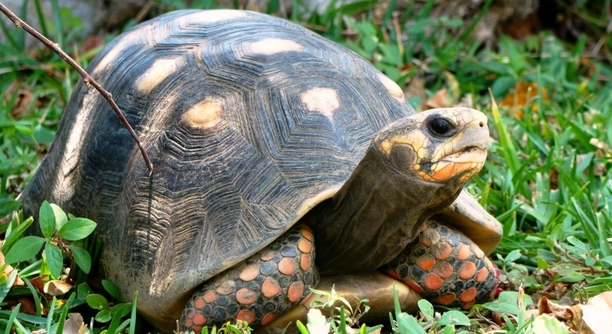
Red-footed tortoises have a varied diet, often including fruits, vegetables, and other plant matter. One question that arises for many tortoise owners is whether sweet potatoes are a suitable addition to their meals.
Yes, red-footed tortoises can eat sweet potatoes. They offer beneficial nutrients like fiber, vitamins, and minerals, making them a healthy option when served in moderation. Sweet potatoes should be prepared properly to ensure they are safe and easily digestible.
Proper preparation methods are important to ensure the tortoise benefits from sweet potatoes without digestive issues. Avoid seasoning and serve them in manageable pieces for the best results.
Benefits of Sweet Potatoes for Red-Footed Tortoises
Sweet potatoes provide a variety of nutritional benefits for red-footed tortoises. They are rich in vitamins such as A and C, essential for the overall health and immune system of your tortoise. The high fiber content aids in digestion, helping maintain a healthy gut. Additionally, sweet potatoes are a good source of antioxidants, which can protect the tortoise from oxidative stress. When fed occasionally and in moderation, sweet potatoes can be a nutritious treat that supports various bodily functions, including vision and skin health. However, it’s essential to serve them correctly to avoid any potential issues.
To make sweet potatoes a beneficial part of your tortoise’s diet, ensure they are prepared properly. Steaming or boiling them without seasoning is ideal. This allows the tortoise to enjoy all the nutrients without any added sugars, salts, or spices that could be harmful.
Sweet potatoes should not be a staple but rather an occasional treat. It’s crucial to offer a balanced diet, including leafy greens, to maintain a healthy and varied nutrition plan for your tortoise. By occasionally offering sweet potatoes, you can enhance your tortoise’s diet while providing a tasty and nutritious option.
How to Prepare Sweet Potatoes for Your Tortoise
Preparation is key to ensuring sweet potatoes are safe and beneficial for your red-footed tortoise. Cut the sweet potato into small, manageable pieces to avoid choking hazards. Steam or boil the pieces to make them softer and easier to digest. Avoid any seasoning or added ingredients like butter or oils, as these can upset your tortoise’s digestive system. Additionally, always allow the sweet potato pieces to cool before offering them to your tortoise.
Sweet potatoes can be served as part of a larger vegetable mix, or on their own, ensuring your tortoise enjoys a healthy and varied meal.
Risks of Feeding Too Much Sweet Potato
Feeding too much sweet potato can lead to an imbalance in your tortoise’s diet. High in starch and sugar, excessive amounts can cause weight gain and digestive issues. Too many sweet potatoes may also reduce the intake of other essential nutrients, leading to deficiencies. Moderation is key for a healthy tortoise.
Sweet potatoes should not replace other foods in your tortoise’s diet. They are best offered as a supplement to their main meals, which should include leafy greens and other vegetables. Overfeeding can lead to gastrointestinal discomfort and bloating, which can cause stress to your tortoise. Make sure you vary the food options to ensure your tortoise stays healthy.
Feeding sweet potatoes occasionally as part of a well-rounded diet can offer health benefits. However, sticking to recommended serving sizes ensures that your tortoise maintains a proper weight and receives a broad range of nutrients. Always observe your tortoise’s reactions to new foods and adjust accordingly.
How Often Should You Feed Sweet Potatoes?
Sweet potatoes should be given as an occasional treat, not a regular part of your tortoise’s diet. A good rule of thumb is to offer them once every one or two weeks. Providing a wide variety of vegetables is essential for maintaining a balanced diet, and sweet potatoes are best as an infrequent addition.
Too much of any single food can lead to nutritional imbalances. Red-footed tortoises benefit from a diet rich in fiber and low in sugar. Serving sweet potatoes once every two weeks offers a good balance, providing nutrients without overwhelming their system. Always keep an eye on your tortoise’s behavior and weight to ensure they’re doing well.
By varying their food choices and providing occasional sweet potatoes, you can give your tortoise a treat without overfeeding. This allows for better digestion and prevents the buildup of unwanted sugars and starches.
How to Introduce Sweet Potatoes to Your Tortoise
Start by offering a small portion of cooked sweet potato to your tortoise. Monitor their response to ensure they don’t experience any digestive issues. Gradually increase the amount if your tortoise seems to enjoy it and tolerate it well.
Always introduce new foods slowly, especially those that are starchy. Begin with small, manageable pieces of boiled or steamed sweet potatoes to avoid overwhelming your tortoise’s digestive system. Be cautious and observe any changes in behavior or stool consistency. If any issues arise, discontinue feeding sweet potatoes and consult with a vet.
Other Foods to Feed Your Tortoise
In addition to sweet potatoes, red-footed tortoises thrive on a diet of leafy greens, fruits, and various vegetables. Kale, dandelion greens, and hibiscus flowers are great options. Occasionally offering fruits like strawberries and mangoes will provide variety. Avoid feeding too much fruit, as the high sugar content may upset their digestion.
Preparing for Different Dietary Needs
Different tortoises may have slightly varied dietary preferences, depending on their age and health. Younger tortoises tend to require more protein, while adults benefit more from a plant-based diet rich in fiber. Always ensure your tortoise’s diet is appropriate for its specific needs, adjusting portions as needed.
FAQ
Can red-footed tortoises eat raw sweet potatoes?
It is not recommended to feed red-footed tortoises raw sweet potatoes. Raw sweet potatoes can be harder for them to digest and may cause stomach upset. Cooking the sweet potatoes, either by steaming or boiling, softens them, making them easier to digest while still retaining their nutrients. Always ensure that the sweet potato is cut into small, manageable pieces to avoid any choking hazards.
Can sweet potatoes be a staple food for red-footed tortoises?
Sweet potatoes should not be a staple in a red-footed tortoise’s diet. While they offer some nutritional value, sweet potatoes are high in starch and sugar. Feeding them regularly may cause digestive problems, weight gain, or nutrient imbalance. It’s important to offer a variety of other foods, such as leafy greens and vegetables, to ensure a well-rounded diet.
How often should sweet potatoes be fed to a red-footed tortoise?
Sweet potatoes should be fed sparingly, approximately once every one or two weeks. Overfeeding can lead to health issues such as obesity or digestive problems. Instead, focus on providing a diverse range of vegetables, leafy greens, and fruits in moderation. This will ensure your tortoise receives the proper balance of nutrients.
Can I feed my red-footed tortoise sweet potato skins?
It’s best to avoid feeding the skins of sweet potatoes to your red-footed tortoise. While the skins are edible for humans, they can be tough and difficult for tortoises to digest. It’s safer to peel the sweet potatoes before offering them to your tortoise, ensuring they can easily break down and absorb the nutrients.
Is it necessary to peel sweet potatoes before feeding them to a red-footed tortoise?
Yes, peeling the sweet potatoes is recommended. The skin of sweet potatoes is often tough and can be hard for red-footed tortoises to digest properly. Removing the skin and offering only the soft, cooked flesh ensures that your tortoise can easily digest the food without potential digestive issues.
Are there any health risks if my red-footed tortoise eats too many sweet potatoes?
Yes, feeding too many sweet potatoes can lead to several health risks. Excessive consumption of sweet potatoes, which are high in starch and sugar, can result in weight gain, obesity, and digestive disturbances. It’s essential to feed sweet potatoes in moderation and ensure your tortoise’s diet is balanced with other appropriate vegetables, fruits, and fiber-rich foods.
Can I feed my tortoise canned sweet potatoes?
Canned sweet potatoes are not recommended for red-footed tortoises. Canned versions often contain added preservatives, sugars, and salt, which can be harmful to tortoises. Always opt for fresh sweet potatoes and prepare them by boiling or steaming without any added seasonings to ensure your tortoise receives the healthiest option.
What are the signs that my red-footed tortoise is not tolerating sweet potatoes?
If your tortoise is not tolerating sweet potatoes, signs may include lethargy, diarrhea, or changes in appetite. If you notice any of these symptoms after introducing sweet potatoes, stop feeding them and monitor your tortoise closely. Consult with a veterinarian if symptoms persist or worsen, as they could indicate digestive upset or a more serious issue.
How can I make sweet potatoes more appealing to my red-footed tortoise?
To make sweet potatoes more appealing to your tortoise, try mixing them with other vegetables they enjoy. Offering sweet potatoes alongside greens like kale or dandelion leaves can make the meal more diverse and interesting. Additionally, serving them in different textures, such as mashed or cubed, may attract your tortoise’s attention.
Can I feed sweet potatoes to my tortoise if it is sick or recovering from an illness?
If your tortoise is sick or recovering, it is best to avoid feeding sweet potatoes until they are fully recovered. Sweet potatoes are relatively high in sugar and starch, which may not be ideal for a tortoise with digestive issues or a weakened immune system. Stick to easily digestible foods, like leafy greens, until your tortoise is back to full health.
Can red-footed tortoises eat other types of potatoes?
While red-footed tortoises can technically eat other types of potatoes, it’s best to avoid feeding them white or russet potatoes. These varieties are starchy and may be harder for tortoises to digest. Stick to sweet potatoes, which provide more nutritional value and are easier for your tortoise to handle when cooked properly. Always peel and cook the potatoes to make them safe for your tortoise.
Can I feed my red-footed tortoise sweet potatoes with other fruits or vegetables?
Yes, you can mix sweet potatoes with other fruits and vegetables, but it’s important to keep in mind that sweet potatoes are high in sugar. Limit the quantity of sweet potatoes when combining them with other sweet fruits. Make sure to also include a variety of vegetables like leafy greens to create a balanced meal.
Final Thoughts
Feeding sweet potatoes to red-footed tortoises can be a healthy treat when prepared and served in moderation. These tortoises can enjoy small amounts of cooked sweet potatoes as part of a varied diet. However, it is important to remember that sweet potatoes should not be the primary food source for your tortoise. A balanced diet consisting of leafy greens, vegetables, and occasional fruits is essential for their health and well-being.
Overfeeding sweet potatoes can lead to digestive issues, obesity, and other health complications due to their high starch and sugar content. The best way to ensure your tortoise stays healthy is by offering sweet potatoes infrequently, perhaps once or twice a month, and paying attention to their overall diet. When introducing new foods, including sweet potatoes, always monitor your tortoise’s response to avoid any digestive discomfort. Additionally, ensuring that food is cut into small, manageable pieces will help prevent choking hazards.
A well-rounded diet that includes a variety of vegetables and fruits, along with the occasional treat of sweet potatoes, is key to keeping your red-footed tortoise healthy. It’s crucial to avoid feeding your tortoise too many starchy foods, as it may lead to imbalanced nutrition. By sticking to a proper feeding schedule and providing diverse food options, you can keep your tortoise thriving and happy for years to come.

Hello,
If you enjoy the content that we create, please consider saying a "Thank You!" by leaving a tip.
Every little bit helps us continue crafting quality advice that supports the health, happiness, and well-being of pets around the world, for pets of all shapes, sizes, and species.
We really appreciate the kindness and support that you show us!