
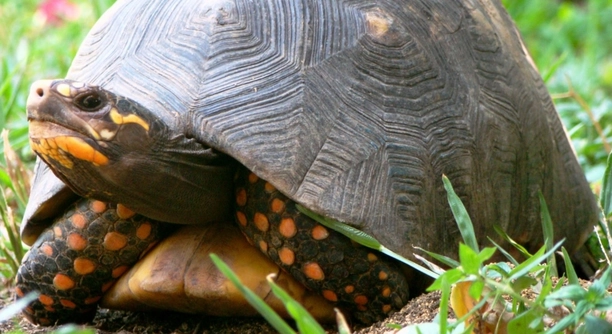
A red-footed tortoise’s shell may crack for several reasons, from environmental factors to health issues. Understanding the causes and knowing how to treat the cracks can help your tortoise stay healthy and comfortable.
Cracking of a red-footed tortoise’s shell can result from improper humidity, poor diet, injury, or infection. A lack of essential nutrients and improper living conditions, like insufficient humidity, can contribute to shell damage, requiring immediate care.
Proper care is essential to prevent further damage. Addressing environmental factors and diet can promote healing and long-term shell health.
Common Causes of Shell Cracking
Shell cracks in red-footed tortoises can occur for several reasons. A major factor is improper humidity levels in their environment. These tortoises need a humid habitat to keep their shells healthy and hydrated. If the humidity is too low, their shells may dry out and become brittle, leading to cracks. Another common issue is an unbalanced diet. A lack of calcium and other essential nutrients can weaken the shell, making it more susceptible to damage. Poor living conditions, such as exposure to extreme temperatures or rough surfaces, may also contribute to shell cracking. In some cases, injuries from falls or rough handling can cause cracks to form.
Tortoises that are exposed to dry environments or are not fed the right nutrients are at a higher risk.
Proper care, including a balanced diet and adequate humidity, can prevent shell cracking. Regular checks on your tortoise’s environment can help avoid these issues before they become serious.
How to Treat a Cracked Shell
If your red-footed tortoise’s shell is cracked, it’s essential to address the problem promptly. Minor cracks may heal on their own if the tortoise is provided with the right care. However, more severe cracks may require veterinary attention. First, ensure that the tortoise is in a clean, warm environment with proper humidity. This promotes healing and reduces the risk of infection. If the crack is deep or if the shell appears infected, you should seek professional help. A veterinarian may clean the wound, apply medication, and possibly recommend a shell repair procedure.
To promote healing, consider adjusting their diet. Provide foods rich in calcium, such as dark leafy greens, to encourage shell regeneration.
Keeping the environment stable and clean will help prevent further issues. Healing can take time, but with the right care, your tortoise will recover.
How to Prevent Shell Cracking
To prevent shell cracking, ensure your tortoise’s habitat has consistent humidity and temperature. Shell health largely depends on their environment, so regular maintenance is key. A proper diet and the right living conditions can make a big difference.
Ensure your tortoise has access to clean, fresh water daily. A shallow water dish helps them stay hydrated, which is essential for shell health. Offer a balanced diet, including dark leafy greens and calcium-rich foods like collard greens or dandelion greens. Adequate UVB lighting is also crucial for calcium absorption and overall health.
Regularly clean the tortoise’s living space to avoid bacteria build-up. Sanitize their enclosure and replace any soiled bedding. Red-footed tortoises also need areas where they can retreat from light and humidity if they choose. A secure and comfortable habitat promotes long-term shell health.
When to Seek Veterinary Help
If a red-footed tortoise’s shell crack appears severe, seek professional help immediately. When cracks go deeper than the outer layer, they may expose the tissue beneath, increasing the risk of infection. In such cases, a vet’s intervention is necessary.
In addition to visible cracks, other signs that may require a vet’s attention include swelling, pus discharge, or the tortoise becoming lethargic. These could indicate an infection, and prompt treatment is vital. A vet will clean the wound, apply medication, and provide guidance on how to care for the injury. The treatment process might include antibiotics or even surgical intervention depending on the severity of the crack.
Taking action as soon as you notice any abnormal changes will improve your tortoise’s chances of recovery. A vet’s advice can make a difference in preventing complications and ensuring long-term health.
Identifying the Severity of the Crack
To assess the severity of a shell crack, closely examine its depth and location. Minor surface cracks may not pose immediate risks, but deeper cracks could lead to infection. If the crack exposes tissue, it’s essential to act fast.
Look for signs like swelling, discoloration, or discharge. These indicate infection, requiring prompt treatment. In cases where the crack is superficial, you can monitor it and adjust the environment to support healing. For deeper or more serious cracks, veterinary care is necessary.
Keeping Your Tortoise Comfortable
To support healing, provide a comfortable space with a steady temperature and humidity. This ensures the tortoise remains stress-free and can focus on recovery. Place your tortoise in an area with low traffic to avoid additional stress or accidental injury.
Create a designated resting spot away from the enclosure’s bright lights. This offers the tortoise a calm, safe place where it can heal without disturbance. Make sure the bedding is clean and soft, reducing pressure on the cracked area.
Environmental Factors to Consider
The environment plays a crucial role in the healing process. If humidity levels are too low, the shell may dry out, making it harder for the crack to heal. Aim for a humidity level of 60-80%.
Also, consider the temperature. The ideal temperature for red-footed tortoises is between 75°F and 85°F during the day. At night, temperatures can drop slightly. Maintaining these conditions helps prevent further damage to the shell and supports overall health.
FAQ
Why is my red-footed tortoise’s shell cracking?
Cracking can happen due to several factors, including environmental stress, poor diet, or physical injury. Low humidity, inadequate calcium intake, or rough handling can weaken the shell and cause cracks. It’s important to maintain stable humidity, provide proper nutrition, and handle your tortoise gently.
How can I fix a cracked shell on my red-footed tortoise?
For minor cracks, clean the area and adjust the humidity and diet. For deeper cracks, a vet may need to clean the wound and apply medication. In severe cases, surgery may be required. Keeping the environment stable helps with recovery.
Can a cracked shell heal on its own?
In some cases, minor cracks can heal on their own with proper care. The key is to provide a balanced diet, correct humidity, and a stress-free environment. If the crack doesn’t improve or worsens, professional help may be necessary.
What should I feed my tortoise to help its shell heal?
Feeding your tortoise calcium-rich foods, like dark leafy greens (collard greens, dandelion greens) and calcium supplements, is crucial for shell health. Also, provide a variety of vegetables and fruits to ensure they get the necessary nutrients. A healthy diet supports shell growth and repair.
How do I keep my tortoise’s shell hydrated?
Maintaining the proper humidity levels in the enclosure is vital for hydration. A humidity level between 60% and 80% will help keep your tortoise’s shell from becoming too dry. Adding a shallow water dish that your tortoise can easily access also supports hydration.
When should I consult a vet for a cracked shell?
If the crack is deep, there’s visible tissue damage, or if you notice signs of infection (swelling, pus, or discharge), seek veterinary help immediately. A vet can clean the wound and administer treatment to avoid complications.
Can I use any over-the-counter products to treat the crack?
It’s best to avoid over-the-counter products unless recommended by a vet. Some products may cause further harm or infection. Always consult with a veterinarian before applying any treatments to your tortoise’s shell.
How long does it take for a cracked shell to heal?
Healing time depends on the severity of the crack. Minor cracks may heal within a few weeks, while more severe injuries can take several months. It’s important to monitor the healing process and adjust care as needed to avoid complications.
What are the signs of a shell infection?
Infections can occur if a crack becomes infected. Signs include swelling, redness, discharge, or a foul odor coming from the crack. If any of these symptoms appear, consult a veterinarian to prevent further damage to your tortoise’s health.
Can I prevent shell cracking in my tortoise?
Prevention is possible with the right care. Ensure your tortoise’s enclosure has the correct humidity and temperature. Provide a balanced diet with calcium-rich foods, and handle your tortoise gently. Regularly clean the enclosure and check for signs of shell wear.
Can a cracked shell affect my tortoise’s mobility?
In severe cases, a cracked shell can affect a tortoise’s movement if the injury impacts the structural integrity of the shell. This is rare, but if the crack is deep, it can cause discomfort and limit mobility. Seek professional help if you notice changes in behavior.
Is it safe to allow my tortoise outside if its shell is cracked?
It’s not recommended to let a tortoise with a cracked shell roam outside until the injury has healed. The exposure to rough surfaces or dirt could cause further damage or infection. Keep your tortoise in a controlled, safe environment until fully healed.
Can stress cause shell cracking?
Yes, stress can contribute to shell cracking. Stress from improper housing conditions, overhandling, or loud environments can weaken your tortoise’s immune system and cause shell damage. Creating a calm, secure habitat is essential to preventing stress-related issues.
Are red-footed tortoises prone to shell cracking?
While red-footed tortoises are not especially prone to shell cracking, improper care can increase the risk. Maintaining stable humidity, a balanced diet, and regular handling habits will reduce the chances of shell damage. Providing the right care ensures long-term health and shell integrity.
Can a red-footed tortoise survive without a fully intact shell?
The shell is a crucial part of a tortoise’s defense and overall health. While tortoises can survive with a cracked shell, it’s important to seek veterinary care for serious injuries. A shell that is too damaged can lead to infections or permanent harm if not treated.
Can I prevent cracks from forming in my tortoise’s shell?
Prevention requires a combination of proper diet, humidity, temperature, and safe handling. Regular checks of the tortoise’s environment and shell condition can help catch problems early. Ensuring your tortoise’s shell stays hydrated and strong reduces the risk of cracking.
Final Thoughts
Cracking in a red-footed tortoise’s shell can be concerning, but with the right approach, it can often be managed effectively. The shell is a vital part of a tortoise’s protection, so any sign of damage should be taken seriously. Minor cracks might not need immediate intervention, but keeping an eye on them is important. If you notice any worsening or signs of infection, professional help is necessary. Providing a stable, comfortable environment with the right humidity and temperature will go a long way in supporting the healing process and preventing future damage.
Diet is another key factor in maintaining a healthy shell. A calcium-rich diet, consisting of leafy greens and vegetables, helps support shell strength. Inadequate nutrition, especially a lack of calcium, can lead to weakened shells that are more prone to cracking. Additionally, ensuring your tortoise gets enough hydration and exposure to UVB light is essential for its overall health and shell integrity. Avoiding stress and rough handling also plays a role in keeping the shell intact.
Lastly, prevention is always better than treatment. Regularly monitoring your tortoise’s living conditions, such as humidity and temperature, can prevent many issues. Providing a safe, quiet space for your tortoise to rest and avoid any unnecessary stress can also help keep its shell healthy. If you notice any changes in behavior, shell appearance, or signs of distress, addressing them quickly will ensure your tortoise remains comfortable and well. Taking a proactive approach and maintaining proper care can help prevent cracks and other health issues from affecting your tortoise in the future.

Hello,
If you enjoy the content that we create, please consider saying a "Thank You!" by leaving a tip.
Every little bit helps us continue crafting quality advice that supports the health, happiness, and well-being of pets around the world, for pets of all shapes, sizes, and species.
We really appreciate the kindness and support that you show us!