
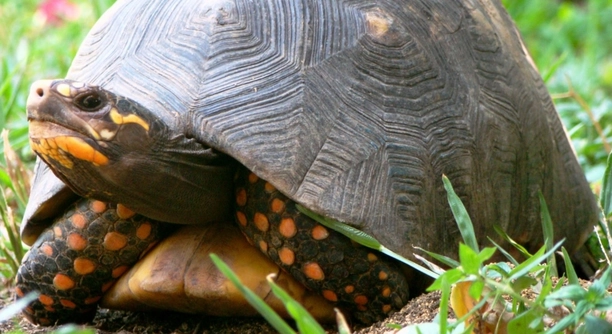
Red-footed tortoises are fascinating creatures, but like all pets, they are susceptible to parasites that can harm their health. As a responsible owner, knowing how to prevent these parasites is crucial for ensuring their well-being.
To prevent parasites in red-footed tortoises, it’s important to focus on a clean habitat, proper diet, and regular health check-ups. Natural methods, like maintaining proper hygiene and feeding a balanced, parasite-free diet, help keep your tortoise parasite-free.
By implementing simple, natural practices, you can easily protect your tortoise from parasites. With the right knowledge, your red-footed friend can live a healthy, comfortable life.
Keep Their Habitat Clean
A clean environment is one of the best ways to prevent parasites from affecting your red-footed tortoise. Regularly clean the enclosure, removing any leftover food, feces, or uneaten plants. Make sure to wash the tortoise’s bedding with safe cleaning products to eliminate harmful bacteria. Changing the water frequently also helps keep parasites at bay. Tortoises can pick up parasites from their surroundings, so maintaining hygiene is crucial for their health. It’s recommended to disinfect the area with non-toxic cleaners at least once a month. This minimizes the chances of parasites settling in their habitat.
Regularly check for any signs of parasites, such as changes in behavior or appearance. If you notice anything unusual, it’s a good idea to isolate your tortoise and consult with a vet.
Keeping your tortoise’s living space clean will also help avoid unnecessary stress, which can weaken their immune system. Stressful environments can make them more vulnerable to infections and parasites. Ensuring a safe, calm space not only promotes their physical health but also keeps them active and content.
Proper Diet for Red-Footed Tortoises
A well-balanced diet is essential for preventing parasites in red-footed tortoises.
Feeding your tortoise a variety of fresh, high-quality vegetables, fruits, and greens can boost their immune system and make them less prone to parasite infestations. Stick to foods that are rich in nutrients and free from pesticides. In particular, leafy greens like dandelion greens and collard greens are great for their diet. Be sure to wash everything thoroughly to avoid any contamination.
Feeding your tortoise a proper diet not only supports their overall health but also helps them maintain a strong immune system that can fight off harmful parasites. Avoid feeding them too much fruit, as it can lead to digestive issues. You can also supplement their diet with calcium to ensure strong bones and a healthier immune system. A solid diet plan is one of the best preventive measures against parasites.
Regular Vet Check-ups
Taking your red-footed tortoise to the vet regularly is a key step in preventing parasites. Routine check-ups ensure early detection of any health issues. The vet can help identify any signs of parasites before they become serious, keeping your tortoise in top health.
During these visits, the vet will likely conduct fecal tests to check for parasites and recommend any preventive treatments, such as deworming. It’s important to stick to a regular schedule based on your tortoise’s age and health. This routine will help catch any potential problems early, allowing for easier treatment.
Even if your tortoise seems healthy, regular vet visits are important to maintain overall health and prevent parasites. The vet can also offer guidance on how to create the best living environment, keeping your tortoise safe from harmful bacteria and parasites. It’s always better to prevent than treat, so these check-ups will ensure long-term well-being.
Natural Pest Control Methods
Natural pest control is an effective way to reduce the risk of parasites in your tortoise’s habitat.
Certain natural methods, like using diatomaceous earth, can help eliminate pests in your tortoise’s living area. This substance is non-toxic to reptiles but deadly to insects. Sprinkle it lightly in areas where insects might hide or on the bedding. It’s a natural and safe option to keep their space free from parasites. Another method is introducing beneficial insects that keep harmful ones in check. These can help balance the ecosystem in your tortoise’s enclosure.
Additionally, regularly changing the substrate, removing debris, and using natural repellents like neem oil can further protect your tortoise. Make sure that any pest control method you use doesn’t harm your tortoise. Keep their environment fresh and healthy with minimal chemical use. Using these methods consistently will help avoid parasite problems.
Quarantine New Tortoises
Before introducing a new red-footed tortoise to your current one, it’s crucial to quarantine the newcomer. This helps prevent the spread of parasites or diseases. Keep the new tortoise in a separate enclosure for at least 30 days.
During the quarantine period, observe the new tortoise for any signs of illness or parasites. Ensure it is properly fed and hydrated, and clean its living area regularly. If any issues arise, contact a vet for further evaluation. Quarantining prevents potential infections and ensures your current tortoise stays healthy.
Hygiene and Handwashing
Always wash your hands after handling a tortoise, especially before touching food or other pets. Parasites can transfer easily through contact, so good hygiene is essential.
By washing your hands regularly, you prevent parasites from spreading between enclosures or onto your tortoise’s food. It’s a simple but effective way to protect your pet from harmful organisms that could cause illness. Cleanliness is an easy step that makes a big difference.
Use of Organic Plants
Providing your tortoise with organic plants can help prevent the introduction of harmful chemicals and pesticides that may lead to parasite infestations.
Non-organic plants can carry pesticide residues that your tortoise might ingest. Stick to plants that are grown without chemicals, as they are safer for both your tortoise and the environment. Growing your own safe, organic plants is an excellent way to ensure their food is free from harmful substances that could lead to parasites.
FAQ
What are the common signs of parasites in red-footed tortoises?
Common signs of parasites in red-footed tortoises include changes in their behavior, such as lethargy, reduced appetite, or difficulty moving. You may also notice changes in their stool, such as diarrhea or mucus. Weight loss is another indicator. In some cases, you might see visible changes to their skin or shell, such as swelling or lesions. If you notice any of these signs, it’s important to consult a vet to determine if parasites are present and how to treat them.
How can I prevent parasites from entering my tortoise’s environment?
To prevent parasites from entering your tortoise’s environment, it’s important to maintain a clean enclosure. Regularly remove feces, uneaten food, and any moldy materials. Make sure to wash the bedding and change the water frequently. You should also avoid introducing any new plants, insects, or animals that may carry parasites. If you do introduce new elements, ensure they are properly disinfected and quarantined to reduce the risk of contamination. Keeping their living area dry and well-ventilated helps reduce the growth of harmful organisms.
Can parasites be transmitted between tortoises?
Yes, parasites can be transmitted between tortoises, especially when they are housed in the same enclosure. This is why quarantining new tortoises before introducing them to your existing pets is essential. Direct contact, sharing food or water, or using the same substrate can all lead to the spread of parasites. Regularly cleaning the enclosure and monitoring the health of each tortoise is important in preventing the transmission of parasites.
Are there any natural remedies for parasites in tortoises?
Natural remedies can help prevent and manage parasites in tortoises, but they should not replace professional veterinary care. Some owners use diatomaceous earth in their tortoise’s environment to help control insects and parasites naturally. Herbal remedies like wormwood and garlic are sometimes suggested, but these should only be used under the guidance of a vet. Always ensure that the natural remedies you use are safe and effective for tortoises.
How often should I deworm my red-footed tortoise?
The frequency of deworming depends on your tortoise’s age, health, and living conditions. Generally, red-footed tortoises are dewormed once or twice a year, but more frequent treatments may be necessary if they show signs of parasitic infection. A vet will typically conduct a fecal test to determine whether deworming is needed. It’s best to follow your vet’s recommendations based on their observations.
Can I use pesticides in my tortoise’s habitat?
It is not recommended to use pesticides in a red-footed tortoise’s habitat, as many chemicals can be toxic to reptiles. Instead, focus on using natural pest control methods, such as diatomaceous earth, neem oil, or beneficial insects. These are safer alternatives that can help manage pests and parasites without risking your tortoise’s health. Always research the safety of any product before using it in your tortoise’s environment.
How can I tell if my tortoise’s food is contaminated with parasites?
Parasites in food are difficult to detect with the naked eye, but there are ways to reduce the risk. Always wash fresh vegetables and fruits thoroughly before feeding them to your tortoise. Avoid using any pesticides or chemicals on the plants, and consider growing your own organic greens. If you are feeding your tortoise pre-packaged foods, check the label for any signs of contamination or recalls. A vet can also perform tests to detect internal parasites if needed.
Are certain types of tortoises more prone to parasites?
Some species of tortoises are more prone to parasites than others due to their natural environments and diets. Red-footed tortoises are relatively hardy, but they can still fall victim to internal and external parasites if their environment is not properly managed. Tortoises in captivity, especially those living in unclean or overcrowded conditions, are at a higher risk. Keeping their habitat clean and ensuring they receive proper care significantly reduces the likelihood of parasites.
What should I do if I suspect my tortoise has a parasite infection?
If you suspect your tortoise has a parasite infection, the first step is to consult a vet. A fecal test can determine if parasites are present, and the vet will recommend appropriate treatment options. In the meantime, make sure to keep your tortoise in a clean and separate area to prevent the spread of infection. Follow the vet’s instructions for treatment and maintain a clean environment to help your tortoise recover.
Can parasites cause long-term health issues in tortoises?
Yes, if left untreated, parasites can cause long-term health issues in tortoises. Chronic parasitic infections can lead to weight loss, malnutrition, and weakened immune systems. Severe infestations can damage internal organs or cause shell deformities. In some cases, parasites can even be fatal if not addressed. Regular vet visits and proper care are essential for preventing and managing parasitic infections.
Is there a risk of parasites from outdoor enclosures?
Yes, outdoor enclosures carry a higher risk of parasites, especially if the enclosure is not properly maintained. Wild animals, such as birds, rodents, or insects, can introduce parasites into the habitat. To reduce this risk, ensure that the enclosure is secure and regularly cleaned. If your tortoise has access to outdoor space, monitor the area for any signs of pests or contamination. Keeping the enclosure free from standing water and organic waste also helps reduce the chance of parasite infestation.
How do I disinfect my tortoise’s enclosure?
Disinfecting your tortoise’s enclosure involves removing all bedding, cleaning surfaces, and washing any items in the habitat, such as food and water dishes. Use a non-toxic disinfectant that is safe for reptiles. After disinfecting, thoroughly rinse the area to remove any residue. Allow the enclosure to dry completely before reintroducing your tortoise. Disinfecting should be done regularly, especially after any signs of illness or parasite concerns.
Final Thoughts
Taking care of a red-footed tortoise requires attention to their health and environment. Preventing parasites is one of the most important aspects of tortoise care. Keeping their habitat clean, providing a balanced diet, and regular vet visits are essential steps in ensuring they stay healthy. Natural methods, like using diatomaceous earth or organic plants, can also help keep parasites away without harming your tortoise. Simple actions, like washing your hands after handling your tortoise and monitoring their behavior, go a long way in keeping them safe from parasites.
Parasites can cause serious health issues for red-footed tortoises if not prevented or treated. It’s important to notice any signs early on, such as changes in their behavior or stool, to catch the problem before it becomes too severe. Regular check-ups with a vet can help identify parasites early and ensure your tortoise is receiving the right care. The more you understand about what parasites look like and how to avoid them, the better equipped you’ll be to handle any health concerns your tortoise may face.
Overall, being proactive about your tortoise’s health is the best way to ensure they live a long, happy life. A little extra effort in maintaining a clean, safe environment and providing proper nutrition can make a big difference in their well-being. By following the simple steps mentioned above, you’ll greatly reduce the risk of parasites affecting your red-footed tortoise. It’s about creating the right environment and being aware of their needs.

Hello,
If you enjoy the content that we create, please consider saying a "Thank You!" by leaving a tip.
Every little bit helps us continue crafting quality advice that supports the health, happiness, and well-being of pets around the world, for pets of all shapes, sizes, and species.
We really appreciate the kindness and support that you show us!