
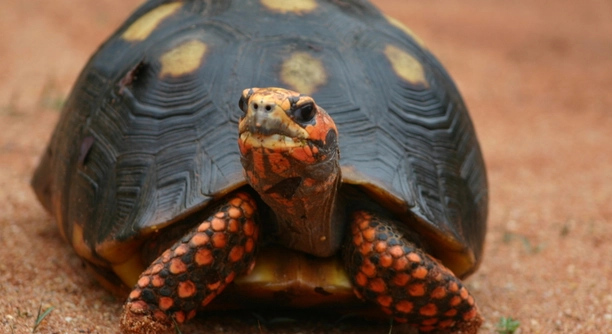
Red-footed tortoises thrive in natural environments that mimic their native habitats. A suitable enclosure is crucial for their well-being, with the right plants providing food, shelter, and enrichment. Choosing the right plants can make all the difference.
When selecting plants for a red-footed tortoise enclosure, it is essential to prioritize safe, non-toxic species. Consider plants that provide both shade and edible options. These plants should also withstand the humidity and temperature of the tortoise’s habitat.
The plants listed here are not only safe but will help enhance your tortoise’s environment. Let’s explore which options can make their enclosure more comfortable and enjoyable.
1. Best Plants for Red-Footed Tortoise Enclosures
When creating the ideal environment for a red-footed tortoise, the right plants can provide essential benefits. These plants offer more than just decoration. They serve as food, hiding spots, and help maintain proper humidity levels in the enclosure. A mix of leafy greens and flowering plants is ideal to mimic the tortoise’s natural surroundings. It’s important to choose plants that thrive in the same climate as your tortoise. This ensures the plants will not only survive but also remain safe for your tortoise to interact with. Some plants can even help keep the habitat fresh by providing natural air filtration.
Choosing plants like clover, dandelions, and hibiscus can add variety and nutrients to your tortoise’s diet. These plants are safe for them to nibble on and enjoy. In addition to being edible, they offer shelter, giving your tortoise a place to rest and explore. It’s also a good idea to use plants that grow low to the ground so they don’t take up too much space in the enclosure.
For optimal results, mix a variety of plants to mimic the diversity found in the tortoise’s natural habitat. This can help ensure your pet remains healthy and active. By focusing on both safety and enrichment, the plants will play a significant role in your tortoise’s daily life.
2. How to Choose Safe Plants
Choosing the right plants for your red-footed tortoise is important for their health and comfort. Always ensure that the plants are non-toxic to avoid harm.
The best plants for tortoises are those that are native to their natural habitat or similar climates. Look for plants with high nutritional value and ones that don’t have any harmful chemicals. It’s important to verify each plant’s safety before placing it in the enclosure. Some plants that are harmless to humans can be toxic to tortoises, so double-checking is essential. Knowing how each plant behaves under heat and humidity is another key factor. Certain plants may do better in your specific setup, ensuring they thrive long-term.
3. Clover: A Nutritious Choice for Your Tortoise
Clover is an excellent choice for your tortoise’s enclosure. It grows quickly and provides a good source of nutrition. Red-footed tortoises enjoy eating clover, which is rich in vitamins and fiber. It can also help maintain humidity levels in the habitat.
Both common and white clover are safe for tortoises and are easily available. Clover offers a variety of textures for your tortoise to explore and nibble on. Its flowers and leaves are packed with nutrients, and your tortoise will likely enjoy grazing on it regularly. Additionally, clover does not require frequent maintenance, making it a low-effort plant to add to your tortoise’s environment.
When adding clover, ensure it has enough space to grow. It thrives in a humid, well-lit environment, which mimics the tortoise’s natural habitat. You can even grow clover in pots if you want to control its spread. As a bonus, clover is a fast-growing plant, so it will keep your tortoise’s habitat lively and varied.
4. Hibiscus: A Beautiful and Safe Plant
Hibiscus is another excellent plant for a red-footed tortoise enclosure. The vibrant flowers attract your tortoise, offering a colorful and nutritious treat.
Hibiscus provides not only a visual appeal but also vitamins that contribute to your tortoise’s diet. The flowers are rich in calcium, fiber, and antioxidants, supporting the health of your tortoise. As a bonus, hibiscus grows well in a warm and humid environment, which makes it a perfect fit for the enclosure. Red-footed tortoises enjoy munching on the leaves and flowers. It’s a plant that adds variety, both in terms of color and nutrition.
In addition to being edible, hibiscus offers a natural form of shade for your tortoise. Its broad leaves create cool hiding spots. As long as you provide enough sunlight, hibiscus can thrive in your tortoise’s enclosure. It’s a great way to combine function and beauty.
5. Dandelions: A Tasty and Healthy Treat
Dandelions are a perfect addition to your tortoise’s enclosure. Not only are they safe, but they also provide essential nutrients like vitamins A, C, and K. Your red-footed tortoise will enjoy foraging through the leaves and flowers.
Dandelions are easy to grow and require minimal maintenance. They thrive in sunny, humid environments and are fast-growing, making them a reliable food source. Dandelion leaves and flowers can be offered fresh, and your tortoise can benefit from their high fiber content. They’re also a great option for a natural, foraging experience.
6. Spider Plants: A Low-Maintenance Option
Spider plants can be a great addition to a red-footed tortoise’s enclosure. They’re non-toxic, easy to care for, and can thrive in humid conditions.
Spider plants provide a variety of textures for your tortoise to explore. They have long, arching leaves that offer both shelter and enrichment. They also grow well in indirect light, so they’re an excellent option for an enclosure with limited sunlight. Be sure to trim them regularly so they don’t overgrow. The plants will provide a safe and appealing environment for your tortoise to interact with.
7. Plantain: Edible and Safe for Tortoises
Plantain is another excellent choice for your tortoise. The leaves are safe for consumption and packed with nutrients.
Plantain grows quickly and is hardy, making it a great plant for enclosures. It offers a natural food source that your tortoise will enjoy munching on. Its wide leaves create additional hiding spaces, adding enrichment to the enclosure. Plantain thrives in moist, well-drained soil, making it an ideal choice for humid environments. It’s a simple plant to maintain while offering significant benefits to your tortoise.
FAQ
What plants are toxic to red-footed tortoises?
There are several plants that are toxic to red-footed tortoises. Some common examples include daffodils, rhubarb, and foxglove. It’s important to research each plant before adding it to your tortoise’s enclosure. Even some plants that are safe for other animals can be harmful to tortoises. Always check the safety of a plant before offering it to your pet. To avoid accidents, focus on plants known to be safe for tortoises, like clover, dandelions, and hibiscus. A simple rule is to avoid plants that are chemically treated or found in gardens where pesticides are commonly used.
Can I plant regular garden plants in my tortoise’s enclosure?
Not all garden plants are safe for red-footed tortoises. Many common garden plants are treated with chemicals, such as pesticides or fertilizers, which can be harmful to tortoises. Additionally, some plants might be toxic even if they are grown without chemicals. It’s always safer to stick to plants specifically known to be safe for tortoises. If you’re using plants from your garden, make sure they haven’t been exposed to harmful chemicals. It’s always a good idea to double-check before placing any plants inside your tortoise’s home.
How do I maintain plants in a tortoise enclosure?
Maintaining plants in a tortoise enclosure is simple, but it does require some care. Most plants need consistent humidity and access to indirect sunlight. Regularly trim the plants to ensure they don’t overgrow and take up too much space. It’s also important to keep the plants free of dead or decaying leaves, as this can lead to mold or bacteria growth, which can harm your tortoise. If the plants are edible, you can also rotate them out to ensure your tortoise gets a varied diet. Watering should be done carefully to avoid over-watering, which could lead to mold in the enclosure.
Can I use artificial plants in my tortoise’s enclosure?
While artificial plants won’t provide the same nutritional value as real plants, they can still be a good addition to a tortoise’s enclosure. They offer hiding spots and visual enrichment for your tortoise. Just make sure the artificial plants are made from non-toxic materials. Avoid any with sharp edges that might hurt your tortoise. If you want to create a more natural feel but lack real plants, artificial options can help make the enclosure feel fuller. However, real plants that are safe for tortoises are always better for their overall well-being.
How much space do plants need in the enclosure?
The space plants need will depend on the type of plant you’re using. Most plants require a moderate amount of space to grow. When planning your tortoise’s enclosure, ensure you’re giving the plants enough room to spread out and grow without overcrowding the space. Red-footed tortoises enjoy exploring their environments, so it’s crucial to leave room for them to move around. Larger plants, like hibiscus, may require more space compared to smaller ground-covering plants like clover. Also, consider the tortoise’s size and mobility when placing plants in the enclosure to avoid blocking essential pathways.
Are there any plants that help with humidity levels?
Yes, certain plants can help maintain humidity levels in a tortoise’s enclosure. Plants like ferns and spider plants thrive in humid environments, making them perfect for adding both visual appeal and moisture to the habitat. Hibiscus and clover also do well in high humidity and can help maintain the right balance. When adding plants to your tortoise’s enclosure, look for those that are moisture-loving and hardy. They can provide extra humidity without the need for additional equipment like humidifiers, helping to create a more natural environment.
How often should I replace the plants in my tortoise’s enclosure?
The frequency of replacing plants will depend on the type of plants used and how much they are consumed by your tortoise. Edible plants, like dandelions or clover, may need to be replaced more often as they are nibbled down. Non-edible plants may last longer but should be checked regularly for signs of overgrowth, wilting, or rot. If the plants begin to look unhealthy or become overcrowded, it’s time to replace them. Keeping a mix of plants allows you to rotate them, ensuring there’s always fresh greenery for your tortoise to explore.
Can I use rocks or other materials with the plants in my tortoise’s enclosure?
Yes, rocks and other natural materials can be used alongside plants in the enclosure. Rocks provide basking areas and hiding spots, and they help create a more natural environment. Ensure that the rocks do not overshadow the plants or prevent them from getting the right amount of light. Also, be cautious of any sharp edges that could potentially harm your tortoise. Use natural materials, such as wood or branches, to create hiding spots or climbing areas without disturbing the plant life in the enclosure.
Are there any benefits to using live plants instead of artificial plants?
Live plants offer a wide range of benefits for red-footed tortoises. They provide food, hideouts, and help create a more natural environment. Live plants also contribute to the overall humidity of the enclosure, which is essential for the tortoise’s health. Many live plants are safe for tortoises to nibble on, adding variety to their diet and giving them a more stimulating environment. Unlike artificial plants, real plants can absorb excess moisture and help with natural waste decomposition. They are simply a more enriching addition to the tortoise’s home, promoting a healthier and happier pet.
Final Thoughts
Creating the ideal enclosure for a red-footed tortoise involves more than just adding a few plants. The right plants can enhance the environment, providing both enrichment and nutrition for your tortoise. Choosing safe, non-toxic plants like hibiscus, clover, and dandelions helps ensure your tortoise’s well-being. These plants can offer shelter, food, and a more natural atmosphere, making the enclosure a better place for your pet to thrive. It’s essential to prioritize plants that can survive in the same conditions that your tortoise enjoys, such as humidity and warmth.
When selecting plants, always consider the care requirements of both the plants and your tortoise. Some plants are more low-maintenance than others, so it’s crucial to balance ease of care with providing enough space and variety. Having a mix of edible plants and those that provide shade or hiding spots will enrich the environment and make it feel more like their natural habitat. A diverse plant selection not only helps with your tortoise’s diet but also encourages their natural foraging behaviors. Don’t forget to regularly check the plants for signs of overgrowth, decay, or pests that could affect the health of the tortoise.
Lastly, always do your research before adding any new plant to the enclosure. Some plants, while appearing harmless, may be toxic to tortoises. Ensuring that your plants are safe for your tortoise should be the top priority when planning the enclosure. Whether you choose low-maintenance plants like spider plants or nutrient-rich options like plantain, each choice contributes to creating a comfortable and enriching environment. Keeping your tortoise’s enclosure balanced with safe and varied plants will help them lead a healthier and more enjoyable life.

Hello,
If you enjoy the content that we create, please consider saying a "Thank You!" by leaving a tip.
Every little bit helps us continue crafting quality advice that supports the health, happiness, and well-being of pets around the world, for pets of all shapes, sizes, and species.
We really appreciate the kindness and support that you show us!