
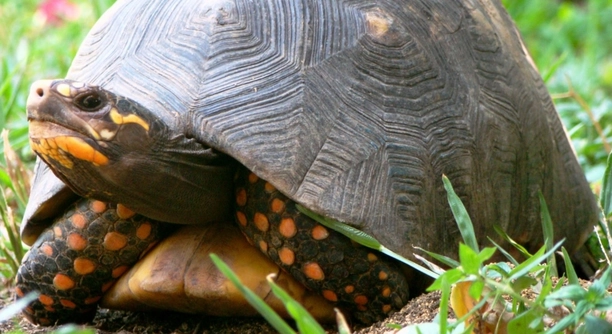
Is your red-footed tortoise constantly digging up its food? This behavior can seem puzzling at first, but understanding it can help you care for your pet better. Let’s explore why your tortoise may be doing this.
The act of digging up food is often a natural instinct for red-footed tortoises. They may dig to hide their food, mimic foraging behaviors, or try to move it to a more secure location, just like they would in the wild.
Understanding this behavior can help improve your tortoise’s feeding routine. By addressing its needs, you can ensure a healthier and happier pet.
Why Do Red-Footed Tortoises Dig?
Red-footed tortoises have strong instincts that drive them to dig. This behavior often comes from a need to feel secure. In the wild, they may dig to find shelter or food, mimicking natural survival instincts. By digging up food, your tortoise may be trying to create a safer space for it to eat. This is not unusual, as many tortoises in the wild dig to bury their food or to find a spot where they feel more comfortable. The instinct is deeply rooted in their behavior.
Digging up food also reflects the natural foraging habits of these tortoises. They often search for food in the wild, and that search sometimes leads them to bury or move food around. Even in captivity, these behaviors can persist. Understanding these instincts can help prevent you from worrying about this odd behavior.
Keeping your tortoise’s environment close to what it would experience in the wild can help reduce this behavior. A consistent feeding schedule and a varied diet also help. If your tortoise feels that food is abundant and its surroundings are secure, the digging may decrease.
How to Address the Behavior
The digging may not be something you can entirely stop, but you can work with it. If you offer your tortoise a consistent feeding schedule, it may feel less need to “hide” its food. Giving them the proper environment, such as more space or digging materials, can also help.
Creating a space that mirrors its natural habitat can be important in helping your tortoise feel safe. Adding leaf litter, hiding spots, and natural bedding materials might reduce the need for digging. A more enriching environment may lead to fewer food-related digging incidents.
Stress or Anxiety Can Play a Role
Stress can make a tortoise act out in different ways, and digging is no exception. If your tortoise feels stressed, it may dig to relieve anxiety or simply because it feels insecure. It might not always be obvious that something is causing stress, but environmental factors can be the cause. A change in its living space, handling, or even loud noises could trigger this digging behavior. Monitoring the environment is key.
If your tortoise is digging excessively, it could be responding to something that makes it anxious. A cramped living area, an unfamiliar or stressful environment, or even lack of proper interaction can cause it to act out. This is especially true if the tortoise feels threatened or unsettled by something around it. Ensuring its space is comfortable, quiet, and familiar may help reduce this anxiety-driven behavior. Try adding more hiding spots or a shelter to offer a secure, safe place for your tortoise.
Diet May Influence the Behavior
A tortoise’s diet can also affect its behavior. If your red-footed tortoise isn’t getting the right nutrients, it may feel compelled to dig and search for something it’s missing. Insufficient food variety or lack of hydration might make the tortoise feel unsettled, leading to unnecessary digging. Ensuring a balanced, consistent diet is essential.
Make sure to provide a well-rounded diet that includes leafy greens, fruits, and other appropriate foods for a red-footed tortoise. The right amount of water is also vital for digestion and overall health. If it isn’t getting the proper nutrition, your tortoise may be trying to find more food by digging. Regularly monitor your pet’s diet and look for signs of any imbalances. The more you stick to a healthy feeding routine, the less likely your tortoise will resort to digging due to hunger or nutrient deficiencies.
Temperature and Humidity Can Affect Digging
Temperature and humidity levels in your tortoise’s habitat play a big role in its behavior. If the conditions aren’t right, your tortoise may dig to find a more comfortable spot. This digging is a way of seeking better conditions to regulate body temperature.
If your tortoise’s environment is too hot or too cold, it may dig to adjust its temperature. Tortoises need a warm basking area, but they also need cooler spaces to regulate their body temperature. Likewise, if humidity is too low, your tortoise may dig in an attempt to find more moisture. Make sure the habitat stays within the proper temperature and humidity range to avoid this kind of behavior.
Lighting Is Crucial for Your Tortoise
Your tortoise needs proper lighting for its overall health. Without it, it may become stressed, leading to increased digging behavior. UVB light is necessary for your tortoise to synthesize vitamin D3 and absorb calcium. Without this, they can develop bone problems, causing them to act out.
The right lighting setup will ensure that your tortoise gets the proper UVB exposure and warmth. Providing a reliable light source and ensuring that your tortoise has access to both heat and UVB light is essential. If you notice your tortoise digging, check if its lighting is sufficient and if the basking spot is set at the right temperature. Poor lighting can lead to long-term health issues, making it important to maintain the proper lighting conditions.
Proper Substrate Can Make a Difference
The substrate, or bedding, in your tortoise’s enclosure can impact its digging behavior. If it’s uncomfortable or doesn’t mimic natural conditions, your tortoise may dig more than usual. A proper substrate allows your tortoise to exhibit natural behaviors without feeling stressed.
Choosing a substrate that is safe and appropriate for a red-footed tortoise is crucial. Use materials like coconut coir, cypress mulch, or grass hay that retain moisture and encourage natural behaviors. Avoid substrates that are too dry or dusty, as they can cause respiratory problems and contribute to unnecessary digging. A comfortable environment with the right substrate can reduce the urge to dig.
FAQ
Why does my red-footed tortoise dig up its food?
Red-footed tortoises often dig up their food due to natural foraging instincts. In the wild, they may dig to hide food or move it to a safer location. Even in captivity, they might mimic this behavior. They may also dig to find a comfortable place to eat, which is part of their instinct to feel secure and protected while consuming food. It’s common for tortoises to engage in this behavior, especially if their environment isn’t as close to their natural habitat.
Is it normal for my tortoise to dig constantly?
Some digging is normal, as it’s part of their natural behavior, but constant digging can be a sign of stress or discomfort. Tortoises may dig when they are trying to escape from an enclosure that’s too small or when they feel insecure. They might also dig if their habitat is too hot, cold, or too dry. Ensuring the proper environment can reduce excessive digging. If the behavior is persistent, you may want to reevaluate their living conditions or check for signs of health issues.
How can I stop my tortoise from digging?
Completely stopping the digging might not be possible, but you can reduce it by improving its environment. Ensure your tortoise has plenty of space, proper substrate, and the right temperature and humidity levels. Providing a hiding spot, a consistent feeding schedule, and enriching activities like food puzzles or treats can also reduce the need for constant digging. Creating a comfortable, safe environment where your tortoise feels secure will encourage it to dig less.
Can the diet affect my tortoise’s digging behavior?
Yes, a poor diet can lead to increased digging. If your tortoise isn’t getting the right nutrients, it might dig to search for food. Red-footed tortoises need a balanced diet with plenty of leafy greens, fruits, and some protein. Without a proper diet, your tortoise may dig, hoping to find something it’s missing. Make sure your tortoise is well-fed with a variety of food and has access to fresh water to minimize this behavior.
How do I know if my tortoise is digging because of stress?
If your tortoise is digging more than usual, it might be due to stress. Stressors can include changes in its environment, lack of space, handling, or even loud noises. Tortoises also dig if they feel unsafe or threatened. Look for other signs of stress, such as not eating, excessive hiding, or not moving around as usual. If you notice these signs, try to make its environment more secure and peaceful.
Is the substrate affecting my tortoise’s digging habits?
The substrate in your tortoise’s enclosure can impact its digging behavior. If the material isn’t comfortable or doesn’t replicate natural conditions, your tortoise might dig more to find a more suitable area. Ensure that the substrate is moisture-retentive, safe, and provides enough texture for digging without being too dry or too rough. Materials like coconut coir, cypress mulch, or hay are ideal. If the substrate is causing discomfort, it might lead to excess digging.
How do temperature and humidity levels affect digging?
Temperature and humidity play a big role in your tortoise’s digging behavior. If the environment is too hot or cold, your tortoise may dig to find a more comfortable place to regulate its body temperature. Similarly, if humidity levels are too low, it might dig in search of moisture. Make sure to maintain a proper temperature gradient within the enclosure, providing both a basking spot and cooler areas. The humidity should be maintained at 60-80% for optimal comfort.
Could my tortoise be digging because it’s bored?
Yes, boredom can contribute to digging. Tortoises are curious creatures and need mental stimulation. If they don’t have enough enrichment, they may dig out of frustration or to relieve stress. Offering various hideouts, climbing structures, or even foraging activities can help keep your tortoise engaged and reduce the urge to dig. Changing up the habitat and giving your tortoise something to explore or interact with will help it feel more content.
Should I be concerned if my tortoise eats dirt while digging?
Eating dirt occasionally while digging isn’t uncommon, but if it becomes frequent, it might be a sign of nutritional deficiencies. Tortoises might consume dirt to get minerals like calcium or trace elements they’re lacking in their diet. Make sure your tortoise has a balanced diet with the right nutrients. You may also want to provide a calcium supplement to ensure it isn’t trying to compensate for a lack of minerals by eating dirt.
How much space does my tortoise need to stop digging?
A red-footed tortoise needs plenty of space to feel comfortable. If the enclosure is too small, it may feel stressed and dig in an attempt to escape. Ideally, your tortoise should have enough room to roam, bask, and explore. The minimum recommended size for a red-footed tortoise’s enclosure is at least 4 feet by 8 feet for an adult, with more space being better. Larger areas encourage natural behaviors and reduce stress, which can decrease digging.
Can I stop my tortoise from digging if I give it more hiding spots?
Providing hiding spots can help reduce digging behavior. When a tortoise feels threatened or insecure, it may dig to hide its food or find a safe place. By adding more hides or sheltered areas within the enclosure, your tortoise will feel more secure and might dig less. It will give your pet a sense of privacy and safety, especially during feeding times or if it feels the need to retreat.
Does lighting play a role in my tortoise’s digging?
Yes, proper lighting is important for your tortoise’s overall health and can affect its behavior. Tortoises need access to UVB lighting to help synthesize vitamin D3 and absorb calcium. Without proper lighting, your tortoise may feel stressed, which could lead to digging. Make sure your tortoise has a reliable light source with both UVB and heat components. This will keep your tortoise comfortable and help prevent anxiety-driven behaviors like excessive digging.
Can digging be a sign of health problems?
Excessive digging may be a sign of health issues in some cases. If your tortoise digs more than usual and shows other signs such as lack of appetite, weight loss, or lethargy, it could be ill. Digestive problems, dehydration, or even shell issues can make a tortoise act out. If the digging is accompanied by other health symptoms, consult a veterinarian to rule out any medical conditions.
Final Thoughts
It’s normal for a red-footed tortoise to dig, as this behavior is part of their natural instincts. Digging can happen for a variety of reasons, from seeking security and comfort to simply following foraging habits. For many tortoises, this is not a cause for concern. However, if the digging becomes excessive or seems driven by stress, it’s worth paying closer attention to your tortoise’s environment and overall health. By understanding the underlying reasons behind this behavior, you can make adjustments to create a more comfortable and secure habitat for your pet.
Improving your tortoise’s living conditions can help reduce unwanted digging. Providing a larger enclosure with proper temperature, humidity, and substrate will make your tortoise feel more at ease. Offering hiding spots or secure areas to retreat to can also decrease anxiety, leading to less digging. A consistent feeding routine with a balanced diet will ensure your tortoise isn’t searching for missing nutrients. With the right setup, your red-footed tortoise will feel safe and relaxed, and the digging may naturally decrease.
Sometimes, excessive digging might indicate a health problem or stress, which should not be ignored. If the behavior is accompanied by signs of illness such as lack of appetite, lethargy, or unusual activity, it’s best to consult a vet. By staying aware of your tortoise’s behavior and adjusting their environment when needed, you can help ensure they live a healthy and comfortable life. Ultimately, providing a stable and enriching environment for your tortoise is key to keeping them happy and preventing unnecessary digging.

Hello,
If you enjoy the content that we create, please consider saying a "Thank You!" by leaving a tip.
Every little bit helps us continue crafting quality advice that supports the health, happiness, and well-being of pets around the world, for pets of all shapes, sizes, and species.
We really appreciate the kindness and support that you show us!