
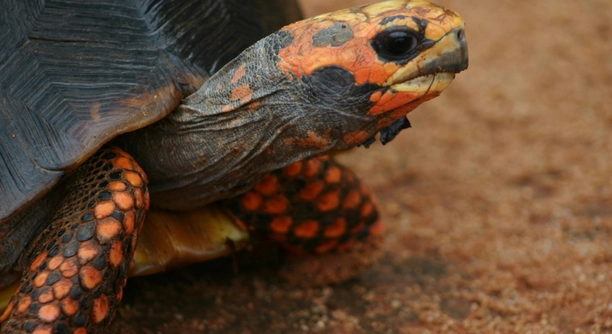
Your red-footed tortoise may experience anxiety, affecting its overall health and behavior. It’s essential to identify the causes that contribute to their stress and ensure they feel secure in their environment.
Various factors can lead to anxiety in your red-footed tortoise, such as improper temperature, humidity levels, insufficient space, inadequate diet, or lack of socialization. Stress can manifest through excessive hiding, loss of appetite, or erratic behavior.
Taking these factors into account is vital for your tortoise’s well-being. By adjusting their habitat and care routine, you can reduce anxiety and improve their quality of life.
Temperature Issues
Red-footed tortoises are sensitive to temperature fluctuations. If their environment is too hot or too cold, it can lead to stress and discomfort. The ideal temperature for a red-footed tortoise should range between 75-85°F during the day, with a slight drop at night. Extreme temperatures can cause lethargy or make them more prone to illness.
Even slight temperature changes can cause your tortoise to hide excessively or become inactive. It’s crucial to use a reliable thermometer to monitor the temperature in both basking and non-basking areas. This ensures your tortoise has a safe environment where it can regulate its body temperature properly.
To help maintain the right temperature, use heating lamps or heat mats, and place them in the right areas of the habitat. Having a temperature gradient in the tank will also allow your tortoise to move between warmer and cooler spots based on its needs.
Incorrect Humidity Levels
Humidity levels play a major role in the well-being of your red-footed tortoise.
If humidity levels are too low, it can lead to dehydration and skin issues. On the other hand, excessive humidity can increase the risk of respiratory infections. Maintaining humidity between 60% and 80% is ideal for these tortoises.
Ensure your tortoise’s habitat has a humidifier or misting system to keep the air moist. You can also add wet moss to increase humidity levels, but be careful not to make the environment too damp. Use a hygrometer to regularly check the humidity and adjust accordingly.
Inadequate Diet
A proper diet is essential for keeping your red-footed tortoise healthy and free from stress. They require a balanced diet of leafy greens, fruits, and some protein. If their diet is lacking in necessary nutrients, it can lead to poor health and anxiety.
A diet high in protein or low in fiber can lead to digestive problems. This can cause discomfort, making your tortoise more anxious. Providing a variety of foods that mimic their natural diet in the wild can ensure they get all the necessary nutrients.
Avoid overfeeding your tortoise, as obesity can also lead to health issues and increased stress. Offering fresh, organic food daily and removing uneaten food from their habitat will keep your tortoise’s diet healthy and appealing.
Lack of Space
Red-footed tortoises need ample space to move around and explore. A cramped enclosure can make them feel stressed and anxious.
A small enclosure limits their ability to roam, which can lead to lethargy or depression. As a general rule, your tortoise should have at least 4 square feet of space per tortoise. The larger the enclosure, the better it will be for their well-being.
Providing them with a larger habitat gives them room to explore, graze, and engage in natural behaviors, which can reduce stress. You can also add hiding spots, climbing objects, and areas with different substrates to make the space more interesting for your tortoise.
Lack of Socialization
Although red-footed tortoises are not highly social animals, they still benefit from some interaction.
Excessive isolation can cause stress in tortoises, especially if they are kept alone for long periods. While they do not require constant companionship, some form of interaction or enrichment can alleviate anxiety.
A red-footed tortoise might feel less anxious if it can see another tortoise nearby or if it has regular, gentle human interaction. However, be careful not to overwhelm them with too much attention. Balanced socialization can improve their overall happiness and reduce stress levels.
Inconsistent Feeding Schedule
A consistent feeding schedule is essential for your red-footed tortoise’s well-being. Feeding them at irregular times can create unnecessary stress.
When tortoises are fed at unpredictable intervals, they may become anxious or overeager at feeding time. Establishing a routine where they are fed at the same time each day helps them feel more secure.
Predictability is key to reducing anxiety, so try to stick to a consistent feeding schedule and monitor their appetite. This can help create a more balanced, less stressful environment for your tortoise.
Too Much Noise or Activity
Excessive noise or constant movement in your tortoise’s environment can cause anxiety.
Red-footed tortoises are naturally calm animals and may find too much noise overwhelming. It’s important to keep their habitat in a quiet, low-traffic area of your home.
Allowing them to rest undisturbed in a calm environment can help them feel more secure, reducing their stress levels. A peaceful space is vital for promoting relaxation and comfort for your tortoise.
Inadequate Lighting
Proper lighting is vital to your red-footed tortoise’s health.
UVB light is necessary for tortoises to properly digest calcium and maintain strong bones. Without it, they may become stressed, weak, or develop health issues. Be sure to use a UVB light source for 10-12 hours a day. This light should be placed in their basking area to mimic natural sunlight, providing the benefits of a healthy light cycle.
FAQ
How can I tell if my red-footed tortoise is stressed?
There are several signs that indicate your tortoise may be stressed. Common signs include hiding more than usual, being inactive, losing interest in food, or excessive pacing around their enclosure. Stress can also cause them to become more aggressive or, conversely, more withdrawn. Pay attention to changes in their behavior or routine, as they can be subtle but revealing.
What temperature should I maintain for my red-footed tortoise?
The ideal temperature for a red-footed tortoise is between 75-85°F during the day. You should provide a basking spot with a temperature of about 90°F and a cooler area where the temperature can drop to around 70°F at night. Consistent temperatures are crucial for their health and comfort.
Can red-footed tortoises be kept with other tortoises?
Red-footed tortoises can sometimes be kept with other tortoises, but it depends on the size of the enclosure and their personalities. Overcrowding can lead to territorial disputes, which can cause stress. If you’re keeping multiple tortoises together, ensure there is enough space, and monitor their behavior for signs of aggression.
How often should I feed my red-footed tortoise?
Red-footed tortoises should be fed daily or every other day, depending on their age and activity level. Young tortoises typically require more frequent feedings. Offer a variety of leafy greens, fruits, and some protein sources like insects or eggs. Ensure their food is fresh, and avoid overfeeding, as obesity can be a concern.
What is the best substrate for a red-footed tortoise’s enclosure?
The best substrate for red-footed tortoises is something that holds moisture, like coconut coir or organic soil. It’s important that the substrate retains enough humidity to keep your tortoise comfortable but is not too wet. Avoid using cedar or pine wood chips, as these can be harmful to their health.
How can I create a proper basking spot for my tortoise?
A proper basking spot is essential for your red-footed tortoise’s health. Use a UVB light above the basking area to mimic natural sunlight. The temperature should be around 90°F, and the basking spot should be large enough for your tortoise to stretch out. Ensure the rest of the habitat is cooler to allow your tortoise to regulate its body temperature.
What should I do if my tortoise is not eating?
If your red-footed tortoise is not eating, check the temperature and humidity levels in their enclosure first. Improper conditions can cause a lack of appetite. Stress, illness, or changes in their environment can also lead to a loss of appetite. If the issue persists for more than a few days, consult a veterinarian.
Can I feed my red-footed tortoise fruit?
Yes, red-footed tortoises enjoy a variety of fruits, including papaya, mango, and berries. However, fruit should only make up a small part of their diet due to its high sugar content. Most of their diet should consist of leafy greens and some vegetables. Always ensure that the fruit is fresh and cut into manageable pieces.
How do I prevent my red-footed tortoise from getting sick?
Maintaining proper environmental conditions, a balanced diet, and a clean enclosure are essential in preventing illness. Ensure that your tortoise has access to UVB light, is fed a proper diet, and has plenty of space to move around. Regularly clean the enclosure to prevent the buildup of harmful bacteria and parasites.
What size enclosure does my red-footed tortoise need?
For a single red-footed tortoise, the minimum enclosure size should be at least 4 feet by 4 feet. However, the larger the enclosure, the better. A larger space gives them more room to move and explore, which helps reduce stress and allows them to express natural behaviors.
Why is my tortoise hiding all the time?
Hiding can be a sign that your red-footed tortoise is stressed or feeling insecure. It could also be a response to too much activity or noise around their enclosure. Ensure that the habitat is quiet and peaceful, and check that the temperature and humidity levels are within the appropriate range. If the behavior continues, consider consulting a vet.
Can I handle my red-footed tortoise often?
While red-footed tortoises do not require constant handling, they can tolerate it in moderation. Handling should be done gently and for short periods. Always approach your tortoise calmly and avoid excessive handling, as it may cause stress. Let them come to you if they seem interested in interaction.
How long do red-footed tortoises live?
Red-footed tortoises can live for several decades, often reaching 40-50 years or longer in captivity with proper care. Their long lifespan makes them a commitment, but it also means they can be a loyal companion for many years if cared for properly.
What is the best way to provide humidity for my red-footed tortoise?
To maintain the right humidity level, consider adding a humidity box, using a humidifier, or misting the enclosure. Coconut coir and moss can help maintain humidity. Make sure the humidity level stays between 60-80% for optimal health, as too low or too high can lead to health issues.
Is it safe to use heating pads for my red-footed tortoise?
Yes, heating pads can be safe when used correctly. They should be placed under the enclosure, not inside it, to provide warmth from the bottom. Be sure to use a thermostat to control the temperature, as overheating can cause harm. Always ensure that the heating pad doesn’t raise the overall temperature too high.
Final Thoughts
Red-footed tortoises are wonderful pets that require attention to their environment and care. Their well-being depends on factors such as temperature, humidity, diet, and the amount of stress they experience. By providing a stable routine and ensuring their habitat meets their needs, you can help keep your tortoise comfortable and healthy. Paying attention to their behavior is also important, as any changes can indicate stress or illness.
Understanding the causes of anxiety in red-footed tortoises can help prevent unnecessary stress. Factors such as inadequate lighting, improper feeding schedules, or a noisy environment can cause them to feel uneasy. By creating a safe, quiet, and well-maintained space for your tortoise, you can reduce these risks. Additionally, handling them gently and not too often is essential to keeping them stress-free. Over time, you will become more familiar with your tortoise’s needs, allowing you to adjust their care accordingly.
Taking care of a red-footed tortoise can be a rewarding experience, but it requires commitment. Regular monitoring of their environment and behavior is key to ensuring they thrive. By focusing on the right conditions and observing their actions, you can create a comfortable space for your tortoise to live long and happily. Keeping their habitat clean and ensuring they have the right food and care will lead to a healthy tortoise and a strong bond between you and your pet.

Hello,
If you enjoy the content that we create, please consider saying a "Thank You!" by leaving a tip.
Every little bit helps us continue crafting quality advice that supports the health, happiness, and well-being of pets around the world, for pets of all shapes, sizes, and species.
We really appreciate the kindness and support that you show us!