
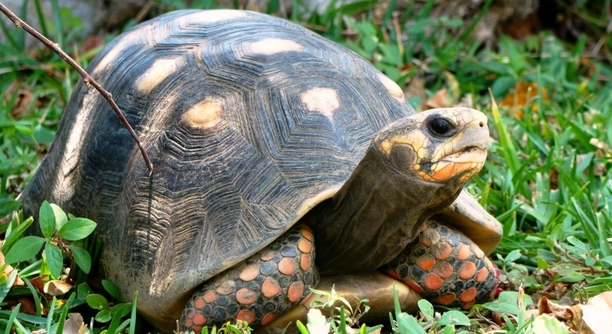
Red-footed tortoises are fascinating creatures, but their dietary needs can be a bit tricky to navigate. Understanding what they can and can’t eat is crucial for their health. Many owners are curious about their dietary restrictions, including meat.
Red-footed tortoises are primarily herbivores and should not be fed meat. While they may consume insects in the wild, a diet rich in fruits, vegetables, and occasional plant matter is best for their health. Feeding meat can lead to health complications.
The wrong diet could affect their digestion and overall well-being. Understanding their specific needs is essential for ensuring your tortoise stays healthy and thrives in its environment.
Red-Footed Tortoise Diet: What You Should Know
Red-footed tortoises need a balanced diet to stay healthy. Their natural habitat is in forests where they mostly feed on fruits, leaves, and flowers. It’s important to avoid feeding them meat because it can cause digestion issues and affect their overall health. Some tortoises might eat insects in the wild, but a meat-based diet does not suit them in captivity. They do best when their diet consists primarily of plant matter. Including a mix of fruits, vegetables, and leafy greens ensures they receive all the nutrients they need to thrive. Feeding a varied diet is key to keeping your red-footed tortoise happy and healthy.
Red-footed tortoises are opportunistic feeders. In the wild, they may nibble on insects or small invertebrates, but that’s not a regular part of their diet. It’s important to remember that their digestive systems are not adapted to process meat effectively.
If you feed your tortoise meat, it can lead to kidney damage and other health problems. Their bodies are designed to break down plant matter, not animal protein. Offering them the wrong foods can also affect their gut bacteria, which plays a crucial role in their digestive system. Instead, focus on plant-based options that provide the right nutrients without causing harm.
What Happens if You Feed Meat?
Feeding meat to a red-footed tortoise can disrupt its natural digestive process. Meat takes longer to digest and can cause a build-up of harmful substances in their system. Tortoises rely on a high-fiber diet to keep things moving in their intestines. A meat-heavy diet interferes with that, leading to potential digestive blockages and serious health issues. It’s also important to note that red-footed tortoises are not scavengers like some other reptiles, so feeding them meat doesn’t align with their natural behavior.
If you’re unsure what to feed your tortoise, it’s always safer to stick to plant-based foods. They require a variety of nutrients, including calcium and vitamin D3, to maintain healthy bones and shell growth. If you offer too much protein, it can lead to shell deformities and weakened bones over time. Instead of offering meat, try including a mix of leafy greens like dandelion, hibiscus flowers, and fruits such as papaya and banana. This diet will not only meet their nutritional needs but also prevent health complications down the road.
Why Red-Footed Tortoises Should Avoid Meat
Feeding meat to red-footed tortoises can lead to serious health issues, including kidney damage. Their digestive system is not equipped to process animal proteins. Sticking to a plant-based diet is the safest way to ensure they stay healthy. Over time, a diet too rich in animal matter can cause long-term damage to their organs.
Even small amounts of meat can upset the natural balance in their digestive system. Red-footed tortoises are not adapted to digest protein-heavy foods, which can lead to toxic buildups. Their intestines work best when breaking down plants, which is why feeding them meat should be avoided at all costs. Regular consumption of inappropriate foods will only hurt their health in the long term.
The nutrients they need, such as fiber, vitamins, and minerals, come from plant-based foods. Offering foods like leafy greens, fruits, and edible flowers ensures your tortoise is getting what it needs to thrive. A balanced diet prevents many health issues, keeping your pet active and vibrant.
What to Feed Red-Footed Tortoises Instead
When it comes to feeding your red-footed tortoise, plant matter should always be the focus. Leafy greens like collard greens and mustard greens provide a great source of calcium, essential for shell health. Adding fruits like papaya and mango helps with hydration, giving your tortoise a healthy, tasty treat.
Avoid feeding them processed or sugary foods. These can disrupt their digestion and lead to obesity, which is harmful to their overall health. It’s best to feed your tortoise a variety of fresh, organic options to give them the best chance of a long, healthy life. Mixing up the food also keeps mealtimes interesting for your pet.
Red-footed tortoises also benefit from occasional flowers like hibiscus, dandelions, and nasturtiums. These are rich in vitamins and antioxidants, offering a natural way to boost their immune system. A varied diet with a good mix of fruits, vegetables, and flowers will help prevent nutritional deficiencies and maintain a healthy tortoise.
Feeding Frequency for Red-Footed Tortoises
Red-footed tortoises should be fed regularly to maintain their health. A typical feeding schedule includes offering food every other day or three to four times a week. This allows them to digest their meals properly while preventing overfeeding, which can lead to obesity and other health issues.
It’s important to observe your tortoise’s behavior to see if they’re eating enough. If they’re leaving food behind or seem uninterested, adjust the amount offered. Over time, your tortoise will show you its preferences and habits, making it easier to provide the right amount of food for its needs.
Hydration for Red-Footed Tortoises
Along with food, hydration is crucial. Red-footed tortoises need access to clean, fresh water at all times. They drink regularly, and providing a shallow water dish allows them to soak, which is essential for their health and well-being. Proper hydration helps with digestion and shell maintenance.
In addition to their regular water bowl, soaking them in lukewarm water for 15 to 20 minutes once or twice a week will help with hydration and promote healthy skin and shells. Be sure to monitor the water temperature to avoid stressing your tortoise. Regular soaking can help prevent dehydration and related health issues.
Shell Care for Red-Footed Tortoises
The shell of a red-footed tortoise requires attention and care. Regular exposure to natural sunlight or a UVB light is essential to keep their shell and bones healthy. UVB light helps them process calcium, which is necessary for strong shell growth. Keep your tortoise’s habitat in mind for proper care.
FAQ
Can red-footed tortoises eat meat?
Red-footed tortoises should not eat meat. While they may occasionally consume insects in the wild, their digestive system is designed to process plant matter, not animal protein. Feeding meat can lead to digestion problems, kidney issues, and overall poor health. It’s best to stick to a plant-based diet for your tortoise’s long-term health.
What do red-footed tortoises eat in the wild?
In the wild, red-footed tortoises feed on a variety of plants, fruits, and flowers. Their diet includes leaves, berries, flowers, and grasses. They may also eat mushrooms and occasionally insects, but these make up a very small part of their diet. The majority of their food comes from plant material, which provides them with the necessary nutrients.
How often should I feed my red-footed tortoise?
Red-footed tortoises should be fed every other day or around three to four times a week. This feeding schedule helps prevent overfeeding, which can lead to obesity. Always observe your tortoise’s appetite to ensure they’re eating enough and adjust their food intake accordingly.
Can I feed my red-footed tortoise only fruits?
No, fruits alone do not provide a balanced diet for red-footed tortoises. While fruits are an important part of their diet, they should be combined with leafy greens and other vegetables to ensure they receive the necessary nutrients. A diet consisting mostly of fruits can be high in sugar, which can lead to health issues like obesity.
How much should I feed my red-footed tortoise?
The amount of food you offer depends on your tortoise’s size and age. Adult red-footed tortoises usually eat about 10 to 15% of their body weight in food each week. A good rule of thumb is to offer enough food that your tortoise will eat in one sitting, without leaving too much behind. Overfeeding can cause weight gain, so it’s important to find the right balance.
Is it okay to feed my red-footed tortoise vegetables like spinach?
While spinach is not toxic to red-footed tortoises, it should be fed in moderation. Spinach contains oxalates, which can interfere with calcium absorption. Feeding large amounts of spinach regularly can lead to nutritional imbalances. It’s better to offer a variety of leafy greens, such as dandelion greens, mustard greens, and collard greens, for a healthier diet.
Can red-footed tortoises eat flowers?
Yes, red-footed tortoises can eat certain edible flowers. Flowers such as hibiscus, dandelions, and nasturtiums are safe and nutritious for them. These flowers provide essential vitamins and antioxidants. Make sure to avoid any flowers that may be toxic to reptiles, such as lilies or daffodils, and ensure they are pesticide-free.
What vegetables are safe for red-footed tortoises?
Safe vegetables for red-footed tortoises include collard greens, kale, and mustard greens. Other vegetables such as bell peppers, squash, and zucchini are also good options. Avoid feeding them iceberg lettuce, as it lacks nutritional value. Offering a variety of vegetables ensures that your tortoise receives a broad range of nutrients.
How do I ensure my red-footed tortoise is hydrated?
Always provide fresh, clean water for your red-footed tortoise. A shallow dish allows them to drink and soak comfortably. Additionally, soaking them in lukewarm water for 15 to 20 minutes once or twice a week helps with hydration and promotes healthy skin and shell growth. This also aids in digestion.
What kind of lighting does my red-footed tortoise need?
Red-footed tortoises need exposure to UVB light to ensure proper calcium absorption and healthy shell growth. If they are kept indoors, provide a UVB lamp that mimics natural sunlight. Ensure the light is within the appropriate distance, as per the manufacturer’s instructions. Regular access to natural sunlight is also beneficial.
Can I give my red-footed tortoise treats?
Occasional treats, such as small pieces of fruit or a few edible flowers, can be offered to your red-footed tortoise. However, these should not make up a large portion of their diet. Treats should be given sparingly to avoid overfeeding and to maintain a balanced, plant-based diet.
Do red-footed tortoises need supplements?
If you’re providing a varied and balanced diet, your red-footed tortoise may not need supplements. However, offering a calcium supplement is recommended, especially if your tortoise is not getting enough calcium from food sources. Be sure to dust their food with calcium powder occasionally. You may also consider a multivitamin supplement if their diet lacks specific nutrients. Always consult with a vet before adding any supplements.
Can red-footed tortoises eat grass?
Yes, red-footed tortoises can eat certain types of grass. Grasses such as Bermuda grass and timothy hay can be offered. However, these should not be the primary part of their diet, as they need a variety of plant-based foods for proper nutrition. Ensure that the grass is pesticide-free before offering it to your tortoise.
What should I avoid feeding my red-footed tortoise?
Avoid feeding your red-footed tortoise processed foods, dairy products, and meat. Certain vegetables, like iceberg lettuce and potatoes, should also be avoided due to their low nutritional value or potential toxins. Foods high in oxalates, such as rhubarb, should also be avoided, as they can cause calcium absorption issues.
How can I tell if my red-footed tortoise is healthy?
A healthy red-footed tortoise will have bright eyes, a smooth, hard shell, and an alert attitude. They should be active and interested in their surroundings. A healthy tortoise will also be eating regularly and maintaining a steady weight. Any signs of lethargy, poor appetite, or shell deformities should be addressed by a veterinarian.
Final Thoughts
Red-footed tortoises are herbivores, and their diet should primarily consist of plant-based foods. While it’s natural to wonder if they can eat meat, it’s important to understand that their digestive systems are not suited for animal protein. Feeding them meat can lead to serious health problems, including kidney issues and poor digestion. A proper diet rich in leafy greens, fruits, and occasional flowers is all they need to thrive. By providing them with the right foods, you can ensure that your tortoise remains healthy and active.
It’s essential to avoid overfeeding or providing too many sugary fruits. Red-footed tortoises need a balanced diet that includes a variety of vegetables, leafy greens, and the occasional fruit. Overfeeding or offering too much of one food type can result in health problems such as obesity and nutrient imbalances. Fresh water should always be available for your tortoise, and soaking them in water a couple of times a week will help maintain hydration and support healthy shell growth. Ensuring they have a proper habitat, including access to UVB lighting and a comfortable environment, also plays a significant role in their overall health.
By carefully managing their diet and environment, you can create a healthy and enriching life for your red-footed tortoise. Remember that these animals are long-living and slow-growing, requiring long-term care. Paying attention to their dietary needs and offering a variety of safe foods is crucial. Regularly check for signs of health issues and consult a veterinarian if you notice any changes in behavior or appetite. With proper care, red-footed tortoises can live a long and fulfilling life.

Hello,
If you enjoy the content that we create, please consider saying a "Thank You!" by leaving a tip.
Every little bit helps us continue crafting quality advice that supports the health, happiness, and well-being of pets around the world, for pets of all shapes, sizes, and species.
We really appreciate the kindness and support that you show us!