
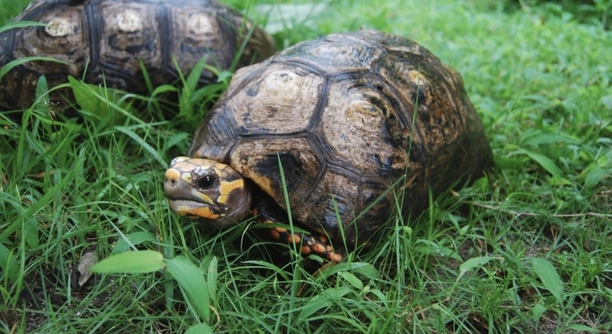
Red-footed tortoises are herbivores, and their diet consists of a variety of vegetables, fruits, and leafy greens. It’s essential to understand what foods are safe for them and which ones may not be ideal for their health.
While peas are not toxic to red-footed tortoises, they should only be offered in moderation. Excessive pea consumption can lead to digestive issues due to their high starch content. It’s best to prioritize leafy greens and other vegetables.
By learning more about the best legumes for red-footed tortoises, you can ensure they receive the right nutrients. We will help you make informed choices for your pet’s well-being.
Can Red-Footed Tortoises Eat Peas Regularly?
Red-footed tortoises are herbivores that thrive on a diet of fresh vegetables, fruits, and some flowers. While peas are not toxic to them, they aren’t the best option for regular feeding. Peas contain a high amount of starch and sugar, which can upset a tortoise’s digestive system if consumed too frequently. It’s important to prioritize other vegetables that offer a variety of nutrients and are gentler on their digestion. Leafy greens like dandelion leaves, collard greens, and mustard greens are far better suited for their diet.
Offering peas occasionally is fine as a treat, but they shouldn’t make up a significant portion of their meals. Balance is key when feeding your tortoise to keep them healthy and prevent digestive issues. Providing a diverse range of foods ensures they get all the necessary vitamins and minerals to support their growth and well-being.
It’s essential to provide a variety of other, more suitable foods. Offering vegetables rich in fiber helps support healthy digestion for your tortoise.
Best Legumes for Red-Footed Tortoises
Legumes can be part of a red-footed tortoise’s diet, but not all are ideal. Beans and peas should be given sparingly because of their higher starch and sugar content. Legumes like lentils and chickpeas are better choices when fed in moderation, as they are higher in protein and lower in starch compared to peas. However, legumes should not make up a major part of their diet.
The most important aspect of a red-footed tortoise’s diet is ensuring it consists mostly of vegetables, leafy greens, and some fruits. Legumes, if used, should be a minor addition, with emphasis placed on leafy greens such as kale, collard greens, and dandelion greens. Some fruits, such as papaya and mango, can also be offered, but these should not outweigh their need for fibrous plants. Providing them with a varied diet helps ensure they stay healthy and energized.
Choosing the right legumes and other foods will benefit your tortoise’s long-term health and development.
Foods to Avoid for Red-Footed Tortoises
Some foods should be completely avoided when feeding red-footed tortoises. These include high-fat foods like avocados and some fruits that are too sugary, such as grapes. These items can cause serious health problems, including digestive upset and obesity. Stick to plant-based options for their meals.
In addition to fruits like grapes and avocados, certain vegetables like onions and garlic are also harmful to red-footed tortoises. These can lead to toxicity and damage their digestive system. Additionally, iceberg lettuce lacks essential nutrients and can cause diarrhea in tortoises. Avoid feeding them processed or cooked foods as well, as they don’t offer the nutritional benefits of raw, fresh ingredients. It’s important to ensure that their diet is based on high-fiber, nutrient-rich vegetables.
A balanced diet of leafy greens, vegetables, and some fruits is best for maintaining a red-footed tortoise’s health. If in doubt, always stick to what’s safe and avoid foods known to be harmful. Ensuring a varied, nutrient-rich diet will keep them thriving.
Importance of Variety in Diet
Variety is essential to providing a healthy diet for your red-footed tortoise. Offering a wide range of vegetables ensures they get different vitamins and minerals, which is crucial for their overall health. Different plant foods provide nutrients that are harder to get from just one type of vegetable.
Leafy greens like kale, collard greens, and mustard greens offer essential calcium, fiber, and vitamin A. Fruits like papaya, mango, and berries can provide natural sugars, while also offering important hydration. It’s important to introduce new foods gradually to avoid upsetting their digestive system. Providing variety ensures your tortoise receives all the necessary nutrients for healthy growth and a strong immune system.
Switching up their meals every few days prevents them from becoming too accustomed to one food, which can help prevent deficiencies. A varied diet is the key to keeping your red-footed tortoise in top shape.
Best Vegetables for Red-Footed Tortoises
Leafy greens are some of the best vegetables for red-footed tortoises. They provide essential nutrients, like calcium and fiber, which are crucial for healthy bone growth and digestion. Offer a variety of greens to meet their nutritional needs.
Collard greens, dandelion greens, and mustard greens are ideal choices. These vegetables are high in nutrients and low in oxalates, making them safe and beneficial for your tortoise. Additionally, greens help provide hydration, which is important for their overall health. Avoid feeding them too much lettuce, as it lacks the necessary nutrients.
Adding a few other vegetables like squash and bell peppers offers more variety and helps balance their diet.
Fruits Red-Footed Tortoises Can Eat
Fruits should be offered in moderation to red-footed tortoises. They provide vitamins and hydration, but too much sugar can upset their digestive system. Opt for fruits that are rich in fiber and low in acid.
Fruits like papaya, mango, and strawberries are great options. These fruits offer essential nutrients while being gentle on their stomachs. Be sure to remove any seeds, as they can be harmful to your tortoise. Variety is key, so rotate fruits to keep things interesting and nutritionally balanced. A few pieces of fruit, along with their regular vegetables, make a well-rounded diet.
Offering Protein to Red-Footed Tortoises
Red-footed tortoises are primarily herbivores, but they may consume small amounts of animal protein. This can come from insects, worms, or small amounts of cooked eggs. Protein should only be offered occasionally and in small quantities.
Feeding too much protein can lead to health issues like kidney problems and shell deformities. In the wild, they may eat insects or small animals, but in captivity, it’s best to limit protein to avoid imbalance. Stick to plant-based foods as their primary source of nutrients.
FAQ
Can red-footed tortoises eat peas every day?
No, peas should not be part of a red-footed tortoise’s daily diet. While peas are not toxic, they are high in starch and sugar, which can cause digestive issues if fed regularly. It’s best to offer peas as an occasional treat, not a staple. Tortoises thrive on a diet of leafy greens, vegetables, and fruits that are lower in sugar and starch. Offering a variety of foods will help prevent digestive problems and keep them healthy.
What fruits are safe for red-footed tortoises?
Red-footed tortoises can enjoy a variety of fruits, but these should be given in moderation. Fruits like papaya, mango, strawberries, and melons are great choices. These fruits are packed with vitamins and provide hydration. Avoid fruits that are too sugary or acidic, like grapes and citrus, as these can upset their stomachs. Always remove seeds from fruits to prevent choking hazards.
Are there any vegetables that red-footed tortoises should avoid?
Yes, some vegetables are not ideal for red-footed tortoises. Iceberg lettuce is low in nutrients and can cause diarrhea. Additionally, garlic and onions are toxic to tortoises and should never be fed. Avoid starchy vegetables like potatoes, as they can upset their digestion. Stick to nutrient-rich leafy greens and other vegetables that are low in oxalates.
Can red-footed tortoises eat animal protein?
Red-footed tortoises are primarily herbivores, but they may occasionally consume animal protein. Insects, worms, and small amounts of cooked eggs can be offered as a rare treat. However, protein should only be given in small amounts to avoid health issues like kidney problems or shell deformities. Their diet should mainly consist of plant-based foods, with animal protein being a supplemental, infrequent addition.
How often should I feed my red-footed tortoise?
Red-footed tortoises should be fed every day, but the amount and variety of food can depend on their age and activity level. Young tortoises need to eat more frequently, while adults can eat once a day or every other day. Offer a balanced diet with fresh vegetables, leafy greens, and fruits, making sure the portions are appropriate for their size. Always remove uneaten food to prevent it from spoiling.
What is the best way to hydrate a red-footed tortoise?
Hydration is crucial for red-footed tortoises, especially in captivity. While some of their moisture needs are met through food, they should always have access to fresh water. You can also soak your tortoise in shallow, warm water for 15-20 minutes once or twice a week. This will help ensure they stay hydrated and promote healthy digestion. Never use chlorinated water, as it can be harmful to them.
Can red-footed tortoises eat flowers?
Yes, red-footed tortoises can eat certain flowers, but not all are safe. Safe flowers include dandelions, hibiscus, and pansies. These flowers are rich in nutrients and can be a great addition to their diet. Avoid flowers that may have been treated with pesticides or chemicals. Always make sure the flowers you offer are free from harmful substances and are safe for consumption.
Is it okay to feed my red-footed tortoise the same food every day?
While red-footed tortoises can eat a consistent base of leafy greens and vegetables, it’s important to offer variety to ensure they get a balanced diet. Relying on the same food every day may lead to nutrient imbalances. Try rotating different vegetables, fruits, and occasional treats like flowers or small amounts of animal protein. This will ensure your tortoise receives a range of essential vitamins and minerals.
Can red-footed tortoises eat lettuce?
Yes, red-footed tortoises can eat lettuce, but it should be limited to certain types of lettuce, such as romaine, which has more nutrients than iceberg. Iceberg lettuce has very few nutrients and can cause digestive upset, so it’s best to avoid it altogether. Romaine lettuce can be a good occasional addition, but it shouldn’t be the main food source.
What is the best diet for a red-footed tortoise?
A balanced diet for a red-footed tortoise includes a variety of leafy greens, such as collard greens, mustard greens, and dandelion leaves. You can also feed them vegetables like squash, bell peppers, and carrots. Fruits should be offered sparingly, with safe options like papaya, mango, and strawberries. Occasionally, small amounts of animal protein like insects or cooked eggs can be provided, but plant-based foods should make up the majority of their diet. Always make sure the foods are fresh and free from pesticides.
Can red-footed tortoises eat carrots?
Yes, red-footed tortoises can eat carrots, but they should be given in moderation. Carrots are high in vitamin A, which is beneficial for their health, but they also contain sugar, so too much can lead to digestive issues. Grated or thinly sliced carrots are easier for them to eat. Rotate carrots with other vegetables like leafy greens for a more balanced diet.
Are red-footed tortoises picky eaters?
Red-footed tortoises can be selective, especially when they’re introduced to new foods. It may take time for them to accept certain vegetables or fruits. Be patient and keep offering a variety of foods. They may develop preferences over time, but it’s important to keep their diet varied and nutritionally balanced. If your tortoise is refusing certain foods, try different textures or preparation methods, like lightly steaming vegetables to make them more appealing.
How do I know if my red-footed tortoise is eating enough?
A healthy red-footed tortoise should have a consistent appetite and should be actively eating daily. If you notice that they are losing weight, becoming lethargic, or not eating much, this could be a sign that something is wrong. Ensure they have access to fresh, nutrient-rich foods, and if the issue persists, it’s a good idea to consult with a reptile veterinarian. Also, monitor their bowel movements and hydration, as changes in these could indicate dietary issues.
Can I feed my red-footed tortoise spinach?
Spinach can be fed to red-footed tortoises, but only in moderation. Spinach is high in oxalates, which can bind to calcium and prevent absorption. Too much spinach can interfere with calcium intake, potentially leading to shell and bone health problems. Offering spinach once in a while is fine, but it should not be a regular part of their diet. Stick to other greens that are lower in oxalates for a healthier, well-rounded diet.
Final Thoughts
Red-footed tortoises are relatively easy to care for, but they do require a balanced diet to stay healthy. While it’s important to offer a variety of foods, some treats, like peas, should be given in moderation. These tortoises thrive on a diet primarily made up of leafy greens, vegetables, and safe fruits. By providing a range of fresh, nutrient-dense foods, you can help ensure they live a long and healthy life. Avoid feeding them too much sugar or starch, as this can lead to digestive issues. The right combination of food will keep your tortoise in good condition.
Another key factor in tortoise care is hydration. Red-footed tortoises need access to clean water at all times, and they benefit from regular soaking to maintain hydration. It’s essential to keep an eye on their water dish, making sure it’s fresh and free of any contaminants. Offering occasional baths also helps in keeping their skin healthy. Along with hydration, it’s crucial to provide them with enough sunlight or UVB lighting if they are kept indoors. These environmental factors are just as important as their diet, as they contribute to their overall health.
Lastly, always be mindful of the food you provide. Not all fruits, vegetables, or flowers are safe for red-footed tortoises, so research is key. Avoid foods that can cause digestive distress, such as iceberg lettuce or overly acidic fruits. It’s important to provide variety to avoid deficiencies or excesses of certain nutrients. With proper care, including a balanced diet and correct habitat, your red-footed tortoise can live a healthy and active life. Keep an eye on their behavior and health, and don’t hesitate to consult a veterinarian if needed.

Hello,
If you enjoy the content that we create, please consider saying a "Thank You!" by leaving a tip.
Every little bit helps us continue crafting quality advice that supports the health, happiness, and well-being of pets around the world, for pets of all shapes, sizes, and species.
We really appreciate the kindness and support that you show us!