
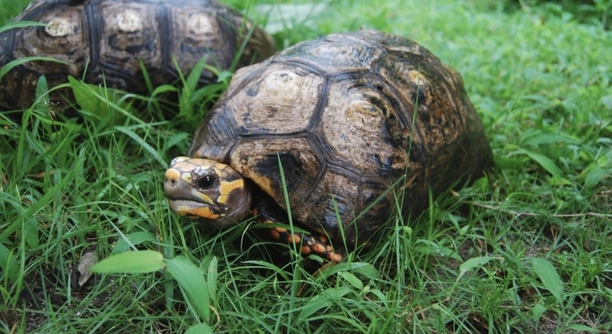
Red-footed tortoises are a popular pet due to their calm nature and unique appearance. However, creating an ideal environment for them can be challenging. With the right enclosure, your tortoise can live happily and healthily in your home.
When setting up an enclosure for a red-footed tortoise, the key is ensuring proper temperature, humidity, and space. Budget-friendly options can be found with a bit of creativity, providing comfort for your tortoise without overspending.
In this article, we will share seven affordable and effective enclosure ideas to help your red-footed tortoise thrive. By considering their natural habitat and needs, you can create a safe and comfortable space on a budget.
1. Affordable Wooden Enclosure
A wooden enclosure is a great choice for creating a comfortable and naturalistic environment for your red-footed tortoise. Using materials like plywood or MDF is cost-effective and easy to work with. Wooden enclosures provide warmth and offer a rustic aesthetic that can mimic their natural habitat. If you decide to build your own, a few simple tools and materials can go a long way.
Building a wooden box or frame will give you full control over the size, which is important since red-footed tortoises need space to roam. You can line the bottom with a waterproof liner to prevent any moisture damage. Make sure to secure the wood properly to avoid sharp edges or splinters.
Adding a sturdy lid with ventilation holes will keep your tortoise safe and allow proper airflow. You can also incorporate branches or rocks to create hiding spots or climbing opportunities. It’s important to keep the enclosure out of direct sunlight to avoid overheating, so place it in a shaded area or add a cover for protection.
2. Storage Bin Setup
Storage bins are a cheap and simple option for setting up a temporary or small enclosure. They’re widely available in various sizes and can be easily modified to suit your tortoise’s needs. With a clear plastic or rubber bin, your tortoise will have a safe and secure environment that is both affordable and efficient.
Storage bins can be a practical solution if you’re limited on space or need to create a portable setup. Drill small ventilation holes to ensure airflow and prevent humidity buildup. To mimic natural environments, you can line the bottom with a substrate such as coconut coir or soil, which helps with humidity control.
Add hides and plants to provide enrichment. Plastic plants, real plants, or pieces of wood can serve as hiding spots or a place to explore. Storage bins may not be the most permanent solution but work well as a starter enclosure. Keep an eye on your tortoise’s behavior to ensure the setup is meeting their needs.
3. Repurposed Aquarium Enclosure
Aquariums are often found at thrift stores and can be repurposed as an affordable enclosure for a red-footed tortoise. With a glass tank, you can easily monitor the tortoise and its environment. Be sure the aquarium is large enough to allow them to move freely and comfortably.
Aquariums are excellent at retaining heat and humidity, which is crucial for red-footed tortoises. They also offer a clear view, making it easier to keep an eye on your pet. To set up, add a substrate that holds moisture well, like coconut fiber or orchid bark. You’ll also need a heating pad or light to regulate the temperature.
Make sure to secure a lid to keep your tortoise from escaping. A mesh screen lid is ideal for proper ventilation while keeping them safe. Adding some hides and plants will give them space to retreat and feel secure. The transparent walls of the aquarium make it easy to observe your tortoise’s behavior, ensuring their health and well-being.
4. Custom Wooden Tank
Building a custom wooden tank can be a cost-effective way to create a spacious, long-term home for your red-footed tortoise. This option allows you to fully customize the size and design of the tank to fit your space and budget.
You can use plywood or untreated lumber for the construction of the base and sides. Ensure the wood is sealed properly to avoid moisture damage and use safe, non-toxic paints or stains. Custom tanks offer plenty of room for digging and creating a natural setup, which is essential for your tortoise’s well-being. Keep in mind the importance of ventilation holes for airflow.
For the interior, add a substrate that holds moisture like soil, coconut fiber, or a combination of both. Install a heating element, such as a ceramic heat emitter, to maintain the proper temperature. This setup can be tailored to create a comfortable, secure environment, offering your tortoise plenty of room to roam and explore.
5. Plastic Crate Setup
A plastic crate is a simple and affordable solution for a red-footed tortoise enclosure. These crates come in different sizes, and with a few modifications, they can provide a comfortable and secure space for your pet.
Plastic crates are durable, lightweight, and easy to clean. Add a substrate like coconut coir or soil to keep the humidity levels right. Make sure there are ventilation holes to provide airflow. You can place a heat lamp on one side of the crate to create a warm spot, while the other side remains cooler for the tortoise to choose its preferred temperature.
6. Cheap DIY Styrofoam Enclosure
Styrofoam is a great budget material for creating an insulated and affordable enclosure for your tortoise. It’s light and easy to work with, allowing you to craft a custom-size habitat for your pet.
Start by cutting Styrofoam boards to your desired dimensions. Secure the pieces together using non-toxic glue or tape. The insulation properties of Styrofoam will help maintain the necessary temperature and humidity levels for your red-footed tortoise. You can line the bottom with a moisture-retaining substrate to keep the enclosure damp, which is essential for your tortoise’s health.
7. Repurposed Furniture
Repurposing old furniture, like a large dresser or cabinet, can be a great way to create an affordable and sturdy enclosure for your red-footed tortoise. It’s a space-saving solution that makes use of items you might already have.
You can modify the furniture by adding a glass or mesh front to allow for proper ventilation. The inside can be lined with a waterproof material, and a heating source can be added for temperature control. A few changes like adding shelves or ramps can also create a more enriching environment for your tortoise.
FAQ
What size enclosure do red-footed tortoises need?
Red-footed tortoises require an enclosure that provides enough space for them to move around comfortably. A minimum of 4 feet by 2 feet is recommended for a single adult tortoise, though larger enclosures are always better. The bigger the space, the more comfortable your tortoise will feel, as they need room for exercise, exploration, and a proper temperature gradient. Enclosures that are too small can stress your tortoise, leading to health issues. It’s essential to provide them with ample room for their natural behaviors, such as foraging and hiding.
What materials are best for a red-footed tortoise enclosure?
For the main structure of the enclosure, durable materials like wood, plastic, or repurposed furniture work well. Wood is often the preferred material as it’s easy to work with, insulated, and provides a natural look. Plastic crates or storage bins are affordable alternatives. The interior should include a substrate like coconut coir, soil, or orchid bark to help maintain humidity levels. Avoid using any treated wood or harmful chemicals that could pose a risk to your tortoise. For ventilation, use mesh or drilled holes in the enclosure lid to ensure proper airflow.
How do I maintain proper humidity for my tortoise?
Maintaining the right humidity level is crucial for a red-footed tortoise’s health. They thrive in humid environments with humidity levels ranging between 60-80%. To maintain humidity, add a moist substrate like coconut coir or soil, and mist the enclosure regularly. You can also add a shallow water dish to encourage them to drink and help with humidity. Be sure to monitor the humidity with a hygrometer and make adjustments as necessary. Avoid over-wetting the substrate, as too much moisture can lead to mold growth or cause respiratory issues.
How do I heat the enclosure?
Red-footed tortoises need a temperature range between 75-85°F (24-29°C) in their enclosure. To achieve this, you’ll need a heat source, such as a heat lamp, ceramic heat emitter, or under-tank heater. A heat lamp placed over one side of the enclosure creates a basking area, allowing your tortoise to regulate its body temperature. The other side of the enclosure should remain cooler, offering a temperature gradient. Make sure to monitor the temperature using thermometers placed in different areas of the enclosure. Avoid overheating the enclosure, as it can stress your tortoise.
How often should I clean the tortoise’s enclosure?
It’s important to clean the enclosure regularly to prevent the buildup of bacteria and waste. Spot clean daily by removing any uneaten food, droppings, or wet substrate. Once a week, do a more thorough cleaning by removing all substrate and washing the enclosure with a mild, reptile-safe disinfectant. Make sure to rinse thoroughly and allow the enclosure to dry completely before adding fresh substrate. A clean enclosure will help ensure your tortoise stays healthy and comfortable. Be mindful of the humidity and temperature levels after cleaning to maintain a stable environment.
Can I use natural plants in the enclosure?
Yes, you can use natural plants in the enclosure, and they can provide both enrichment and a more natural aesthetic. Plants like hibiscus, dandelion, and clover are safe for red-footed tortoises and can be eaten as part of their diet. Ensure the plants you choose are non-toxic and safe for reptiles. You can also add shrubs or small trees to give your tortoise climbing opportunities or shaded areas to retreat to. However, avoid using any plants that have been treated with pesticides or chemicals. Always research the plants before adding them to the habitat.
What should I feed my red-footed tortoise?
Red-footed tortoises are primarily herbivores and should be fed a varied diet of dark leafy greens, fruits, and flowers. Some good options include collard greens, dandelion greens, hibiscus flowers, and strawberries. Avoid feeding them iceberg lettuce, as it provides little nutritional value. It’s important to offer a mix of foods to ensure a balanced diet. You can also offer occasional protein, like hard-boiled eggs or insects, but this should be limited. Ensure the food is chopped into manageable pieces, and remove any uneaten food to prevent it from decaying in the enclosure.
How can I ensure my tortoise is happy in its enclosure?
To keep your red-footed tortoise happy, focus on creating an environment that mimics its natural habitat. Provide plenty of space for roaming, and include elements like rocks, branches, and plants for enrichment. Ensure the enclosure is well-ventilated, and maintain proper humidity and temperature levels. Hide spots or shelters help your tortoise feel secure, as they enjoy having a place to retreat. Regular interaction and handling can also help build trust with your tortoise, but be sure to give them space when they need it. An enriched, stable environment is key to their well-being.
Do I need to provide UVB lighting?
Yes, providing UVB lighting is crucial for your red-footed tortoise’s health. UVB light helps them synthesize vitamin D3, which is necessary for calcium absorption and healthy shell growth. Without adequate UVB exposure, your tortoise may develop metabolic bone disease and other health problems. Set up a UVB light in the enclosure, and ensure it’s positioned properly for your tortoise to bask under it. The light should be replaced every six months, as its effectiveness diminishes over time. If natural sunlight is available, allowing your tortoise outside in a safe, secure area for some sun exposure is also beneficial.
How do I prevent escape from the enclosure?
Red-footed tortoises are surprisingly good at escaping if given the chance. To prevent this, make sure the walls of the enclosure are tall enough to discourage climbing. The sides should be smooth and free of ledges where your tortoise could gain traction. Ensure that the lid is secure, whether it’s a hinged top or a mesh screen. Check for gaps or weaknesses that could be exploited. If you’re using a wooden enclosure, make sure the edges are tightly sealed to prevent your tortoise from squeezing through. Always double-check the setup before letting your tortoise roam unsupervised.
Final Thoughts
Creating a budget-friendly enclosure for your red-footed tortoise doesn’t have to be complicated or expensive. With a bit of creativity, you can find affordable materials and repurpose items you may already have. Whether you choose a wooden setup, a repurposed aquarium, or a simple plastic crate, the most important thing is to meet your tortoise’s basic needs, including proper space, temperature, humidity, and safety. These enclosures can help your tortoise feel comfortable and secure while keeping costs down.
When designing an enclosure, always keep in mind the specific requirements of your red-footed tortoise. They need room to roam, an area to bask in the warmth, and a cool zone to regulate their body temperature. Ensure that the enclosure is well-ventilated to prevent humidity buildup and provide enough hiding spaces for them to retreat when they feel stressed. Adding a few natural elements, like plants or rocks, can create a more stimulating environment, offering your tortoise a chance to explore and interact with their surroundings.
Lastly, remember that your tortoise’s health and happiness depend on the care you provide. Regular cleaning, monitoring of temperature and humidity, and providing a varied diet are all essential aspects of proper tortoise care. Even with a budget-friendly setup, your tortoise can thrive if their environment is properly maintained. By focusing on their needs and choosing a suitable enclosure, you can ensure your red-footed tortoise lives a happy and healthy life.

Hello,
If you enjoy the content that we create, please consider saying a "Thank You!" by leaving a tip.
Every little bit helps us continue crafting quality advice that supports the health, happiness, and well-being of pets around the world, for pets of all shapes, sizes, and species.
We really appreciate the kindness and support that you show us!