
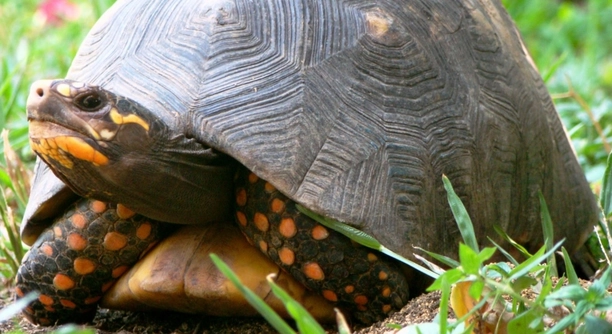
Red-footed tortoises are herbivores and enjoy a variety of fruits and vegetables. One common vegetable often offered to them is cucumber. Knowing what to feed them and how to offer it safely is essential.
Red-footed tortoises can eat cucumber in moderation, but it should not be their main food. Cucumbers provide hydration but lack the necessary nutrients for a balanced diet. Offering cucumber as an occasional treat can be beneficial for your tortoise.
Properly feeding your tortoise cucumber involves cutting it into manageable pieces and ensuring it is pesticide-free.
Benefits of Feeding Cucumber to Red-Footed Tortoises
Cucumber offers hydration, which is important for red-footed tortoises, especially in dry environments. The high water content helps keep them hydrated, especially during warm weather. Additionally, cucumbers are low in calories and can be a healthy snack. When fed in moderation, they can provide variety and a refreshing option in their diet. However, it is important to remember that cucumbers should not be the primary food choice. A balanced diet is essential for your tortoise’s health, and cucumbers should be treated as an occasional treat rather than a staple.
Red-footed tortoises benefit from the occasional cucumber treat, but it should be balanced with other vegetables and leafy greens. This helps prevent an imbalanced diet.
Cucumbers also contain fiber, which aids in digestion. However, they should not replace more nutritious vegetables like collard greens or dandelion leaves, which are richer in vitamins and minerals. Offering a variety of fresh foods ensures your tortoise remains healthy and well-nourished.
How to Properly Feed Cucumber to Your Tortoise
When feeding cucumber to your red-footed tortoise, wash it thoroughly to remove any pesticides or chemicals. It is best to peel the cucumber, as the skin can be tough and difficult for the tortoise to digest. Cutting the cucumber into small, manageable pieces ensures that your tortoise can eat it without difficulty. Removing seeds is optional, but some owners prefer to do so to reduce any risk of choking.
Always ensure that cucumbers are fresh and not spoiled. Leftover cucumber should be removed from the enclosure after a few hours to prevent any bacterial growth. Offering cucumbers alongside other vegetables and fruits will provide a balanced diet for your tortoise.
Risks of Feeding Too Much Cucumber
Feeding too much cucumber to your red-footed tortoise can lead to digestive issues. Cucumber lacks essential nutrients like calcium, which is critical for healthy bone and shell development. If it makes up too large a portion of the diet, it could cause nutrient imbalances.
While cucumber is hydrating, it offers little nutritional value. This means your tortoise could miss out on the vital vitamins and minerals needed for overall health. Excessive cucumber intake can also lead to soft stools or diarrhea, which can be uncomfortable for your tortoise. A varied diet with more nutrient-rich vegetables is essential for long-term health.
An excess of cucumber can also contribute to weight gain if offered frequently, especially when combined with other high-water content foods. This can put additional strain on your tortoise’s digestive system. Stick to offering cucumber as an occasional snack, ensuring the main diet includes high-fiber vegetables and dark leafy greens to promote healthy digestion.
How Often Should You Feed Cucumber to a Red-Footed Tortoise?
Cucumber should be offered no more than once or twice a week. This allows for hydration benefits without overloading your tortoise’s system with too much water. Offering cucumber on rare occasions helps maintain the balance of nutrients in their diet.
Feed cucumber as part of a varied menu that includes leafy greens, fruits, and other vegetables. Aim to rotate different food items each week, ensuring your tortoise gets a wide range of nutrients. Over-relying on one food item, even one as refreshing as cucumber, can negatively affect your tortoise’s health. It’s important to maintain diversity in their meals to prevent deficiencies.
Preparing Cucumber for Your Tortoise
Before feeding cucumber to your red-footed tortoise, wash it thoroughly to remove dirt and chemicals. Peeling the cucumber is optional but recommended for easier digestion. Cutting it into small pieces will help your tortoise eat it more comfortably. Always ensure the cucumber is fresh to avoid any potential health risks.
Do not leave cucumber pieces in the enclosure for too long. Leftovers can spoil quickly and attract pests, which could harm your tortoise. Remove any uneaten cucumber after a few hours to keep the habitat clean and safe.
Alternatives to Cucumber
If you want to provide variety in your tortoise’s diet, try offering other hydrating fruits and vegetables like watermelon or zucchini. Both options are low in calories and high in water content, just like cucumber. These can serve as refreshing treats when you want to change things up.
Always make sure to introduce new foods gradually and in small amounts to monitor your tortoise’s reaction. Variety is important for balanced nutrition, but it should always be safe and suitable for your tortoise’s digestive system.
FAQ
Can red-footed tortoises eat cucumber every day?
Cucumbers should not be a daily food for red-footed tortoises. While they offer hydration, they lack essential nutrients needed for a balanced diet. Overfeeding cucumber can result in nutritional deficiencies and digestive issues. It is best to provide cucumber as an occasional treat, not as a staple food item.
Is cucumber good for red-footed tortoises?
Cucumber is beneficial in moderation due to its high water content, which helps keep red-footed tortoises hydrated, especially during warmer weather. However, it does not provide significant nutritional value, so it should be fed alongside other vegetables and leafy greens to ensure a balanced diet.
What other foods can I feed my red-footed tortoise?
Red-footed tortoises thrive on a variety of vegetables, fruits, and leafy greens. Recommended foods include dark leafy greens like collard greens and dandelion leaves, as well as squash, carrots, and berries. You can also occasionally feed them mushrooms, hibiscus flowers, and fruits like papaya and mango.
Can cucumber cause diarrhea in red-footed tortoises?
Yes, overfeeding cucumber can lead to diarrhea in red-footed tortoises. The high water content, while beneficial for hydration, can cause loose stools when consumed in excess. To avoid digestive upset, feed cucumber in moderation and ensure a balanced diet with other more nutrient-dense foods.
Should I remove the seeds from the cucumber?
Removing the seeds from the cucumber is optional. Some owners prefer to do so to avoid potential choking hazards, while others feed the cucumber with seeds. If you choose to leave the seeds, ensure they are small enough for your tortoise to eat without difficulty.
Can I feed my red-footed tortoise cucumber with the skin on?
You can feed cucumber with the skin on, but it is recommended to peel it. The skin can sometimes be tough for tortoises to digest and may cause discomfort. Peeling the cucumber ensures that your tortoise can enjoy the vegetable without any issues.
How much cucumber can I feed my tortoise?
Cucumber should only be given in small portions. A few small slices or a small chunk once or twice a week is sufficient. Overfeeding cucumber can lead to digestive problems or imbalances in your tortoise’s diet. Always balance cucumber with other nutrient-rich foods to ensure proper nutrition.
Can I feed cucumber to baby red-footed tortoises?
It is not advisable to feed cucumber to baby red-footed tortoises as a primary food. Baby tortoises have different dietary needs compared to adults, requiring more calcium and protein for growth and shell development. Cucumber, being low in essential nutrients, should not be their main food source.
Can red-footed tortoises eat pickled cucumber?
Pickled cucumbers should be avoided because they contain salt and preservatives that can harm your tortoise. The salt can lead to dehydration and kidney issues, and the vinegar in the pickling solution is not suitable for their digestive system. Always offer fresh cucumber to your tortoise.
How often should I feed cucumber to my tortoise?
Cucumber should be offered no more than once or twice a week. This allows your tortoise to enjoy the benefits of hydration without overloading its system with water and low-nutrient content. A varied diet with a balance of fruits, vegetables, and leafy greens is key to your tortoise’s health.
Is cucumber a good source of nutrients for red-footed tortoises?
Cucumber is not a significant source of nutrients for red-footed tortoises. While it provides hydration, it lacks key vitamins and minerals that tortoises need for proper health. It is important to feed your tortoise a diverse diet rich in nutrients to maintain overall well-being.
Can red-footed tortoises eat other types of squash?
Yes, red-footed tortoises can eat other types of squash, such as butternut, acorn, or zucchini. Squash is a great addition to their diet, offering hydration and important vitamins. However, it should be given in moderation, alongside other vegetables, to ensure a well-rounded diet.
Can I feed cucumber along with other fruits?
You can feed cucumber alongside other fruits, but it is important not to overdo it. Red-footed tortoises can enjoy fruits like berries, mango, and papaya in moderation, but fruits are high in sugar. Combining fruits with low-calorie vegetables like cucumber provides a balanced approach to occasional treats.
Final Thoughts
Feeding cucumber to your red-footed tortoise can be a refreshing addition to their diet, but it should be done with care. While cucumber is hydrating and low in calories, it offers very little in terms of essential nutrients like calcium, which are important for your tortoise’s overall health. Offering cucumber too frequently may lead to nutritional imbalances and digestive issues, such as diarrhea or soft stools. It’s best to feed cucumber in moderation, ensuring that it is only a small part of a well-rounded diet that includes other nutrient-rich vegetables, fruits, and greens.
Balancing your tortoise’s diet is key to maintaining its health and well-being. In addition to occasional cucumber treats, include a variety of leafy greens such as dandelion greens, collard greens, and mustard greens, which provide important nutrients like calcium, fiber, and vitamins. Fruits like papaya and berries can also offer variety, but they should be fed sparingly due to their high sugar content. Feeding your tortoise a wide range of foods will ensure they get the necessary nutrients for strong bones, healthy digestion, and proper growth.
Lastly, remember that the way you prepare and serve cucumber matters. Washing the cucumber thoroughly and cutting it into small, manageable pieces will help your tortoise eat it more easily. You can choose to peel the cucumber, as the skin can sometimes be hard for them to digest. As with any food, monitor how your tortoise reacts to cucumber, and remove any uneaten portions to avoid attracting pests or causing spoilage. By offering cucumber occasionally and alongside a diverse range of healthy foods, you can keep your red-footed tortoise happy, hydrated, and healthy for years to come.

Hello,
If you enjoy the content that we create, please consider saying a "Thank You!" by leaving a tip.
Every little bit helps us continue crafting quality advice that supports the health, happiness, and well-being of pets around the world, for pets of all shapes, sizes, and species.
We really appreciate the kindness and support that you show us!