
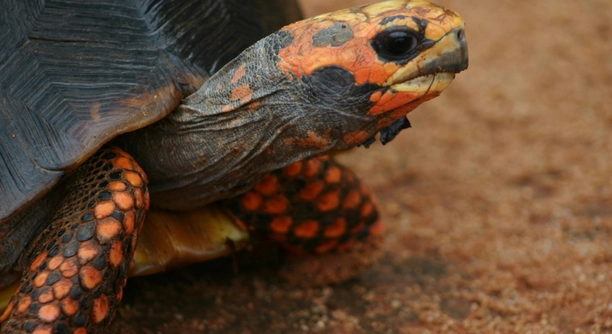
Choosing the right bedding for your red-footed tortoise is essential for their comfort and health. It’s important to understand the options available to provide them with the best environment possible.
The best bedding for red-footed tortoises should be absorbent, safe, and comfortable. Materials like coconut coir, cypress mulch, and organic soil are ideal, as they maintain humidity and provide a natural environment that supports their needs.
Selecting the right bedding can make a noticeable difference in their well-being. Keep reading to learn more about the top options available.
Coconut Coir: A Top Choice for Red-Footed Tortoises
Coconut coir is a popular choice for red-footed tortoises due to its excellent absorbency and natural properties. It helps maintain humidity levels, which is crucial for these tortoises, as they thrive in a moist environment. The coir is soft yet sturdy, allowing the tortoise to burrow comfortably. Additionally, it is a natural product, free of chemicals that could harm your pet. Coconut coir also breaks down slowly, ensuring it doesn’t need to be replaced too often. It’s a sustainable choice that helps create a habitat similar to their natural environment, supporting the health of your tortoise.
Coconut coir is safe, easy to manage, and readily available. It’s highly effective at retaining moisture and has a soft texture that encourages burrowing.
Coconut coir also provides a natural look that matches the tortoise’s habitat. It helps prevent the growth of bacteria and mold, maintaining a clean and healthy living space for your pet. With proper care, it lasts for several months. Regular misting can keep the humidity levels ideal, ensuring your red-footed tortoise stays comfortable.
Cypress Mulch: A Versatile Option for Humidity Control
Cypress mulch is another great bedding option. It provides excellent moisture retention and is naturally resistant to mold and mildew.
Cypress mulch is ideal for maintaining humidity levels and has a long lifespan. It’s lightweight and comfortable for tortoises to move around.
It also absorbs waste and odors effectively, helping to keep the environment clean. The natural texture of cypress mulch allows for easy burrowing and exploration, providing mental stimulation for your red-footed tortoise. The natural fragrance of the mulch is pleasant and doesn’t interfere with your pet’s sensory experience. Though it is slightly more expensive than some other bedding options, its durability and benefits make it worth the investment. With proper maintenance, cypress mulch can last up to six months, offering a stable and hygienic habitat.
Organic Soil: A Natural Option for Red-Footed Tortoises
Organic soil is a great choice if you want to mimic your tortoise’s natural environment. It’s rich in nutrients, making it safe and beneficial for your pet’s habitat.
Organic soil maintains moisture levels, which is vital for red-footed tortoises. It’s important to choose soil that is free from chemicals and fertilizers to avoid harming your tortoise. This type of bedding also allows for burrowing, which is a natural behavior that tortoises enjoy. Be sure to choose soil that is loose and not compacted, as your tortoise will have an easier time moving through it. Organic soil is a natural product, making it environmentally friendly as well.
One thing to be mindful of with organic soil is its tendency to compact over time. This can make it harder for your tortoise to burrow. To avoid this, mix the soil with other bedding options, such as coconut coir or cypress mulch. This can help maintain a loose texture and support humidity levels.
Aspen Shavings: A Safe and Comfortable Bedding Choice
Aspen shavings are a simple and effective bedding option for red-footed tortoises.
They are safe, absorbent, and provide good ventilation, helping to control moisture levels. Aspen shavings are also light and easy to clean, making them an ideal choice for regular maintenance.
While they don’t retain as much moisture as coconut coir or cypress mulch, aspen shavings are still an effective bedding choice when mixed with other materials. Their soft texture allows tortoises to move around comfortably, and they offer good drainage to prevent mold and bacteria growth. Aspen shavings can also help reduce odor by absorbing waste. They are a cost-effective option for those looking to provide a comfortable and safe environment for their tortoise.
Reptile Carpet: A Low-Maintenance Bedding Option
Reptile carpet offers a simple and easy-to-clean solution for red-footed tortoises. It’s durable and can be washed and reused multiple times, making it a cost-effective choice.
While it doesn’t offer the same moisture retention as other bedding options, it does provide a solid and clean surface for your tortoise to walk on. The carpet prevents the buildup of waste and is quick to spot clean. It’s especially helpful for owners who prefer minimal maintenance. However, ensure the carpet is not too rough or abrasive, as it could irritate your tortoise’s skin.
Leaf Litter: A Natural Touch for Your Tortoise’s Habitat
Leaf litter provides a natural and comfortable bedding option that closely resembles a tortoise’s wild environment. It allows tortoises to forage, adding enrichment to their habitat.
Leaf litter also supports humidity control, especially when combined with other materials like coconut coir. It offers a great way to simulate a natural forest floor, giving your tortoise an area to hide and burrow in. It’s important to ensure the leaves are free from pesticides or chemicals before use. Mixing leaf litter with other bedding options can help enhance its moisture retention while maintaining a clean, safe environment for your tortoise.
Grass Hay: A Safe and Absorbent Bedding Material
Grass hay is another simple option that works well for red-footed tortoises. It’s safe, absorbent, and easy to manage.
Hay helps maintain humidity and provides a soft surface for your tortoise to move across. It’s also natural, making it an environmentally friendly option.
FAQ
What is the best bedding for red-footed tortoises?
The best bedding for red-footed tortoises is one that retains moisture, provides a comfortable surface, and is safe to burrow in. Coconut coir and cypress mulch are ideal options. Both help maintain humidity levels, which is important for red-footed tortoises, as they are native to humid environments. Organic soil can also be used, but it’s important to ensure it’s free from chemicals. Mixing different bedding options can provide the best results.
How often should I change the bedding?
How often you change the bedding depends on the material you use. Coconut coir and cypress mulch can last for several months before needing a full change. However, it’s essential to spot clean the bedding regularly to remove waste and maintain a clean environment. Replacing the bedding every 3-4 months is typically recommended for materials like coir and mulch. If using a material like reptile carpet, you may only need to wash it every few weeks, depending on how dirty it gets.
Can I use sand as bedding for my red-footed tortoise?
While sand is sometimes used for other types of reptiles, it is not an ideal choice for red-footed tortoises. Sand doesn’t provide adequate moisture retention and can cause health issues like respiratory problems or impaction if ingested. It’s better to stick with bedding materials like coconut coir or cypress mulch, which are safer and provide a more natural habitat.
Is it necessary to add humidity for red-footed tortoises?
Yes, humidity is important for red-footed tortoises. These tortoises are native to tropical regions where they are exposed to higher humidity levels. To maintain the right humidity, you can mist the bedding with water or use a humidity box. Maintaining humidity levels between 60% and 80% will help keep your tortoise healthy and comfortable.
Can I mix different bedding materials?
Yes, mixing different bedding materials can be beneficial. For example, combining coconut coir with cypress mulch can help maintain moisture levels and prevent the bedding from compacting. Organic soil can be mixed with other materials to provide extra nutrients and improve texture. Just make sure all materials are safe and non-toxic for your tortoise.
How do I clean my tortoise’s bedding?
Cleaning your tortoise’s bedding involves spot cleaning daily and doing a full cleaning every 3-4 months. For spot cleaning, remove waste and debris from the bedding regularly. When it’s time for a full cleaning, discard the old bedding, clean the enclosure thoroughly, and replace the bedding with fresh material. For materials like reptile carpet, simply wash it in warm water and mild soap. Regular cleaning helps maintain a healthy environment for your tortoise.
Is it okay to use artificial grass as bedding?
Artificial grass can be used as a bedding option for red-footed tortoises, but it should be used with caution. While it’s easy to clean and reusable, it doesn’t retain moisture as well as other bedding materials. It also doesn’t offer the opportunity for burrowing, which is a natural behavior. If you decide to use artificial grass, make sure to combine it with other materials like coconut coir or cypress mulch to help maintain humidity levels and provide enrichment for your tortoise.
How can I ensure my tortoise’s enclosure is safe?
To ensure your tortoise’s enclosure is safe, check that the bedding is free from chemicals, pesticides, or any toxic substances. Avoid using materials that can easily cause impaction or respiratory issues, like sand. The enclosure should be large enough for your tortoise to move freely, with proper ventilation and temperature regulation. Be sure to provide areas for hiding, basking, and burrowing to encourage natural behaviors. Regular cleaning and maintenance of the bedding are essential to keep the environment safe and healthy.
Can I use newspaper or paper towels as bedding?
While newspaper or paper towels may seem like a quick and easy option, they aren’t ideal for red-footed tortoises. These materials don’t retain moisture and lack the natural feel that tortoises need to thrive. Paper towels also don’t allow for burrowing. If you’re in a pinch, they can be used temporarily, but it’s best to use bedding options that mimic the tortoise’s natural environment, like coconut coir or cypress mulch.
What are the signs of poor bedding conditions?
Signs of poor bedding conditions include a foul smell, dry or overly wet bedding, and visible mold growth. If the bedding is too dry, it may not maintain the necessary humidity levels. If it’s too wet, it can lead to bacteria and mold growth, which can be harmful to your tortoise. Additionally, if your tortoise appears stressed, reluctant to move, or shows signs of respiratory issues, it could indicate that the bedding is not suitable for its needs. Regularly check and maintain the bedding to ensure a healthy environment.
Can I use dried leaves as bedding?
Dried leaves can be used as bedding for red-footed tortoises, especially if you want to create a more natural environment. Leaves provide a soft texture and help with humidity control. Be sure the leaves are pesticide-free, and avoid using leaves from plants that may be toxic to tortoises. Mixing dried leaves with other bedding materials like coconut coir can enhance the overall environment.
How do I maintain the right temperature for my tortoise?
Maintaining the right temperature is essential for your red-footed tortoise’s health. The enclosure should have a temperature gradient, with a warmer area for basking (about 85-90°F) and a cooler area (75-80°F) for resting. You can achieve this with a heat lamp, ceramic heater, or heat pad. Ensure the temperature is consistent throughout the enclosure and use a thermometer to monitor it regularly. Proper temperature regulation helps your tortoise digest food, regulate metabolism, and stay healthy.
What bedding options are safe for baby red-footed tortoises?
For baby red-footed tortoises, it’s important to use bedding that is soft, non-toxic, and safe for them to move around on. Coconut coir and cypress mulch are great choices, as they are soft and retain moisture. Be sure the bedding is fine enough to prevent ingestion. Avoid any bedding that could be ingested in large amounts, like sand or gravel.
Final Thoughts
Choosing the right bedding for your red-footed tortoise is crucial for maintaining their health and comfort. The bedding you select directly impacts their overall well-being, affecting their ability to regulate temperature and humidity. Coconut coir and cypress mulch are among the best options, as they provide the necessary moisture retention and create a natural, comfortable environment for your tortoise. Additionally, mixing these materials can offer an optimal balance of moisture and texture, enhancing your tortoise’s living space. It’s important to monitor the conditions in the enclosure regularly, as this will ensure the bedding remains clean and effective.
Regular maintenance of your tortoise’s bedding is just as important as the initial selection. Spot cleaning is essential to remove waste and prevent bacteria buildup, while full bedding changes should be done every few months to maintain a fresh and hygienic environment. Without proper care, poor bedding can lead to health problems such as respiratory issues, skin conditions, or stress in your tortoise. Ensuring proper humidity levels and temperature control is also necessary to replicate their natural habitat and keep your tortoise active and healthy. Take the time to learn about the specific needs of your tortoise, and don’t hesitate to make changes if something isn’t working.
In conclusion, providing your red-footed tortoise with the proper bedding requires attention to detail and consistent care. While coconut coir and cypress mulch are safe and effective, it’s important to also consider your tortoise’s behavior and preferences. Keep an eye on their activity levels, health, and the condition of the bedding, and make adjustments when needed. With the right bedding, your tortoise can enjoy a comfortable and healthy environment, ensuring they live a long and happy life.

Hello,
If you enjoy the content that we create, please consider saying a "Thank You!" by leaving a tip.
Every little bit helps us continue crafting quality advice that supports the health, happiness, and well-being of pets around the world, for pets of all shapes, sizes, and species.
We really appreciate the kindness and support that you show us!