
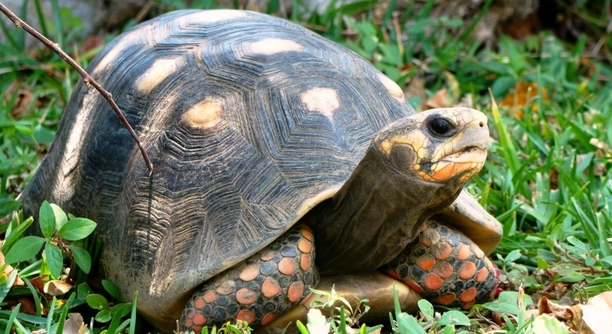
Red-footed tortoises are known for their diverse diet, often enjoying fruits, vegetables, and greens. Bell peppers are a colorful, nutritious option, but how safe are they for your pet tortoise? Here’s what you need to know.
Red-footed tortoises can eat bell peppers, but it should be offered in moderation. These peppers are rich in vitamins and antioxidants, which support their health, but feeding them too much can cause digestive issues due to their high water content.
Feeding bell peppers in moderation offers your tortoise a healthy snack. Understanding the best colors and portions can make a positive difference in your tortoise’s diet.
Can Red-Footed Tortoises Eat All Colors of Bell Peppers?
Red-footed tortoises can enjoy bell peppers of different colors, but each color has slightly different nutritional benefits. Red, yellow, and orange peppers are rich in vitamin C and antioxidants, which can be particularly beneficial for their immune system. Green bell peppers, however, contain more fiber and are less sugary. Offering a variety of bell pepper colors helps provide a broader range of nutrients for your tortoise.
Bell peppers are a great addition to your tortoise’s diet, but make sure to choose a range of colors. Too much of any one type can cause digestive issues or imbalance in their diet.
In addition to their colorful appeal, bell peppers are low in fat and high in vitamins, which can support your red-footed tortoise’s overall health. Red and yellow peppers contain beta-carotene, a powerful antioxidant that supports their immune system. Green bell peppers, although less sweet, offer a healthy dose of fiber. These peppers also provide hydration, which is essential for your tortoise. When offering bell peppers, be sure to remove seeds and stems before feeding. Overfeeding bell peppers may cause an upset stomach due to their high water content, so moderation is key.
How Often Should You Feed Bell Peppers to Your Tortoise?
While bell peppers can be a healthy treat, they should not make up the majority of your red-footed tortoise’s diet. Fresh leafy greens, such as collard or dandelion greens, should still be the primary part of their meals.
Bell peppers are best offered once or twice a week. A mix of fruits, vegetables, and other greens can keep your tortoise’s diet varied and well-balanced. They should not replace regular feeding of leafy greens or other vegetables. Too many peppers, even though nutritious, may lead to a lack of essential nutrients. Stick to small portions to prevent any potential digestive discomfort. The balance is important.
Benefits of Bell Peppers for Red-Footed Tortoises
Bell peppers are a healthy, low-calorie treat that offers multiple benefits for red-footed tortoises. Rich in vitamins A and C, they support immune function and overall health. These vitamins are vital for the tortoise’s skin and shell health, promoting better growth and a strong immune system.
The vibrant colors of bell peppers, including red, yellow, and orange, provide antioxidants that help combat free radicals in the body. These antioxidants contribute to a stronger immune response, helping to prevent illnesses. Additionally, bell peppers are hydrating, which supports the tortoise’s overall well-being. High water content is crucial for hydration, especially in warmer climates. Regular but moderate servings of bell peppers can be a nutritious addition to a tortoise’s diet, keeping them energized and healthy.
Bell peppers can also help to diversify your tortoise’s diet. They add variety to the usual mix of leafy greens, which can prevent boredom and encourage healthy eating habits. However, they should be given in moderation to avoid any digestive issues. Too much of this vegetable can lead to an upset stomach due to its high water content. Incorporating bell peppers as an occasional treat offers nutritional variety without compromising your tortoise’s health.
How to Prepare Bell Peppers for Your Tortoise
When feeding bell peppers to a red-footed tortoise, it’s important to properly prepare them. Start by washing the peppers thoroughly to remove any pesticides or dirt. Cut the bell pepper into small, manageable pieces, making it easier for your tortoise to eat. Remove the seeds and the stem, as they can be difficult for your tortoise to digest.
Peppers should be sliced into small strips or bite-sized chunks that your tortoise can easily consume. This prevents choking and helps avoid overeating. Red-footed tortoises have small mouths, so making the pieces small allows for safer feeding. It’s also a good idea to mix bell peppers with other vegetables or fruits to create a varied, balanced meal. Offering a mix ensures that your tortoise gets the nutrients it needs from a wide range of food sources.
If you are introducing bell peppers to your tortoise’s diet for the first time, start with small amounts. Monitor your pet for any signs of digestive discomfort, such as changes in stool consistency or appetite. This helps ensure that your tortoise is adjusting well to the new food. Avoid serving bell peppers as the main meal. They should complement a primarily leafy green-based diet for the best results.
Risks of Overfeeding Bell Peppers
Overfeeding bell peppers can lead to digestive issues for your red-footed tortoise. The high water content in peppers can cause diarrhea or loose stools if consumed in excess. These digestive problems may result in dehydration and a lack of proper nutrient absorption.
Bell peppers should not be a staple in your tortoise’s diet. While they are nutritious, they should only be fed in moderation. Over-relying on bell peppers, or any fruit or vegetable, can create an imbalance in their diet. Stick to small portions to ensure proper digestion and overall health.
Other Foods to Complement Bell Peppers
When adding bell peppers to your red-footed tortoise’s diet, remember they should complement other foods. Offer a mix of leafy greens, such as collard greens, dandelion greens, and kale. Adding fruits like strawberries and papaya can provide extra vitamins and minerals.
These foods, when served alongside bell peppers, will ensure your tortoise gets a balanced diet. Avoid relying on one food type too often, as diversity is essential for a well-rounded nutritional profile. A varied diet will support their overall health and growth.
Are Bell Peppers Safe for Baby Tortoises?
Bell peppers are safe for baby red-footed tortoises as long as they are prepared properly. Start with small, finely chopped pieces to match their smaller size. Baby tortoises have delicate digestive systems, so feeding them smaller amounts is essential.
FAQ
Can red-footed tortoises eat bell peppers every day?
Feeding bell peppers daily is not recommended for red-footed tortoises. While bell peppers are nutritious, they should be given in moderation. Excessive consumption can lead to digestive issues due to their high water content. It’s best to offer bell peppers a few times a week, along with other vegetables and greens to ensure a balanced diet. Too much of any one food can cause nutrient imbalances, so variety is key.
Are red, yellow, and orange bell peppers better than green for tortoises?
Red, yellow, and orange bell peppers are slightly better for red-footed tortoises than green peppers. These peppers are rich in antioxidants, vitamin C, and beta-carotene, all of which support immune function and overall health. Green bell peppers contain more fiber but are lower in sugars and vitamin content. Offering a mix of colors is the best option to ensure your tortoise gets a range of nutrients.
Can I feed bell peppers to my tortoise along with other fruits and vegetables?
Yes, bell peppers can be fed alongside other fruits and vegetables. Red-footed tortoises benefit from a varied diet that includes leafy greens, fruits like papaya, and vegetables like zucchini or squash. Just make sure the bell peppers are not the only vegetable being offered. A mix of different food types will provide better overall nutrition.
Should I remove the seeds from bell peppers before feeding them to my tortoise?
Yes, you should remove the seeds and stems from bell peppers before feeding them to your tortoise. The seeds can be difficult for them to digest and may cause blockages in the digestive tract. Cutting the peppers into smaller pieces and removing all inedible parts will make it easier and safer for your tortoise to eat.
Can baby red-footed tortoises eat bell peppers?
Baby red-footed tortoises can eat bell peppers, but they should be introduced in smaller amounts. Their digestive systems are more sensitive, so start with tiny pieces of bell pepper and watch for any signs of digestive issues. As they grow, you can increase the portion size gradually. Always prepare the bell peppers in small, manageable pieces for young tortoises.
How much bell pepper should I feed my tortoise at one time?
The portion size of bell pepper for a red-footed tortoise should be small, roughly the size of a coin or two. It’s essential to avoid overfeeding, as bell peppers are not meant to be the main part of their diet. A small piece once or twice a week is enough. Always monitor your tortoise for any digestive changes when adding new foods.
Is it safe to feed my tortoise bell peppers with skin on?
Yes, it’s safe to feed your tortoise bell peppers with the skin on, but it’s important to wash them thoroughly to remove any pesticides or chemicals. The skin of bell peppers is packed with nutrients and fiber, so it can be beneficial for your tortoise’s health. However, if your tortoise has trouble digesting the skin, you can peel it off before offering it.
Can bell peppers cause diarrhea in red-footed tortoises?
Bell peppers can cause diarrhea if fed in excessive amounts. Their high water content can be too much for your tortoise’s digestive system if given too frequently. It’s important to offer them in moderation. If you notice your tortoise has loose stools after eating bell peppers, reduce the amount you feed and observe for any further changes in their digestion.
Are there any other vegetables I should avoid feeding my tortoise?
While bell peppers are generally safe, there are some vegetables you should avoid feeding your tortoise. These include onions, garlic, and certain types of lettuce (like iceberg lettuce), which offer little nutritional value and can cause digestive issues. Always research the safety of any new food before offering it to your tortoise.
Can bell peppers help with my tortoise’s hydration?
Yes, bell peppers can help with hydration because of their high water content. Red-footed tortoises need adequate hydration, especially in warm environments. Offering water-rich foods like bell peppers can supplement their water intake, but fresh drinking water should always be available to ensure they stay properly hydrated.
What should I do if my tortoise refuses to eat bell peppers?
If your tortoise refuses to eat bell peppers, it may not be to their liking. Try offering them different colors or preparing them in a different way. For example, try mixing them with their favorite greens or fruits to entice them. It’s also important to remember that tortoises can be picky eaters, so if they avoid peppers, it’s not a cause for concern as long as they are eating other foods.
Can I feed my tortoise bell peppers that are not fresh?
It’s best to feed your tortoise fresh bell peppers. While bell peppers can be stored for a few days in the fridge, avoid offering your tortoise peppers that are old, wilted, or spoiled. Fresh vegetables offer the most nutrients, and feeding your tortoise stale food may not provide the same health benefits. Always check the quality of the peppers before offering them.
Can bell peppers help with my tortoise’s shell health?
Bell peppers, particularly red, yellow, and orange varieties, can contribute to your tortoise’s shell health because they are rich in beta-carotene, an antioxidant that helps support overall health. Beta-carotene is a precursor to vitamin A, which is essential for maintaining a healthy shell and skin. Including bell peppers as part of a varied diet can support proper shell development.
Are there any other foods that are better for my tortoise than bell peppers?
While bell peppers are a healthy option, there are other vegetables and fruits that are particularly beneficial for red-footed tortoises. Leafy greens such as collard greens, mustard greens, and dandelion greens should make up the majority of their diet. You can also offer fruits like papaya and mango for variety and additional nutrients. Stick to dark, leafy vegetables and a mix of fruits for the best overall nutrition.
Final Thoughts
Feeding your red-footed tortoise a balanced diet is key to ensuring its health and longevity. While bell peppers can be a beneficial addition to their meals, they should not make up the bulk of their diet. Offering bell peppers a few times a week, along with other fruits, vegetables, and leafy greens, helps maintain the right nutritional balance. Bell peppers are high in vitamins and antioxidants, making them a good source of nutrition when fed in moderation. Variety is important to prevent any nutrient imbalances, as too much of one food can lead to health problems.
It’s also essential to monitor your tortoise’s reaction to new foods. Some tortoises may have sensitivities or preferences that affect what they choose to eat. If your red-footed tortoise refuses bell peppers or shows signs of digestive discomfort, such as diarrhea, it’s important to adjust their diet. You can try different types of bell peppers or prepare them in various ways to make them more appealing. Keeping an eye on your tortoise’s health and adjusting their diet accordingly will help ensure they get the proper nutrition they need.
Finally, when offering bell peppers or any other foods, remember that your red-footed tortoise’s health goes beyond just feeding the right ingredients. Regular access to clean water, a suitable habitat, and occasional supplementation with calcium or other nutrients will help keep your tortoise healthy. Always wash fruits and vegetables thoroughly before feeding to remove any pesticides or chemicals. By following these guidelines and offering a variety of foods, you can provide your red-footed tortoise with a healthy and balanced diet for years to come.

Hello,
If you enjoy the content that we create, please consider saying a "Thank You!" by leaving a tip.
Every little bit helps us continue crafting quality advice that supports the health, happiness, and well-being of pets around the world, for pets of all shapes, sizes, and species.
We really appreciate the kindness and support that you show us!