
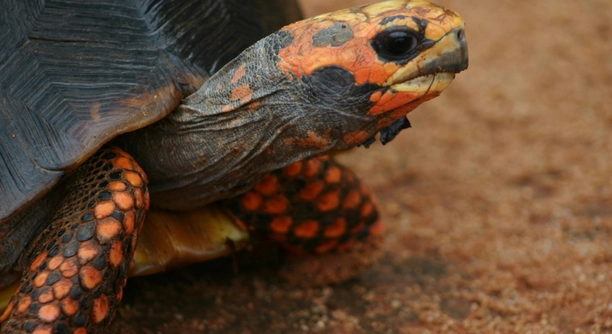
It can be easy to overlook the signs of an overweight red-footed tortoise. Understanding the key indicators can help maintain your tortoise’s health and ensure they live a long, comfortable life. Keeping them active is essential.
Overweight red-footed tortoises typically show signs such as lethargy, difficulty moving, and a rounder, softer body shape. Obesity can cause long-term health problems, making it essential to monitor their weight and adjust their diet and exercise routines accordingly.
Recognizing these signs early on will help you make the right adjustments to your tortoise’s lifestyle and diet.
Diet and Feeding Habits
When feeding your red-footed tortoise, providing the right amount of food is crucial. Overfeeding can lead to weight gain, especially if your tortoise isn’t getting enough exercise. Offer a varied diet that includes leafy greens, vegetables, and some fruits. Avoid high-fat foods, as they can contribute to obesity over time. Portion control is key to keeping their weight in check. Overeating can also strain their digestive system, leading to discomfort and possible health issues.
A balanced diet helps regulate your tortoise’s weight and supports their overall well-being. Feeding them the right portions ensures they receive the nutrients they need without overloading their system.
In addition to the right food, ensure fresh water is always available. Hydration plays a key role in digestion and helps prevent bloating. It’s important to pay attention to the amount of food given and adjust accordingly based on your tortoise’s activity level.
Activity Level
A sedentary tortoise is more likely to become overweight. If your tortoise is not getting enough exercise, it will likely struggle with weight management. Regular movement helps them burn calories and maintain a healthy weight.
Take time to allow your tortoise to explore and move around in a safe space. Whether it’s an outdoor enclosure or a designated area indoors, providing them with opportunities to roam keeps them active. Additionally, encouraging climbing or even swimming can promote further weight management.
In the wild, tortoises stay active by foraging for food and moving across larger areas. By replicating this environment in captivity, you can help your red-footed tortoise stay fit. Avoid keeping them in confined spaces for long periods, as lack of movement can cause both physical and emotional stress.
Overfeeding Vegetables and Fruits
Offering too many high-calorie fruits and vegetables can lead to weight gain in red-footed tortoises. While these foods are essential for their diet, portion control is important. Overfeeding them, especially with fruits, can contribute to obesity. Stick to a balanced amount of fruits and vegetables for each meal.
High-calorie fruits like bananas and mangoes can add extra fat to your tortoise’s diet. These should be offered sparingly. Vegetables like leafy greens should make up the majority of their food intake, as they are lower in calories. Adding variety to their meals is important, but overindulgence can cause harm.
Red-footed tortoises may have a tendency to eat more when food is abundant, so it’s crucial to provide the right portion sizes. Ensuring a balanced diet will keep their weight in check and help prevent any health problems related to overeating. Keep an eye on their feeding habits for better health outcomes.
Monitoring Weight
Keeping track of your red-footed tortoise’s weight is vital for their overall health. Regularly weighing them can help you catch any signs of weight gain or loss early. Weighing them every few months will give you a better idea of their weight trends.
If your tortoise’s weight increases gradually, it may be a sign that adjustments are needed in their diet or exercise routine. Weighing should be done using a sensitive scale that can accurately record small changes. Noticing any rapid changes in weight can indicate potential health problems, such as obesity or malnutrition.
Tracking their weight can also give you insight into how effective changes to their diet and lifestyle are. If you notice a significant weight change, it’s best to adjust their feeding schedule or provide more exercise. A steady weight ensures that your tortoise remains healthy in the long run.
Impact of a Small Enclosure
A small enclosure can limit your tortoise’s movement, leading to weight gain. Restricted space means less opportunity for exercise, which is essential for burning calories. Ensure your red-footed tortoise has a spacious area to move around in for optimal health.
Lack of space also affects your tortoise’s mental well-being. Red-footed tortoises are naturally active and enjoy exploring. When confined to a small space, they become less engaged and may resort to overeating out of boredom. This cycle can lead to obesity over time. Providing more room helps them stay active and healthy.
Providing Proper Heat and Lighting
Proper heat and lighting are crucial for your red-footed tortoise’s metabolism. Insufficient warmth can cause lethargy, leading to weight gain. Ensure your tortoise has access to a heat source that replicates their natural environment to keep them active and aid digestion.
A basking area with the right temperature is necessary for your tortoise to regulate its body heat. If the environment is too cold, they may slow down, decreasing their activity levels. Without adequate warmth, they may also eat less or not digest food properly, further complicating weight management.
FAQ
How can I tell if my red-footed tortoise is overweight?
An overweight red-footed tortoise will have a rounder, softer body shape and may have difficulty moving. If your tortoise seems lethargic or slower than usual, it could indicate that it has gained excess weight. The shell may also appear more prominent with less definition, and the limbs may seem disproportionately small. Regularly weighing your tortoise can help monitor any significant weight changes, offering insight into their health.
What should I do if I think my red-footed tortoise is overweight?
If you suspect your red-footed tortoise is overweight, begin by adjusting its diet. Cut back on high-calorie fruits and ensure a proper balance of leafy greens and vegetables. Increasing their physical activity is equally important. Provide a larger enclosure or a designated area for exploration. If weight does not decrease or you notice other health issues, consider consulting a veterinarian for further advice.
Can red-footed tortoises lose weight on their own?
Red-footed tortoises may lose weight on their own if they are placed in a larger enclosure that encourages movement. However, without a proper diet and exercise plan, they are unlikely to lose weight significantly. It’s important to regulate both food intake and activity levels to prevent obesity. Ensure they are receiving the right amount of food and monitor their weight regularly.
How often should I feed my red-footed tortoise?
Red-footed tortoises generally need to be fed every other day or about three to four times per week. A varied diet of leafy greens, vegetables, and small portions of fruits will keep them healthy. Overfeeding, especially with high-calorie foods like fruit, can lead to obesity. The portion size should depend on your tortoise’s age, size, and activity level.
Can overfeeding lead to health problems for my tortoise?
Yes, overfeeding can lead to several health problems for your red-footed tortoise. Obesity can cause mobility issues, digestive problems, and a shorter lifespan. It can also strain their internal organs, especially the liver and kidneys. Ensuring proper portion sizes and a balanced diet can prevent these issues and maintain a healthy weight.
What types of food should I avoid giving my red-footed tortoise?
Avoid giving your red-footed tortoise processed or high-fat foods like dairy, meats, and grains. Some fruits should also be limited, such as bananas, grapes, and mangoes, as they contain high sugar content. Stick to a diet of leafy greens (like collard greens, dandelion greens, and mustard greens) and vegetables (such as squash and bell peppers) to promote a healthy weight.
How can I encourage my tortoise to exercise more?
To encourage exercise, make sure your red-footed tortoise has plenty of space to roam. A large, safe outdoor enclosure or a roomy indoor habitat will promote movement. Providing climbing opportunities, obstacles, or a shallow pool of water to walk through can increase activity. Interaction and exploration are natural ways for them to stay active.
What size should my red-footed tortoise’s enclosure be?
A red-footed tortoise’s enclosure should be large enough to allow movement. A minimum of 8×8 feet for an adult tortoise is recommended. Larger spaces provide ample room for your tortoise to explore, which helps with both physical and mental well-being. A bigger enclosure will encourage exercise and prevent boredom, both of which can help manage their weight.
Can I give my red-footed tortoise treats?
Occasional treats can be given, but they should be limited to foods that are low in fat and sugar. Small portions of fruits, like papaya or melon, can be offered, but they should not make up a large part of their diet. Treats should always be given in moderation to avoid weight gain.
Should I be concerned if my red-footed tortoise isn’t eating much?
If your red-footed tortoise suddenly stops eating or eats significantly less, it could be a sign of illness or stress. It’s essential to observe their behavior and ensure their habitat conditions (heat, humidity, and lighting) are appropriate. If they continue to refuse food, it’s best to consult a veterinarian to rule out any underlying health issues.
Final Thoughts
Maintaining a healthy weight for your red-footed tortoise is crucial to its overall well-being. By keeping track of its diet, providing proper exercise, and ensuring it has a spacious environment, you can help prevent the risks associated with obesity. Regularly monitoring its weight and adjusting food intake will help you spot potential issues early. Overfeeding and lack of exercise can lead to serious health problems, but with the right care, you can prevent these concerns.
A balanced diet is key to managing your tortoise’s weight. Offer a variety of vegetables and a limited amount of fruit. Make sure the food you provide is low in fat and sugar. Properly portioning meals is important to avoid overfeeding. Along with a proper diet, ensuring that your tortoise gets enough exercise is equally essential. A spacious enclosure will give your tortoise the freedom to move around, explore, and stay active. Providing climbing opportunities or water for walking will help them stay engaged and burn calories.
If you notice any changes in your red-footed tortoise’s behavior, such as lethargy or difficulty moving, it might indicate an issue with its weight or health. Take the necessary steps to monitor its weight and adjust its diet. If necessary, seek the help of a veterinarian for professional advice. Consistent care and attention will ensure that your tortoise remains healthy and active, living a long, happy life.

Hello,
If you enjoy the content that we create, please consider saying a "Thank You!" by leaving a tip.
Every little bit helps us continue crafting quality advice that supports the health, happiness, and well-being of pets around the world, for pets of all shapes, sizes, and species.
We really appreciate the kindness and support that you show us!