
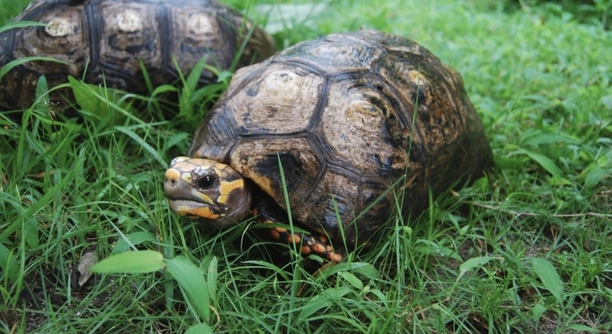
If your red-footed tortoise is ignoring its food, it may be a sign of underlying issues. This can be a concerning behavior, especially for those new to keeping these reptiles as pets. Identifying the cause is important.
There are several reasons why a red-footed tortoise might refuse food. Stress, temperature fluctuations, illness, or improper diet are common factors. Changes in the environment, such as habitat disturbances or seasonal shifts, can also affect appetite.
Understanding the causes of this behavior helps ensure your tortoise receives proper care and nourishment.
Stress and Environmental Changes
Stress is one of the most common reasons a red-footed tortoise might stop eating. Tortoises are sensitive to changes in their environment, and stress can significantly impact their appetite. Changes in lighting, temperature, or humidity can make them uncomfortable and lead to food refusal. Even loud noises or disruptions in their habitat can cause stress.
It is essential to maintain a stable and calm environment for your tortoise. Consider if there have been any recent changes, such as moving their enclosure or new pets or people in the household. These factors can make your tortoise feel threatened and less likely to eat.
To reduce stress, make sure the habitat is quiet, with proper lighting and consistent temperatures. Avoid frequent handling, and provide a peaceful place for your tortoise to retreat. This will help them feel safe and comfortable enough to eat.
Health Issues
If your red-footed tortoise is still not eating despite a stable environment, health problems could be the cause. These reptiles can suffer from a variety of illnesses, including respiratory infections, parasites, or digestive issues. Illness often leads to a lack of appetite.
If you notice other signs of illness, such as lethargy, discharge from the eyes or nose, or swelling, it’s important to consult a vet. Health problems should be addressed immediately to prevent further complications. Early intervention will increase the chances of a full recovery.
Proper diet and regular veterinary check-ups are crucial in maintaining your tortoise’s health. Regularly monitor their behavior and appetite to catch any changes early.
Temperature and Humidity Issues
Temperature and humidity levels are critical for your tortoise’s well-being. If these conditions aren’t ideal, your red-footed tortoise may lose its appetite. The right temperature range is between 75°F and 85°F during the day, with a drop at night. Humidity should be kept around 60-80%.
Ensure that the enclosure has a proper heating source, such as a heat lamp or ceramic heater. Also, consider adding a humidity box or spraying water inside the habitat to maintain the right moisture levels. A thermometer and hygrometer are useful tools for tracking these conditions.
Improper temperatures can lead to digestive problems and cause the tortoise to stop eating. If the habitat is too hot or cold, it may not be able to properly digest food. Maintain stable conditions for your tortoise to ensure it eats regularly and stays healthy.
Improper Diet
Feeding your red-footed tortoise the wrong foods can affect its appetite. These tortoises need a diet rich in fiber, vitamins, and minerals. Offering them too much protein or too little variety can lead to nutritional imbalances, making them lose interest in food.
A proper diet for a red-footed tortoise includes a mix of dark leafy greens, fruits, and some flowers. Avoid overfeeding high-protein items like meat or eggs, which can cause health problems. Stick to natural foods that are found in their native habitat for optimal nutrition. Offering a balanced, varied diet will help maintain a healthy tortoise that continues to eat regularly.
If your tortoise refuses food, review its diet and ensure you are providing the correct balance of nutrients. Be mindful of the types of foods and their proportions, and avoid processed or unsuitable items.
Seasonal Changes
Seasonal changes can affect your red-footed tortoise’s eating habits. In the wild, these tortoises may experience natural cycles of reduced appetite during cooler months. Even in captivity, they may eat less when the temperature drops or during periods of lower sunlight.
If your tortoise is eating less but seems otherwise healthy, the change in appetite could be linked to seasonal shifts. You may notice a decrease in food intake during winter months. Keep the environment warm and provide extra food during this time to support their energy needs.
Allowing for a natural seasonal slowdown in eating is normal, as long as the tortoise is not showing signs of illness.
Stress from Handling
Frequent handling can stress your red-footed tortoise, leading to a reduced appetite. Tortoises generally don’t enjoy constant interaction, and too much handling may make them feel threatened. It’s essential to give them space to feel safe and calm.
Avoid unnecessary handling, especially during feeding times. If your tortoise is handling stress, it may avoid eating, as it associates feeding with discomfort. Provide a quiet, secure space where it can feel at ease.
Stress-free environments are key to maintaining healthy eating habits for your tortoise.
Inadequate Lighting
Proper lighting is vital for your tortoise’s appetite and digestion. UVB lighting helps them metabolize calcium and regulate their internal processes. Without the right lighting, your tortoise may stop eating or become lethargic.
Ensure your red-footed tortoise has access to UVB light for 10 to 12 hours a day. Lack of UVB exposure can lead to poor digestion and calcium deficiency, both of which can cause appetite loss. Regularly check that the bulb provides sufficient UVB radiation, and replace it as needed.
Good lighting is essential for overall health and eating behavior.
FAQ
Why is my red-footed tortoise not eating?
Several factors can cause your red-footed tortoise to stop eating. Stress from environmental changes, such as noise or temperature fluctuations, is a common reason. Illness, improper diet, and inadequate lighting or humidity also affect their appetite. Check the habitat for changes or stressors and ensure that the temperature, humidity, and lighting are optimal. If these factors are in place and your tortoise still refuses food, consider seeking advice from a veterinarian. They can rule out health issues such as infections, parasites, or nutritional deficiencies.
How do I know if my tortoise is stressed?
Signs of stress in a tortoise include hiding, aggression, lethargy, or a refusal to eat. If your tortoise is withdrawing from normal activities, has difficulty moving, or seems unusually restless, these can indicate stress. Consider the environment and whether anything has changed recently. Is there too much noise or too many people around? Check the enclosure for temperature or humidity problems as well. Reducing stress often requires providing a calm, stable environment and avoiding excessive handling.
Can I force my tortoise to eat?
It is not advisable to force feed a tortoise. This can cause more harm than good and can lead to further stress or injury. If your tortoise refuses food, the best approach is to investigate potential causes, such as temperature or diet, and adjust accordingly. If the refusal persists, seek guidance from a veterinarian. They may suggest ways to encourage eating without causing distress, such as offering different food types or making adjustments to its habitat.
What should I do if my tortoise’s food is spoiled?
If you notice that your tortoise’s food has spoiled, remove it immediately. Spoiled food can cause digestive issues and illness. Always inspect the food before offering it. Red-footed tortoises need fresh, nutritious food. Offer a variety of greens, fruits, and flowers, ensuring they are free from mold or rot. Regularly clean the food bowl and remove leftovers to prevent contamination. Providing fresh, safe food is crucial for their health and appetite.
Can I change my tortoise’s diet to get it to eat more?
Yes, changing your tortoise’s diet can help spark its interest in food. Try offering a variety of fresh fruits, vegetables, and edible flowers that are safe for red-footed tortoises. Some tortoises may prefer certain types of food over others. If the tortoise refuses its usual food, try offering something new to encourage eating. Be mindful of nutritional balance, as too much fruit or protein can lead to health problems. A varied diet promotes both interest in eating and overall well-being.
How long can a red-footed tortoise go without eating?
While it’s best to avoid prolonged periods of fasting, a red-footed tortoise can survive for a few weeks without food, especially if it is healthy and has access to water. However, a long period of not eating may weaken the tortoise and make it more vulnerable to illness. If your tortoise stops eating for more than a few days, it’s important to assess the environment and diet, as well as monitor for signs of illness. Seek veterinary care if the refusal continues.
How often should I feed my red-footed tortoise?
A healthy adult red-footed tortoise should be fed daily, offering a variety of vegetables, fruits, and occasional flowers. Juveniles may need more frequent feedings, as they are growing and have higher energy needs. Adjust the amount based on the tortoise’s size, age, and activity level. Providing small amounts of fresh food each day is better than overfeeding, as this helps mimic their natural foraging habits. Ensure that fresh water is always available.
Can my red-footed tortoise overeat?
Yes, a red-footed tortoise can overeat, especially if it is offered too much protein or high-calorie foods like fruit. Overeating can lead to obesity and other health problems, including liver or kidney issues. It’s important to feed your tortoise a balanced diet with proper portions, focusing on leafy greens and safe fruits and vegetables. Avoid offering too many fatty or sugary foods. Proper portion control is essential for maintaining the tortoise’s overall health.
How can I tell if my tortoise is dehydrated?
Signs of dehydration in a red-footed tortoise include sunken eyes, lethargy, dry skin, or abnormal droppings. If you notice these symptoms, ensure that the tortoise has access to fresh water at all times. You can also soak the tortoise in shallow, lukewarm water for 20 to 30 minutes to help rehydrate it. Dehydration can affect appetite and digestion, so it’s important to address it promptly. If dehydration continues despite proper care, consult a veterinarian.
What is the best temperature for a red-footed tortoise?
The ideal temperature for a red-footed tortoise’s habitat should range between 75°F and 85°F during the day. At night, temperatures can drop to around 70°F. Maintaining this temperature range is essential for digestion and overall health. If the temperature fluctuates outside of these ranges, your tortoise may become stressed or refuse food. Use a reliable thermometer and adjust heating sources to ensure stable conditions in the enclosure.
How do I handle a red-footed tortoise when it’s not eating?
If your red-footed tortoise is not eating, try to minimize handling. Excessive interaction can cause stress and further discourage eating. Only handle the tortoise when necessary, such as during cleaning or health checks. Give your tortoise time and space to adjust, and focus on creating a calm, stable environment. If the refusal to eat persists, consider seeking veterinary advice to rule out underlying health issues.
Final Thoughts
When a red-footed tortoise refuses to eat, it can be worrying, but there are various reasons behind it. Environmental factors, such as temperature, humidity, and light, play a significant role in their appetite. Stress from changes in the tortoise’s habitat, like noise or handling, can also impact its eating habits. These factors should be addressed before looking for more complex causes. Always ensure that your tortoise’s enclosure is set up correctly to provide the most comfortable environment. A stable habitat can go a long way in helping your tortoise feel at ease and encourage eating.
Health issues are another common reason why a tortoise may stop eating. Parasites, infections, and other health concerns can reduce appetite and overall well-being. If there are no apparent environmental issues, it may be necessary to consult with a veterinarian. A vet can perform tests to rule out underlying medical problems, such as gastrointestinal issues, parasites, or other conditions that affect their ability to eat. Regular check-ups are important for maintaining your tortoise’s health and ensuring that any issues are caught early.
Diet is also an important factor to consider. Red-footed tortoises need a varied diet that includes leafy greens, fruits, and flowers. Offering different types of food can encourage your tortoise to eat. However, it’s crucial to avoid overfeeding fruits or protein-rich foods, as this can lead to health problems. If your tortoise is picky, try different food types to see what it prefers. Keep in mind that sometimes, simply providing fresh, high-quality food can make a difference. A well-balanced diet and proper feeding routine will ensure that your tortoise remains healthy and happy.

Hello,
If you enjoy the content that we create, please consider saying a "Thank You!" by leaving a tip.
Every little bit helps us continue crafting quality advice that supports the health, happiness, and well-being of pets around the world, for pets of all shapes, sizes, and species.
We really appreciate the kindness and support that you show us!