
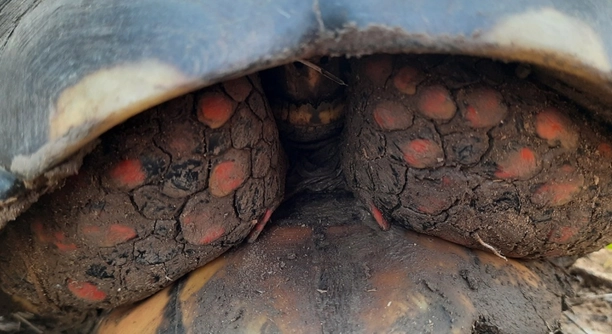
Red-footed tortoises are popular pets, known for their gentle nature and distinct appearance. As reptile owners, we often want to treat our pets with delicious snacks. One common food item pet owners may consider is tomatoes.
Red-footed tortoises can safely eat tomatoes in moderation, as they provide beneficial nutrients like vitamin C. However, excessive consumption may lead to digestive issues, so it’s essential to limit their intake and offer variety.
Understanding how much tomato is safe for your tortoise and how it fits into their overall diet can be beneficial. Let’s take a closer look at what makes tomatoes a good or bad option for your pet.
Can Red-Footed Tortoises Eat Tomatoes Regularly?
Red-footed tortoises are known for their herbivorous diet, typically consisting of fruits, vegetables, and flowers. Tomatoes are often included as a potential treat because they’re easy to offer and are packed with vitamins. Tomatoes are rich in vitamin C, antioxidants, and fiber, all of which contribute to your tortoise’s health. However, they should be considered an occasional treat rather than a regular part of their diet. Tomatoes contain acids and can lead to digestive discomfort if fed too often. Offering a variety of vegetables and fruits helps ensure your tortoise gets balanced nutrition, keeping them healthy and happy.
Incorporating tomatoes into your tortoise’s diet is fine, but it’s best to limit it. Regularly offering other fruits, greens, and high-fiber vegetables ensures your tortoise’s overall health.
Tomatoes should be served in small amounts, with the seeds removed. The acidic nature can cause issues if consumed in large quantities. A small slice or a few pieces are sufficient to reap the benefits without overloading your pet’s system.
Are There Risks to Feeding Red-Footed Tortoises Tomatoes?
Tomatoes come with some concerns when fed too often. Their high acidity can upset your tortoise’s stomach, causing discomfort or even diarrhea. Too much acidic food can also interfere with calcium absorption, which is crucial for your tortoise’s shell and bone health. Over time, this can lead to health issues, such as weakened shells or metabolic bone disease.
While tomatoes are safe in moderation, it’s vital to remember that variety is key. A well-balanced diet with an appropriate mix of leafy greens, safe fruits, and vegetables will ensure your tortoise stays healthy. Always introduce any new food slowly and monitor how your pet reacts. This will help avoid any digestive or health problems down the line.
Additionally, when feeding tomatoes, always ensure they’re fresh and free from pesticides or chemicals. Organic tomatoes are a better choice for ensuring your tortoise gets a clean and healthy treat.
Can Tomatoes Cause Digestive Issues for Red-Footed Tortoises?
Tomatoes are acidic, which can be harsh on your tortoise’s digestive system if fed in excess. The acidity may lead to stomach upset, including diarrhea or bloating. This is why they should only be offered occasionally.
If you notice your tortoise having trouble after eating tomatoes, it’s important to stop offering them or reduce the portion size. A healthy tortoise diet should focus on foods that are gentler on their digestive system, like leafy greens. Always monitor your tortoise after introducing any new food, including tomatoes. By doing so, you can help prevent any digestive discomfort.
Tomatoes also contain seeds, which may be harder for your tortoise to digest. While a few seeds are unlikely to cause harm, larger amounts could potentially lead to digestive blockages. To avoid this, remove the seeds before offering the fruit. It’s a small step, but it can help your pet stay comfortable and healthy. If you’re unsure about the effects of tomatoes, consulting with a vet familiar with reptiles is always a good choice.
Nutritional Benefits of Tomatoes for Red-Footed Tortoises
Tomatoes are packed with nutrients, making them a great occasional treat. They are rich in vitamin C, which is important for boosting your tortoise’s immune system. This vitamin helps your pet fight off illnesses and promotes overall health. Additionally, tomatoes contain antioxidants that can support cell health and reduce oxidative stress.
In small portions, tomatoes provide a low-calorie snack that adds variety to your tortoise’s diet. The fiber content in tomatoes helps with digestion, supporting the smooth functioning of the digestive tract. When given in moderation, tomatoes can contribute to a balanced, nutrient-rich diet, giving your tortoise some extra vitamins and antioxidants.
While they’re nutritious, it’s important to remember that no single food should dominate your tortoise’s diet. Offering a variety of fruits and vegetables ensures they receive a wide range of nutrients to thrive. Avoid overfeeding tomatoes and focus on other foods that provide important nutrients like calcium for shell strength and proper bone growth.
How Often Can Red-Footed Tortoises Eat Tomatoes?
Tomatoes should only be fed occasionally, about once or twice a week. This ensures that your tortoise gets the nutritional benefits without overloading on acidity. Offering them too often may lead to digestive issues or disrupt their balance of nutrients.
Stick to small portions to avoid overwhelming your tortoise’s digestive system. You can offer other fruits or leafy greens on days when tomatoes aren’t being served, helping to maintain a healthy and varied diet. This will give your tortoise all the nutrients they need while minimizing the risk of any health problems.
Alternatives to Tomatoes for Red-Footed Tortoises
When looking for alternatives, leafy greens like collard greens, dandelion greens, and mustard greens are excellent options for red-footed tortoises. These vegetables provide essential nutrients like calcium and fiber, which support strong bones and healthy digestion. You can also feed them fruits like papaya or mango, which are safe and nutritious.
Other fruits such as strawberries, melons, and bananas can also be offered in moderation. These fruits provide additional vitamins and antioxidants, helping keep your tortoise’s immune system strong. Remember to avoid fruits that are high in sugar, as too much sugar can cause health problems for your pet.
Should Tomatoes Be Peeled Before Feeding?
Peeling tomatoes is not strictly necessary, but it can be helpful. The skin may be more difficult for your tortoise to digest, especially if they have a sensitive stomach. Removing the skin can help reduce any potential digestive discomfort. Always wash the tomato thoroughly before offering it.
Can Red-Footed Tortoises Eat Tomato Leaves?
No, red-footed tortoises should not eat tomato leaves. Tomato leaves contain solanine, a toxic compound that can be harmful to tortoises. If consumed in large amounts, it can lead to symptoms like stomach upset, lethargy, or even more severe health issues. Always remove the leaves from the tomato before feeding it to your tortoise. If you suspect your tortoise has ingested tomato leaves, it’s best to consult a vet to ensure they don’t experience any adverse effects. Stick to offering only the fleshy fruit itself to keep your pet safe.
Are Red-Footed Tortoises Sensitive to Tomatoes?
Yes, red-footed tortoises can be sensitive to tomatoes, especially when eaten in large quantities. The acidity in tomatoes can upset their stomach and cause digestive problems like diarrhea. This sensitivity varies depending on the individual tortoise, but it’s always best to offer tomatoes in moderation. A small slice once or twice a week is enough to enjoy the benefits without overloading their system. If your tortoise shows any signs of discomfort after eating tomatoes, such as bloating or loose stool, reduce the amount and consider other fruit options.
Are Cherry Tomatoes Safe for Red-Footed Tortoises?
Yes, cherry tomatoes are safe for red-footed tortoises, but they should also be given in moderation. Like regular tomatoes, they contain vitamins and antioxidants beneficial to tortoises. However, due to their small size, it may be easier to offer a few cherry tomatoes at a time without overfeeding. Be sure to remove any seeds before offering them to avoid any digestive issues. Cherry tomatoes should be seen as an occasional treat rather than a regular part of their diet, ensuring a balance of nutrients without the risks associated with overconsumption.
Can Red-Footed Tortoises Eat Tomatoes With Seeds?
It’s better to remove the seeds before feeding tomatoes to your red-footed tortoise. While the seeds aren’t necessarily toxic, they can be difficult for your tortoise to digest in large amounts. Seeds could also cause digestive blockages, especially if your tortoise has a sensitive stomach or isn’t used to eating them. By removing the seeds, you reduce the risk of digestive issues and make the fruit easier for your tortoise to process. Keeping the portions small and carefully prepared will help prevent any discomfort or health problems.
Can Tomatoes Be Harmful to Red-Footed Tortoises?
Tomatoes can be harmful if fed too often or in large quantities. The acidity can cause digestive upset, leading to diarrhea, bloating, or stomach discomfort. Too much acid over time can also interfere with calcium absorption, which is essential for your tortoise’s bone health. Additionally, if the tomato is not properly prepared (such as leaving the seeds or leaves on), it can lead to toxicity or digestive issues. However, when fed occasionally in small, seedless portions, tomatoes can be a nutritious and safe treat for your tortoise.
Can Red-Footed Tortoises Eat Tomato Sauce or Canned Tomatoes?
No, red-footed tortoises should not eat tomato sauce or canned tomatoes. These products often contain added salt, sugar, and preservatives that can be harmful to your tortoise’s health. The extra ingredients may disrupt their digestive system and contribute to dehydration or other health issues. Canned tomatoes and sauces can also contain high levels of acidity, which might upset their stomach. Fresh, raw tomatoes are always the best option for your pet, but remember to limit the amount you feed them.
Can Red-Footed Tortoises Eat Sun-Dried Tomatoes?
It’s best to avoid feeding sun-dried tomatoes to red-footed tortoises. These tomatoes are often dehydrated, making them much more concentrated in sugars and acidity. Over time, the high sugar content can cause digestive issues and lead to unhealthy weight gain. Additionally, sun-dried tomatoes are usually salted, which is not suitable for tortoises. Fresh tomatoes, with the seeds removed and in moderation, are always a safer choice. Stick to offering natural, fresh fruits and vegetables to maintain a balanced and healthy diet for your tortoise.
What Other Fruits Can Red-Footed Tortoises Eat?
Red-footed tortoises enjoy a variety of fruits, which can add both nutrients and variety to their diet. Safe options include papaya, mango, strawberries, raspberries, bananas, and melons like cantaloupe and watermelon. These fruits are rich in vitamins, fiber, and antioxidants, which contribute to overall health. However, fruits should always be offered in moderation to avoid too much sugar, which can lead to digestive problems. Mixing these fruits with leafy greens and vegetables will ensure your tortoise gets a well-rounded diet that supports their immune system and bone health.
What Vegetables Can Red-Footed Tortoises Eat?
Red-footed tortoises can enjoy a wide range of vegetables, which are essential for their health. Safe options include collard greens, dandelion greens, mustard greens, and kale. Other vegetables like squash, carrots, and bell peppers are also great additions to their diet. These vegetables provide vital nutrients such as calcium and fiber, which are crucial for digestion and bone health. Always aim for variety to ensure your tortoise gets the necessary nutrients. Avoid giving them iceberg lettuce, as it lacks nutritional value, and always wash vegetables thoroughly to remove any pesticides.
Can Red-Footed Tortoises Eat Fruit Every Day?
While red-footed tortoises enjoy fruit, it’s not advisable to offer it every day. Fruits are high in sugar, and too much sugar can lead to digestive issues or obesity over time. Fruits should be given as an occasional treat, about two to three times a week, and should always be balanced with other healthy food options like leafy greens and vegetables. By limiting fruit intake, you’ll help prevent unnecessary health problems and ensure that your tortoise maintains a proper, balanced diet. Stick to a variety of fruits and vegetables to meet all their nutritional needs.
Final Thoughts
Tomatoes can be a fun and healthy treat for red-footed tortoises when offered in moderation. They provide beneficial nutrients like vitamin C, antioxidants, and fiber. However, it’s important to be mindful of how much you feed them, as too many tomatoes can lead to digestive issues. The acidity of tomatoes can upset their stomachs if consumed frequently, so it’s best to limit their intake to once or twice a week. Always serve small portions and remove the seeds to avoid potential digestive problems.
While tomatoes can be a part of a well-balanced diet for your tortoise, they should never replace essential foods like leafy greens, vegetables, and other fruits. A variety of foods ensures your tortoise gets the right mix of nutrients. Consistently offering different fruits and vegetables will keep your pet happy and healthy. Remember that moderation is key, and variety in their diet will help maintain their overall well-being.
If you ever notice signs of digestive discomfort, such as diarrhea or bloating, after feeding tomatoes, it’s best to reduce the amount or stop offering them. Every tortoise is unique, and some may be more sensitive to certain foods. Keep an eye on their reactions, and consult a vet if needed. Ultimately, providing your tortoise with a mix of healthy foods and treats will keep them thriving for years to come.

Hello,
If you enjoy the content that we create, please consider saying a "Thank You!" by leaving a tip.
Every little bit helps us continue crafting quality advice that supports the health, happiness, and well-being of pets around the world, for pets of all shapes, sizes, and species.
We really appreciate the kindness and support that you show us!