
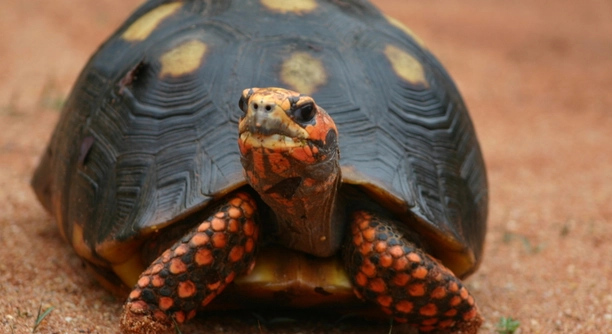
Red-footed tortoises are fascinating creatures, known for their unique appearance and calm behavior. If you’ve noticed your tortoise sitting in its water dish often, you may be curious about the reasons behind this behavior.
Red-footed tortoises frequently sit in their water dish to regulate their body temperature, stay hydrated, or simply rest. These tortoises enjoy being in a humid environment, and water can provide comfort and help with thermoregulation.
Understanding this behavior is important in maintaining a healthy habitat for your tortoise. There are a few key reasons behind it, including their need for hydration and temperature control.
Why Water Is So Important for Red-Footed Tortoises
Red-footed tortoises naturally live in humid environments, so water plays a significant role in their lives. It is essential for hydration, helping to keep their skin moist and their body functioning well. The water dish provides them with an easy way to access moisture whenever needed. This is why you often see them spending time in it, even if they aren’t necessarily swimming. The moisture helps them stay cool, especially during warmer months when dehydration can be a concern.
Sometimes, tortoises will soak in water to keep their bodies comfortable and avoid getting too hot. They do this instinctively, as their environment doesn’t always provide a steady source of coolness. It’s part of how they manage their body temperature, which is critical for their well-being.
Tortoises are not known to drink large amounts of water at once, but they do enjoy sitting in it. The water helps them rehydrate over time and keeps their bodies in balance. Having a water dish in their enclosure is essential for their overall health, as it prevents dehydration and allows them to self-regulate temperature. You might even notice them submerging their heads or slowly soaking. This is their way of ensuring they’re getting the moisture they need.
Behavioral Reasons Behind the Water Dish Habit
It’s common for tortoises to spend more time in the water dish than other animals might.
In addition to hydration, your red-footed tortoise may be using its water dish to rest or cool off. They are known to retreat into water for comfort, not just to drink. Their shells are not designed for extensive water exposure, but they still enjoy the cool, soothing effect of a small soak. With water, they can regulate both temperature and skin health, making it an essential part of their daily routine. When they sit in the water, they might also be trying to escape warmer areas in their enclosure that could lead to overheating.
Temperature Regulation and Comfort
Red-footed tortoises often sit in their water dish as a way to manage their body temperature. The water helps them cool off when they get too warm. This is especially true in the summer months when temperatures rise. Without the right conditions, they can easily overheat.
The water dish becomes a natural spot for cooling down. Since tortoises are cold-blooded, they rely on external temperatures to stay comfortable. A warm environment without a water source can lead to stress, so the dish provides relief. If your tortoise seems to spend a lot of time soaking, it might just be trying to maintain its ideal body temperature. The water keeps it from getting too hot during the day, helping to prevent overheating.
Sometimes, they just need a break from basking. The basking area can get very warm, so moving to the water dish allows them to rest while staying cool. It’s not only about hydration; it’s about making sure they stay comfortable in their environment. This behavior shows that your tortoise is trying to maintain balance.
Dehydration Prevention
Sitting in the water dish also prevents dehydration, which is a serious concern for tortoises. In the wild, they may not always have easy access to water, but in captivity, providing this constant source is essential.
Without enough water, red-footed tortoises can become dehydrated quickly. Dehydration can cause a variety of health issues, including lethargy and digestive problems. A tortoise will instinctively look for water to prevent this, and the water dish becomes its primary source. Sitting in the water allows them to absorb moisture through their skin, preventing dryness. Regular access to water ensures that your tortoise can stay hydrated and healthy, avoiding issues that come with improper hydration.
If you notice your tortoise spending a lot of time in its water dish, it may be a sign that it’s not getting enough moisture elsewhere. Make sure the dish is large enough for it to soak comfortably, and keep it clean to ensure your tortoise is always drinking safe, fresh water.
Stress Relief
Spending time in the water dish can help a tortoise relieve stress. When red-footed tortoises feel anxious, the water dish offers a safe, calm space. It’s a way for them to escape other stressors in their environment.
A tortoise may choose to sit in the water when it feels overwhelmed by changes in its habitat, like noise or new surroundings. The water dish becomes a place of comfort, where they can settle down and feel secure. It also serves as a way to cool off and relax, preventing the tortoise from becoming overly stressed.
Poor Habitat Conditions
Improper humidity or temperature in a tortoise’s enclosure can lead to them spending too much time in the water dish. If the humidity is too low or the temperature fluctuates too much, your tortoise may seek water as a way to compensate.
If your tortoise frequently sits in the water dish, it might indicate that the conditions in the enclosure need adjustment. Ensuring that the humidity and temperature levels are correct is vital. A good rule of thumb is to maintain around 70% humidity and a warm basking spot. Regularly monitor these factors to avoid stressing your tortoise.
Health Problems
If your tortoise is constantly in the water, it could signal a health issue. Skin infections or discomfort from shedding problems might cause your tortoise to seek the water more often than usual.
It’s important to monitor any changes in behavior. If your tortoise seems uncomfortable or refuses to leave the water dish, check for signs of illness, such as swollen eyes or abnormal skin. These issues may require veterinary attention.
FAQ
Why does my red-footed tortoise keep soaking in the water dish?
Your tortoise may be soaking in its water dish for several reasons. It could be trying to regulate its body temperature, especially if the environment is too hot. Red-footed tortoises often use water to cool down. They may also be dehydrated or trying to maintain skin moisture. In some cases, they may seek the water for comfort or stress relief.
How much water should a red-footed tortoise have access to?
Red-footed tortoises should always have access to clean, fresh water. They don’t drink excessively, but they need enough to soak in when necessary. A shallow water dish that allows them to sit comfortably is ideal. Ensure it’s large enough for them to fully submerge their legs and partially soak their shells. Keep the water clean by changing it regularly to avoid contamination.
Can a red-footed tortoise stay in water for long periods?
While it’s natural for a red-footed tortoise to spend time in the water dish, it should not stay submerged for long periods. Prolonged exposure to water may cause stress or skin issues. If your tortoise seems to be soaking for excessive amounts of time, it could be a sign of underlying health problems or poor environmental conditions.
Is it okay for a red-footed tortoise to drink from the water dish?
Yes, it is perfectly fine for your tortoise to drink from the water dish. Tortoises often sip water throughout the day. Even though they don’t drink large amounts at once, it’s important that they have a constant supply of fresh water to stay hydrated. In addition to drinking, they may also absorb moisture through their skin when soaking.
How often should I clean the water dish?
You should clean the water dish at least every other day or whenever you notice dirt, debris, or algae build-up. Clean water helps prevent bacterial growth that could harm your tortoise. Use a mild soap or reptile-safe cleaner, rinse thoroughly, and refill with fresh water. Regular cleaning ensures your tortoise has a safe source of hydration.
How do I know if my tortoise is stressed?
Tortoises show signs of stress through behavior changes. If your red-footed tortoise seems more withdrawn, refuses to eat, or constantly hides, it may be stressed. Other signs include pacing, excessive soaking, or displaying aggressive behavior. Check its environment for potential stressors such as too much noise, improper lighting, or temperature fluctuations. If stress continues, consulting a vet can help rule out health issues.
What are the best humidity levels for my tortoise?
Red-footed tortoises thrive in humidity levels of around 70-80%. Too little humidity can cause skin problems and dehydration, while too much humidity can lead to respiratory issues. Use a hygrometer to monitor the humidity in the enclosure. You can adjust humidity by misting the enclosure or using a humidity box filled with damp moss.
Can my tortoise become sick from sitting in the water?
Sitting in the water for extended periods can potentially lead to health problems if the water is not clean or if the tortoise’s skin remains too wet. Bacterial or fungal infections can develop if the water is not changed regularly. Additionally, prolonged exposure to water can lead to shell rot, which occurs when the shell gets too soft due to excessive moisture. Always ensure the water dish is clean and shallow enough to prevent these issues.
What should I do if my tortoise won’t leave the water dish?
If your tortoise is constantly in the water dish, it might be a sign of discomfort, poor enclosure conditions, or a health issue. Start by checking the temperature and humidity in the enclosure. If the environment is too hot or dry, the tortoise may be seeking the water to cool off or hydrate. If everything in the habitat seems fine, but the behavior continues, consider having a vet check for possible health problems, such as skin or respiratory issues.
Is it normal for a tortoise to sleep in the water dish?
It’s not typical for a tortoise to sleep in the water dish. If your red-footed tortoise is sleeping in the water, it could be due to discomfort or stress. Make sure the habitat has a quiet, comfortable area for sleeping that is separate from the water dish. A proper basking spot and hiding areas will help your tortoise feel more secure.
How can I ensure my tortoise’s environment is right for them?
To create a suitable environment for your red-footed tortoise, ensure that the temperature and humidity levels are appropriate. The basking area should be warm, around 90°F, while the cooler side of the enclosure should be around 75°F. Provide a water dish, a humid hiding spot, and UVB lighting. Regularly monitor conditions to ensure your tortoise stays healthy and comfortable.
How do I know if my tortoise is dehydrated?
Signs of dehydration in a tortoise include a dry or sunken appearance around the eyes, lethargy, and reduced appetite. If you notice your tortoise isn’t drinking or soaking in the water dish, it may be dehydrated. Offering fresh water, increasing humidity, and providing a proper diet with water-rich foods can help prevent dehydration. If dehydration continues, consult a veterinarian.
Final Thoughts
Understanding why your red-footed tortoise spends time in its water dish is important for providing the best care possible. These tortoises often soak in the water to regulate their body temperature, stay hydrated, or find comfort. The water helps them manage their internal temperature, especially when the environment gets too hot. If you notice your tortoise in the water dish regularly, it might simply be trying to cool down or keep itself moisturized, which is part of its natural behavior. This is especially true during the warmer months when the temperature can become a concern. Regular access to fresh water ensures that they can drink, soak, and stay hydrated without facing issues like dehydration or skin dryness.
However, it’s also important to pay attention to your tortoise’s overall health and behavior. If your tortoise seems to spend excessive amounts of time in the water dish, it could be a sign of something more than just a need for hydration or cooling off. In some cases, this behavior could indicate stress, discomfort, or even a health problem. Issues like poor humidity levels, temperature fluctuations, or even skin infections can cause your tortoise to spend more time in the water than usual. Regularly monitoring the conditions in its habitat and ensuring they meet the necessary requirements for temperature and humidity can help reduce stress and prevent health problems.
Finally, while it’s normal for your red-footed tortoise to spend time in its water dish, keep in mind that a clean, balanced, and properly maintained environment is key to its well-being. Ensure that the water dish is cleaned regularly and that your tortoise has access to both a basking spot and a humid hide. Consistent care of your tortoise’s habitat will help it thrive and feel comfortable. If you ever notice significant changes in behavior, such as refusal to eat, prolonged soaking, or other signs of distress, it may be time to consult a veterinarian. With the right attention to detail, your tortoise will have a healthy and happy life in its home.

Hello,
If you enjoy the content that we create, please consider saying a "Thank You!" by leaving a tip.
Every little bit helps us continue crafting quality advice that supports the health, happiness, and well-being of pets around the world, for pets of all shapes, sizes, and species.
We really appreciate the kindness and support that you show us!