
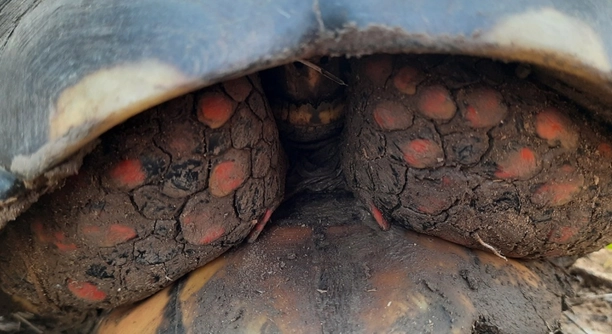
Red-footed tortoises are popular pets for reptile enthusiasts. Like all pets, they require a proper diet to stay healthy. However, certain foods may be harmful to them, and it’s important to know which ones to avoid.
Red-footed tortoises should not eat garlic, as it is toxic to them. Garlic contains compounds that can harm their red blood cells and lead to digestive issues. Ingesting garlic can cause long-term health problems for these tortoises.
Garlic can have severe effects on your red-footed tortoise’s health, making it crucial to keep it out of their diet.
What Makes Garlic Harmful to Red-Footed Tortoises?
Garlic contains compounds known as thiosulfates, which can be dangerous for red-footed tortoises. These compounds can damage their red blood cells, causing a condition called hemolytic anemia. In this condition, the red blood cells break down, leading to a decrease in oxygen supply to the body. This can make the tortoise weak and tired. It may also cause digestive upset, such as vomiting or diarrhea. Even small amounts of garlic can be harmful, so it’s important to avoid feeding it to your pet.
Garlic is not only toxic in large quantities but also dangerous in small amounts. Over time, even small doses can lead to the accumulation of toxins in the tortoise’s system, worsening the health risks. The digestive issues that come with garlic consumption can also make it harder for the tortoise to absorb necessary nutrients.
Long-term exposure to garlic can result in more severe health issues. It may damage the liver and other vital organs, especially in younger or more vulnerable tortoises. These effects can significantly reduce their lifespan and quality of life. In extreme cases, eating garlic can be fatal, especially if consumed frequently or in large amounts. For the safety of your pet, it is best to avoid giving them garlic altogether.
How to Keep Your Tortoise Safe
It’s essential to be mindful of what you feed your tortoise.
Garlic can be found in many foods, so always check ingredients before feeding anything new to your tortoise. Stick to a diet of vegetables, fruits, and plants that are known to be safe for red-footed tortoises, such as hibiscus flowers, dandelions, and dark leafy greens.
Signs Your Tortoise Has Consumed Garlic
If your tortoise has eaten garlic, you may notice certain symptoms. These include lethargy, loss of appetite, and pale or discolored skin. If the garlic intake was significant, you might also see digestive problems, such as diarrhea or vomiting. These signs require immediate attention.
The effects of garlic poisoning can start showing within hours of ingestion, but they can worsen over time if not addressed. It’s important to monitor your tortoise closely for any changes in behavior. If you notice any of these signs, it’s critical to seek veterinary care as soon as possible.
In some cases, the symptoms may not be immediately obvious, especially if only a small amount of garlic was eaten. However, if left untreated, it can lead to more serious health complications like organ damage. Therefore, any suspicion of garlic ingestion should be treated as a potential emergency. Contact a vet immediately to ensure your tortoise’s well-being.
What to Do If Your Tortoise Eats Garlic
If you suspect your tortoise has consumed garlic, take action quickly.
First, remove any remaining garlic from their environment to prevent further exposure. Then, immediately reach out to a reptile-savvy veterinarian. They can assess your tortoise’s condition and determine if treatment is necessary. It’s helpful to provide the vet with information about how much garlic your tortoise may have eaten and when it happened.
How to Prevent Garlic from Entering Your Tortoise’s Diet
To avoid garlic poisoning, be careful when preparing your tortoise’s food. Always double-check what’s in the food you offer, especially if it comes from your kitchen or is pre-packaged. Keeping garlic and garlic-based products out of reach is also essential to prevent accidental ingestion.
It’s also helpful to create a safe feeding space for your tortoise. This space should be free of any garlic or other harmful foods. If you are feeding your tortoise fresh food from your garden, make sure no garlic is growing nearby. Planting food items like dandelions or grasses can also ensure their safety.
Safe Foods for Red-Footed Tortoises
Red-footed tortoises thrive on a variety of safe foods, such as dark leafy greens, berries, and squash. These foods are packed with nutrients and provide the necessary vitamins and minerals for their health. You can also feed them flowers like hibiscus and dandelions, which are enjoyable and beneficial.
It’s essential to avoid overfeeding certain types of fruits, as some can lead to digestive issues. Keep a balanced approach and offer a mix of vegetables, fruits, and flowers. Offering them different types of food will help mimic their natural diet, ensuring they get all the nutrients they need.
Common Foods to Avoid
There are several foods that red-footed tortoises should never eat. These include garlic, onions, avocado, and rhubarb. These foods can cause a variety of health issues, from digestive upset to organ damage. It’s important to research each food item before offering it to your pet.
FAQ
Can garlic be toxic to other reptiles?
Yes, garlic can be toxic to many reptiles, not just red-footed tortoises. The compounds found in garlic, such as thiosulfates, can affect various reptiles the same way. It can cause digestive issues, weaken their immune system, and even lead to more severe health problems like organ damage. Always avoid feeding garlic to reptiles.
What are the symptoms of garlic poisoning in reptiles?
Symptoms of garlic poisoning in reptiles may include lethargy, loss of appetite, vomiting, diarrhea, and pale skin. In more severe cases, reptiles may show signs of weakness, difficulty breathing, or even collapse. The symptoms can appear within hours or may take longer to show up, depending on how much garlic was ingested. If you notice any of these signs, contact a veterinarian right away.
How much garlic can cause harm to a red-footed tortoise?
Even a small amount of garlic can cause harm to a red-footed tortoise. It’s better to avoid feeding them any garlic altogether. While a single tiny piece may not lead to severe poisoning, repeated exposure or larger amounts can lead to serious health complications. To be safe, keep garlic out of their reach at all times.
What other foods should I avoid giving my red-footed tortoise?
In addition to garlic, there are several other foods that should be avoided for red-footed tortoises. These include onions, avocado, rhubarb, and high-oxalate foods like spinach. These foods can cause digestive issues, poisoning, or other health concerns. Stick to a diet of safe fruits, vegetables, and flowers to ensure your tortoise stays healthy.
Can garlic have any benefits for red-footed tortoises?
Garlic does have some health benefits for humans and other animals due to its anti-inflammatory and antibacterial properties. However, for red-footed tortoises, the risks far outweigh any potential benefits. Garlic is toxic to them, and the harm it causes is not worth trying to use it as a health supplement.
What should I do if my tortoise accidentally eats garlic?
If your red-footed tortoise accidentally eats garlic, remove any remaining garlic from their environment to prevent further exposure. Monitor them closely for any signs of distress or health changes. It’s important to contact a reptile-savvy veterinarian immediately, even if the amount ingested seems small. A vet can assess your tortoise’s condition and suggest the best course of action.
How can I tell if my tortoise is healthy?
A healthy red-footed tortoise will be active, alert, and eating regularly. Their skin should have a smooth, natural color, and their shell should not have visible cracks or deformities. If your tortoise seems lethargic, refuses food, or has abnormal skin or shell conditions, it may indicate a health problem that needs veterinary attention.
Can red-footed tortoises eat tomatoes or other fruits?
Yes, red-footed tortoises can eat some fruits, including tomatoes, in moderation. However, fruits should not make up the majority of their diet. Tomatoes are fine in small amounts, but excessive feeding can lead to digestive issues. Always be cautious about the types of fruits you offer, and avoid feeding them anything high in sugar.
What are some signs that my tortoise may be stressed?
Stress in red-footed tortoises can be caused by various factors, such as poor diet, improper temperature, or handling. Signs of stress include hiding more than usual, not eating, or displaying defensive behavior like hissing or trying to escape. Environmental changes or sudden disruptions can also lead to stress, so ensure your tortoise’s habitat is stable and consistent.
How often should I feed my red-footed tortoise?
Red-footed tortoises should be fed daily, but the quantity and type of food can vary based on their age and size. Young tortoises require more frequent feeding, while adults can be fed every other day. Always ensure a balanced diet of leafy greens, fruits, and vegetables. Avoid overfeeding, as obesity can lead to serious health issues in tortoises.
Is it okay to feed red-footed tortoises commercial pellets?
Commercial pellets can be used as a supplement to a tortoise’s diet but should not be the main food source. They lack the variety and nutritional balance found in fresh food, like leafy greens and flowers. Make sure the pellets are specifically designed for tortoises, as other types may contain harmful additives.
Can I feed my tortoise herbs like basil or cilantro?
Yes, red-footed tortoises can eat many herbs, including basil, cilantro, and parsley, in moderation. These herbs provide a nice variety in their diet and can be a good source of vitamins. However, be sure not to overdo it, as too much of any herb could lead to digestive issues. Always ensure a balanced diet with a mix of greens and fruits.
Final Thoughts
Feeding your red-footed tortoise a balanced and safe diet is crucial to their health and well-being. While tortoises enjoy a variety of foods, it’s important to remember that not all foods are safe for them. Garlic, as well as other foods like onions and avocado, can cause serious harm. These foods can lead to digestive issues, organ damage, and even death in severe cases. By being mindful of what you offer and avoiding harmful foods, you help ensure your tortoise lives a long, healthy life.
The key to keeping your red-footed tortoise healthy is providing a diet rich in safe, natural foods. Stick to a mix of dark leafy greens, fruits, and flowers that are known to be safe for them. Foods like dandelions, hibiscus, and squash are excellent choices. When feeding your tortoise, be cautious about overfeeding certain foods like fruit, as it can lead to digestive problems. Also, always check your tortoise’s food for any potentially harmful ingredients, especially if it’s pre-packaged or comes from your own kitchen.
If your tortoise accidentally eats garlic or another harmful food, it’s important to take action right away. Keep a close eye on their behavior and watch for signs of distress. If symptoms like lethargy, loss of appetite, or vomiting appear, contact a veterinarian immediately. The sooner you address the problem, the better the chances of preventing serious health issues. Remember, prevention is always the best approach, so make sure you keep harmful foods out of reach and maintain a safe feeding environment for your pet.

Hello,
If you enjoy the content that we create, please consider saying a "Thank You!" by leaving a tip.
Every little bit helps us continue crafting quality advice that supports the health, happiness, and well-being of pets around the world, for pets of all shapes, sizes, and species.
We really appreciate the kindness and support that you show us!