
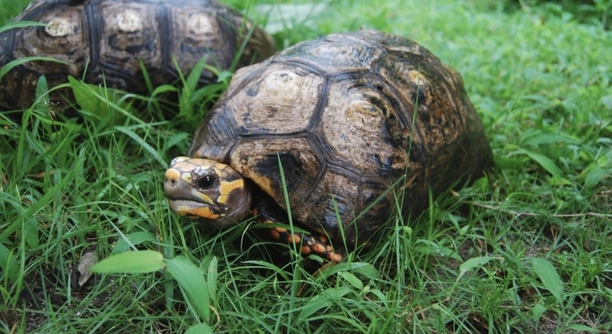
Sometimes, pet owners may notice that their red-footed tortoise frequently bumps into things, which can be puzzling. Understanding the cause behind this behavior can help you address any underlying issues and make life easier for both you and your tortoise.
The most common reason why your red-footed tortoise is running into objects is due to its poor vision or lack of spatial awareness. Tortoises rely on sight to navigate their environment, and any impairment or confusion can lead to unintentional collisions.
By exploring the various factors that affect your tortoise’s behavior, you can take steps to improve its living environment and ensure it is comfortable and safe. There are simple adjustments that can make a significant difference.
Poor Vision and Lack of Spatial Awareness
Red-footed tortoises depend heavily on their sight to explore and navigate their environment. If their vision is impaired, they may struggle to judge distances and avoid objects in their path. These tortoises have relatively poor eyesight compared to other animals, which means they are more likely to bump into things while moving. As they age, their vision may naturally decline, making them more prone to collisions. It’s essential to understand that tortoises are not as aware of their surroundings as we might expect.
Sometimes, the problem is simple: objects in their habitat may be too close or placed in confusing positions. A cluttered or overcrowded enclosure can easily lead to repeated accidents. By making sure your tortoise’s living space is well-organized, you can reduce these types of incidents.
Additionally, red-footed tortoises rely on their sense of smell and touch to guide them, but if the environment is unfamiliar or chaotic, even a tortoise with good vision might feel disoriented. The key to helping them is to ensure their space is clear and free of obstacles.
The Role of Lighting and Enclosure Setup
A poor lighting setup can also impact your tortoise’s ability to see clearly. If your enclosure is dimly lit or lacks the proper spectrum of light, your tortoise may have trouble navigating. Tortoises need both UVB and basking lights to stay healthy. These lights help them see better and regulate their natural behavior.
It’s also crucial to consider the height and positioning of objects within the enclosure. When you place items like rocks, plants, or decorations, make sure there is enough space for the tortoise to move around freely. An overcrowded or obstructed enclosure will only make it harder for your tortoise to get around without bumping into things. Moreover, giving them a well-organized space helps reduce stress and provides more opportunities to explore safely. Keep things simple and make sure pathways are clear.
Stress and Anxiety
Stress is a significant factor in why your red-footed tortoise may be running into things. When tortoises are anxious, they often display erratic or uncoordinated movements. This can lead to accidental collisions with objects in their enclosure. Tortoises are sensitive creatures, and even minor environmental changes can stress them out. Whether it’s a new object in their habitat, loud noises, or changes in routine, it can make them more nervous and disoriented.
If your tortoise is constantly bumping into objects, it’s important to evaluate their environment. Make sure they have a quiet, calm space free of sudden disruptions. Overcrowding in their enclosure or frequent handling can also cause anxiety. Try to maintain a consistent routine, providing them with a safe and predictable environment.
Changes in diet or temperature fluctuations can also add to the stress. Even slight discomforts, like too much humidity or an improperly placed heat lamp, can affect their behavior. Keeping their habitat stable and peaceful is essential for reducing their stress levels and improving their overall well-being.
Injury or Illness
Sometimes, the reason for a tortoise’s odd behavior might be related to injury or illness. If they are hurt or feeling unwell, they may move awkwardly, which can lead to more frequent collisions. A sudden change in movement patterns or an unwillingness to move could signal discomfort. Injuries such as shell cracks or leg issues can cause them to behave in unusual ways, making them more prone to bumping into objects.
If your tortoise is showing signs of discomfort, it’s important to monitor them closely. Look for physical signs of injury, such as swelling, limping, or uneven movement. If you notice anything unusual, it’s best to consult a vet. Regular check-ups can help catch potential problems early on and ensure your tortoise remains healthy. In cases of injury, giving them a quiet space to heal and reducing stress will aid in recovery.
Poor Habitat Design
The design of your tortoise’s enclosure can greatly affect their movement. A cramped or poorly organized space can lead to accidents. If the area is too small or has too many obstacles, your tortoise might constantly bump into things. This can cause stress and injury over time.
Consider reevaluating the size and layout of their habitat. Make sure there’s enough room for them to roam freely without constant interference from objects. A well-designed enclosure will allow your tortoise to move naturally and avoid obstacles, helping them feel more at ease.
The Importance of Diet and Nutrition
Your tortoise’s diet may also play a role in their behavior. If they’re not getting the proper nutrients, they may lack the energy and coordination needed for smooth movement. A poor diet can also weaken their muscles, leading to unsteady steps. Without the right balance of vitamins, minerals, and fiber, they may struggle to navigate their environment.
Make sure you’re offering a varied and balanced diet rich in vegetables, fruits, and high-quality pellets. Proper hydration is also essential to maintain their physical health. A healthy tortoise is much less likely to experience difficulties in movement and spatial awareness.
The Role of Age in Mobility
As tortoises age, they may experience natural changes that affect their ability to move around easily. Older tortoises often suffer from reduced flexibility and joint pain, which can cause them to move more slowly or awkwardly. These changes can lead to them bumping into objects they might have avoided when younger.
If your tortoise is aging, it’s important to ensure their habitat is more accommodating. Avoid placing sharp objects or barriers in their way. Also, consider providing extra warmth or soft bedding to help ease any discomfort they may be feeling.
FAQ
Why is my red-footed tortoise bumping into walls and objects?
Red-footed tortoises may bump into walls and objects due to poor vision, stress, anxiety, or environmental factors. Tortoises often struggle with depth perception and spatial awareness, which can cause them to collide with things around them. A cluttered enclosure or sudden changes in their environment can also make them more likely to run into objects. If your tortoise is stressed, they may move erratically, making them prone to accidents. Ensuring that their living space is well-organized, quiet, and stable can help reduce these collisions.
Can poor lighting affect my tortoise’s movement?
Yes, poor lighting can negatively impact your red-footed tortoise’s ability to see and move properly. Tortoises need both UVB and basking lights to maintain their health. Without proper lighting, they may struggle to navigate their environment and could collide with objects more often. Make sure your tortoise has access to proper lighting to help them see clearly and maintain good mobility. A well-lit enclosure will improve their vision and ability to move freely without bumping into things.
How can I tell if my tortoise is stressed?
A stressed tortoise may exhibit signs like erratic movement, loss of appetite, hiding more frequently, or excessive pacing. If your tortoise is running into things more than usual, stress could be a factor. Stress can stem from environmental changes, overcrowding, loud noises, or even poor habitat conditions. A stressed tortoise might also have trouble adjusting to a new environment or routine. Pay attention to any behavioral changes, as these may indicate your tortoise is feeling overwhelmed or anxious.
Is it possible that my tortoise is sick or injured?
Yes, if your red-footed tortoise is bumping into things more often, it could be a sign of illness or injury. Look for other signs of discomfort, such as swelling, limping, or lethargy. Illness or injury can affect their movement, causing them to stumble or move in an awkward manner. If you notice anything unusual, it’s important to consult a veterinarian. Early detection of health issues can help prevent further complications and ensure your tortoise remains comfortable and healthy.
How can I make my tortoise’s enclosure safer?
To reduce the chances of your tortoise running into things, make sure their enclosure is spacious and clutter-free. Avoid placing sharp objects, rocks, or other obstacles that could cause injury. You can also add softer bedding or padding around potential hazards to minimize damage in case of a collision. Keep the environment calm and quiet to reduce stress and allow your tortoise to move around freely without the fear of constantly bumping into things. The simpler and more organized the space, the better.
What is the best way to improve my tortoise’s vision?
Improving your tortoise’s vision may not be entirely possible, as it largely depends on their age and overall health. However, you can provide better lighting to help them see more clearly. Ensure they have access to UVB and basking lights. Regularly check for any signs of vision impairment, such as reluctance to move or difficulty finding food. If your tortoise’s vision seems impaired, a vet may be able to offer more advice or treatment options, though vision issues in tortoises are often natural and part of aging.
Is it normal for a tortoise to bump into things as they age?
Yes, as tortoises age, they may experience decreased mobility and vision. Older tortoises may have joint pain or stiffness, making it harder for them to move smoothly. This can lead to more frequent bumps or collisions with objects in their environment. If your tortoise is getting older, try to make their habitat more accessible. Avoid sharp or hard objects, and make sure they have soft bedding to reduce discomfort. Regular vet check-ups can also help monitor their health and address any issues early.
Can a poor diet affect my tortoise’s coordination?
Yes, a poor diet can affect your tortoise’s coordination. Without the proper nutrients, they may become weak and lethargic, which can impact their ability to move around smoothly. A balanced diet that includes leafy greens, vegetables, and fruits provides the essential vitamins and minerals needed for muscle strength and overall health. If your tortoise’s diet is lacking in key nutrients, it could result in slow, unsteady movements and even difficulty navigating their environment without bumping into things. Proper hydration is also crucial to maintain good mobility.
What should I do if my tortoise keeps running into things?
If your red-footed tortoise is constantly running into things, start by assessing their habitat and lighting. Ensure their enclosure is spacious and well-lit, and remove any obstacles that could cause injury. If they’re stressed or anxious, try to create a more calming environment by reducing noise and providing a stable routine. Also, consider their diet and health—make sure they are receiving the right nutrients and check for any signs of illness or injury. If the problem persists, consult a vet to rule out any medical issues.
How can I help my tortoise move more confidently?
To help your tortoise move more confidently, ensure their living space is clear of obstacles and is well-lit. Provide enough room for them to move around freely, and avoid overcrowding the enclosure. Regular handling and gentle interactions can also help your tortoise become more comfortable in their environment, which can improve their confidence. Make sure they are on a balanced diet and receive proper care to maintain healthy muscles and bones. If needed, provide additional warmth to ease any stiffness in their movements.
Final Thoughts
Understanding why your red-footed tortoise is bumping into things is key to ensuring they live a happy and healthy life. Poor vision, stress, injury, and even habitat design can all play a role in this behavior. Tortoises may not be able to see their surroundings as clearly as we might expect, so they rely heavily on their sense of smell and touch to navigate. If their environment is cluttered or poorly lit, they can easily run into objects. It’s important to assess their habitat and make any necessary changes to create a more spacious and calming space for them.
If your tortoise is showing signs of stress, such as erratic movement or hiding more than usual, it could be an indication that their environment isn’t ideal. Stress can be triggered by many factors, such as loud noises, overcrowding, or sudden changes in their daily routine. Keeping their habitat stable and providing them with a quiet space can help reduce anxiety. If your tortoise is older, be aware that aging can also affect their mobility and coordination. Providing a comfortable environment with soft bedding and clear pathways will make it easier for them to move around.
In some cases, running into objects could be a sign of a health issue or injury. If your tortoise seems to be moving awkwardly, or if you notice swelling or limping, it’s essential to seek veterinary care. Regular check-ups are a great way to ensure your tortoise stays healthy and free from injury. By paying attention to their diet, lighting, and overall care, you can create an environment where your tortoise can thrive. With proper attention, you’ll be able to improve their mobility and reduce the risk of them constantly running into things.

Hello,
If you enjoy the content that we create, please consider saying a "Thank You!" by leaving a tip.
Every little bit helps us continue crafting quality advice that supports the health, happiness, and well-being of pets around the world, for pets of all shapes, sizes, and species.
We really appreciate the kindness and support that you show us!