
Paragraph 1 (35 words):
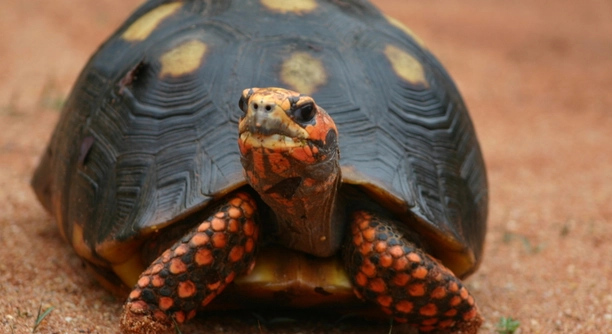
Red-footed tortoises are known for their curious and gentle nature. Ensuring they get enough exercise is key to their well-being. Like any pet, it’s essential to monitor their activity levels to keep them healthy and happy.
Paragraph 2 (40 words):
The easiest way to ensure your red-footed tortoise gets proper exercise is by providing them with a spacious, safe area to roam. Regular outdoor time in a controlled environment allows them to move freely, promoting physical and mental health.
Paragraph 3 (20 words):
Proper exercise can prevent health issues and keep your tortoise active. Learning how to gauge their exercise needs is essential.
Providing a Spacious Environment
When it comes to giving your red-footed tortoise enough exercise, space is key. These tortoises are naturally active and enjoy exploring their surroundings. Without the right amount of room to move, they can become lethargic or stressed, which can affect their overall health. Ideally, they need an outdoor space that’s secure, like a tortoise enclosure or a well-fenced garden. This allows them to roam freely and stay active. If you don’t have access to a large outdoor area, a spacious indoor enclosure with plenty of hiding spots and climbing opportunities is a great alternative.
Even with a smaller space, it’s important to allow your tortoise time outside whenever possible. Fresh air and exposure to sunlight are essential for their well-being. Be sure to check the area for potential hazards, such as sharp objects or toxic plants, to ensure their safety.
The more room your red-footed tortoise has to explore, the better. It encourages natural behaviors like foraging and climbing, which keeps them physically fit. Aim to provide an environment where they feel secure yet free to explore, which will lead to healthier and more active behavior.
Regular Outdoor Time
Taking your tortoise outside to explore is an important part of their exercise. Sunlight helps them absorb the vitamin D they need.
Providing outdoor time not only gives them exercise but also enriches their lives. A change of scenery can stimulate their senses, promoting physical and mental activity. You can set up a small area with natural objects like rocks, plants, and logs, creating a more engaging environment. Just make sure to supervise them while they explore, as red-footed tortoises can be vulnerable to predators or accidents in an open space.
In addition to exercise, spending time outdoors helps with temperature regulation. These tortoises need warmth to stay active and digest food properly, so exposure to sunlight is beneficial. It can also aid in the prevention of obesity, a common issue for tortoises kept indoors too often. However, it’s important not to leave them outside for too long, especially during hot weather, as they can overheat. Make sure to bring them back inside to a cooler, shaded area if needed.
Encourage Natural Behaviors
Allowing your red-footed tortoise to engage in natural behaviors, like foraging and exploring, provides great exercise. These activities keep them active and mentally stimulated.
Foraging mimics what they would do in the wild, helping them stay physically fit. You can scatter food around their enclosure or hide it under leaves to encourage them to search. This helps them move around more and engage with their environment, providing mental stimulation as well.
Tortoises also enjoy digging, so providing a substrate they can burrow into encourages this natural behavior. It also allows them to stretch their muscles and keep their bodies active. Try adding soil or sand to their enclosure to create a more natural environment that promotes exercise. Simple changes like these can improve your tortoise’s overall health.
Provide a Proper Diet
A healthy diet plays an important role in ensuring your tortoise has the energy for exercise. Nutrient-rich food keeps them strong and active.
Red-footed tortoises thrive on a varied diet, including dark leafy greens, fruits, and occasional protein sources like insects or eggs. A balanced diet gives them the fuel to engage in physical activities and helps prevent obesity. Providing them with the right food also supports their metabolism and digestive health, keeping them active and ready to explore.
However, be cautious of overfeeding. It’s easy to think that more food equals more energy, but overfeeding can lead to weight gain, which can limit their ability to move around freely. Offering the correct portion size, tailored to your tortoise’s size and age, will help them maintain a healthy weight and stay active.
Avoid Overcrowding the Enclosure
A cluttered enclosure can limit your tortoise’s movement, making it harder for them to exercise. Leave enough open space for them to walk, explore, and stretch.
It’s important to add objects for climbing or hiding, but don’t overdo it. Too many items can restrict their space and create stress, hindering exercise.
Create a Safe Environment
Creating a safe environment for your red-footed tortoise ensures they can move freely without the risk of injury. Ensure that the enclosure is secure, with no gaps they could escape from. Keep it free from sharp objects or anything that could harm them.
Adding natural elements, such as logs or rocks, can enrich their environment and encourage climbing. However, make sure everything is stable to avoid accidents. If you provide them with a variety of textures and surfaces, it will give them more opportunities for movement. By keeping the space safe, your tortoise will feel comfortable enough to explore and be more active.
FAQ
How much exercise does a red-footed tortoise need daily?
Red-footed tortoises require at least 30 minutes to an hour of physical activity each day. This can include time spent roaming in a safe outdoor space or an indoor enclosure large enough for them to explore. The key is to provide enough room for them to move freely and engage in natural behaviors like foraging and climbing. Regular exercise prevents obesity and supports overall health.
Can I let my red-footed tortoise roam free in my house?
It’s not advisable to let your red-footed tortoise roam unsupervised in your house. Although they can explore, doing so can lead to accidents, like falling from high surfaces or coming into contact with household chemicals. If you want them to roam indoors, create a secure, tortoise-proofed area. Ensure the space is free from hazards and has enough room for exercise.
What should I do if my tortoise isn’t moving much?
If your tortoise is not moving much, first check the environment. Ensure the temperature is right, as red-footed tortoises need warmth to stay active. If they are housed in a too-cold or too-hot environment, they may become sluggish. Also, check their diet and make sure they are receiving enough nutrition. If their behavior doesn’t improve with environmental adjustments, it could be a sign of illness, and a vet visit is recommended.
Can I exercise my tortoise in water?
Red-footed tortoises generally do not enjoy swimming or being in water for extended periods. While they do need access to water for drinking and occasional soaking, exercise should be focused on walking and exploring dry areas. Some tortoises may tolerate shallow water, but too much exposure can cause stress. Always provide a shallow water dish where they can drink and soak, but ensure they have ample space for dry land activities.
What are signs of a healthy red-footed tortoise?
A healthy red-footed tortoise will have bright, clear eyes and active movement. They should have a strong appetite and exhibit normal behavior, like foraging, digging, or exploring their space. Their shell should be hard and free of cracks or abnormalities. If your tortoise is moving around actively and eating well, it is generally a sign that it’s in good health.
How do I prevent obesity in my red-footed tortoise?
To prevent obesity in your red-footed tortoise, ensure they are getting a balanced diet with the right portion sizes. Avoid overfeeding fruits and high-fat foods. A mix of leafy greens, vegetables, and occasional fruit should form the core of their diet. Also, provide regular exercise opportunities in a spacious environment to keep them active. Obesity can lead to mobility issues and other health concerns, so it’s important to monitor their weight regularly.
Can I exercise my tortoise outside in the winter?
Exercising your tortoise outside in the winter is not recommended, as red-footed tortoises are cold-blooded and require warmth to stay active. Exposure to low temperatures can cause them to become lethargic or even sick. During colder months, it’s best to provide an indoor environment with a heat source that mimics their natural habitat. If you live in a warm climate, outdoor exercise can be part of their regular routine year-round.
How can I encourage my tortoise to move more?
Encouraging your tortoise to move more can be done by changing up their environment. Add new elements like rocks, logs, or tunnels for them to climb or explore. Hiding food around their enclosure can encourage foraging and make them more active. You can also try offering different textures or surfaces for them to walk on, like sand or grass. Regularly changing the layout of their space can keep them mentally stimulated and encourage more movement.
Is it okay to leave my red-footed tortoise outside unattended?
It’s not recommended to leave your red-footed tortoise outside unattended for long periods. While they enjoy being outdoors, it’s important to supervise them to ensure they’re safe from predators, other animals, or dangerous weather conditions. If you want to give them outdoor time, ensure the area is secure and free from potential hazards. It’s also important to bring them inside if the temperature becomes too extreme or if you’re concerned about their safety.
How can I make sure my tortoise gets enough exercise in an indoor enclosure?
For an indoor enclosure, create a spacious environment with plenty of room for walking, foraging, and climbing. Use objects like logs, ramps, or shallow hides that encourage them to explore and move. You can also scatter food around the enclosure to stimulate foraging behavior. Ensure the space is large enough to allow your tortoise to stretch its legs and engage in natural activities. If the space is too small, exercise opportunities will be limited.
Should I provide my tortoise with toys for exercise?
While toys can be fun and provide mental stimulation, they are not a replacement for real exercise. Tortoises naturally enjoy exploring their environment, climbing, and foraging. Instead of traditional toys, create a more enriching space with natural elements like logs, plants, or rocks. These will encourage your tortoise to move and interact with their surroundings more naturally.
Final Thoughts
Ensuring your red-footed tortoise gets enough exercise is essential for their health and happiness. Just like any pet, regular physical activity helps them stay strong and active. A spacious environment where they can roam, climb, and forage is key. Red-footed tortoises are naturally curious creatures, and providing them with a safe space to explore and engage in natural behaviors promotes their well-being. Giving them access to outdoor areas or designing an indoor enclosure with plenty of room and enriching elements will encourage them to move around and stay physically fit.
Diet also plays a big role in their overall health. Proper nutrition supports their energy levels, making them more likely to engage in physical activity. Make sure you provide a well-balanced diet, with enough leafy greens and occasional fruits, and avoid overfeeding. This helps prevent obesity and ensures your tortoise remains active and energetic. Along with food, be mindful of their environment, making sure the temperature is appropriate for their needs. Too cold or too hot an environment can cause your tortoise to become sluggish, reducing their chances of getting enough exercise.
Ultimately, keeping a red-footed tortoise healthy means paying attention to their diet, environment, and daily activity levels. By offering them a safe, stimulating space to explore and encouraging natural behaviors, you will help them stay fit and engaged. Regular outdoor time, along with the right amount of exercise indoors, ensures that your tortoise remains active and happy for years to come. Keeping their environment safe and enriching will allow them to express themselves naturally, which in turn benefits both their physical and mental health.

Hello,
If you enjoy the content that we create, please consider saying a "Thank You!" by leaving a tip.
Every little bit helps us continue crafting quality advice that supports the health, happiness, and well-being of pets around the world, for pets of all shapes, sizes, and species.
We really appreciate the kindness and support that you show us!