
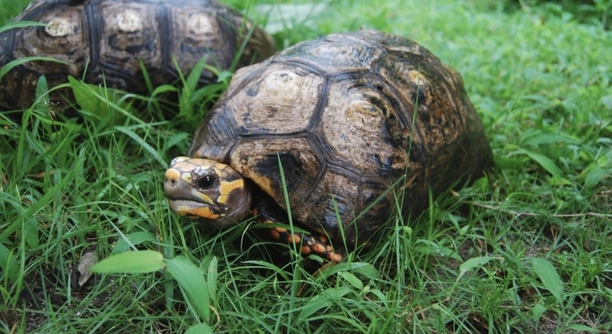
Caring for a red-footed tortoise requires more than just feeding and watering; their living space plays a crucial role in their well-being. A suitable enclosure ensures they stay healthy, active, and comfortable. Here are some simple, creative ideas.
The best DIY enclosures for red-footed tortoises should provide proper space, temperature, and shelter. Creating a safe and stimulating environment using natural materials like wood, plants, and rocks can mimic their natural habitat and promote overall health.
These DIY ideas will guide you in creating the perfect space for your red-footed tortoise. Each option ensures your tortoise will enjoy a thriving, cozy environment that promotes their health and happiness.
1. Building a Simple Wooden Box Enclosure
A wooden box enclosure is one of the easiest ways to create a safe space for your red-footed tortoise. This type of enclosure can be built quickly with basic tools and materials like plywood, nails, and screws. The walls should be tall enough to prevent escape but also low enough to allow easy access for cleaning. A hinged lid can provide easy access for feeding and maintenance. You can create a natural environment by adding some plants and logs inside. It’s important to ensure the wooden box has ventilation holes, so your tortoise gets fresh air while staying cool in the summer and warm in the winter.
Adding a simple wooden box can make caring for your red-footed tortoise easier. Be sure the box is well-ventilated and properly insulated to maintain a stable environment for your pet.
This setup can be placed indoors or outdoors, depending on the climate where you live. If it’s outdoors, make sure it’s covered to protect your tortoise from rain and predators. Using non-toxic wood will ensure safety if the tortoise decides to chew on the walls. If you add natural elements like grass and soil, it’ll encourage more natural behavior and help keep the tortoise active. Consider adding a shallow water dish and some rocks to further enhance the environment. A wooden box is an affordable and effective way to give your tortoise a comfortable living space.
2. Repurposing a Glass Tank
Using a glass tank as an enclosure for your red-footed tortoise is another simple and effective option. Many people already have spare tanks from other pets, making this an easy and budget-friendly choice. A 40-gallon tank should provide enough space for a juvenile tortoise, while larger adults may need something bigger. Glass tanks are ideal for observing your tortoise, as they provide clear visibility. However, they do require careful attention to humidity levels and ventilation.
For a glass tank setup, you’ll need to ensure there’s enough space for both a basking spot and a cooler area for your tortoise to retreat to. Adding a heat lamp and UVB light will help meet the tortoise’s specific temperature and lighting needs. For substrate, you can use a mix of soil and coconut coir, creating a natural environment that allows the tortoise to burrow and explore. Regular maintenance, such as cleaning the tank and changing the water, is key to keeping your tortoise healthy.
3. Creating a Natural Outdoor Enclosure
An outdoor enclosure can provide your red-footed tortoise with the space it needs to roam and explore. The enclosure should be secure to prevent escape and protect your pet from predators. Fencing made from wire mesh or sturdy plastic is a good option. Ensure that the walls are tall enough (at least 2 feet) and buried deep enough (6 inches) to prevent digging out. Be sure to place the enclosure in a spot where it gets enough sunlight but also has shaded areas for your tortoise to retreat to when it’s too hot.
A natural outdoor setup offers your tortoise space to bask, explore, and forage. You can plant safe plants for them to munch on and create hiding spots with logs or rocks. The ground should be soft and slightly sandy to allow natural digging behavior. Make sure the area is free of chemicals, like pesticides, which could harm your tortoise. Regularly check the enclosure for hazards and clean up any waste or food scraps to keep it sanitary.
A shallow water source is essential to keep your tortoise hydrated. It’s also helpful to include a sheltered area in the enclosure, such as a small wooden hut or a covered section, to protect your tortoise from heavy rain or strong winds. The outdoor enclosure should be easy to maintain, which is why keeping the area clean is so important. You may need to adjust the setup for the changing seasons. Adding a heat lamp or covering part of the enclosure can help keep the tortoise comfortable in cooler weather.
4. Using a Plastic Storage Bin Enclosure
A plastic storage bin can make a great, affordable DIY enclosure. The larger the bin, the more room your tortoise will have to move around. Look for bins that are at least 40 gallons in size. You can cut out sections of the bin to create ventilation and add a secure lid to prevent escape. This setup works well for smaller tortoises or those that don’t need a lot of space. It also allows you to keep your tortoise’s environment in a controlled setting, perfect for indoor use.
To make the plastic bin comfortable, add a few layers of substrate such as coconut coir, soil, or grass. Create hiding spots by adding rocks or small logs. For a basking area, include a heat lamp, and make sure the tortoise can easily access a cooler area. Depending on the size of the bin, you may need to move the tortoise out to exercise or set up a larger space for it to roam around.
Make sure you monitor the temperature and humidity regularly. The plastic bin can trap heat, so ensure proper airflow by leaving gaps or using mesh. If you want to make the environment more natural, you can add fake plants and a shallow water dish. This type of enclosure is easy to clean and portable, making it a great option for owners who want a simple yet functional setup.
5. Indoor Tortoise Table Enclosure
An indoor tortoise table is a simple and effective way to provide space for your red-footed tortoise. This setup can be built using a wooden frame with a flat surface. You can add ramps or platforms for climbing and creating different areas for your tortoise to explore. Ensure the surface is non-toxic and easy to clean.
A tortoise table is a great option for indoor spaces where a large outdoor enclosure may not be feasible. With proper lighting, heating, and substrate, it can provide your tortoise with a comfortable, safe home indoors.
For the best environment, keep the temperature regulated and place a UVB light source to meet your tortoise’s needs. Adding a shallow water dish and hiding spots can help make the table feel more natural. With regular cleaning and maintenance, this setup will serve your tortoise well.
6. DIY Mesh and PVC Pipe Enclosure
A mesh and PVC pipe enclosure offers great flexibility for creating a tortoise habitat. PVC pipes are lightweight and sturdy, while mesh allows for proper ventilation. This type of enclosure can be built in any shape or size and is easily customizable. You can make it large enough to give your tortoise plenty of space to move around while ensuring that it remains secure.
By using PVC pipes, you can design a large enclosure that’s both easy to assemble and disassemble. The mesh keeps the enclosure breathable, which is crucial for proper temperature regulation. Make sure to add a substrate for digging and a water source for hydration.
This type of setup can be used both indoors and outdoors, as long as it’s placed in a safe area. You can create different sections within the enclosure, such as a basking spot, hiding places, and shaded areas. Adding a heat lamp and UVB light will complete the habitat. It’s also easy to clean, as you can remove the mesh and replace the substrate when necessary.
7. Combining Multiple Enclosure Types
Combining different enclosure types can offer the best of both worlds for your red-footed tortoise. For example, you could use an indoor tank or table with an outdoor area for roaming. This combination provides your tortoise with space, variety, and a more natural environment.
Mixing setups allows you to give your tortoise a bigger, richer habitat without compromising on safety. You can create zones with different temperatures and lighting to mimic natural conditions. The key is ensuring that both spaces are secure, clean, and comfortable for your tortoise.
FAQ
What size enclosure does a red-footed tortoise need?
The size of the enclosure depends on the age and size of your tortoise. For juveniles, a 40-gallon tank or a 4×2 foot enclosure will be sufficient. As they grow, adult red-footed tortoises need more space, ideally a 6×3 foot area or larger. If you opt for an outdoor setup, ensure it’s at least 8×8 feet to allow plenty of room for roaming. It’s important to give them enough space for exercise and exploration to keep them healthy.
Can I keep a red-footed tortoise in a glass tank?
Yes, a glass tank can be an option for smaller red-footed tortoises, especially if you have limited space. However, you’ll need to ensure proper ventilation and temperature regulation. Glass tanks are also not ideal for larger tortoises as they don’t provide enough space. You can always upgrade to a larger enclosure as the tortoise grows.
Do red-footed tortoises need a heated enclosure?
Yes, red-footed tortoises require a heated environment to stay active and healthy. They are cold-blooded reptiles and need a heat source to regulate their body temperature. A heat lamp or ceramic heater is essential, especially in cooler climates or during the winter months. The basking spot should be around 85-90°F, and the cooler areas should range from 70-75°F. You’ll also need to provide a UVB light for essential calcium absorption.
How can I keep my red-footed tortoise’s enclosure clean?
Maintaining a clean enclosure is crucial for your tortoise’s health. Spot clean daily by removing waste, uneaten food, and any debris. Change the water regularly and scrub the water dish to prevent bacterial growth. You should deep clean the enclosure at least once a month by removing the substrate, washing the surfaces, and replacing the bedding. For outdoor enclosures, keep the area tidy by picking up waste and leaves to avoid attracting pests.
What kind of substrate should I use for a red-footed tortoise?
Red-footed tortoises thrive on a mix of substrates that mimic their natural habitat. You can use coconut coir, cypress mulch, and organic soil to create a soft, natural environment. Avoid using sand or clay-based products, as they can cause respiratory issues or digestive problems. It’s important to provide a substrate that is absorbent and allows your tortoise to burrow. Make sure the bedding is deep enough to allow digging but also easy to clean.
Can I let my red-footed tortoise roam freely in my house?
While some owners let their tortoises roam indoors, it’s not always the best option for their safety and comfort. A designated enclosure provides a secure environment where you can control the temperature and humidity. If you let your tortoise roam, make sure the area is safe from potential hazards like electrical cords, toxic plants, and other pets. It’s also a good idea to supervise them to avoid accidents or injury.
Do I need to provide water for my red-footed tortoise?
Yes, red-footed tortoises need access to clean water at all times. They drink from a shallow dish, and the water should be changed regularly. It’s essential for their hydration and helps with digestion. Some tortoises may also soak in the water dish to help with shedding, so make sure it’s large enough for them to climb in. Additionally, provide a humid environment to help them maintain healthy skin and respiratory function.
What temperature does a red-footed tortoise need in its enclosure?
The temperature in your tortoise’s enclosure should be carefully regulated to mimic their natural tropical environment. The basking area should be around 85-90°F, while the cooler side should range from 70-75°F. A temperature gradient allows your tortoise to regulate its body temperature by moving to warmer or cooler areas. Use a thermometer to monitor the temperature regularly. If you’re keeping your tortoise outdoors, make sure they have a shaded area to retreat to during the hotter parts of the day.
Can I house multiple red-footed tortoises together?
Red-footed tortoises can sometimes live together if there is enough space in the enclosure. However, keep an eye on their behavior, as tortoises can be territorial. Males, in particular, might become aggressive towards each other. If you do house multiple tortoises, make sure there is ample space, hiding places, and resources like food and water dishes. It’s essential to observe their interactions and separate them if any aggressive behavior occurs.
What are some safe plants to include in a red-footed tortoise’s enclosure?
Red-footed tortoises enjoy browsing on various plants. Some safe options include dandelion greens, clover, hibiscus flowers, and grasses like rye or timothy hay. You can also add edible flowers like pansies or nasturtiums. Avoid any plants that are toxic to tortoises, such as azaleas, daffodils, or lilies. Always research plants before adding them to the enclosure to ensure they are safe for your tortoise to consume.
Final Thoughts
Creating the right enclosure for your red-footed tortoise is essential for their health and well-being. Whether you choose a simple wooden box, a glass tank, or a larger outdoor setup, the key is to ensure the environment is safe, comfortable, and suitable for their natural behaviors. Each tortoise has specific needs when it comes to space, temperature, humidity, and diet. By providing a proper home, you’ll help your pet thrive and live a happy, healthy life. Always consider their size and age before deciding on the best type of enclosure for them.
When setting up an enclosure, it’s important to keep in mind that red-footed tortoises need both space and privacy. They are naturally curious creatures that enjoy exploring, but they also need places to hide and feel secure. The use of natural elements like logs, plants, and rocks can make the environment feel more comfortable and mimic their native habitat. If you’re opting for an outdoor setup, consider the local climate and potential hazards such as predators or extreme weather. The more effort you put into creating a balanced and enriching space, the more rewarding it will be for both you and your tortoise.
Finally, remember that maintaining the enclosure is just as important as building it. Regular cleaning and monitoring of temperature, humidity, and overall environment will ensure your tortoise stays healthy. You should also provide fresh food and water daily, along with proper lighting to encourage natural behaviors. A well-kept enclosure not only supports your tortoise’s physical health but also allows them to enjoy a fulfilling life with plenty of opportunities for exploration and activity. By following these simple guidelines, you can create a perfect home for your red-footed tortoise.

Hello,
If you enjoy the content that we create, please consider saying a "Thank You!" by leaving a tip.
Every little bit helps us continue crafting quality advice that supports the health, happiness, and well-being of pets around the world, for pets of all shapes, sizes, and species.
We really appreciate the kindness and support that you show us!