
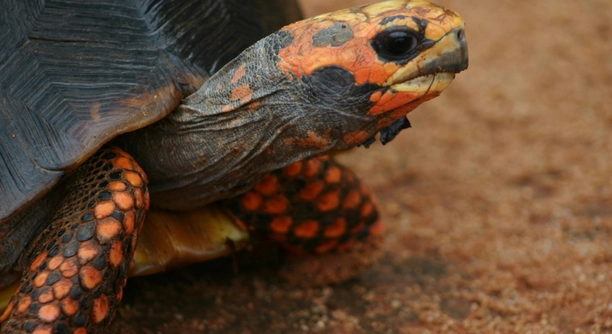
If your red-footed tortoise has been making strange noises, it could be a sign of something important. These sounds can be a way of communicating something to you or simply part of their normal behavior.
Red-footed tortoises may make unusual sounds due to stress, discomfort, or excitement. It could also be related to their breathing, temperature, or even their diet. Understanding the cause of these noises can help you address any underlying issues.
There are various factors to consider when evaluating these sounds. Identifying the root cause ensures your tortoise’s well-being and helps maintain a happy, healthy environment for them. Continue reading to learn more.
Common Causes of Strange Noises in Red-Footed Tortoises
There are several reasons why your red-footed tortoise may make strange noises. Often, it’s linked to their physical or emotional state. These creatures use sounds as a way to communicate, whether it’s expressing stress, discomfort, or excitement. Their respiratory system may also produce sounds if they are having trouble breathing due to poor environmental conditions, such as low humidity or cold temperatures. These sounds may also be linked to feeding times or mating behavior, where certain noises signal specific needs or intentions.
Understanding what is behind the noises can help you improve your tortoise’s environment and care routine. If they seem to make noises consistently, especially during specific situations, it may be a sign that something is off with their habitat or health. For example, inadequate temperature or humidity levels can cause them to breathe harder, producing a wheezing or clicking sound. Likewise, if they are in discomfort, they may vocalize to express this.
To address the cause of these sounds, it’s essential to regularly monitor their environment. Keeping the enclosure at the right temperature, offering proper hydration, and making sure they have enough space to move around can all reduce stress. Additionally, a balanced diet will prevent digestive discomfort that might result in strange noises. A quick check of their health can also be beneficial.
Breathing Issues and Respiratory Infections
Your red-footed tortoise’s breathing can sometimes lead to unusual sounds. Respiratory infections are common in reptiles, especially if they are kept in conditions that are too damp or too dry. Infections often present themselves with wheezing, clicking, or a rattling sound as the tortoise breathes. These noises should not be ignored, as respiratory issues can worsen quickly in reptiles.
These conditions may be caused by excessive humidity or drafts in the tortoise’s enclosure. Temperature fluctuations are another factor, as they can stress the tortoise’s immune system and make them more vulnerable to infections. A clean, well-maintained environment is crucial in preventing respiratory infections.
If you hear your tortoise making breathing noises, it is best to consult a vet who specializes in reptiles. They can examine the tortoise and recommend a treatment plan, such as antibiotics or a change in environment. Keeping the tortoise in optimal conditions will help reduce the risk of infection and ensure it remains healthy.
Stress and Anxiety
Stress can make a red-footed tortoise vocalize more often. When they feel threatened or uncomfortable, they may produce noises to express distress. This could be due to sudden changes in their environment, handling, or other animals nearby. It’s important to recognize the signs of stress early to avoid long-term effects.
Environmental factors like a crowded enclosure or loud noises can also trigger anxiety. A sudden change in routine or habitat might leave the tortoise feeling unsettled. Stress can lead to more vocalizations, but it can also affect their eating habits and overall health. Adjusting their space, making it quieter, and providing a consistent routine can help reduce stress.
Ensure their environment is calm and provides enough space to feel safe. Avoid overcrowding, sudden temperature fluctuations, or introducing unfamiliar animals. A tortoise who feels secure in its surroundings will likely make fewer distress noises. Monitor their behavior for signs of stress and adjust accordingly.
Improper Diet and Digestive Issues
An improper diet may contribute to strange noises. Red-footed tortoises need a balanced diet rich in fruits, vegetables, and a small amount of protein. If they are not receiving the proper nutrition, it can cause digestive issues, which may result in unusual vocalizations. This could include gurgling, squeaking, or other sounds while they eat.
Overfeeding or providing the wrong types of food can also upset their digestive system. For example, foods too high in protein or low in fiber can cause discomfort. In some cases, constipation or bloating can lead to sounds that resemble gas or discomfort. Pay attention to what your tortoise eats and how they react after meals.
To avoid these issues, ensure your tortoise is getting the right amount and variety of food. Fresh leafy greens, fruits, and vegetables should make up the bulk of their diet. Avoid processed foods or high-protein items unless recommended by a vet. Keeping a consistent feeding schedule also helps prevent digestive problems.
Mating Behavior
During mating season, red-footed tortoises can make vocalizations. Males may grunt, whistle, or make other noises as part of their courtship. These sounds are a natural part of their behavior and usually occur during interactions with females or when trying to attract attention.
These mating sounds are not a cause for concern unless they are prolonged or accompanied by signs of aggression. Understanding the sounds as part of normal courtship behavior can help you manage their environment and keep them safe from stress. If they are housed together, ensure there is enough space to avoid conflict.
Ensure that your tortoise’s environment is suitable for their mating needs. A quiet, secure space can help reduce unwanted stress during these times. Keeping their enclosure large enough can help avoid aggressive behaviors between males.
Temperature and Humidity Levels
Inconsistent temperature and humidity can cause your tortoise to make noises. If the enclosure is too cold or too hot, it can cause discomfort, resulting in vocalizations. Red-footed tortoises are sensitive to environmental conditions, and a sudden change can trigger stress.
Make sure the enclosure provides a temperature gradient with a warm basking spot and a cooler area for them to retreat. Humidity is also important, as it should mimic their natural habitat. Low humidity can lead to respiratory problems and other health issues. Maintaining stable conditions will help prevent unnecessary stress and noise.
Health Problems
Red-footed tortoises may also make noises due to health issues. If they are experiencing pain or discomfort, they might vocalize. This could happen due to a variety of factors, including injury, infections, or digestive problems. Pay close attention to their behavior for any changes that could indicate a health concern.
Always monitor your tortoise for any signs of lethargy, loss of appetite, or abnormal movements. If you notice any of these symptoms, it is important to seek veterinary care promptly. Early detection can help prevent more severe health problems and discomfort.
FAQ
What are the common noises red-footed tortoises make?
Red-footed tortoises can make various noises, including grunts, hisses, wheezes, and clicks. These sounds can be linked to different behaviors such as stress, breathing issues, or mating. They may also make sounds when they feel threatened or during feeding time. Each noise has its own meaning, and understanding these noises is key to maintaining their well-being.
How can I tell if the noise is due to stress?
If your red-footed tortoise is making noise due to stress, you may also notice signs like hiding, pacing, or reduced eating. Stress often results from changes in their environment, handling, or the presence of other animals. Their vocalizations can be a sign that something is bothering them, so it’s important to identify and fix the source of the stress.
Can improper diet cause strange noises?
Yes, an improper diet can lead to digestive issues, which may cause unusual noises. Overfeeding or feeding inappropriate foods can upset their stomachs, leading to gurgling, squeaking, or other uncomfortable sounds. A proper diet should be balanced with plenty of leafy greens, vegetables, and some fruit, while limiting protein intake.
Are strange noises a sign of illness?
Strange noises can be a sign of illness, especially if accompanied by other symptoms like lethargy, loss of appetite, or labored breathing. Respiratory infections are a common concern and can cause wheezing or clicking sounds. If your tortoise’s behavior changes or if the noises persist, it’s best to consult a vet.
How can I ensure my tortoise is comfortable and stops making noises?
To keep your red-footed tortoise comfortable, make sure their enclosure has the right temperature, humidity, and space. A stable environment will help prevent stress, which can lead to vocalizations. Regularly check for signs of illness or discomfort, and make adjustments to their diet and living conditions accordingly.
Can temperature changes affect the noises they make?
Yes, temperature changes can cause red-footed tortoises to make noises. If their enclosure is too hot or too cold, it can cause them to breathe more heavily, leading to wheezing or clicking sounds. Ensure that your tortoise’s enclosure has a proper temperature gradient with a warm basking area and a cooler spot for them to retreat to.
What should I do if my tortoise makes wheezing or clicking sounds?
If your tortoise makes wheezing or clicking sounds, it could indicate a respiratory issue. First, check their environment to ensure the temperature and humidity are correct. If the noise persists, consult a reptile vet to rule out infections or other health problems. A vet will be able to provide appropriate treatment if necessary.
How can I reduce the chance of my tortoise becoming stressed?
To reduce stress, provide a stable and quiet environment for your tortoise. Avoid sudden changes in their habitat or handling, and make sure they have enough space to move around. Keep the enclosure clean and ensure they have access to proper lighting, temperature, and humidity. A consistent routine can also help them feel secure.
Is it normal for red-footed tortoises to make sounds during mating season?
Yes, it’s normal for red-footed tortoises to make noises during mating season. Males may grunt, whistle, or make other vocalizations as part of their courtship behavior. These sounds are usually short-lived and not a cause for concern unless accompanied by signs of aggression or distress.
How do I know if my tortoise’s noise is related to a respiratory infection?
If your red-footed tortoise is making wheezing, clicking, or labored breathing sounds, a respiratory infection may be the cause. Other signs include nasal discharge, lethargy, and loss of appetite. If you notice these symptoms, it’s important to take your tortoise to a reptile vet as soon as possible for diagnosis and treatment.
What should I do if my tortoise stops eating and makes strange noises?
If your tortoise stops eating and starts making strange noises, this could be a sign of illness or discomfort. Check the temperature, humidity, and cleanliness of their enclosure. If the issue persists or worsens, take your tortoise to a vet for a full check-up to rule out infections or other health concerns.
Final Thoughts
Understanding the sounds your red-footed tortoise makes is important for their well-being. While some noises are completely normal, such as those made during mating or occasional grunting when moving, others may indicate underlying health problems or stress. It’s essential to keep an eye on their behavior and the context in which they make these sounds. This way, you can better determine whether the noises are a part of their natural communication or a sign that something is wrong.
Proper care of your red-footed tortoise includes maintaining an environment with the right temperature, humidity, and space. Stress, discomfort, or illness can all cause your tortoise to make noises. By providing them with a stable and comfortable home, you minimize the chances of stress-induced vocalizations. Be mindful of their diet, too, as improper feeding can lead to digestive issues and contribute to unusual sounds. Regular check-ups with a vet are also a good practice to catch any health issues early.
If you notice any sudden or prolonged changes in the sounds your tortoise makes, it’s always a good idea to consult a veterinarian. Respiratory infections, in particular, can be a concern and may lead to wheezing, clicking, or labored breathing. In such cases, prompt attention from a professional can prevent further complications. With the right care, your red-footed tortoise can live a healthy, happy life, making minimal noise and enjoying its environment in peace.

Hello,
If you enjoy the content that we create, please consider saying a "Thank You!" by leaving a tip.
Every little bit helps us continue crafting quality advice that supports the health, happiness, and well-being of pets around the world, for pets of all shapes, sizes, and species.
We really appreciate the kindness and support that you show us!