
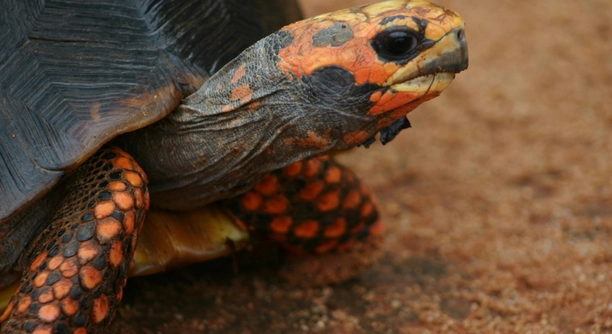
Red-footed tortoises are omnivores with a varied diet, but certain foods are not suitable for them. Rice is one of those foods, as it doesn’t provide the necessary nutrients for their health.
Rice is not recommended for red-footed tortoises due to its lack of essential nutrients and high carbohydrate content. Feeding rice regularly can lead to digestive issues and nutritional imbalances, negatively affecting their overall well-being.
Understanding the reasons behind this dietary limitation can help ensure your tortoise stays healthy and thrives in its environment.
Why Rice Is Harmful to Red-Footed Tortoises
Red-footed tortoises are known to thrive on a diet that closely resembles their natural feeding habits. They typically enjoy a mix of fruits, vegetables, and protein sources. Rice, however, is not a suitable food for them. While it might seem harmless, rice can cause digestive issues and disrupt the balance of nutrients in a tortoise’s system. A diet with too much rice lacks the necessary vitamins and minerals red-footed tortoises need to stay healthy.
Rice is high in carbohydrates and can contribute to obesity if fed too frequently. Since rice is not nutritionally complete, it doesn’t support their immune system or bone health, which are essential for their overall well-being. It’s important to offer them a variety of fresh, whole foods to maintain their health.
Long-term consumption of rice may result in nutrient deficiencies, leaving your tortoise at risk for various health issues. These can include weakened bones, poor digestion, and a reduced ability to fight off illness.
What to Feed Your Red-Footed Tortoise
Providing the right diet for your tortoise can prevent health problems. Stick to foods that resemble their natural diet, such as leafy greens, fruits, and protein sources like insects or worms.
A well-balanced diet will ensure your red-footed tortoise gets the vitamins, minerals, and fiber it needs. Mixing up their meals can help maintain variety and prevent the risk of deficiencies.
Effects of Rice on Digestion
Rice can lead to digestive problems for red-footed tortoises. Their digestive systems aren’t designed to handle large amounts of starch, which rice contains in abundance. Feeding them rice regularly can cause bloating, constipation, or even diarrhea.
When a tortoise consumes rice, it often struggles to break it down properly. This is because their intestines are built for fiber-rich foods, not starchy grains. Over time, this can disrupt the balance of their gut bacteria, leading to further digestive issues. A diet too high in rice can make it hard for the tortoise to absorb essential nutrients, affecting its overall health.
Digestive issues may not appear immediately but can build up over time. This can result in discomfort and more severe health issues, such as weight loss, lack of appetite, or sluggish behavior. Avoid feeding your tortoise rice to prevent long-term complications.
Proper Nutrition for Your Tortoise
A balanced diet is essential for a red-footed tortoise to thrive. Leafy greens like collard greens, dandelion greens, and mustard greens should be a staple. These provide necessary fiber, vitamins, and minerals.
You can also offer fruits, such as papaya, mango, and banana, in moderation. These fruits are rich in vitamins and antioxidants that help boost your tortoise’s immune system. However, always be careful with the amount of fruit you give, as too much sugar can lead to obesity and other health concerns. Protein, in the form of insects or eggs, should be offered occasionally, as it supports their growth and muscle development.
Risks of Feeding Rice Regularly
Feeding rice regularly can cause an imbalance in your tortoise’s diet. Over time, this can lead to nutritional deficiencies that weaken their immune system and slow their growth. Rice lacks key nutrients that tortoises need to stay healthy.
Tortoises require a varied diet to thrive, and rice is not a part of that mix. Offering it too often may replace more essential foods, leaving your tortoise with a poor diet. Stick to more nutrient-dense foods for a healthier, happier pet.
Alternatives to Rice
Instead of rice, consider offering vegetables like squash, bell peppers, or zucchini. These are rich in vitamins and fiber, making them great additions to your tortoise’s diet.
You can also add safe flowers like hibiscus or dandelions. These provide a natural and nutrient-packed source of food that tortoises enjoy.
Importance of Hydration
Providing fresh water is just as important as their food. Keep a shallow dish of water available at all times to ensure they stay hydrated.
Dehydration can lead to serious health problems, such as kidney issues and poor digestion. Make sure your tortoise has access to clean water throughout the day.
FAQ
Can red-footed tortoises eat other grains?
While grains like rice aren’t suitable for red-footed tortoises, some grains can be fed in small amounts. However, grains should never be a main part of their diet. Their digestive systems are better suited to fiber-rich foods like leafy greens, fruits, and some protein sources. If you want to introduce something different, always check if it’s safe and provides nutritional value.
How often should I feed my red-footed tortoise?
Red-footed tortoises should be fed daily, but the amount will depend on their age and activity level. For adults, feeding every other day may be appropriate. Make sure to provide a variety of foods, but avoid overfeeding, especially with fruits, which can be high in sugar.
What is the best type of protein for red-footed tortoises?
Red-footed tortoises enjoy insects such as mealworms, crickets, and earthworms. Occasionally, you can offer them eggs. These sources of protein support their growth and muscle development. However, protein should only make up a small portion of their diet—about 10-15%. Too much can lead to health problems.
Can I feed my tortoise vegetables from the supermarket?
It’s fine to buy vegetables from the supermarket, but make sure they’re organic and free of pesticides. Non-organic vegetables can contain harmful chemicals that are not safe for your tortoise. Common safe options include leafy greens, bell peppers, and squash. Always wash the vegetables thoroughly before feeding them to your tortoise.
Can red-footed tortoises eat fruits?
Yes, fruits are a great addition to your tortoise’s diet but should be offered in moderation. Fruits like papaya, mango, and banana are high in vitamins and antioxidants. However, these should only make up about 10-20% of their overall diet, as too much sugar can cause obesity and other health issues.
What should I avoid feeding my red-footed tortoise?
Avoid feeding your tortoise processed foods, dairy, meats, or anything high in fat or sugar. Other foods to avoid include iceberg lettuce, potatoes, and any form of citrus, as these can cause digestive upset. Always double-check before feeding anything new to your tortoise, as some foods can be toxic.
How do I know if my tortoise is overweight?
An overweight tortoise may have difficulty moving, become lethargic, or show a thick layer of fat under the shell. If your tortoise’s shell appears out of proportion, or if it seems sluggish and isn’t eating properly, it’s a sign that the diet might need to be adjusted. Ensure they’re getting the right balance of food and exercise.
What is the best substrate for a red-footed tortoise enclosure?
A mixture of coconut coir and organic topsoil works well for red-footed tortoises. This blend retains moisture, which helps maintain humidity levels, essential for your tortoise’s health. Avoid using sand, gravel, or anything that can harm your tortoise if ingested.
Can red-footed tortoises be kept in outdoor enclosures?
Yes, red-footed tortoises can be kept in outdoor enclosures as long as the climate is warm and humid enough. They need a shaded area, plenty of space to roam, and protection from predators. Ensure they have access to fresh water and safe food options at all times.
How often should I clean my tortoise’s enclosure?
You should clean your tortoise’s enclosure regularly, at least once a week. Remove uneaten food, soiled bedding, and any waste daily. Keeping the habitat clean helps prevent bacterial growth and ensures a healthy environment for your tortoise.
Can I feed my red-footed tortoise canned food?
Canned food is generally not a good option for red-footed tortoises. It often contains preservatives and added sodium, which are harmful to their health. Fresh food is always the best choice. Stick to fresh vegetables, fruits, and protein sources for a well-balanced diet.
How do I know if my tortoise is sick?
Signs of illness in red-footed tortoises include lethargy, lack of appetite, weight loss, abnormal shell growth, and runny eyes or nose. If you notice any of these symptoms, it’s best to consult a vet who specializes in reptiles. Early detection is key to preventing further complications.
Can I keep a red-footed tortoise with other pets?
It’s best to keep red-footed tortoises alone or with other tortoises of similar size and species. Mixing them with other pets like dogs or cats can be stressful for the tortoise and may result in injury. Always supervise any interaction between your tortoise and other animals.
How can I ensure my tortoise is getting enough calcium?
Calcium is important for shell and bone health. You can provide a calcium supplement in the form of powdered calcium or cuttlebone. Also, offering calcium-rich foods like dark leafy greens can help ensure they get the nutrients they need for strong bones and shells.
What temperature is best for a red-footed tortoise?
Red-footed tortoises thrive in temperatures between 75°F and 85°F (24°C to 29°C). They need a warm basking area that can reach around 90°F (32°C) to help with digestion. Nighttime temperatures should be cooler but not dip below 70°F (21°C).
How long do red-footed tortoises live?
Red-footed tortoises can live up to 50-60 years in captivity with proper care. Some have even been known to live longer. Their long lifespan makes it important to commit to providing them with a stable and healthy environment for many years.
Can I feed my tortoise wild plants?
Feeding wild plants can be risky unless you are sure they are safe. Many wild plants may contain toxins that can harm your tortoise. If you plan to forage for plants, make sure you can positively identify them and ensure they are pesticide-free.
How do I know if my tortoise is dehydrated?
Signs of dehydration in a tortoise include sunken eyes, dry skin, and a lack of appetite. To prevent dehydration, always offer fresh water and provide a humid environment. Mist the enclosure occasionally to keep the humidity levels up.
How can I make my tortoise feel comfortable in its enclosure?
To make your tortoise feel comfortable, mimic its natural habitat as much as possible. Provide a shaded area, a basking spot, and places to hide. Add plants, rocks, and logs for climbing and exploring, which will help keep your tortoise mentally stimulated and active.
What is the best way to handle a red-footed tortoise?
Always handle your tortoise gently. When picking them up, support their body and legs fully to avoid any injury. It’s best to avoid frequent handling, as it can stress them out. Let them explore their environment on their own terms.
Final Thoughts
Caring for a red-footed tortoise requires attention to their diet, environment, and overall health. These tortoises are relatively easy to care for once you understand their basic needs. They thrive on a diet rich in fruits, vegetables, and occasional protein. Ensuring that they have a safe and clean environment with the right temperature and humidity is key to keeping them healthy. Regular monitoring and proper care will help them live a long, healthy life.
It’s important to remember that red-footed tortoises, like all pets, require time and attention. They have long lifespans, often living up to 50 years or more in captivity, which means committing to their care for decades. If you’re considering adopting one, be sure you have the resources and dedication to provide for them long-term. Providing a suitable habitat, proper food, and regular medical check-ups will help them thrive and feel comfortable in their home.
In summary, while red-footed tortoises are low-maintenance compared to many other pets, they still need proper care and consideration. Understanding their dietary requirements, environmental needs, and health maintenance will ensure your tortoise lives a happy, healthy life. Make sure to keep their habitat clean, provide fresh food, and monitor their health regularly. With the right care, your red-footed tortoise will remain a joy in your life for many years to come.

Hello,
If you enjoy the content that we create, please consider saying a "Thank You!" by leaving a tip.
Every little bit helps us continue crafting quality advice that supports the health, happiness, and well-being of pets around the world, for pets of all shapes, sizes, and species.
We really appreciate the kindness and support that you show us!