
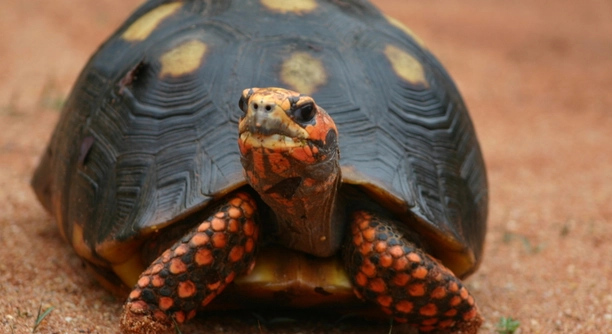
Red-footed tortoises are popular pet reptiles, known for their unique personalities and specific dietary needs. It’s important to be cautious about what you feed them to ensure their health remains optimal.
Red-footed tortoises should not eat butter. Dairy products, like butter, are not suitable for them due to their digestive system’s inability to process lactose. This can lead to gastrointestinal issues, dehydration, and other health complications.
Understanding the risks involved with feeding butter to red-footed tortoises helps ensure they receive a diet that supports their long-term health.
Why Butter Is Harmful for Red-Footed Tortoises
Red-footed tortoises thrive on a diet primarily made up of fruits, vegetables, and leafy greens. Their digestive systems are not designed to process fatty or dairy-based foods like butter. When butter is introduced to their diet, it can cause serious digestive issues. Butter contains high levels of fat and lactose, which are hard for tortoises to break down. Lactose intolerance is common in many reptiles, leading to bloating, diarrhea, or dehydration when they consume dairy. These health problems can be stressful for the tortoise and may require medical attention.
Without proper nutrition, red-footed tortoises may experience weight fluctuations and weakened immune systems. Their digestive system can struggle to absorb essential nutrients, leading to poor health. It’s crucial to stick to a balanced diet, focusing on the foods that support their natural growth and well-being. Over time, poor diet choices can shorten a tortoise’s lifespan.
Even small amounts of butter can create problems, making it important to avoid feeding it to your tortoise altogether. Instead, stick to foods that align with their dietary needs.
Safe Alternatives for Red-Footed Tortoises
Fruits like papaya, mango, and strawberries are ideal for red-footed tortoises. Leafy greens such as collard greens, dandelion greens, and kale also provide essential nutrients.
A balanced diet consisting of these foods helps to maintain a healthy tortoise. Red-footed tortoises also benefit from occasional flowers like hibiscus and clover. When selecting food, always aim to replicate what they would naturally find in the wild.
Effects of Feeding Butter to Red-Footed Tortoises
Feeding butter to red-footed tortoises can cause digestive distress, including diarrhea and bloating. Their bodies cannot process the fats and lactose found in butter, leading to possible dehydration. These symptoms often result in a weakened immune system, making the tortoise more vulnerable to infections.
When a tortoise consumes butter, it can disrupt the balance of their digestive system. As they cannot properly digest dairy, harmful bacteria can build up, causing further health complications. Over time, these issues may require veterinary intervention to prevent long-term damage. It’s essential to avoid feeding butter to prevent these serious health risks.
Tortoises with ongoing digestive issues may become lethargic or lose their appetite, both signs of distress. If untreated, these conditions could cause a tortoise to become underweight or weak. Sticking to a proper diet is key to ensuring they stay healthy and active.
How to Monitor a Red-Footed Tortoise’s Health After a Wrong Diet
If your tortoise consumes butter or other unsuitable foods, monitor them closely. Look for signs like watery stool, lack of energy, or dehydration. These signs can indicate that your tortoise’s digestive system is struggling.
If you notice any of these symptoms, it’s important to adjust their diet immediately. Consult a vet to ensure the tortoise receives proper care, especially if they show signs of severe distress. Hydrating your tortoise with fresh water can also help them recover from any mild dehydration. Regularly check your tortoise’s weight and activity level to ensure they are staying healthy.
What to Do if Your Tortoise Eats Butter
If your tortoise accidentally consumes butter, remove it from their diet immediately. Observe for any signs of discomfort such as bloating or diarrhea. Ensuring that they are hydrated can help support their digestive system while their body processes the unwanted food.
A change in behavior or appearance should prompt a vet visit. If your tortoise shows signs of severe distress, dehydration, or loss of appetite, seeking professional advice is essential. It’s important to avoid any future mistakes by strictly sticking to their proper diet. Monitoring their health regularly can help catch any issues early.
Maintaining a Balanced Diet for Your Red-Footed Tortoise
A balanced diet for a red-footed tortoise consists of leafy greens, fruits, and occasional flowers. Avoid high-fat or dairy products, as they can upset their digestive system. Offering a variety of foods ensures that your tortoise gets the essential vitamins and minerals needed to thrive.
Additionally, ensure that your tortoise has access to clean, fresh water at all times. This is crucial to their overall health and digestion. A well-rounded diet can help support their shell growth, immune system, and energy levels. Regularly offer them new, fresh foods to keep their meals interesting and nutritious.
Monitoring Your Tortoise’s Weight
Regularly monitoring your tortoise’s weight can give you insight into their overall health. If they start to lose weight, it could indicate digestive problems or insufficient food intake. Ensuring they have a proper diet is essential for maintaining their weight and overall well-being.
FAQ
Can Red-Footed Tortoises Eat Dairy Products?
No, red-footed tortoises cannot eat dairy products. Dairy contains lactose, which is difficult for tortoises to digest. Consuming dairy can lead to digestive issues like diarrhea and bloating. It’s important to avoid dairy completely, as it can cause unnecessary stress and health problems for your tortoise.
What Should I Feed My Red-Footed Tortoise?
Red-footed tortoises should be fed a variety of leafy greens, fruits, and flowers. Some good options include collard greens, dandelion greens, papaya, strawberries, and hibiscus flowers. These foods provide the essential nutrients that support their health, including vitamins A and C, calcium, and fiber. Avoid feeding them high-fat or high-protein foods, as these are not suitable for their digestion.
How Often Should I Feed My Red-Footed Tortoise?
A red-footed tortoise should be fed daily, but the amount depends on their age and size. Hatchlings and juveniles need more frequent meals, while adults can be fed every other day. Always ensure the food is fresh and remove any uneaten food after a few hours to prevent spoilage. A balanced diet, paired with proper hydration, is key to keeping your tortoise healthy.
How Do I Know If My Tortoise Is Overweight?
If your red-footed tortoise has difficulty moving, appears lethargic, or has a rounded shell, it may be overweight. Regularly monitoring your tortoise’s weight and making sure they are getting the right amount of food can help prevent obesity. Overfeeding high-calcium foods, such as fruits, can contribute to this issue. Consult with a vet if you’re unsure about their weight or diet.
Are Red-Footed Tortoises Vegetarians?
Yes, red-footed tortoises are primarily herbivores, but they may occasionally eat small insects or carrion in the wild. However, their diet should consist mostly of plant matter, such as leafy greens, fruits, and flowers. Providing a variety of plant-based foods is important for their overall health.
Can Red-Footed Tortoises Eat Fruit Every Day?
Fruits should be fed in moderation. While red-footed tortoises enjoy fruit, it’s high in sugar, which can lead to obesity and other health problems if fed too frequently. Offer fruit a few times a week as a treat, but ensure the bulk of their diet consists of leafy greens and other vegetables.
How Can I Prevent My Tortoise From Becoming Dehydrated?
Dehydration is common in red-footed tortoises, especially in captivity. Always provide access to fresh, clean water. In addition to water, you can mist your tortoise’s enclosure to maintain humidity levels and offer wet leafy greens to help with hydration. If your tortoise shows signs of dehydration, such as lethargy or dry skin, seek veterinary care.
Can Red-Footed Tortoises Eat Flowers?
Yes, red-footed tortoises can eat certain flowers, including hibiscus, clover, and dandelions. Flowers are a great addition to their diet, as they are full of vitamins and moisture. Just make sure the flowers are pesticide-free and safe for your tortoise to consume.
How Do I Know If My Red-Footed Tortoise Is Sick?
Signs of illness in red-footed tortoises include lethargy, lack of appetite, abnormal feces, difficulty moving, or shell abnormalities. If you notice any of these signs, it’s important to consult a vet. Timely intervention can help prevent serious health issues and ensure your tortoise stays healthy.
Is It Okay to Feed My Tortoise Insects or Meat?
Red-footed tortoises may occasionally eat insects or carrion in the wild, but their diet should primarily be plant-based. Feeding them meat or insects in captivity can upset their digestive system and lead to health problems. Stick to a plant-based diet with the occasional supplement of flowers or fruits for a balanced meal.
How Can I Keep My Red-Footed Tortoise Healthy?
To keep your red-footed tortoise healthy, provide a balanced diet rich in leafy greens, fruits, and safe flowers. Make sure they have access to clean water at all times and maintain the proper temperature and humidity in their enclosure. Regular vet check-ups are also important to catch any potential health issues early.
Final Thoughts
Red-footed tortoises are resilient creatures, but their diet plays a major role in their overall health. Providing the proper food and avoiding harmful items like butter or dairy is crucial for maintaining their well-being. While these tortoises enjoy a variety of foods, it’s important to offer them a balanced diet that includes leafy greens, fruits, and occasional flowers. By sticking to natural, plant-based foods, you can help ensure your tortoise remains healthy and energetic.
Feeding your tortoise correctly isn’t just about avoiding harmful foods; it’s also about offering a wide variety of options. A diet rich in nutrients will support your tortoise’s growth, shell health, and immune system. Offering fruits occasionally is fine, but vegetables and leafy greens should make up the bulk of their meals. Regularly cleaning their enclosure and ensuring they have access to fresh water is equally important. Proper hydration helps with digestion and overall bodily functions, making it just as vital as their food.
Caring for a red-footed tortoise means being attentive to their needs. Whether it’s their diet, enclosure conditions, or regular vet check-ups, small actions make a big difference. With the right care, your tortoise will live a long and healthy life. Keep their environment clean and their diet consistent, and avoid foods that could harm them, like butter. By taking these steps, you’ll ensure your tortoise thrives in its environment, leading to a happy and healthy life.

Hello,
If you enjoy the content that we create, please consider saying a "Thank You!" by leaving a tip.
Every little bit helps us continue crafting quality advice that supports the health, happiness, and well-being of pets around the world, for pets of all shapes, sizes, and species.
We really appreciate the kindness and support that you show us!