
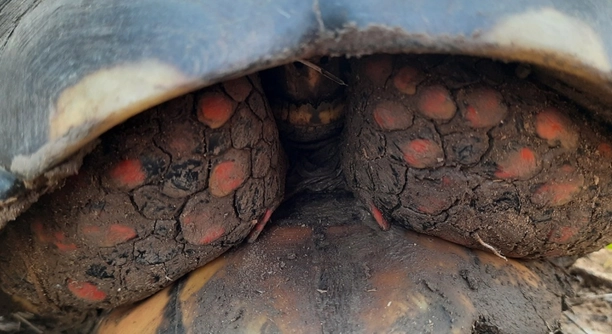
Are you concerned about your red-footed tortoise’s health and wondering if it’s overheating?
Overheating in red-footed tortoises can be caused by excessive heat exposure, often due to improper temperature regulation in their environment. Signs of overheating include rapid breathing, lethargy, and changes in behavior, which require immediate attention.
Knowing the warning signs can help prevent serious health issues and keep your tortoise comfortable. Let’s look at what to watch for when your red-footed tortoise is at risk of overheating.
Recognizing Rapid Breathing in Your Red-Footed Tortoise
One of the first signs that your red-footed tortoise may be overheating is rapid breathing. When exposed to high temperatures, they struggle to regulate their body heat. As a result, you may notice them breathing faster than usual. This is their body’s attempt to cool down. It’s crucial to observe their behavior carefully. If they seem to be breathing heavily or panting, it might be time to adjust their environment. A tortoise that is overheating will also likely have their mouth open more than usual. If you spot these signs, it’s important to take immediate action to lower the temperature around them. Overheating can stress their system, leading to long-term health issues. Cooling down your tortoise right away can prevent further complications.
Rapid breathing is a clear signal that your tortoise’s environment is too warm for comfort.
Addressing the temperature in their habitat should be your first step. Move them to a cooler spot or adjust their heating system.
Lethargy: A Major Red Flag of Overheating
Lethargy, or excessive tiredness, is another key sign that your red-footed tortoise may be overheated. Tortoises that are too hot may retreat into their shells and remain inactive for long periods. This lack of movement is often their way of coping with extreme heat. If your tortoise is typically active but becomes unusually sluggish, it’s likely due to an overheat situation. This can also lead to them not eating or drinking as much, which further worsens the situation. It’s essential to offer them a cooler environment to help regulate their body temperature. Consider adjusting their basking area and providing more shade, which can help them recover.
Taking the right steps can help avoid lasting damage.
Ensure their environment has temperature zones for them to move between as needed, mimicking natural conditions.
Mouth Open and Panting
If your tortoise begins to open its mouth frequently and seems to be panting, it’s likely a sign of overheating. They do this in an attempt to regulate body temperature. This behavior is not typical when they are comfortable. Immediate action to cool them down should be a priority.
A red-footed tortoise will try to cool itself off by opening its mouth and breathing faster. This is similar to how some animals pant to release heat. If you observe this, reduce the temperature in their environment quickly. It’s also important to make sure they are hydrated, as dehydration can worsen the effects of overheating. A cool, damp environment can help them recover.
Disinterest in Food and Water
When a tortoise is too hot, they may lose their appetite. Overheating often causes them to ignore food and water, which is a serious issue. Without proper nutrition and hydration, their health can quickly decline. This lack of interest in eating is a signal that their body is under stress. Make sure to monitor their behavior closely during hot weather. If they’re refusing food, it may be time to check the temperature in their habitat and adjust it accordingly.
Long periods of ignoring food and water can lead to serious health problems like dehydration and malnutrition. Keep your tortoise hydrated by offering fresh water frequently. Reduce the temperature to help them feel more comfortable and avoid the added stress that comes with overheating. Ensure that the environment has cooler spots where they can retreat to when they need relief.
Changes in Behavior
Overheating affects your red-footed tortoise in many ways, and one noticeable change is in their behavior. If they’re overheated, they might seem disoriented or more aggressive than usual. You may also notice them trying to escape their enclosure, as they’re uncomfortable in their current environment. The heat can cause them to act out in ways that are uncharacteristic. Adjusting their habitat’s temperature can help bring them back to their usual calm state.
Keep an eye out for these behavior changes. It’s important to identify them early, as ignoring these signs could lead to serious health complications. If your tortoise begins acting differently or seems agitated, there’s a good chance the temperature is too high. Moving them to a cooler environment can restore their comfort and calmness.
Darkened Skin Color
When your tortoise is overheated, their skin color may darken. This is a natural response to stress from excessive heat. A healthy red-footed tortoise will usually have bright and vibrant skin. Darkening can indicate that they are struggling to regulate their body temperature.
If you notice this change, it’s essential to address the heat in their environment. Darker skin is a way for them to absorb less heat, but it’s a sign they’re already too hot. Move them to a cooler area with more shade and provide fresh water to help lower their body temperature.
Excessive Drinking or Lack of Hydration
A red-footed tortoise that’s overheating may either drink excessively or show signs of dehydration. If they’re drinking more than usual, it means they are trying to rehydrate. On the other hand, if they are not drinking at all, dehydration may be setting in due to the heat.
Ensure they have constant access to fresh water, especially when the weather is particularly warm. If they’re avoiding drinking, try offering water in a shallow dish or misting their environment. Make sure the humidity level is balanced and not too high, which can add to their discomfort.
FAQ
What should I do if my tortoise is overheating?
If your tortoise is overheating, the first step is to move it to a cooler area. Make sure the temperature in its habitat is within the appropriate range, around 75-85°F (24-29°C) during the day, with a basking spot at 90-95°F (32-35°C). Remove any heat sources like lamps or heating pads and ensure they have access to plenty of fresh water. You may also mist the enclosure or provide a damp area for them to cool off. Always monitor their behavior after making these adjustments.
How do I know if the temperature in my tortoise’s habitat is too high?
You can tell the temperature is too high if your tortoise shows signs of rapid breathing, lethargy, darkened skin, or mouth panting. It’s also important to check the temperature regularly using a thermometer. Ensure the enclosure’s temperature is within the recommended range, with a cooler area where your tortoise can retreat. If your tortoise is constantly seeking shade or seems agitated, that’s also a sign the temperature might be too high.
Can I use a fan to cool down my tortoise?
Using a fan can help improve airflow and lower the temperature in the enclosure, but it’s important to be cautious. A fan should never blow directly on the tortoise, as it can dry them out too quickly and cause dehydration. It’s best to use the fan to circulate air around the habitat without directing it at the tortoise. Always monitor the temperature after making adjustments to ensure it remains within a safe range.
How often should I check the temperature of my tortoise’s enclosure?
You should check the temperature in your tortoise’s enclosure daily, especially if the weather is hot. During summer months or warmer seasons, it’s a good idea to check more frequently. Make sure the temperature fluctuates appropriately between the basking and cooler areas. Keep an eye on the humidity levels too, as too much moisture can lead to other health problems.
Is it normal for my tortoise to be less active in the heat?
Yes, it is normal for tortoises to become less active during hot weather, especially if they are overheating. They tend to retreat into their shells or hide in shaded areas to avoid the heat. However, if your tortoise is excessively lethargic, not moving at all, or showing other signs of distress, it could indicate a problem that needs attention. Reducing the temperature and offering a cooler spot can help them become more active again.
How can I prevent my tortoise from overheating in the future?
To prevent overheating, maintain a stable temperature in your tortoise’s enclosure, with areas for both basking and cooling. Make sure the enclosure is not too small and provides enough space for them to move around and find shade. If possible, place their habitat in a well-ventilated area. Avoid using too many heat sources in the enclosure, and adjust the heat as needed depending on the outside weather.
Should I provide water more often when it’s hot outside?
Yes, it’s essential to provide water more often during hot weather. Overheating increases the risk of dehydration, and your tortoise will need extra hydration. Make sure there is fresh, clean water available at all times. If your tortoise is refusing to drink, try offering water in a shallow dish or misting their environment to encourage hydration. You can also try soaking them in lukewarm water for a short period to help with hydration.
Can my tortoise get sunburned?
Yes, red-footed tortoises can get sunburned if exposed to direct sunlight for too long. They need sunlight for vitamin D3 production, but too much exposure can damage their skin. It’s important to provide both shaded areas and basking spots where they can regulate their exposure to the sun. If they are outside, always monitor their time in the sun, ensuring they have a cool place to retreat to when they need relief.
What temperature is ideal for my red-footed tortoise?
The ideal temperature for a red-footed tortoise is 75-85°F (24-29°C) during the day. The basking spot should be between 90-95°F (32-35°C), and nighttime temperatures can drop slightly to around 70°F (21°C). It’s important to maintain a gradient of temperatures in the enclosure, allowing the tortoise to move between the warm and cool areas.
Is it safe to take my tortoise outside when it’s hot?
It’s fine to take your tortoise outside, but only when the temperature is moderate and they can access shade. Never take them outside during extreme heat, as they can quickly overheat. Make sure they have a shaded area to retreat to and fresh water available at all times. Always supervise them closely when outdoors to avoid any health risks.
Final Thoughts
Overheating can be a serious concern for your red-footed tortoise, but recognizing the signs early can help prevent any major health issues. Watching for symptoms like rapid breathing, lethargy, darkened skin, and changes in behavior can make a big difference. When you notice these signs, it’s important to act quickly by cooling their environment and ensuring they have access to fresh water. Being proactive and maintaining the right conditions in their habitat will go a long way in keeping your tortoise happy and healthy.
Managing temperature in your tortoise’s habitat is key to avoiding overheating. Keep an eye on the temperature and humidity levels throughout the day, adjusting them as needed. Ensure that there are shaded spots where your tortoise can retreat if they get too hot. Having a range of temperatures within their enclosure helps them regulate their body heat more easily. Remember, red-footed tortoises are more comfortable in a warm environment, but they also need a cooler area to escape the heat when necessary.
It’s also essential to understand that your tortoise’s behavior can tell you a lot about their health. If you notice any unusual signs, like a lack of appetite, excessive drinking, or mouth panting, these may indicate stress or overheating. Taking quick action to adjust their environment can help them recover. With proper care and attention, your red-footed tortoise will thrive in a comfortable and safe environment. By keeping their habitat balanced and monitoring their condition regularly, you can ensure they stay healthy and avoid the dangers of overheating.

Hello,
If you enjoy the content that we create, please consider saying a "Thank You!" by leaving a tip.
Every little bit helps us continue crafting quality advice that supports the health, happiness, and well-being of pets around the world, for pets of all shapes, sizes, and species.
We really appreciate the kindness and support that you show us!