
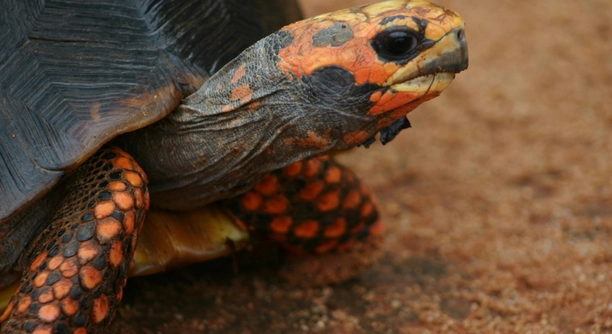
Red-footed tortoises are known for their docile nature and unique appearance. However, like any pet, they can fall ill. Understanding the signs of illness in a red-footed tortoise is crucial for maintaining their well-being.
The primary indicators that a red-footed tortoise may be sick include changes in appetite, behavior, and physical appearance. Other symptoms to monitor are lethargy, nasal discharge, and swollen limbs, which can signal infections or metabolic issues. Early detection is key.
Knowing how to spot these symptoms early will help keep your tortoise healthy. Regular observation and care can make a difference in their quality of life.
Changes in Appetite
A decrease in appetite is often one of the first signs that your red-footed tortoise is not feeling well. If they’re not eating as much as usual or completely refuse food, it can signal digestive issues or even stress. Look out for any significant changes in their eating habits, as this can lead to a decline in health if not addressed promptly.
While some changes in appetite are temporary, long-term refusal of food can lead to weight loss, dehydration, and even organ failure. It’s important to note if your tortoise becomes very picky with food or avoids certain types of food. This could be a sign of an underlying health problem that needs attention.
If your tortoise isn’t eating or drinking, it’s essential to act fast. Check the temperature and humidity levels in their environment to ensure they’re optimal. If the problem persists, consult a vet who specializes in reptiles for further care. Ensuring they get enough nutrients is critical for their recovery.
Physical Appearance Changes
Watch for changes in your tortoise’s shell and skin. A pale or discolored shell could indicate poor health, while abnormal swelling, softness, or lesions are clear signs of infection. These issues may arise from bacterial or fungal infections.
Changes in the skin, such as scabs or flaky patches, could point to shedding problems or an underlying infection. These signs often indicate more serious issues, especially if the shell starts to soften. Infections and metabolic bone disease can cause these physical changes, both of which require prompt treatment. Regularly checking your tortoise’s physical condition can help catch issues early and prevent further harm. Keep their environment clean to avoid such problems from developing in the first place. If changes in their appearance seem unusual or worsen over time, contact a vet experienced with reptiles as soon as possible.
Lethargy and Weakness
Lethargy in a red-footed tortoise can be a serious sign of illness. If your tortoise seems unusually tired or sluggish, this could indicate various health problems, from infections to environmental stress.
If your tortoise becomes lethargic, first check their habitat to ensure it’s at the right temperature and humidity. A sudden drop in these conditions can cause them to slow down or even stop eating. Prolonged lethargy may also signal an internal issue, such as metabolic bone disease, or a respiratory infection. If the behavior continues, it’s important to consult a vet. Early diagnosis and intervention will improve the chances of recovery.
Red-footed tortoises thrive in warm, stable environments, so ensure they have a comfortable, stress-free space to live in. Keeping their living conditions in check will help prevent lethargy from becoming a persistent problem. Regular activity is vital for their health, and if they’re not moving around like usual, it’s time to pay closer attention to other signs of illness.
Nasal Discharge
A runny nose or nasal discharge is a common symptom of respiratory infections in tortoises. If you notice mucus coming from your tortoise’s nostrils, this could signal a cold or other health concern.
Respiratory infections in tortoises are often caused by improper humidity levels, poor ventilation, or a sudden temperature drop in their habitat. It’s important to address these issues immediately by adjusting their environment. Keep their habitat warm and dry, and avoid drafts that may stress them out. If the nasal discharge continues, it’s time for a vet visit to ensure there is no underlying infection that needs treatment. Prolonged respiratory issues can lead to more severe health problems if untreated.
Keep an eye on other symptoms like wheezing or labored breathing, which may accompany nasal discharge. The presence of these symptoms can indicate that the infection is spreading or worsening, requiring immediate veterinary care. Addressing respiratory issues quickly will help prevent more serious complications and ensure a speedy recovery for your tortoise.
Swollen Limbs
Swelling in a red-footed tortoise’s limbs can signal an infection or metabolic issue. If their legs appear puffed or swollen, this could indicate a serious underlying problem that requires immediate attention.
Swelling often results from an infection, injury, or fluid retention caused by kidney issues. It’s important to check their habitat conditions and ensure they are not under stress, as this can contribute to health problems. If the swelling persists or worsens, consult a vet right away. Left untreated, it can lead to further complications.
Unusual Bowel Movements
If your red-footed tortoise’s bowel movements change, it’s a sign that something isn’t right. Diarrhea or constipation may indicate infections, digestive problems, or poor diet.
Monitor their food intake and avoid overfeeding. Changes in diet can cause digestive disturbances. If the issue persists for more than a few days, it’s important to have your tortoise examined by a vet. Long-term digestive issues can lead to dehydration, weight loss, and other complications.
Dehydration
Dehydration is a common problem for tortoises, and it can have serious consequences. If your red-footed tortoise isn’t drinking enough water, they could become dehydrated.
Make sure fresh water is always available in their enclosure. Tortoises need proper hydration for digestion, skin health, and overall well-being. If your tortoise is showing signs of dehydration, such as a dry, cracked shell or sunken eyes, it’s critical to provide them with extra water and consult a vet.
FAQ
How can I tell if my red-footed tortoise is stressed?
Stress in a red-footed tortoise can show in a variety of ways. You might notice behavioral changes, such as hiding more than usual, aggression, or lack of appetite. Stress can be caused by factors like improper temperature, inadequate humidity, or changes in their environment. It’s important to check their habitat and ensure it’s consistent and comfortable. A stressed tortoise may also exhibit lethargy or refuse food, so it’s crucial to monitor their activity levels. If the symptoms persist, reducing stressors and consulting a vet will help address the issue.
What is the ideal habitat for a red-footed tortoise?
The ideal habitat for a red-footed tortoise should include a warm, humid environment. The temperature should be maintained between 75-85°F (24-29°C), with a basking spot of around 90°F (32°C). Humidity should be around 60-80%. Providing a spacious enclosure with areas to hide, as well as a shallow water dish for drinking and soaking, is essential. Make sure to use non-toxic plants for enrichment, and ensure the habitat is free from drafts. Lighting should mimic natural sunlight to promote a healthy sleep-wake cycle.
What are the signs of a respiratory infection in a red-footed tortoise?
Respiratory infections in red-footed tortoises can be identified by nasal discharge, labored breathing, or wheezing. If your tortoise is also showing signs of lethargy, lack of appetite, or swollen eyes, it’s a strong indication of an infection. The infection is often caused by poor environmental conditions like low humidity or sudden temperature changes. Immediate veterinary attention is necessary if these symptoms are observed. Left untreated, respiratory infections can lead to pneumonia and other severe complications.
Can a red-footed tortoise be kept with other reptiles?
Red-footed tortoises can be kept with other reptiles, but careful consideration is needed. It’s important to ensure that the species share similar habitat and dietary needs. Avoid mixing tortoises with more aggressive or territorial reptiles. The enclosure should be large enough for both animals to have their own space. Monitor the tortoises and other reptiles for signs of stress, aggression, or illness. If any issues arise, separate the animals to prevent harm. It’s always best to research the specific needs of each species before cohabiting them.
What should I feed my red-footed tortoise?
Red-footed tortoises are omnivores, meaning their diet should consist of a balance of fruits, vegetables, and protein. Offer leafy greens like dandelion greens, collard greens, and mustard greens, along with fruits like papaya, mango, and berries. You can also feed them occasional flowers like hibiscus or edible weeds. Protein should come from sources like earthworms, snails, or high-quality tortoise pellets. Avoid feeding them iceberg lettuce or citrus fruits, as these can be harmful to their health. A varied diet is key to keeping your tortoise healthy and happy.
How do I know if my red-footed tortoise is dehydrated?
Signs of dehydration in a red-footed tortoise include dry, cracked skin or shell, sunken eyes, and a lack of urination. Dehydration can occur if your tortoise isn’t drinking enough water or if the humidity in their environment is too low. To prevent dehydration, ensure that fresh water is always available and that their enclosure has adequate humidity. If you notice any signs of dehydration, offer your tortoise a warm soak in water and contact a vet for advice. Regular hydration is vital for their overall health.
Is it necessary to provide UVB lighting for my red-footed tortoise?
Yes, UVB lighting is essential for red-footed tortoises to help them synthesize vitamin D3, which is crucial for calcium absorption. Without UVB light, your tortoise may develop metabolic bone disease, which can cause softening of the shell and bones. UVB lighting should be provided for 10-12 hours a day, and the bulb should be replaced every 6-12 months, depending on the manufacturer’s recommendation. It’s also important to place the UVB light at the proper distance from your tortoise to ensure they receive the correct amount of UVB radiation.
How often should I clean my red-footed tortoise’s enclosure?
Cleaning your red-footed tortoise’s enclosure regularly is important to prevent the buildup of bacteria and other pathogens. Spot clean the enclosure daily, removing uneaten food, waste, and any soiled bedding. Once a week, do a deeper cleaning by removing all bedding, disinfecting surfaces, and replacing the substrate. Ensure the water dish is cleaned daily to prevent bacteria growth. Keeping the habitat clean helps maintain a healthy environment for your tortoise and reduces the risk of illness.
Can I take my red-footed tortoise outside?
Yes, you can take your red-footed tortoise outside, but it should be done with caution. Always ensure that the outside temperature is appropriate and that there is no risk of predators. Provide a safe, secure area where your tortoise can roam freely, and be sure they have access to shade and fresh water. Outdoor time should be limited to ensure they don’t overheat or get stressed by sudden changes in temperature. Monitor them closely during outdoor excursions, and never leave them unattended.
What temperature should my red-footed tortoise’s basking spot be?
The basking spot for a red-footed tortoise should be around 90°F (32°C). This temperature allows them to thermoregulate, which is essential for digestion and overall health. Use a heat lamp or ceramic heat emitter to create this warm basking area, and place a thermometer in the spot to ensure it stays within the ideal range. Keep the rest of the enclosure at a cooler temperature of around 75-85°F (24-29°C). A proper basking spot is necessary for your tortoise to maintain a healthy body temperature and avoid illness.
Final Thoughts
Taking care of a red-footed tortoise involves understanding their specific needs and providing them with a suitable environment. This includes maintaining the right temperature, humidity, and lighting, which are essential for their health and well-being. A proper diet with a mix of fruits, vegetables, and protein is crucial to keeping your tortoise healthy. Regular habitat maintenance, like cleaning their enclosure and ensuring fresh water, is just as important. Taking the time to learn about their behavior and signs of illness will help ensure your tortoise thrives in your care.
Monitoring your red-footed tortoise for any signs of illness is key. Symptoms such as a lack of appetite, lethargy, or changes in their behavior can indicate stress or health problems. Respiratory infections, dehydration, and injuries can affect them if not caught early. If you notice anything unusual, it’s essential to address it promptly. Keeping your tortoise’s habitat stress-free and within optimal conditions is the best way to prevent many of these issues. Regular vet check-ups can help ensure that your tortoise stays in good health over the long term.
Owning a red-footed tortoise can be a rewarding experience, but it does require attention and responsibility. They have specific needs that must be met to ensure they live a long and healthy life. By providing a stable environment, a proper diet, and prompt care when needed, you can enjoy watching your tortoise grow and thrive. With patience and dedication, your red-footed tortoise will be a happy and active companion for many years.

Hello,
If you enjoy the content that we create, please consider saying a "Thank You!" by leaving a tip.
Every little bit helps us continue crafting quality advice that supports the health, happiness, and well-being of pets around the world, for pets of all shapes, sizes, and species.
We really appreciate the kindness and support that you show us!