
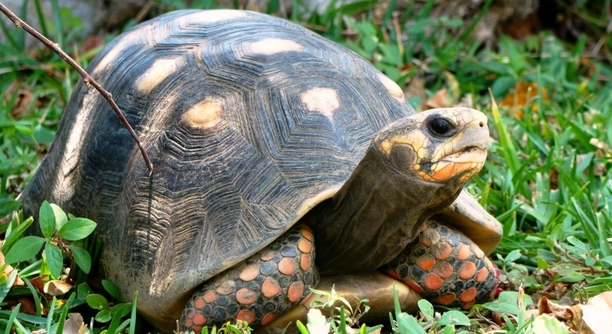
Is your red-footed tortoise moving less than usual and spending more time resting? Lethargy in these reptiles can be concerning, especially if it persists. Understanding the possible causes can help you determine if intervention is necessary.
A red-footed tortoise may act lethargic due to improper temperature, dehydration, dietary imbalances, or illness. Low humidity, parasites, and stress can also contribute. Identifying the underlying issue is essential for ensuring your tortoise’s health and well-being.
Environmental conditions, diet, and health play a major role in your tortoise’s activity levels. Recognizing the signs early can help you take the necessary steps to improve your pet’s condition.
Common Reasons for Lethargy in Red-Footed Tortoises
A red-footed tortoise may become lethargic due to improper temperatures, dehydration, or a poor diet. These reptiles need a warm, humid environment to stay active. If their habitat is too cold or dry, they may slow down. Dehydration can also affect their energy levels, especially if they do not have access to fresh water. A diet lacking essential nutrients, like calcium and vitamin A, can cause weakness. Stress, parasites, or infections may also contribute to inactivity. Monitoring your tortoise’s behavior and adjusting its care can help restore its normal activity levels.
Lethargy is not always a sign of illness, but it should not be ignored. Identifying changes in appetite, weight, or shell condition can help determine if there is a deeper issue. A veterinarian can provide a proper diagnosis if needed.
Ensuring the right temperature, humidity, and diet is essential for keeping your red-footed tortoise healthy. Regular check-ups and close observation will help you address potential concerns before they worsen.
How to Help a Lethargic Red-Footed Tortoise
Start by checking the habitat’s temperature and humidity. Red-footed tortoises need a warm basking area of around 90°F and a cooler zone around 75°F. Humidity levels should stay between 70% and 80% to prevent dehydration.
If temperature and humidity are appropriate, assess the diet. Provide fresh leafy greens, fruits, and protein sources like insects or cooked eggs. Calcium and vitamin supplements can help maintain strong bones and overall health. Make sure clean water is always available. Lethargy caused by dehydration can improve after offering a shallow soak in lukewarm water for 15 to 20 minutes.
Parasites or infections may also be responsible for inactivity. Check for signs like soft stools, nasal discharge, or swollen eyes. If your tortoise continues to be sluggish despite proper care, a vet visit is necessary. Prompt attention can prevent further health issues and help your tortoise regain its energy.
Signs That Your Tortoise Needs Veterinary Care
Lethargy lasting more than a few days, even after adjusting temperature and diet, may indicate an underlying issue. Other warning signs include loss of appetite, unusual weight loss, shell abnormalities, breathing problems, or discharge from the eyes, nose, or mouth. These symptoms require immediate attention.
A sick tortoise may also show signs of swelling, soft stools, or an unusual odor. Respiratory infections can cause wheezing or excessive mucus, while metabolic bone disease may lead to a soft shell or difficulty walking. If your tortoise frequently hides or refuses to move, it could be in pain or distress. Regular observation helps catch these issues early.
If your tortoise’s condition does not improve, a vet specializing in reptiles can perform tests to check for infections, parasites, or nutritional deficiencies. Early treatment can prevent more serious complications and help your tortoise recover faster.
Preventing Lethargy in Red-Footed Tortoises
Providing a well-balanced diet, proper lighting, and a clean habitat reduces the risk of lethargy. Fresh food, calcium supplements, and UVB lighting are essential for maintaining health. Keeping humidity levels stable and offering fresh water daily helps prevent dehydration, which is a common cause of inactivity.
Regular habitat maintenance is just as important as diet. Clean the enclosure frequently to prevent bacterial growth, and ensure there is enough space for movement. A varied terrain with logs, plants, and hiding spots encourages exercise and mental stimulation. Consistency in care keeps your tortoise active and reduces stress-related issues.
Routine check-ups with a reptile vet can help catch potential problems early. Weighing your tortoise regularly and monitoring changes in behavior ensures you can address any concerns quickly. With proper care, your red-footed tortoise can stay active and healthy for years to come.
Adjusting Habitat Conditions for Better Health
A proper heat gradient is necessary for maintaining energy levels. The basking area should stay around 90°F, while the cooler section should not drop below 75°F. Consistently low temperatures can slow digestion and lead to inactivity. A high-quality heat source helps regulate body functions.
Humidity should remain between 70% and 80% to prevent dehydration and shell issues. Misting the enclosure daily and providing a shallow water dish help maintain proper moisture levels. Dry conditions can cause lethargy, while excessive dampness may lead to respiratory infections or shell rot.
The Importance of a Proper Diet
A varied diet rich in leafy greens, fruits, and protein sources supports a tortoise’s overall health. Foods like dandelion greens, papaya, and earthworms provide essential nutrients. Calcium supplements and UVB exposure help prevent metabolic bone disease, which can cause weakness and inactivity. A poor diet often leads to sluggish behavior.
When to Monitor Behavior Changes
A sudden drop in activity, refusal to eat, or extended hiding can indicate stress or illness. Noticing these changes early allows for quick adjustments in care. Regular interaction and observation help ensure your tortoise remains healthy and active.
FAQ
Why is my red-footed tortoise not eating?
If your red-footed tortoise isn’t eating, it could be due to several factors. Temperature plays a big role. If the habitat is too cold or too hot, it can affect your tortoise’s appetite. Another reason could be stress from a change in environment, new pets, or loud noises. It’s also possible that your tortoise is not feeling well, especially if it’s showing other signs like lethargy or changes in behavior. Ensure the diet is varied and fresh, as a lack of nutrients can also cause a decrease in appetite. If the issue persists, consult a vet.
How can I tell if my tortoise is dehydrated?
Dehydration in red-footed tortoises often shows in subtle signs. If your tortoise is lethargic and refuses to eat or drink, dehydration might be the cause. The skin may appear wrinkled or dry, and the eyes might look sunken. A healthy tortoise’s skin should be plump and moist. Offering a shallow soak in warm water can help rehydrate it, but if signs persist, seek professional care to avoid further complications.
Can red-footed tortoises get too cold?
Yes, red-footed tortoises are sensitive to temperature changes. If the habitat is too cold, your tortoise may become lethargic and lose its appetite. They need a warm basking area of about 90°F and a cooler zone around 75°F. If the enclosure gets too chilly, they might have trouble digesting food and could develop health problems. Regularly check the temperature with a thermometer to ensure a comfortable environment for your tortoise.
What should I feed my red-footed tortoise?
Red-footed tortoises are omnivores, so they need a balanced diet that includes fresh leafy greens, fruits, and protein. Dark, leafy vegetables like collard greens, mustard greens, and dandelion greens are great staples. Fruits like papaya, mango, and bananas can be offered in moderation. They also enjoy protein-rich foods like cooked eggs and insects. Adding a calcium supplement will support their shell health and bone structure. Ensure all food is fresh and free from pesticides.
How often should I feed my tortoise?
Red-footed tortoises should be fed daily. Younger tortoises need more frequent meals to support their growth, while adult tortoises can be fed every other day. Offer a variety of food to ensure they receive all the nutrients they need. Always remove any uneaten food after a few hours to prevent it from spoiling in the enclosure.
What are the signs of shell rot in tortoises?
Shell rot is a serious condition that can be caused by infections, often from excess moisture or poor hygiene. The signs include soft spots, a foul smell, or discoloration on the shell. If the shell appears sunken or damaged, it’s crucial to take your tortoise to the vet as soon as possible for treatment. Keeping the habitat clean and dry is key to preventing this issue.
How can I maintain proper humidity for my tortoise?
To maintain the proper humidity level (70%-80%), you should mist the enclosure regularly and provide a shallow water dish. The water dish should be shallow enough for your tortoise to soak its legs and lower body without submerging. You can also use a humidity gauge to monitor levels. If the humidity is low, try adding a small humidity box or using a humidity-controlled reptile substrate.
Can red-footed tortoises live outside year-round?
Red-footed tortoises are not suited to cold climates and should not be kept outside year-round in areas with freezing temperatures. They can live outside during warmer months, but make sure they have access to shade and a warm shelter. In colder weather, it’s best to bring them indoors to ensure they stay in a controlled environment.
How do I keep my tortoise’s enclosure clean?
To keep the enclosure clean, remove uneaten food and waste daily. Change the bedding material regularly, ensuring it’s dry and free from mold. Spot clean any soiled areas as needed, and wash the water dish frequently to prevent bacteria build-up. Every few weeks, disinfect the entire enclosure to maintain a healthy living environment for your tortoise.
What is the lifespan of a red-footed tortoise?
Red-footed tortoises can live for up to 50 years in captivity, though their lifespan can vary depending on the care they receive. Providing a balanced diet, proper habitat conditions, and regular veterinary check-ups can help ensure your tortoise lives a long, healthy life. It’s important to plan for their long-term care.
How can I tell if my tortoise is stressed?
Stress in red-footed tortoises can manifest as lethargy, hiding more than usual, or refusing to eat. Other signs of stress include excessive pacing, nail-biting, or defensive behaviors like biting. Stress can be caused by environmental changes, overcrowding, or even loud noises. Keeping the enclosure stable, quiet, and spacious can reduce stress in your tortoise.
What type of lighting do red-footed tortoises need?
Red-footed tortoises require UVB lighting to synthesize vitamin D3, which is essential for calcium absorption and bone health. Provide a UVB light for 10-12 hours a day. Ensure the light is not too far away from the basking spot to ensure your tortoise gets the proper exposure. Always replace UVB bulbs every 6 months as their effectiveness decreases over time.
How can I tell if my tortoise is healthy?
A healthy tortoise is active, alert, and has clear, bright eyes. It should have a smooth, firm shell with no soft spots or cracks. Its appetite should be strong, and it should be maintaining a healthy weight. Regular weight checks and observations will help you spot potential issues early. If anything seems off, it’s best to consult a vet.
Final Thoughts
Taking care of a red-footed tortoise requires attention to detail, patience, and understanding of its needs. These reptiles rely on their environment to stay healthy, so providing the right temperature, humidity, and diet is essential. If your tortoise is acting lethargic, it’s important to consider factors like habitat conditions, diet, hydration, and potential health issues. By adjusting these factors, many common problems can be solved, helping your tortoise regain its energy and health. Regular observation will help you notice any changes in behavior early, allowing for quick intervention.
However, if the lethargy persists despite adjusting the environment and diet, it may be a sign of a more serious issue. In these cases, it’s essential to seek professional help from a veterinarian who specializes in reptiles. A vet can diagnose underlying health problems like infections, parasites, or metabolic diseases that require proper treatment. While it’s normal for tortoises to be slow-moving at times, any significant or ongoing changes in behavior should not be ignored.
Overall, with the right care, red-footed tortoises can live long, healthy lives. It is your responsibility to ensure their environment remains consistent, their diet is balanced, and any potential issues are addressed promptly. By doing so, you can help your tortoise stay active, happy, and healthy for many years to come. If you’re ever unsure about your tortoise’s health, don’t hesitate to reach out to a professional for advice or assistance.

Hello,
If you enjoy the content that we create, please consider saying a "Thank You!" by leaving a tip.
Every little bit helps us continue crafting quality advice that supports the health, happiness, and well-being of pets around the world, for pets of all shapes, sizes, and species.
We really appreciate the kindness and support that you show us!