
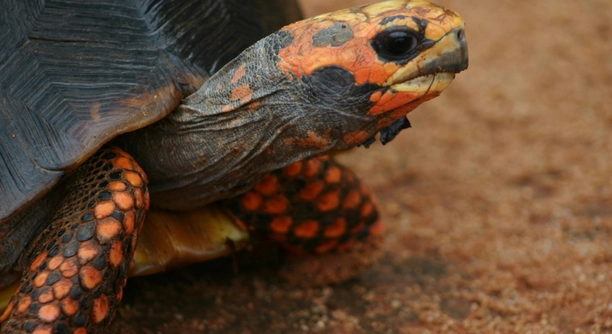
Is your red-footed tortoise constantly trying to bury itself, leaving you wondering what is causing this behavior? Understanding why this happens can help you determine whether it is a natural instinct or a sign of an issue.
Red-footed tortoises bury themselves primarily for thermoregulation, humidity control, and security. Inadequate enclosure conditions, such as improper temperature, low humidity, or excessive light exposure, can trigger this behavior. Additionally, stress, illness, or a natural instinct to burrow may also contribute to frequent digging and burying.
Creating the right habitat and monitoring your tortoise’s health can help address this behavior. Recognizing the underlying cause ensures your pet remains comfortable, healthy, and stress-free in its environment.
Common Reasons for Burying Behavior
Red-footed tortoises often bury themselves to regulate their body temperature and maintain proper humidity levels. In the wild, they dig into the soil to escape extreme heat and dryness. If their enclosure lacks the right balance of warmth and moisture, they may instinctively burrow for comfort. Stress is another factor, as changes in their environment, loud noises, or frequent handling can cause them to seek shelter. Additionally, they may be responding to seasonal changes, mimicking natural behaviors such as brumation, where they become less active and bury themselves more often.
If your tortoise is burying itself frequently, checking its habitat conditions is essential. Ensure the temperature and humidity levels are suitable for their needs. Providing proper hiding spots can also make them feel secure. If the behavior persists, observing for signs of illness or discomfort can help determine if veterinary care is necessary.
A healthy red-footed tortoise needs an environment that supports its natural behaviors. Adjusting enclosure conditions, reducing stress, and monitoring their overall health can prevent excessive burrowing. By making small adjustments, you can ensure your tortoise feels safe and comfortable.
How to Create the Right Habitat
A well-maintained enclosure reduces stress and promotes natural behaviors. The ideal temperature range is between 75-85°F, with a basking area around 90°F. Humidity should stay between 70-80%, mimicking their tropical environment. Substrate options like cypress mulch or coconut coir help maintain moisture while providing a soft surface for digging.
Proper lighting is also essential for their well-being. UVB lighting supports healthy shell growth and metabolism, while a heat source helps regulate body temperature. Without these elements, a tortoise may dig and bury itself to compensate for discomfort. Regularly misting the enclosure and providing shallow water dishes also help maintain adequate humidity levels.
Hiding spots are important for reducing stress. Logs, plants, and covered areas create safe spaces where they can retreat without needing to burrow excessively. By ensuring these elements are in place, you can create a comfortable and secure environment for your tortoise.
Signs That Your Tortoise May Be Stressed
Frequent burying, lack of appetite, and excessive hiding can indicate stress. A stressed tortoise may also become less active or display irregular basking patterns. If these behaviors persist, assessing their environment and routine can help identify possible causes of distress.
Environmental factors play a significant role in stress levels. Loud noises, sudden temperature changes, and improper lighting can disrupt their sense of security. If the enclosure is too small or lacks hiding spots, your tortoise may bury itself more often. Stress can also stem from frequent handling, as some tortoises prefer minimal interaction. Identifying and addressing these triggers can help restore a sense of calm.
Health issues can also contribute to unusual behavior. Respiratory infections, dehydration, and parasites may cause discomfort, leading to increased burying. Monitoring for symptoms like wheezing, swollen eyes, or shell abnormalities is important. A veterinarian can determine if medical attention is necessary.
When to Seek Veterinary Care
Sudden changes in behavior, including prolonged burying, lethargy, or refusal to eat, may indicate an underlying health issue. If your tortoise remains buried for extended periods without coming out to bask or eat, a professional evaluation may be necessary. Early detection can prevent serious complications.
A veterinarian will check for signs of illness, such as respiratory infections, metabolic bone disease, or dehydration. They may recommend adjustments to the diet, lighting, or humidity levels. In some cases, diagnostic tests may be needed to rule out internal issues. Regular checkups help ensure long-term health.
Preventative care is essential for keeping your tortoise healthy. Providing a balanced diet, maintaining optimal environmental conditions, and monitoring behavior can reduce the likelihood of health problems. If you suspect something is wrong, consulting a veterinarian can help address concerns before they become severe.
Adjusting the Substrate for Comfort
The right substrate helps your tortoise feel secure and supports natural behaviors. Cypress mulch, coconut coir, and organic topsoil retain moisture, making them ideal choices. Avoid using sand or gravel, as these can cause impaction if accidentally ingested. A soft, deep layer allows for comfortable burrowing.
Regularly misting the substrate helps maintain proper humidity levels. If the enclosure becomes too dry, your tortoise may bury itself more often to find moisture. Spot-cleaning daily and replacing the substrate when necessary prevent mold buildup and bacteria growth. A well-maintained enclosure encourages healthy behavior and reduces stress-related burrowing.
Providing Proper Enrichment
Enrichment reduces stress and encourages natural activity. Logs, rocks, and live plants create a stimulating environment while offering hiding spots. Rotating these elements occasionally keeps the enclosure engaging. A varied diet, including fresh vegetables and occasional fruits, also contributes to overall well-being and prevents boredom-related stress.
Monitoring Behavior Over Time
Observing daily habits helps identify changes early. Noting basking patterns, eating habits, and activity levels can reveal potential issues before they become serious. Consistent monitoring ensures your tortoise remains healthy, comfortable, and well-adjusted to its environment.
FAQ
Why does my red-footed tortoise bury itself more at night?
Red-footed tortoises are naturally more active during the day and may bury themselves at night to feel secure. Burrowing helps regulate their body temperature and retain moisture. If the enclosure is too cold or dry, they may dig deeper to find a more suitable environment.
Is it normal for my tortoise to stay buried all day?
Occasionally, tortoises may stay buried longer, especially during colder months or when adjusting to a new environment. However, if your tortoise consistently remains buried and shows no interest in food or basking, it could indicate stress, illness, or improper habitat conditions that need adjustment.
Should I dig my tortoise out if it buries itself for too long?
If your tortoise remains buried for several days without emerging to eat or bask, gently uncovering it can help assess its condition. Avoid forcefully disturbing it unless there are signs of illness, dehydration, or improper temperatures that could affect its well-being.
Can my tortoise suffocate if it buries itself too deeply?
Tortoises are adapted to burrowing and instinctively choose safe spots. As long as the substrate is loose and not compacted, they will not suffocate. Using appropriate materials like coconut coir or mulch ensures airflow, allowing them to breathe while buried.
Does burying indicate my tortoise is sick?
Burying alone does not always mean illness, but if it is accompanied by weight loss, lethargy, or lack of appetite, a health issue may be present. Respiratory infections, parasites, or improper humidity levels could be contributing factors. A veterinarian can determine if medical attention is needed.
What can I do to make my tortoise feel more comfortable?
Providing a warm, humid environment with plenty of hiding spots can help your tortoise feel secure. Ensure the enclosure has proper heating, UVB lighting, and a deep, soft substrate for burrowing. A consistent routine and minimal handling also reduce stress and encourage natural behavior.
How can I tell if my tortoise is stressed?
Signs of stress include frequent hiding, loss of appetite, excessive basking, or increased burrowing. Environmental changes, loud noises, or improper temperatures may contribute to stress. Observing behavior patterns and adjusting conditions accordingly can help create a more comfortable habitat.
Does humidity affect my tortoise’s burrowing behavior?
Red-footed tortoises require moderate to high humidity levels, typically between 70-80%. If the enclosure is too dry, they may bury themselves to seek moisture. Maintaining proper humidity through misting and using a moisture-retentive substrate can help prevent excessive burrowing due to dryness.
Is my tortoise burrowing because of brumation?
Unlike some other tortoise species, red-footed tortoises do not typically brumate. However, they may become less active during seasonal temperature changes. If your tortoise is burying itself more often in cooler months, ensuring a stable, warm environment can prevent unnecessary inactivity.
Can the type of substrate affect my tortoise’s burrowing habits?
Yes, the substrate plays a key role in burrowing behavior. Materials like cypress mulch, coconut coir, and organic topsoil allow natural digging while maintaining humidity. Avoid dry, compact, or sharp materials that can discourage burrowing or cause health issues.
What temperature should my tortoise’s enclosure be?
The daytime temperature should range between 80-90°F, with a basking spot around 95°F. At night, temperatures should not drop below 70°F. If temperatures are too low, your tortoise may bury itself to conserve heat, potentially leading to prolonged inactivity.
How often should I check on my buried tortoise?
Daily monitoring is important, even if your tortoise buries itself frequently. Ensure it emerges to eat, bask, and move around. If it remains buried for more than a few days without activity, a gentle check can help confirm its health and comfort.
Final Thoughts
Red-footed tortoises have natural instincts that guide their behaviors, including burrowing. This behavior helps them regulate body temperature, maintain hydration, and feel secure in their environment. While occasional burrowing is normal, excessive hiding or prolonged inactivity can indicate an issue. Monitoring temperature, humidity, and overall habitat conditions ensures they remain healthy and comfortable. If a tortoise remains buried for too long, checking its health and adjusting its environment can help prevent potential problems.
Providing a proper setup allows a red-footed tortoise to thrive. A spacious enclosure with a deep, moisture-retentive substrate encourages natural digging behavior. Maintaining warm temperatures, appropriate humidity, and adequate UVB lighting supports their overall well-being. Regular observation helps detect any unusual changes in activity, allowing for quick adjustments if needed. A consistent diet, access to fresh water, and minimal stress also contribute to their health and comfort.
Understanding a red-footed tortoise’s needs makes it easier to create a suitable environment. Paying attention to burrowing patterns and other behaviors provides insight into their comfort levels. Adjustments in care, such as modifying substrate type, increasing humidity, or regulating temperature, can make a significant difference. A well-maintained habitat promotes natural behaviors, ensuring a healthy and active tortoise.

Hello,
If you enjoy the content that we create, please consider saying a "Thank You!" by leaving a tip.
Every little bit helps us continue crafting quality advice that supports the health, happiness, and well-being of pets around the world, for pets of all shapes, sizes, and species.
We really appreciate the kindness and support that you show us!