
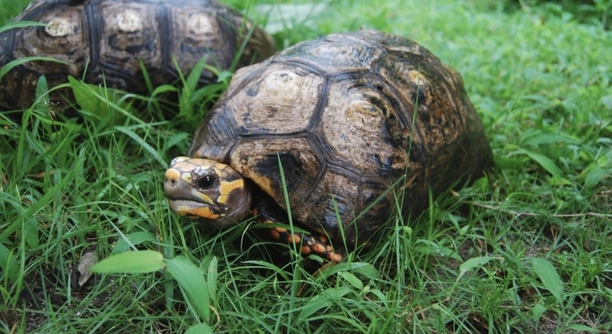
Improving your red-footed tortoise’s habitat on a budget doesn’t have to be difficult. With a little creativity and planning, you can create a comfortable and functional space for your tortoise without breaking the bank.
There are several affordable ways to enhance a red-footed tortoise’s habitat, such as providing a proper substrate, creating hiding spaces, and adding plants. Simple changes like these can improve both the environment and your tortoise’s overall well-being.
By making thoughtful, low-cost adjustments, you can ensure your tortoise thrives in a habitat that meets its needs and supports its natural behaviors. Keep reading to learn more!
1. Use Affordable Substrates
One of the easiest ways to improve your red-footed tortoise’s habitat without spending too much is by choosing the right substrate. A good substrate allows your tortoise to dig, burrow, and walk comfortably, while also absorbing waste and odors. You can use inexpensive options like coconut coir, shredded leaves, or soil. These materials are cost-effective and mimic the natural environment of your tortoise.
Coconut coir is a popular choice because it’s soft and retains moisture, which is great for red-footed tortoises. It helps maintain humidity in the habitat, which is important for their health. Other affordable materials like mulch or peat moss can also work well and are easy to find.
Remember to replace the substrate regularly to prevent it from getting too dirty. Keeping the environment clean is important for your tortoise’s well-being. You don’t need to spend a lot on fancy substrates when these options are both practical and budget-friendly.
2. Adding Natural Hiding Spaces
Hiding spaces are essential for your tortoise’s mental and physical health. You don’t need to buy expensive hides; natural items like logs, rocks, or plants can work wonders.
Placing small, natural hides around your tortoise’s enclosure will help them feel secure and reduce stress. Red-footed tortoises, like many reptiles, appreciate having a space where they can retreat. Adding a few items from the outdoors, such as flat stones or large leaves, can provide a similar hiding effect at no cost. You can even create a little shelter using cardboard boxes.
Adding natural hides isn’t just about aesthetics. It’s a vital part of their habitat that promotes mental stimulation. Tortoises use hides for more than just sleeping; it helps them feel safe and protected.
3. Introduce Live Plants
Live plants are a great addition to your tortoise’s habitat and can often be found for little money. Simple, safe plants like grasses, ferns, or small shrubs can add beauty and functionality to the space.
These plants not only make the environment more natural but also help maintain humidity levels. They provide your tortoise with a source of food, shade, and places to explore. Plants like dandelions and clover can be found in your yard or even local parks. You can also grow safe, edible plants like hibiscus or squash in pots.
Before adding plants, make sure they are safe for your tortoise. Avoid any toxic plants that could harm them. A mix of live plants and artificial ones can create a balanced, low-cost environment that supports your tortoise’s health.
4. Create a Watering System
A simple, affordable watering system can go a long way in improving your tortoise’s habitat. A shallow water dish or basin will allow your tortoise to drink and soak comfortably.
Using a shallow dish ensures that your tortoise can easily access the water without risk of drowning. You can choose a dish made from durable, non-toxic material. Adding a few rocks inside the dish can help keep the water level steady and prevent spills. Clean the water regularly to keep it fresh.
If you want to improve your setup further, a DIY drip system or small water fountain can be created using inexpensive supplies like plastic tubing. This will provide a constant flow of water that is easy to maintain.
5. Provide Proper Lighting
Good lighting is essential for your tortoise’s health, but it doesn’t need to be expensive. A simple UVB light will ensure they get the proper amount of light for vitamin D synthesis.
UVB lighting helps your red-footed tortoise absorb calcium, which is vital for their shell and bone health. Place the light above their habitat, ensuring they can bask under it for several hours each day. Make sure to replace the bulb every 6 months to keep it effective.
If you have access to natural sunlight, using it as part of the lighting system can be both beneficial and cost-free.
6. Insulate the Habitat
Maintaining the right temperature in your tortoise’s habitat is crucial. Insulating the enclosure helps keep the warmth consistent, especially in cooler months.
Simple, inexpensive materials like foam boards or reflective materials can be used to insulate the walls of the enclosure. This method helps retain heat and reduces the need for additional heating sources, saving energy and money. Insulation also helps maintain humidity levels, creating a more comfortable and stable environment for your tortoise.
By using these materials, you can significantly improve the temperature regulation in your tortoise’s home.
7. Use Budget-Friendly Decor
Decorating your tortoise’s enclosure can make it more enriching without spending much money. Items like natural rocks, branches, and fallen leaves can be collected from the outdoors.
Rocks and branches can be arranged to provide climbing or hiding areas, offering your tortoise more space to explore. You can also use logs to create bridges or ramps that help with exercise. Ensure all decor is safe and free from chemicals or sharp edges.
These simple additions not only make the space visually appealing but also create an enriching environment for your red-footed tortoise.
FAQ
How often should I change the substrate in my tortoise’s habitat?
It’s recommended to change the substrate every 2 to 4 weeks, depending on how quickly it gets dirty. If you notice the substrate becoming soiled or smelly before that, replace it sooner. Fresh substrate ensures a clean environment for your tortoise and helps maintain proper humidity. Make sure to remove any waste daily to avoid bacterial growth.
Can I use sand in my tortoise’s habitat?
Sand can be used, but it’s not the best option for red-footed tortoises. While some tortoises may benefit from a sandy substrate, it can cause digestive issues if ingested. Red-footed tortoises are more likely to consume the sand while foraging. If you do use sand, mix it with another material like coconut coir or soil to reduce the risk.
What temperature should I keep my tortoise’s habitat at?
Red-footed tortoises thrive in temperatures between 75-85°F (24-29°C) during the day. The basking area should be around 90°F (32°C), and the nighttime temperature can drop to around 70°F (21°C). Providing a gradient of temperatures in the enclosure allows your tortoise to regulate its body heat.
Do red-footed tortoises need UVB light?
Yes, red-footed tortoises need UVB light to help them process calcium and keep their bones and shell healthy. If natural sunlight isn’t available for several hours a day, providing a UVB light is crucial. This light should be kept on for 10-12 hours a day and replaced every 6 months for optimal effectiveness.
Can I use artificial plants in my tortoise’s habitat?
Yes, artificial plants can be used to decorate your tortoise’s habitat, but they should be safe and non-toxic. Choose plants made from natural materials like silk or plastic that don’t contain harmful chemicals. However, live plants are always a better option if you’re looking for natural benefits, like added humidity and food sources.
How can I make sure my tortoise is getting enough calcium?
To ensure your red-footed tortoise gets enough calcium, provide a balanced diet with leafy greens like dandelion leaves, kale, and collard greens. You can also sprinkle calcium powder on their food once or twice a week. Make sure to also provide UVB lighting to help with calcium absorption.
What should I feed my red-footed tortoise?
Red-footed tortoises are omnivores, meaning they eat a combination of plants and animal matter. Their diet should include a variety of leafy greens, fruits, and vegetables, with occasional protein sources like worms or small amounts of cooked egg. Avoid feeding them high-fat foods or excessive fruit, as it can lead to health issues.
How do I maintain the humidity in my tortoise’s habitat?
Red-footed tortoises require a humidity level between 60-80%. You can increase humidity by misting the enclosure daily, adding a water dish, or placing a damp sponge in the habitat. Using a substrate like coconut coir or sphagnum moss will also help retain moisture and maintain the proper humidity level.
Is it okay to use a heat mat in my tortoise’s habitat?
A heat mat can be used but should be used with caution. If you decide to use one, place it under one side of the enclosure to create a temperature gradient. This allows your tortoise to move to cooler areas if needed. Ensure the heat mat does not overheat or cause burns by using a thermometer to monitor the temperature.
How can I tell if my tortoise is stressed or unhappy?
Signs of stress in tortoises can include a lack of appetite, hiding too often, or excessive pacing. Environmental factors such as improper temperature, humidity, or insufficient hiding spots can lead to stress. Make sure your tortoise has enough space, proper lighting, and a suitable habitat to reduce stress levels.
Can I keep multiple tortoises in the same enclosure?
While it’s possible to house multiple tortoises together, it can be tricky. Red-footed tortoises are generally solitary creatures, and housing multiple tortoises in one space can lead to territorial behavior or stress. If you do house more than one, ensure there is enough space and hiding areas to prevent conflict.
How do I clean my tortoise’s habitat?
Cleaning your tortoise’s habitat is essential to prevent bacteria buildup. Remove waste and soiled substrate daily. Every 2 to 4 weeks, remove all the substrate, wash the enclosure with a mild, reptile-safe disinfectant, and replace the substrate. Clean food and water dishes regularly to keep the habitat hygienic.
Can I use a glass tank for my red-footed tortoise?
Yes, a glass tank can be used, but it may not be the best long-term option for red-footed tortoises. Glass tanks can have poor ventilation and may not retain heat or humidity as effectively as a wooden or plastic enclosure. If using a glass tank, ensure proper ventilation and monitor temperature and humidity closely.
Do I need a basking light for my red-footed tortoise?
Yes, a basking light is essential for providing your tortoise with the warmth it needs to digest food properly and regulate its body temperature. The basking light should be positioned so that your tortoise can easily move into and out of the warm area, and it should be kept on for about 10-12 hours each day.
Final Thoughts
Creating a comfortable and budget-friendly habitat for your red-footed tortoise is both simple and rewarding. With just a few key changes, like adding the right substrate, providing natural hiding spaces, and maintaining proper lighting, you can improve your tortoise’s environment significantly without spending a lot. Small changes, like introducing live plants or making your own water system, can enhance both the habitat and the well-being of your tortoise. You don’t need to invest in expensive equipment to give your tortoise a happy and healthy space.
Always focus on providing a safe, clean, and enriching environment for your tortoise. The right balance of temperature, humidity, and lighting will go a long way in keeping your pet healthy. It’s important to remember that tortoises, like all pets, need attention and care. Regular cleaning, along with monitoring their behavior and health, ensures they thrive in their habitat. Make sure to watch for signs of stress or discomfort, as this can indicate something is wrong with their environment.
In the end, your red-footed tortoise’s happiness depends on how well its habitat meets its needs. With these budget-friendly tips, you can create a comfortable space without spending a fortune. By focusing on natural elements and simple solutions, you’re not only saving money but also giving your tortoise a more natural and enjoyable environment. With a bit of effort, you can create a habitat that both you and your tortoise will appreciate for years to come.

Hello,
If you enjoy the content that we create, please consider saying a "Thank You!" by leaving a tip.
Every little bit helps us continue crafting quality advice that supports the health, happiness, and well-being of pets around the world, for pets of all shapes, sizes, and species.
We really appreciate the kindness and support that you show us!