
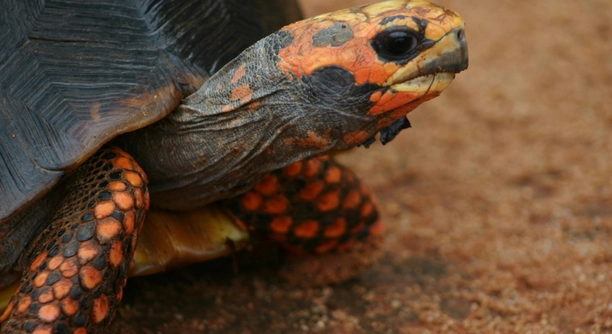
Red-footed tortoises make wonderful pets, but feeding them the right diet can be tricky. Many owners unknowingly make mistakes that can affect their health. Understanding what to feed them is key to ensuring they thrive.
Common mistakes in red-footed tortoise diets often include offering too much protein, neglecting variety in vegetables, or providing improper food textures. These errors can cause digestive issues, obesity, and other health problems. Proper diet management is essential for a long, healthy life.
Proper nutrition for a red-footed tortoise involves understanding the right balance. In this article, we will cover common missteps and how to avoid them for better care.
Offering Too Much Protein
Red-footed tortoises, like many reptiles, require a balanced diet to stay healthy. A common mistake is feeding them too much protein, which can lead to kidney problems and other health issues. Protein should be given in moderation and should not be the main part of their diet. While they do need some animal-based foods, such as insects or eggs, most of their diet should consist of fruits, vegetables, and leafy greens. Overfeeding protein can result in long-term harm to your tortoise’s kidneys, so it’s essential to avoid making this mistake.
Overfeeding protein may lead to imbalanced nutrition, impacting their overall health. Tortoises thrive best when their diet includes a wide variety of plants, with protein only making up a small part. By sticking to proper portions, you’ll keep your tortoise happy and healthy.
A good rule of thumb is to offer protein just once or twice a week. This ensures your tortoise gets enough nutrition without the risk of excess. Focus on leafy greens, flowers, and fruits, as they are more suitable for their long-term well-being.
Lack of Variety
Feeding the same food every day may seem easier, but it isn’t ideal. Red-footed tortoises need a variety of foods to ensure they get all the necessary nutrients. Without variety, they can become deficient in important vitamins and minerals, leading to weakened immune systems or digestive issues.
Incorporating different greens, fruits, and safe flowers into their diet is key to keeping them healthy. This approach also helps avoid the risk of nutritional imbalances. Try rotating food types every few days to give them a balanced and diverse meal.
Offering different types of vegetables like dandelion greens, collard greens, and turnip greens will help provide the essential nutrients for your tortoise’s growth. Fruits like papaya, mango, and banana also add variety, but always in moderation. Avoid overfeeding any single type of food, as this could lead to digestive problems and an unbalanced diet.
Feeding Too Many Fruits
Fruits are a tasty treat for red-footed tortoises, but they shouldn’t make up the majority of their diet. Too many fruits can lead to digestive upset or obesity because of their high sugar content. It’s important to limit fruits to small amounts and only as a supplement to a more balanced diet.
While fruits like mango, papaya, and banana can be healthy additions, they should not be the primary food. A diet rich in sugar can lead to weight gain and other health problems. Offer fruits sparingly, as a treat, and focus on providing more leafy greens and vegetables as the main part of their meals.
Make sure to remove any uneaten fruit from their habitat to avoid attracting pests. This also helps prevent spoilage, which could upset your tortoise’s digestive system. Offering variety in the form of safe vegetables ensures your tortoise gets the nutrients it needs without overloading on sugar.
Improper Texture of Food
The texture of food you provide is more important than it may seem. Red-footed tortoises can struggle to chew food that is too hard, dry, or large. Offering food in appropriate sizes and textures makes digestion easier and more efficient. Cutting their food into smaller pieces can help them consume it more easily.
A varied diet is essential, but the texture of the food is equally important. Offer foods that are not only nutritious but also easy for them to chew and digest. Wet or slightly moist vegetables are often better for them than dry foods, which can be harder to break down. If your tortoise is having trouble with certain foods, try offering them softer options like squash or steamed greens.
Textures matter more when dealing with younger tortoises or individuals with dental issues. Offering soft foods allows them to enjoy their meals without putting unnecessary strain on their mouth or digestive system. Keep their food consistent in texture, ensuring they can properly break it down for better digestion.
Feeding Wild-Caught Plants
Feeding wild-caught plants is risky because they may contain harmful pesticides, parasites, or toxins. It’s safer to stick to plants specifically grown for reptile consumption to avoid any potential harm. Even seemingly safe plants from your garden could be treated with chemicals or come into contact with contaminants.
Wild plants can introduce bacteria and chemicals that affect your tortoise’s health. Certain plants may also be toxic to them, and it can be difficult to identify which ones are safe. Stick to trusted sources, like reputable pet stores or nurseries, to ensure your tortoise’s food is clean and safe to consume.
By focusing on store-bought or well-identified plants, you minimize the risk of poisoning or illness. Wild plants might seem like a convenient option, but they come with too many unknowns for the health of your tortoise. Always err on the side of caution when it comes to their diet.
Inconsistent Feeding Schedule
Red-footed tortoises thrive on routine, including a consistent feeding schedule. An irregular feeding routine can lead to stress, digestive issues, and even affect their metabolism. Set a specific time each day for feeding, and stick to it for better health and digestion.
Feeding them at the same time each day helps regulate their internal clock and allows them to digest food more efficiently. This consistency reduces the chances of them overeating or not getting enough to eat. If you have multiple tortoises, make sure everyone gets their share without too much competition for food.
Not Providing Enough Calcium
Calcium is essential for a red-footed tortoise’s shell and bone health. Without enough calcium, they may develop shell deformities or other skeletal issues. Ensure your tortoise has access to a calcium supplement, or include calcium-rich foods like collard greens and dandelion leaves in their diet.
What are the best foods for a red-footed tortoise?
Red-footed tortoises need a variety of plant-based foods. The majority of their diet should consist of leafy greens like collard greens, dandelion greens, and turnip greens. Vegetables like squash, bell peppers, and carrots are also good options. You can supplement with fruits such as papaya, mango, and banana, but only in moderation. Make sure to provide a wide range of plants to ensure your tortoise gets all the necessary nutrients. Avoid feeding them too much protein or sugary fruits as they can lead to health issues.
How often should I feed my red-footed tortoise?
Red-footed tortoises generally need to be fed every other day. You can adjust the frequency depending on your tortoise’s age and activity level. Younger tortoises may need daily feedings to support their growth, while adults can be fed every two to three days. Make sure the amount of food is appropriate to their size and appetite. Overfeeding can cause health issues, so it’s important to monitor their weight and adjust portions as needed.
Can I feed my tortoise meat?
While red-footed tortoises are primarily herbivores, they do eat small amounts of animal matter in the wild, such as insects, snails, or carrion. However, meat should only be fed sparingly and as a supplement, not a main part of their diet. Too much animal protein can lead to kidney problems and obesity. If you choose to feed them meat, insects like mealworms or crickets are better options than mammalian meat. Always remember that the majority of their diet should consist of plant-based foods.
How do I ensure my tortoise gets enough calcium?
Calcium is essential for the health of a tortoise’s shell and bones. To ensure your red-footed tortoise gets enough calcium, offer calcium-rich greens like kale, dandelion leaves, and collard greens. You can also dust their food with a calcium supplement. It’s important to provide calcium regularly but also to ensure your tortoise gets enough UVB light, which helps them absorb calcium. If your tortoise is not getting enough calcium, you might notice shell deformities or weakness in their bones.
Can I feed my tortoise vegetables from my garden?
Vegetables from your garden can be a great option for your tortoise, but they must be free from pesticides and other chemicals. Always wash any garden produce thoroughly before feeding it to your tortoise. It’s also important to avoid plants from your garden that may be toxic to them, such as ivy or rhubarb. If you’re unsure about a particular plant, it’s better to avoid it or research it thoroughly before offering it to your tortoise.
Should I feed my tortoise flowers?
Yes, flowers are a great addition to a red-footed tortoise’s diet, but they should come from safe, pesticide-free sources. Some edible flowers include hibiscus, dandelions, and pansies. Flowers add variety and important nutrients, such as antioxidants and fiber. Be sure to only offer flowers that are known to be non-toxic to reptiles. Avoid feeding flowers from florists or gardens where chemicals might have been used.
Can I feed my tortoise lettuce?
While lettuce is not harmful, it isn’t the best food choice for your red-footed tortoise. Lettuce, especially iceberg lettuce, has very little nutritional value and can cause digestive problems if fed in large amounts. Opt for darker, more nutrient-rich leafy greens like romaine lettuce, kale, or collard greens instead. These greens are more beneficial to your tortoise’s health and will provide them with the necessary vitamins and minerals.
Is it okay to feed my tortoise frozen vegetables?
Frozen vegetables can be fed to your tortoise, but fresh vegetables are always the better choice. Frozen veggies may lose some of their nutrients during the freezing process, and they may also have a different texture that can be difficult for your tortoise to chew. If you do feed frozen vegetables, make sure to thaw them out properly and avoid those with added preservatives or seasonings. Always check the ingredients label to ensure they are safe for your tortoise.
What should I avoid feeding my tortoise?
There are several foods you should avoid feeding your red-footed tortoise. These include processed foods, foods high in oxalates like spinach, and foods with too much sugar such as candy or sugary fruits. Additionally, avoid feeding them toxic plants, such as azaleas, ivy, and oleander. Dairy products, meat, and foods high in fat should also be avoided as they can cause digestive and kidney problems.
Can I feed my tortoise commercial tortoise food?
Commercial tortoise food can be used occasionally, but it should not be the main part of their diet. These pellets often lack the variety and nutrients found in fresh, whole foods. If you choose to use commercial food, make sure it’s specifically formulated for red-footed tortoises. You can supplement it with fresh vegetables, fruits, and leafy greens to ensure your tortoise gets the best nutrition possible.
How can I prevent my tortoise from becoming overweight?
To prevent your red-footed tortoise from becoming overweight, it’s important to monitor portion sizes and avoid overfeeding. Offer a balanced diet with a variety of fresh greens, vegetables, and fruits, but avoid feeding too many sugary fruits or high-calorie foods. Provide them with enough space to roam, and allow them to exercise regularly. If you notice your tortoise becoming overweight, reduce the amount of food and increase their activity to help manage their weight.
Taking care of a red-footed tortoise requires more than just providing food; it’s about ensuring they get the right balance of nutrients. A well-rounded diet, including leafy greens, fruits in moderation, and occasional protein, is essential for their long-term health. Avoiding common mistakes, like overfeeding protein or offering wild-caught plants, can make a significant difference in preventing health issues. Consistency in what and when you feed them is just as important as the quality of food you provide. A varied, balanced diet ensures your tortoise thrives and avoids common ailments like obesity or digestive problems.
Understanding the importance of calcium, the right textures, and proper supplementation also plays a crucial role in your tortoise’s well-being. Providing calcium-rich foods like dandelion greens and ensuring they receive UVB light for better absorption will help maintain strong bones and a healthy shell. Along with this, making sure that the food you offer is the right texture—neither too tough nor too soft—is key to digestion. While it may take time to find the right routine, maintaining a healthy diet for your tortoise is a continuous process that will benefit them in the long run.
In the end, it’s about consistency and mindfulness. Feeding your red-footed tortoise the right foods, offering variety, and paying attention to their health will lead to a happier and healthier life for them. Keep in mind that each tortoise is different, and it’s important to adapt their diet based on their needs. By following these guidelines, you’ll be helping your red-footed tortoise live a long and fulfilling life. Their diet plays a huge role in how they grow, develop, and remain active, so always prioritize their nutritional needs.

Hello,
If you enjoy the content that we create, please consider saying a "Thank You!" by leaving a tip.
Every little bit helps us continue crafting quality advice that supports the health, happiness, and well-being of pets around the world, for pets of all shapes, sizes, and species.
We really appreciate the kindness and support that you show us!