
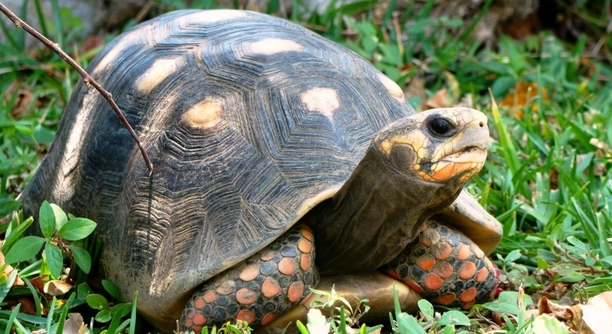
Red-footed tortoises are known for their unique and colorful shells. However, like all animals, they can face health issues, including shell infections. These infections may be subtle at first, but can cause significant harm if not treated.
A shell infection in a red-footed tortoise can be identified by visible signs such as swelling, discoloration, or softness of the shell. Infected shells may also develop cracks or unusual growths, requiring immediate veterinary attention.
Recognizing the early signs of a shell infection can help prevent further complications. Knowing how to care for your tortoise’s shell health is important for its well-being and comfort.
Common Signs of a Shell Infection in Red-Footed Tortoises
A red-footed tortoise’s shell is an essential part of its protection, but it can sometimes develop infections. If you notice swelling or soft spots on the shell, it’s a red flag. These infections may appear as discolored patches or small lesions. A clear indication of an infection is when the shell appears mushy or cracked. Sometimes, the infection can cause the shell to deform, making it uncomfortable for the tortoise to move. In severe cases, the infection may spread beneath the shell, leading to more serious internal problems. Regular inspection of your tortoise’s shell is crucial to catch these signs early, especially since they can worsen over time. Early detection can help prevent unnecessary pain and the need for more invasive treatments.
Shell infections are also commonly caused by poor living conditions or improper diet. Tortoises kept in too damp or dirty environments are at a higher risk of developing such issues. Keeping their living space clean and dry is key in avoiding infections.
If the infection is left untreated, it can lead to permanent damage to the tortoise’s shell, affecting its overall health and movement. Regular checks and proper care are the best preventive measures.
How to Treat a Shell Infection
Treatment for shell infections varies depending on the severity and cause. If the infection is mild, soaking the tortoise in warm water with a mild disinfectant can help. This provides relief and helps clean the shell, reducing the risk of further infection. It is essential to keep the infected area dry afterward, as moisture can make the infection worse.
In more severe cases, antibiotics prescribed by a vet may be required. If the infection has caused deep cracks or damage, the vet may need to perform minor surgery to clean the area. Treating infections promptly is essential to prevent them from spreading beneath the shell.
At-home care and immediate vet consultation are crucial steps in treating a shell infection. Additionally, the tortoise’s diet plays an important role in recovery. Providing high-quality foods with the right nutrients can support the healing process. Fresh vegetables and a balanced diet of vitamins and minerals will strengthen the immune system.
Preventing Shell Infections
Preventing shell infections starts with maintaining a clean environment for your tortoise. Ensure their enclosure is dry and free from standing water, which can encourage bacteria growth. The substrate should be changed regularly, and the area should be well-ventilated.
Proper lighting is also essential to ensure your tortoise gets enough vitamin D. This helps in the proper shell development and strengthens its immune system. Without sufficient UVB light, your tortoise may become more vulnerable to infections. Keep their enclosure in a spot where natural sunlight can reach, or use a proper UVB lamp to simulate the effect.
A balanced diet full of vitamins and minerals is another preventive measure. Over time, a lack of nutrients can make your tortoise more susceptible to shell issues. Providing a variety of leafy greens, fruits, and some occasional protein is key to overall shell health.
When to See a Veterinarian
If the infection worsens or doesn’t improve after a few days of at-home treatment, it’s time to see a vet. Tortoise shell infections can escalate quickly, and professional care may be necessary to avoid long-term damage.
A vet will inspect the tortoise’s shell thoroughly, looking for signs of infection beneath the surface. If the infection is severe, the vet may recommend X-rays to check for internal damage. They can also clean and dress the wound properly, preventing further bacterial growth. In some cases, surgery may be required to remove infected tissue or treat deeper wounds.
Tortoises are resilient creatures, but when they show signs of infection, it’s always best to seek immediate medical attention to give them the best chance at recovery.
Importance of Proper Humidity Levels
Humidity plays a significant role in the health of your red-footed tortoise’s shell. If the humidity is too high or too low, it can contribute to shell infections. A consistent range of 60-80% humidity is ideal for red-footed tortoises.
Too much moisture can lead to fungal growth, while low humidity can cause dehydration and weaken the shell. Ensuring the proper humidity helps in maintaining a healthy, strong shell. Use a hygrometer to monitor the humidity and make adjustments as needed.
You can adjust the humidity in their enclosure by misting the substrate or using a humidity-controlled system to keep the levels stable.
Shell Care During Winter
Winter can be a challenging time for your tortoise, especially when it comes to shell care. In colder months, it’s important to monitor both the temperature and humidity inside their habitat closely.
If the temperature drops too much, it may make your tortoise more vulnerable to infections. You can use a heat lamp or ceramic heater to maintain warmth. It is important to not overheat, as this can cause stress. Shells can also dry out during winter if the humidity is too low, so regular misting is needed.
During winter, a proper balance of heat, light, and humidity helps support your tortoise’s immune system and prevents infections from taking hold.
The Right Substrate for Your Tortoise
Choosing the correct substrate for your tortoise is key to avoiding shell problems. Sand and soil mixtures are often the best options, providing a natural environment for your tortoise.
Avoid using substrates like cedar chips, as they can be harmful. A natural substrate will also help with humidity control and overall comfort for your tortoise.
FAQ
How do I know if my red-footed tortoise has a shell infection?
Shell infections can be recognized by several signs. Look for soft spots, discoloration, or cracks on the shell. Swelling or unusual growths may also appear. If the shell looks damaged, mushy, or has an odd smell, it’s likely infected. Regularly inspecting the shell for any changes can help catch issues early.
Can I treat a shell infection at home?
For mild infections, you can clean the infected area by gently soaking your tortoise in warm water with a mild disinfectant. After soaking, dry the shell and keep the infected area dry. However, if the infection is severe or if it doesn’t improve after a few days, seek veterinary care.
What causes shell infections in red-footed tortoises?
Shell infections are often caused by improper living conditions, such as excessive moisture, poor ventilation, or unclean environments. Bacteria and fungi thrive in damp conditions, leading to infections. A diet lacking essential nutrients can also weaken the shell, making it more prone to infection. Ensuring proper hygiene and care is key to prevention.
How can I prevent shell infections in my tortoise?
To prevent shell infections, maintain a clean, dry, and well-ventilated environment for your tortoise. Change the substrate regularly and keep the humidity within the recommended range. Provide a balanced diet with the right nutrients to support a healthy immune system. Also, offer proper lighting to aid in shell health.
What should I do if my tortoise’s shell is soft?
A soft shell may indicate a vitamin D deficiency, dehydration, or an infection. It’s essential to check the humidity levels in their habitat and ensure they’re getting enough UVB light. If the shell remains soft for more than a few days, consult a vet to rule out underlying health issues.
How often should I inspect my tortoise’s shell?
It’s best to inspect your tortoise’s shell at least once a week. Regular checks help you spot any changes early, which is important for preventing infections and other shell-related issues. Look for cracks, discoloration, swelling, and softness during each inspection.
Can shell infections be contagious to other tortoises?
Shell infections are generally not contagious to other tortoises. However, if the infected tortoise is housed with others, it’s essential to keep its habitat clean and isolated from the others to avoid any potential spread of bacteria or fungi. Sanitize the area frequently and monitor the health of all animals.
What should I feed my tortoise to help prevent shell infections?
Feeding your tortoise a variety of leafy greens, such as collard greens, kale, and dandelion greens, helps maintain shell health. Additionally, offering fruits like papaya, mango, and berries can provide vitamins and minerals. A proper diet supports a strong immune system, reducing the likelihood of infections.
Can I use a topical ointment to treat a shell infection?
While some topical ointments can be helpful in treating mild infections, it’s crucial to consult a vet before applying anything to your tortoise’s shell. Some treatments may not be suitable for reptiles, and incorrect use could worsen the infection. Your vet will guide you on the appropriate treatment.
Is it normal for my tortoise’s shell to shed?
Yes, it is normal for tortoises to shed small pieces of their shell. This shedding process, called ecdysis, is similar to how reptiles shed skin. If large sections of the shell are shedding or if the shedding is irregular, it could indicate a health problem, and a vet should evaluate the tortoise.
How can I make my tortoise’s environment more comfortable?
A comfortable environment for your tortoise includes proper humidity, temperature, and lighting. Make sure their habitat has both a basking area with heat and a cooler area where they can retreat. Use substrates that mimic their natural environment, and ensure they have access to clean water at all times.
Can stress cause shell problems in my tortoise?
Yes, stress can negatively impact your tortoise’s health, including its shell. Stress can weaken the immune system, making the tortoise more susceptible to infections. It’s important to avoid sudden changes in their habitat, overhandling, or noisy environments, as these can all contribute to stress.
Do red-footed tortoises need extra care during hibernation?
Red-footed tortoises don’t typically hibernate, but during colder months, they may become less active. It’s important to keep their environment at the right temperature and humidity. They should still have access to food and water, and their activity levels should be monitored. If they stop eating for an extended period, it may indicate a health issue.
How can I treat a wound on my tortoise’s shell?
For minor shell wounds, gently clean the area with warm water and mild antiseptic. Dry it thoroughly and keep it covered with a clean dressing to prevent dirt from entering the wound. For larger or deeper wounds, consult a vet for proper treatment, which may involve cleaning and stitches.
Can I use a heat lamp for my tortoise’s shell care?
Yes, heat lamps are essential for maintaining the right temperature for your tortoise’s shell health. The warmth helps with digestion and metabolism, both of which support shell development. Make sure the lamp provides a gradient of heat, allowing your tortoise to regulate its body temperature effectively.
How long does it take for a shell infection to heal?
The healing time for a shell infection depends on the severity of the infection and the treatment provided. Minor infections may heal in a few days to weeks, while more severe infections could take months. It’s important to follow your vet’s instructions carefully to ensure proper recovery.
What are the risks of not treating a shell infection?
If a shell infection is left untreated, it can lead to more serious health issues, such as bone infection, internal damage, or difficulty moving. Infections can also spread to other parts of the body, compromising the tortoise’s overall health. Early intervention is key to preventing long-term damage.
Final Thoughts
Caring for a red-footed tortoise involves paying close attention to its shell health. The shell serves as a protective barrier, but it can also be vulnerable to infections if not properly cared for. Regular checks for signs of infection, such as swelling, discoloration, or soft spots, can help you catch any problems early. A healthy environment plays a major role in preventing shell issues, so it’s important to keep your tortoise’s habitat clean, dry, and at the right temperature and humidity levels. Providing the proper lighting, substrate, and a balanced diet also supports its overall well-being. By staying alert and proactive, you can help your tortoise stay healthy for years to come.
Shell infections can be treated, but early detection is key. If you spot any issues, it’s best to consult a vet as soon as possible, especially if the infection appears severe. Although some mild infections can be managed at home with basic care like soaking and cleaning, professional treatment may be necessary if the problem doesn’t improve. The longer an infection goes untreated, the more damage it can cause, making it more difficult to heal. Following the advice of a vet and making necessary adjustments to your tortoise’s care routine can help prevent the infection from worsening. With the right attention, your tortoise can recover and live comfortably.
Remember, prevention is always better than treatment. Maintaining an optimal living environment for your red-footed tortoise reduces the risk of shell infections and other health problems. Keep the enclosure dry, clean, and well-ventilated to prevent bacteria and fungi from growing. Regularly inspect your tortoise’s shell and provide a nutritious diet to support its immune system. Understanding how to care for your tortoise’s shell will not only help you address potential problems but also ensure that your tortoise remains happy and healthy. Taking small steps every day to maintain proper care can go a long way in keeping your tortoise in the best condition possible.

Hello,
If you enjoy the content that we create, please consider saying a "Thank You!" by leaving a tip.
Every little bit helps us continue crafting quality advice that supports the health, happiness, and well-being of pets around the world, for pets of all shapes, sizes, and species.
We really appreciate the kindness and support that you show us!