
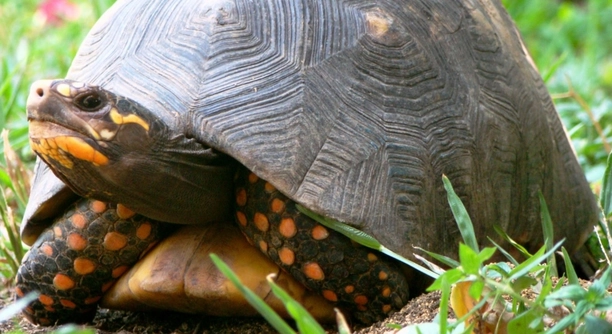
Red-footed tortoises are gentle creatures that require proper care to stay healthy and safe. Injuries can happen, especially if their environment isn’t well managed. Understanding how to prevent these injuries is essential for their well-being.
To prevent injuries in red-footed tortoises, ensure their habitat is secure and free of hazards. Providing a balanced diet and proper lighting is also crucial. Additionally, regular veterinary check-ups can help maintain their health and detect issues early.
By following simple precautions, you can reduce the risk of injuries and promote a happy, healthy life for your tortoise.
Provide a Safe and Secure Habitat
Red-footed tortoises are naturally curious and explore their environment. However, a poorly designed habitat can lead to dangerous situations. Ensure that their enclosure is sturdy, with no sharp edges or gaps where they might get stuck. Avoid slippery surfaces, as they can cause falls and injuries. The ground should be soft yet firm enough to support their weight, and there should be no obstacles that might cause them to trip.
Setting up a safe space also means making sure there are no toxic plants, as some can be harmful to your tortoise if ingested. Additionally, it’s important to create areas with hiding spots and shaded places to offer them shelter from excessive heat. These little details help provide comfort and protect them from harm. The more secure their environment, the lower the risk of injury.
Lastly, regularly check the habitat for any changes or damage that could make it unsafe. This will allow you to spot issues before they become problems, keeping your tortoise safe and happy.
Maintain Proper Temperature and Humidity
Temperature and humidity play significant roles in a tortoise’s health. A temperature that’s too high or too low can weaken them and make them more susceptible to injury. Ensure that their environment has a consistent range of heat, with warm and cool zones where they can move between depending on their needs.
Maintaining the right humidity is also essential. A dry environment can cause skin problems and make it difficult for them to shed properly, leading to injuries during the process. To help with this, mist the enclosure or use a humidifier to keep the air moisture level balanced. Always check humidity levels and temperature regularly using the right equipment. By providing a stable climate, you’ll avoid stress and prevent physical issues related to improper conditions. This makes a huge difference in keeping your tortoise safe and comfortable.
Avoid Sharp or Heavy Objects in Their Enclosure
Sharp or heavy objects in your tortoise’s space are a major injury risk. Even small, seemingly harmless items can cause cuts, bruises, or broken shells if they fall or are knocked over. Always inspect the enclosure for anything that could potentially hurt them.
Opt for soft bedding like coconut coir or grass mats that won’t harm their shells if they fall. Secure objects such as rocks or decorations to prevent them from tipping over. Keep larger items in a safe, stable spot and check regularly for wear and tear that could create hazards. It’s important to limit anything that could cause sudden accidents.
Remember that even small, everyday items—like food bowls or water containers—should be checked for edges or sharp corners. Over time, even these objects can become worn down, posing unexpected dangers. Always stay ahead by replacing or adjusting items that may become unsafe.
Provide a Proper Diet
A balanced diet is crucial for maintaining a tortoise’s health and preventing injuries. Poor nutrition can lead to weak bones, making them more prone to fractures or other damage. Ensure they have access to a variety of leafy greens, vegetables, and some fruit.
Calcium is especially important for shell and bone development. You can provide it through calcium-rich foods like dandelion greens or by offering a calcium supplement. Avoid feeding them too many high-protein foods, as this can lead to kidney issues and other complications. Regularly offering fresh, clean food will keep them energized and healthy, strengthening their shell and bones over time.
Be mindful of what you feed them. Avoid processed or sugary treats, as these can disrupt their digestive system and overall health. Always prioritize natural, plant-based foods to maintain a balanced diet that ensures long-term well-being and injury prevention.
Ensure Regular Exercise and Movement
Exercise is vital for your tortoise’s health, helping to maintain muscle strength and prevent injuries. Offering enough space for them to roam will keep them active and avoid stiffness that could lead to falls or other accidents.
Encourage movement by setting up obstacles for them to navigate around. This provides mental stimulation and helps prevent boredom, which could lead to unhealthy behavior or stress. Regular physical activity will keep them fit and reduce the risk of injury as they grow.
Keep Them Away from Other Animals
Other pets, especially dogs or larger animals, can pose a danger to your tortoise. Even a playful interaction could result in accidental harm to your tortoise due to their fragile shells.
Ensure that their living area is secure and that they cannot be accessed by other animals. If you let your tortoise roam outside, be mindful of predators and other animals that may try to approach or harm them. The best way to protect your tortoise is by maintaining a controlled environment where they are safe from potential threats.
Monitor Their Health Closely
Regular health checks can help detect issues early. Keep an eye on their behavior, eating habits, and appearance. If they show signs of lethargy, weight loss, or unusual behavior, it may indicate underlying health issues that need attention.
Taking them for routine vet visits will help ensure that they are growing properly and without any physical complications. Early intervention can prevent minor problems from becoming major injuries. Keep track of their activity levels and address any concerns as soon as they arise to keep your tortoise healthy and safe.
FAQ
What are common signs of injury in red-footed tortoises?
Injuries in red-footed tortoises can be difficult to detect because they tend to hide discomfort. However, common signs of injury include limping, inability to move a limb properly, reluctance to eat, and visible wounds on the shell or skin. If the tortoise seems unusually lethargic, has a cracked shell, or shows signs of bleeding, these could indicate injury. It’s important to inspect them regularly for any signs of injury and take action quickly.
How can I tell if my tortoise is stressed?
Stress in tortoises can manifest in different ways. If your red-footed tortoise is excessively hiding, not eating, or pacing around its enclosure, it might be stressed. Stress can also lead to other health problems like a weakened immune system or digestive issues. Environmental factors like temperature fluctuations, a lack of hiding spaces, or unfamiliar changes in their routine can contribute to stress. Always ensure they have a stable and calm environment.
What is the best way to prevent a tortoise from falling?
To prevent falls, create a flat, stable surface for your tortoise to move around. Avoid placing items in the enclosure that could easily tip over or become obstacles. Ensure the ground is soft but firm, and avoid slippery surfaces. Providing hiding spots can also offer a sense of security, reducing the likelihood of your tortoise trying to escape or make risky movements.
Are there any specific plants I should avoid in their enclosure?
Yes, some plants can be toxic to tortoises. Avoid plants like oleander, ivy, and certain species of fern, as they can cause serious health issues if ingested. Make sure any plants in their enclosure are safe, and research which species are safe for your red-footed tortoise. Always verify if any plants are toxic before introducing them into their habitat.
Can red-footed tortoises swim?
While red-footed tortoises are good swimmers, they should never be left in deep water without supervision. These tortoises come from a semi-arid environment and do not thrive in water for long periods. Shallow pools or small water bowls are best for them to drink from or occasionally soak in, but make sure they have a way to exit the water easily.
How often should I take my tortoise to the vet?
It’s important to take your red-footed tortoise for an annual check-up. This allows the vet to monitor overall health and spot potential issues early. If you notice any signs of injury or illness, don’t wait for the annual check-up; schedule a visit immediately. Regular vet visits help keep track of their shell health, nutrition, and any concerns related to their bones or diet.
How do I safely handle my tortoise?
Handling your tortoise should be done carefully. Always support their body fully by lifting them gently from both sides of their shell. Avoid picking them up by their limbs or tail, as this could cause injury. Only handle them briefly and never drop them, as their shells are delicate. It’s also important to avoid excessive handling, as it can stress them out.
What should I do if my tortoise’s shell is cracked?
If your tortoise’s shell gets cracked, it’s important to seek immediate veterinary care. Shell cracks can expose the underlying tissue and lead to infections. Depending on the severity, the vet might apply special bandages or treatments to protect the crack and prevent further injury. Never try to treat shell damage at home without professional guidance.
Can my tortoise get sunburned?
Yes, red-footed tortoises can get sunburned if exposed to too much direct sunlight. While they do need sunlight to help produce Vitamin D3, overexposure can cause burns, especially on their delicate skin. Ensure they have access to shaded areas to retreat to and that they aren’t kept in direct sunlight for long periods without protection.
How can I make my tortoise’s habitat more stimulating?
To keep your red-footed tortoise engaged and active, add a variety of textures and objects to their enclosure. This can include hiding spots, branches to climb on, and items to explore. You can also hide food in different places to encourage foraging, which promotes natural behavior. Regularly changing up their environment will keep them interested and prevent boredom.
What temperature is best for my tortoise?
Red-footed tortoises need a warm environment to stay healthy. The daytime temperature should be between 80 to 90°F (27-32°C), with a basking spot reaching around 95°F (35°C). The nighttime temperature should be cooler, around 70 to 75°F (21-24°C). Keep these temperatures consistent to help maintain their overall well-being.
Can my tortoise live outside year-round?
Red-footed tortoises can live outside, but only in climates that are warm enough year-round. They cannot handle freezing temperatures, so if you live in a cooler area, they’ll need to be brought indoors during colder months. If they are kept outside, ensure their enclosure is secure, sheltered, and free from predators.
What should I do if my tortoise refuses to eat?
If your tortoise stops eating, it could be a sign of illness, stress, or environmental issues. Check the temperature, humidity, and lighting in their habitat to make sure it’s appropriate. If everything seems fine and they’re still not eating, consider a vet visit to rule out health problems. Sometimes a change in diet or a new food type might help entice them.
Is it safe to let my tortoise roam outside?
Letting your tortoise roam outside can be beneficial as long as you’re supervising them. Ensure the area is secure and free from potential dangers like predators or harmful plants. Always monitor them closely to avoid any injuries, and provide plenty of shade and water. Avoid leaving them outside for long periods, especially in extreme weather.
How often should I clean my tortoise’s enclosure?
You should clean your tortoise’s enclosure at least once a week to keep it sanitary. Spot clean daily by removing any uneaten food and waste. A full cleaning should include washing all surfaces, changing the bedding, and ensuring everything is dry and free from bacteria. A clean habitat helps prevent health issues.
Can I use commercial lighting for my tortoise?
Yes, commercial lighting designed for reptiles can be used for red-footed tortoises. A combination of UVB and heat lamps will ensure they get the necessary light for proper digestion and calcium absorption. However, it’s essential to replace the bulbs regularly, as they lose their effectiveness over time.
Taking care of a red-footed tortoise requires attention to detail and a commitment to providing a safe and healthy environment. By making sure their habitat is secure and free from hazards, you can prevent many common injuries. Whether it’s avoiding sharp objects or maintaining proper temperature and humidity, a little effort can go a long way in keeping your tortoise happy and safe. Regular checks on their health and behavior also help catch any issues before they become serious problems.
Diet is another essential part of their care. A balanced diet with the right nutrients, especially calcium for bone health, can prevent many injuries that result from weakened shells or bones. Providing fresh, safe foods and avoiding harmful plants ensures that your tortoise’s diet contributes to its overall well-being. Proper nutrition and exercise help them stay strong, healthy, and less prone to accidents. Keeping their space clean and tidy also helps reduce stress and avoid unnecessary injury risks.
By following these simple steps, you can significantly reduce the risk of injury to your red-footed tortoise. Offering a safe environment, a proper diet, and regular health checks is the foundation for preventing most injuries. It doesn’t take much, but the benefits are substantial, ensuring that your tortoise has a long and healthy life in your care. Remember, the more attention you pay to these small details, the happier and healthier your tortoise will be.

Hello,
If you enjoy the content that we create, please consider saying a "Thank You!" by leaving a tip.
Every little bit helps us continue crafting quality advice that supports the health, happiness, and well-being of pets around the world, for pets of all shapes, sizes, and species.
We really appreciate the kindness and support that you show us!